

How Long Does Divorce Take in SC? The Timeline Explained
TrendReactTees.STORE TeamA South Carolina divorce can take more than a year when you file on the no-fault ground. Your timeline depends on how long you've lived apart, whether you and your spouse agree, and when the court can resolve your case. The legal minimums are thresholds, not promises of a finish date.
This post may contain affiliate links. If you make a purchase through these links, I may earn a small commission at no extra cost to you.
If you're looking for comfort outside the paperwork, our Be Kind to Your Mind Tee and Working On Myself Tee keep your downtime style personal.
First, separate the time you must wait before filing from the time your case takes after filing.
Key Takeaways
- A no-fault divorce requires one full year of living separate and apart without cohabitation before you file.
- A final decree generally cannot be granted until three months after filing, although the law provides limited exceptions.
- Residency and the grounds you use can affect when you're eligible to start your case.
- Agreements can reduce delays, but service, paperwork, and court scheduling still matter.
- A hearing or temporary order doesn't necessarily mean your divorce is final.
How long does divorce take in SC? The legal timeline
For a no-fault divorce, you must complete a year of separation before filing. After filing, South Carolina generally requires at least three months before a final decree, with an exception for certain separation and desertion cases.
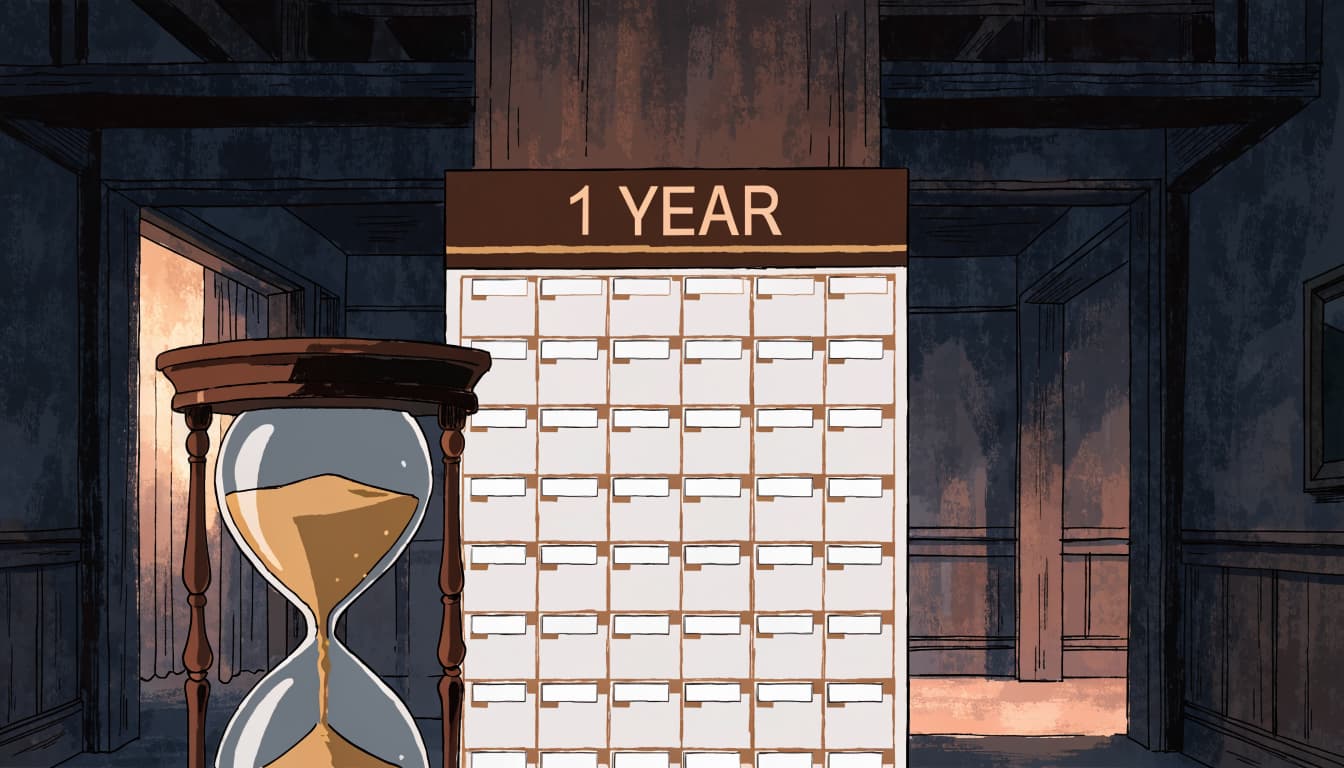
The one-year separation period comes before a no-fault filing
The clock starts with living separate and apart without cohabitation. If you're using this no-fault ground, the entire year must pass before you file your complaint.
For example, if your qualifying separation began on January 1, you can't file on that ground six months later and count the remaining months while the case is pending. The year comes first. A lawyer can help you assess when your qualifying separation began if your living arrangements changed during that period.
The three-month rule is a minimum, not a finish date
South Carolina law generally bars a final decree until three months after the complaint is filed. The statute also provides an exception for cases based on desertion or one-year separation: a hearing and decree may occur after responsive pleadings are filed or the respondent is adjudged in default, whichever happens sooner.
That exception doesn't erase the year you must complete before a no-fault filing. It also doesn't guarantee an immediate court date. The South Carolina divorce statute sets the legal rules, while your case and the court's calendar affect the finish.
Fort Jackson's family law video offers another introduction to divorce in South Carolina:
Your grounds for divorce and residency can affect when you file
South Carolina recognizes five grounds for divorce: adultery, desertion for one year, physical cruelty, habitual drunkenness, and living separate and apart without cohabitation for one year. Habitual drunkenness includes drunkenness caused by narcotic drugs.

The one-year separation requirement belongs to the no-fault ground. It isn't a blanket requirement for every ground, though a fault-based case has its own legal requirements. Choosing a ground because it sounds faster won't establish the facts needed to prove it.
Residency matters too. Generally, the spouse filing must have lived in South Carolina for at least one year before filing. If the filing spouse is a nonresident, the other spouse must meet that one-year requirement.
There's a different rule when both spouses are South Carolina residents when the action begins: the filing spouse generally needs three months of state residency. That isn't a universal three-month shortcut for everyone moving into the state.
Your separation date and residency history answer different legal questions. WomensLaw's South Carolina divorce guide provides additional context on who can file. For advice on your circumstances, speak with a South Carolina family-law attorney before choosing a ground or filing date.
An uncontested divorce may move faster than a contested case
An uncontested case can move faster because you and your spouse have fewer issues for the court to resolve. A contested case has more moving parts, and those parts don't come with a universal completion timer.

When you and your spouse agree on the terms
A complete agreement may address property, debts, support, and parenting arrangements when those issues apply. Settling those questions can reduce negotiations and the need for additional court activity.
You still need to complete the required filings, give your spouse proper notice, and meet applicable legal requirements. Court availability can affect the schedule too. Agreement helps remove obstacles; it doesn't delete the separation requirement or guarantee a quick decree.
When disagreements add months to the process
Disputes over parenting, finances, property, or support can take additional time to resolve. You may need more information before either spouse can evaluate a proposal, or you may need the court to decide an issue.
Missing financial records can slow discussions even when both spouses want an agreement. Additional hearings and limited court availability can add time as well. The effect depends on the issues in your case and the local schedule, so a contested divorce doesn't come with one reliable number of months.
You don't have to agree to terms that feel unsafe or unfair just to finish faster. Legal advice can help you understand your options before you commit.
What happens after you file, and where delays can arise
Filing the complaint begins the divorce action. Your spouse must then receive proper notice, and their response helps determine what happens next.
If your spouse agrees with the requested terms, your case may require fewer disputed steps. If they disagree, you may need further negotiation or court involvement. Either way, the case must meet the applicable requirements before a final decree can be granted.
Notice is one place where a timeline can stall. If the available contact information is inaccurate or your spouse is difficult to locate, completing service may take longer. Sending a message that says you've filed isn't a substitute for whatever formal notice the rules require.
Paperwork can also create an unexpected side mission. Missing information, incomplete filings, or an agreement that leaves an important issue unresolved may require more work before the case can move forward.
Finally, even a case that's ready for the next step depends on court availability. A full calendar can mean waiting for a hearing or other action. That wait is separate from any statutory filing requirement, and it varies by case and location.
Keep copies of what you file and receive. A record of notices and requests can help you see what has already happened and what still needs attention, especially when you're managing other changes at the same time.
Steps you can take to avoid preventable delays
You can't control every part of a divorce timeline. You can make it easier to respond when information is needed and avoid leaving basic tasks until the last minute.
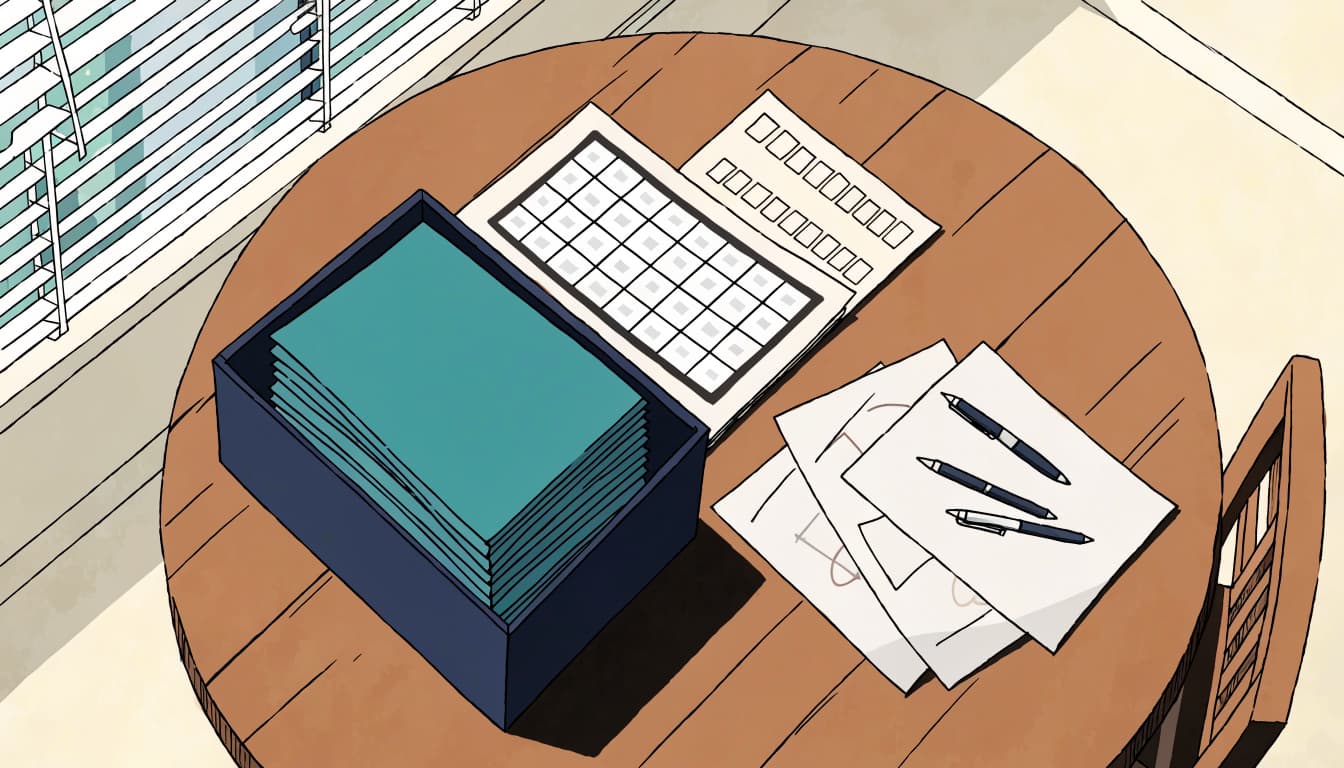
Gather the information your case may need
Start organizing financial records, including information about income, accounts, debts, and property. If you have children, collect the information you may need to discuss their schedules and expenses.
Keep documents somewhere you can access safely. You don't need a color-coded command center worthy of an anime strategist. A secure folder and a system you understand can make requests easier to handle.
Respond to notices and discuss agreements safely
Read court notices and requests when they arrive, and respond promptly. Make sure your contact information is accurate and share reliable information about your spouse's whereabouts with your attorney when you have it.
Where it's safe and appropriate, discussing potential agreements can help identify issues you can resolve. If communication puts you at risk, talk with an attorney about safer options instead of pushing for a direct conversation.
South Carolina Judicial Branch and county family court instructions can differ by procedure and case. A South Carolina family-law attorney can explain how the rules apply to your situation.
Streetwear & Casual Styling
After dealing with forms and deadlines, you may want an outfit that asks absolutely nothing of you. Our Reading Total System Crash Tee pairs with relaxed jeans and sneakers for a low-effort reading day.
For a casual coffee with a friend, style the Best Friend Share Single Brain Cell Tee with dark pants and a simple overshirt. Both bring our Cyber-Brutalist anime graphic style into a look that still feels like you.
Frequently Asked Questions
Do both spouses have to attend the final hearing?
Attendance depends on your case and the court's instructions. Some qualifying one-year-separation cases may proceed without a hearing under a limited court order. If a hearing is scheduled, follow your notice and ask the court or your attorney about attendance requirements.
Can you get temporary orders while the divorce is pending?
You can ask the court for temporary orders addressing issues such as parenting time or support while your case continues. A request isn't automatically granted, and timing varies. A temporary order doesn't end your marriage.
Is your divorce final as soon as the judge hears the case?
A hearing alone doesn't necessarily make your divorce final. The signed final decree and any required court steps matter. Wait for official confirmation before treating your marriage as legally ended.
Can you remarry before the final decree is entered?
Don't remarry until your divorce is legally final. Ask the court or your attorney about the status of your decree if you're unsure whether the required steps are complete.
Plan Around the Legal Requirements, Not a Promised Date
A South Carolina no-fault divorce starts with a full year of qualifying separation before filing. A general three-month post-filing minimum applies, though the law provides an exception for certain separation and desertion cases.
Your actual timeline also depends on the issues in your case and the court's schedule. Check local requirements and get personalized legal guidance so you can plan around your circumstances rather than someone else's finish date.