

How Long Does Puppy Poop Stay Soft?
TrendReactTees.STORE TeamOne mildly soft stool may firm up within a day or two, but there's no single timeline that's normal for every puppy. Age, energy, appetite, and other symptoms matter, and diarrhea lasting more than 24 hours is a good reason to call your veterinarian.
A recent move, food change, or new treat may explain a change in stool, but it doesn't make several days of diarrhea safe to ignore. If you're in your dog-parent era, our Best Dog Mom Tee and Dog Eats Custom Kibble Tee bring puppy humor to your human wardrobe. For the actual poop plot twist, watch your puppy and use the guide below.
This post may contain affiliate links. If you make a purchase through these links, I may earn a small commission at no extra cost to you.
Key Takeaways
- One mildly soft, formed stool may improve within 24 to 48 hours.
- Repeated, watery, or worsening diarrhea deserves more attention than one soft stool.
- Call your veterinarian if diarrhea lasts more than 24 hours or your puppy seems unwell.
- Keep fresh water available, track changes, and ask before changing food or giving medicine.
- Blood, black stool, collapse, or repeated vomiting need urgent veterinary guidance.
How Long Does Puppy Poop Stay Soft?
A single mild soft stool can return to normal within 24 to 48 hours, but that's a practical guide, not a promise or diagnosis. If your puppy has diarrhea, don't wait beyond 24 hours to contact the veterinarian. Call sooner if your puppy is very young, symptoms are worsening, or your puppy seems unwell.
Veterinary guidance doesn't set one universal timeline. Some advice uses a longer window for otherwise healthy dogs, but puppies can become dehydrated quickly, and symptoms can change fast. A recent adoption, weaning, or food switch doesn't make ongoing diarrhea something to wait out.
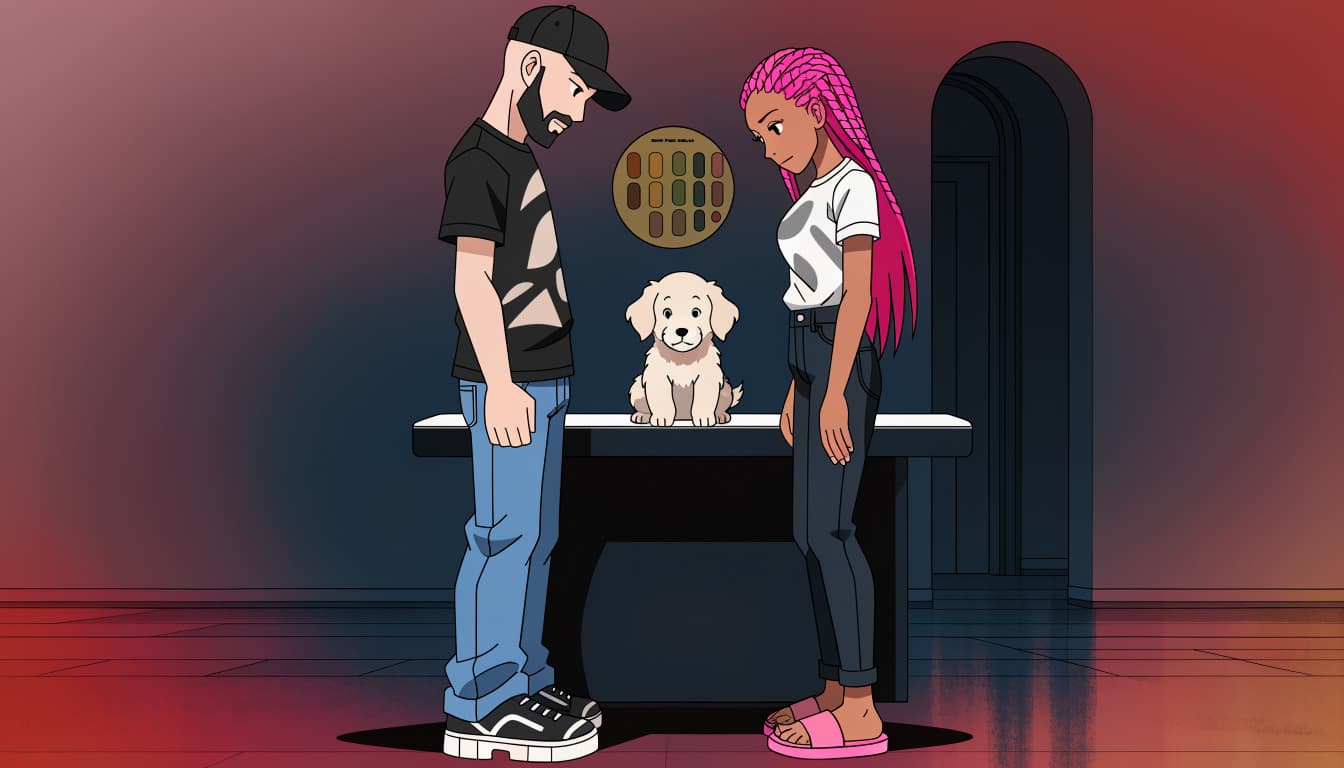
A soft stool is not always the same as diarrhea
A slightly soft but formed stool is different from loose, frequent, watery, or semi-liquid poop. Look at the whole pattern: one softer-than-usual stool is less concerning than repeated loose stools over several hours.
Your puppy's behavior belongs in that picture, too. A puppy who's eating, drinking, and acting normally is different from one who's tired, refusing food, or vomiting. Stool appearance can't tell you the cause by itself, so don't let a single reassuring-looking detail cancel out other warning signs.
Why there is no single normal timeline
Age, the reason for the change, and how quickly symptoms shift all affect what to do next. A very young puppy or one with vomiting, low energy, or reduced appetite may need veterinary advice right away. A healthy puppy with one mildly soft stool may be watched closely, provided no other symptoms appear.
Think of 24 hours as a call-the-vet threshold for diarrhea, not permission to wait if your puppy is getting worse. When your puppy's condition changes, the plan changes with it.
Why Your Puppy's Poop May Turn Soft
Soft stool can follow a sudden diet change, a rich treat, stress, scavenging, or an infection. Parasites are another possibility. Since several causes can look alike, stool alone won't identify which one is at work.
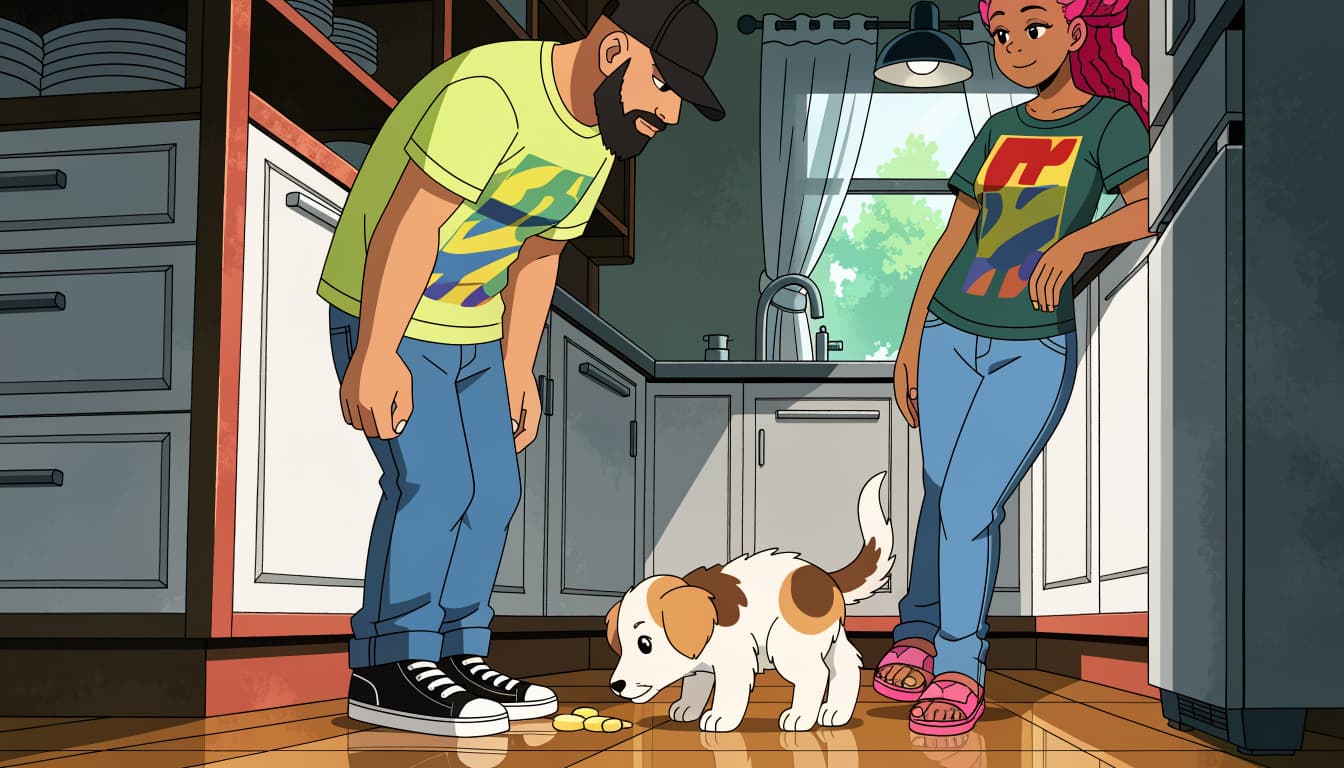
Food changes, new treats, and scavenged snacks
Switching food abruptly can upset a puppy's digestion. So can a new treat, food intolerance, garbage, or an unsuitable object your puppy found before you could stop the investigation. Even when the timing points to a snack or food change, you can't confirm the cause from timing alone.
Write down what your puppy ate and when the soft stool began. Include new treats, chews, table scraps, and anything your puppy may have picked up outside. If you suspect a toxic substance or a swallowed object, contact a veterinarian promptly rather than waiting to see what the next stool looks like.
Stress, parasites, and infections
A new home, adoption, travel, or a change in routine can be stressful and may affect digestion. That possibility doesn't rule out illness. Parasites, including worms, and bacterial or viral infections can also cause diarrhea, and a veterinarian may recommend testing to look for them.
Puppies who spend time around other dogs may encounter infectious diseases. The AVMA's guidance on disease risks in canine social settings lists vomiting, diarrhea, and lethargy among possible signs of illness. Don't assume stress explains the symptoms if your puppy's appetite, energy, or stool keeps getting worse.
What You Can Do While You Monitor Your Puppy
If your puppy is bright, eating, drinking, and not vomiting or passing blood, you can keep a close eye on changes while staying in touch with your veterinarian. Keep fresh water available and leave balanced puppy food at the center of meals. Ask the clinic before switching foods or trying a temporary diet.
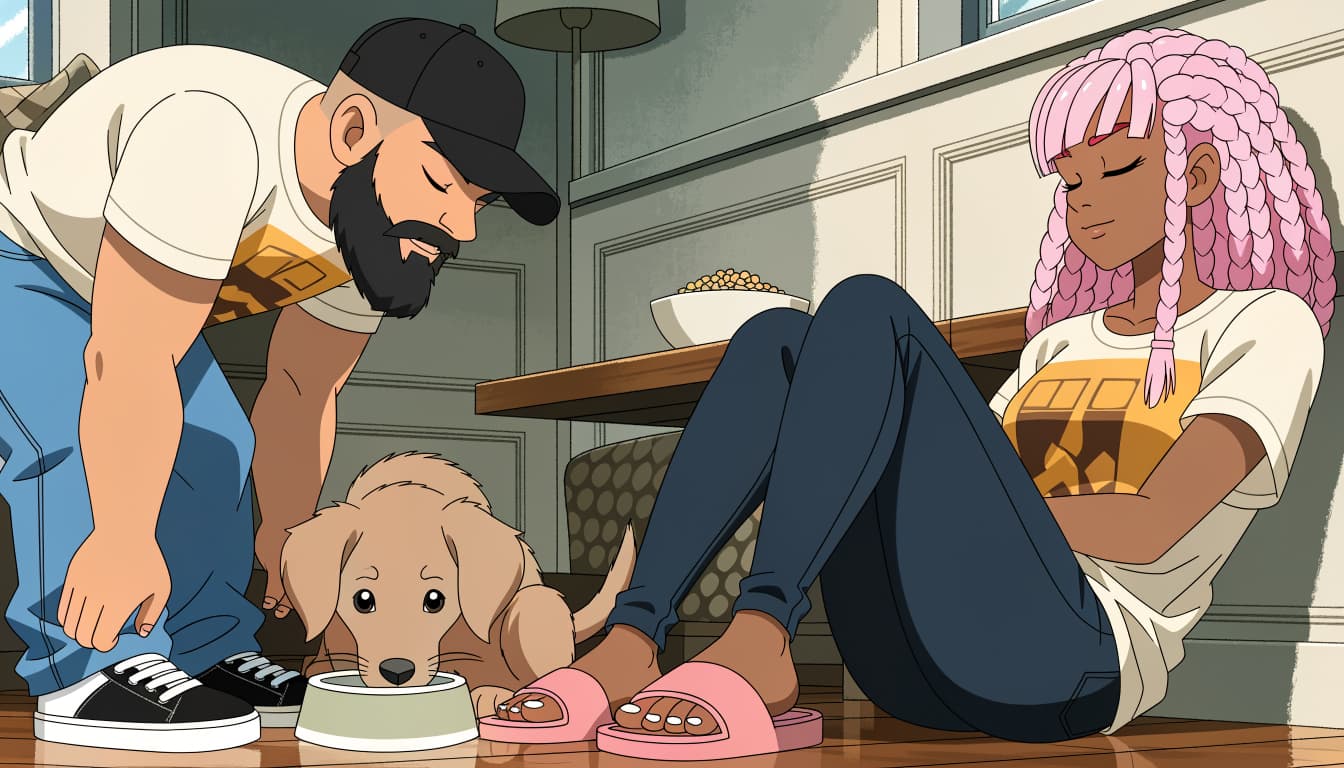
Track stools, appetite, water, and behavior
Make a short record of when your puppy poops, how often it happens, and whether the stool is formed, soft, loose, or watery. Note changes in food, treats, or routine, along with your puppy's appetite, drinking, and energy.
That log gives your veterinarian a clearer picture of whether symptoms are improving or stacking up. A photo can also help show how the stool has changed. Yes, your camera roll may now have a very specific genre. It's useful information, though, and your puppy won't be able to describe the symptoms for you.
Avoid fasting, human medicines, and guesswork
Don't fast a young puppy or give human anti-diarrhea medicine unless your veterinarian specifically directs you to. Products made for people can be unsafe for dogs or unsuitable for your puppy's situation. Home remedies and sudden food changes can add another variable when you're trying to understand what's happening.
Ask the veterinarian whether to adjust food and whether a stool sample would help. Keep your puppy's regular balanced food as the nutritional center unless the clinic recommends a temporary change. Fresh water should stay available while you monitor.
When Soft Puppy Poop Needs Veterinary Care
Call your veterinarian if diarrhea lasts more than 24 hours, keeps recurring, or comes with signs that your puppy isn't feeling well. A puppy's symptoms don't have to become dramatic before they deserve a call. Worsening symptoms mean earlier care, not waiting for the clock to run out.
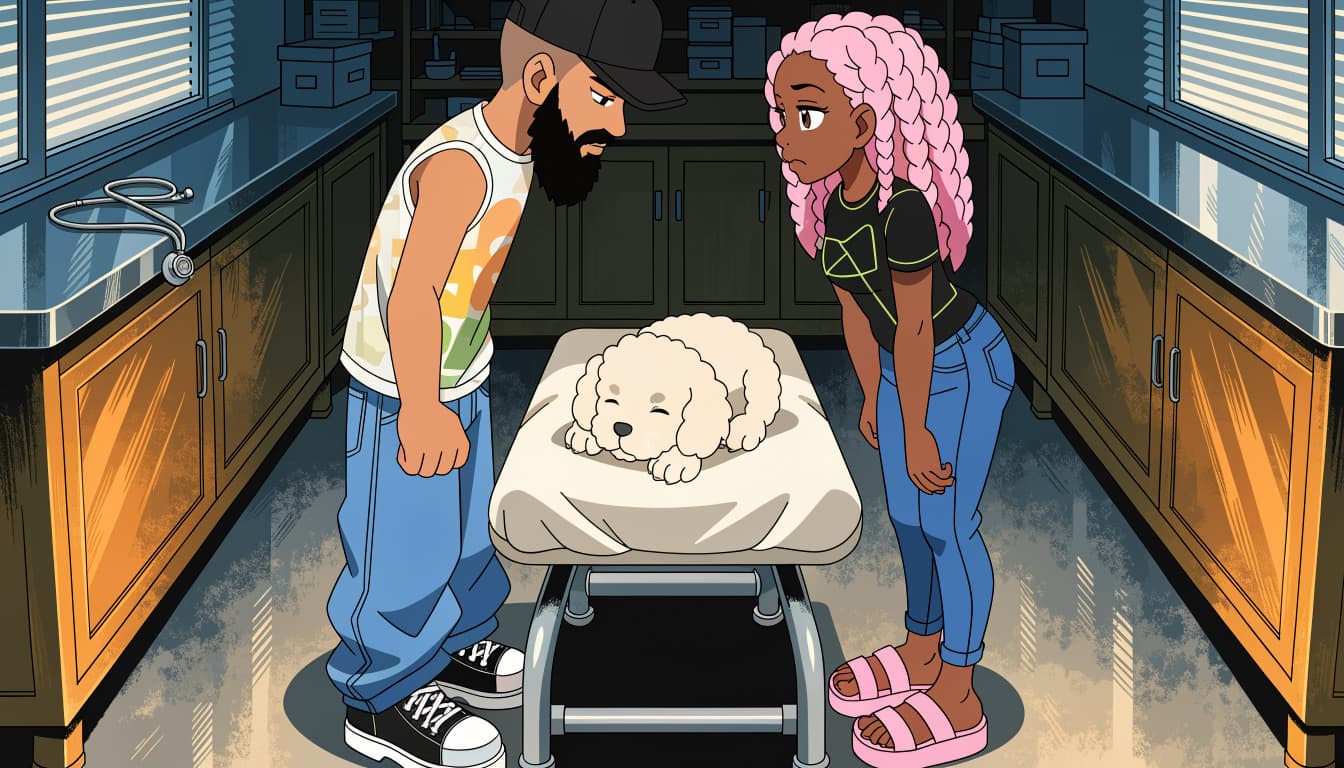
Call promptly for ongoing or worsening symptoms
Contact the clinic promptly if your puppy has repeated loose stools, reduced appetite, refuses food, vomits, seems weak or lethargic, or appears painful. Puppies can lose fluids quickly, especially when diarrhea and vomiting happen together. A puppy who seems less alert or is drinking less also deserves attention.
When you call, share your puppy's age, how long the symptoms have lasted, how often diarrhea occurs, and whether there's vomiting or blood. Mention recent food changes, possible scavenging, and vaccination status if you know it. That gives the veterinary team useful context for advising you on the next step.
Treat blood, black stool, or collapse as urgent
Seek veterinary guidance right away for bloody or black, tarry stool, repeated vomiting, inability to keep water down, severe pain, pale gums, collapse, or extreme weakness. Suspected toxin exposure or swallowing a foreign object also needs prompt attention. Don't wait for another bowel movement to decide whether these signs matter.
If you think your puppy could have parvovirus, call the clinic before arriving so the staff can advise you and limit exposure to other dogs. Diarrhea can occur with parvovirus, but stool alone can't confirm it. The AVMA's canine parvovirus FAQ lists appetite loss, vomiting, diarrhea, and dehydration among possible signs.
Streetwear & Casual Styling
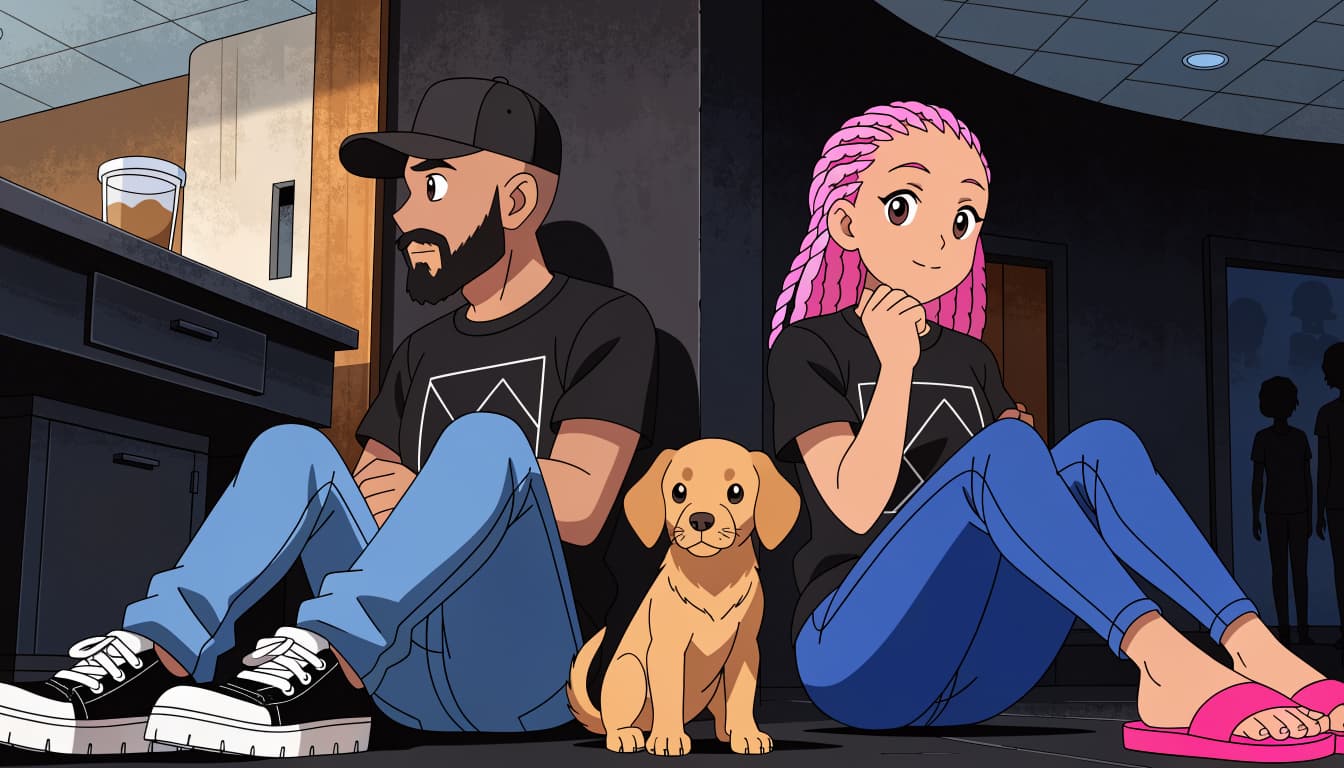
A puppy-care day calls for clothes you can move around in, not an outfit that needs its own recovery period. Pair a graphic tee with comfortable jeans and shoes you don't mind wearing on a quick trip to the clinic. Our Golden Retriever Luck Tee brings a dog-person graphic into the mix, while the Puppin Irish Luck Tee keeps the look playful.
Keep the practical stuff in reach: your phone, your notes about symptoms, and anything the clinic asked you to bring. The tee is for your personal style. Your veterinarian handles the medical plot.
Frequently Asked Questions
Can teething make your puppy's poop soft?
Teething itself isn't a reliable explanation for ongoing soft stool. Puppies may chew or swallow unsuitable things while their mouths are busy, and those objects can upset digestion. If soft stool persists or other symptoms appear, contact your veterinarian.
Should you take a stool sample to the vet?
A fresh sample may help the veterinarian check for parasites or other causes. Call the clinic first for instructions on collecting and storing it, since the preferred sample and handling can vary.
Could soft poop be a sign of parvovirus?
Diarrhea can occur with parvovirus, especially in an unvaccinated or not-fully-vaccinated puppy, but stool alone can't confirm infection. Call a veterinarian promptly if diarrhea comes with vomiting, low energy, poor appetite, or blood. Call ahead before arriving.
Can one soft stool be harmless if your puppy acts normal?
One mildly soft stool in a puppy who's eating, drinking, and behaving normally may be monitored closely. Watch for repeated stools or worsening signs, and contact the veterinarian if they appear. Call sooner if you're concerned about a very young puppy.
Keep an Eye on the Whole Puppy
One mildly soft stool may settle within a day or two, but there's no fixed timeline that makes ongoing diarrhea safe to ignore. Call your veterinarian if diarrhea continues past 24 hours, or sooner if your puppy seems unwell or symptoms worsen.
The stool matters, and so does the puppy attached to it. Trust changes in appetite, energy, drinking, and behavior. When those warning signs appear, early veterinary advice beats waiting for the next episode.