

How Much Does an RV Weigh? A Practical Guide
TrendReactTees.STORE TeamAn RV can weigh a few thousand pounds or more than 30,000, depending on its type, floor plan, equipment, and what you pack. Small travel trailers may be manageable for some trucks and SUVs, while large motorhomes carry a much bigger weight class.
If you're asking how much an RV weighs before buying or towing one, the advertised dry weight is only a starting point. For the campsite part of the trip, we also have graphic tees like Nature Is My Wifi and Go Outside. Lower Your Expectations..
Start with broad weight ranges, then compare the labels and ratings on your exact rig.
This post may contain affiliate links. If you make a purchase through these links, I may earn a small commission at no extra cost to you.
Key Takeaways
- Travel trailers often weigh about 3,000 to 8,000 pounds; fifth wheels and motorhomes can weigh far more.
- Dry weight and UVW describe unloaded conditions, not your fully packed travel setup.
- GVWR, payload, tow rating, hitch load, and GCWR are different limits.
- Weigh your RV as you travel, with people, gear, fluids, and hitch equipment aboard.
- Compare the exact RV and tow vehicle ratings, not just their advertised headline numbers.
How Much Does an RV Weigh? Typical Weights by Type
A useful planning range depends on the kind of RV. These are broad estimates, not official limits or exact averages. A particular model can land outside the range, especially when it has a larger floor plan or extra equipment.
| RV type | Broad planning range |
|---|---|
| Travel trailer | About 3,000 to 8,000 lb, with larger models heavier |
| Fifth wheel | About 10,000 to 16,000 lb or more |
| Class B motorhome | About 7,000 to 10,000 lb |
| Class C motorhome | About 10,000 to 15,000 lb |
| Class A motorhome | About 15,000 to 30,000 lb or more |
A third-party catalog of manufacturer specifications reports median dry weights of 5,854 pounds for travel trailers and 12,394 pounds for fifth wheels. Those medians depend on which floor plans the catalog includes, so they're context, not government or RVIA figures.
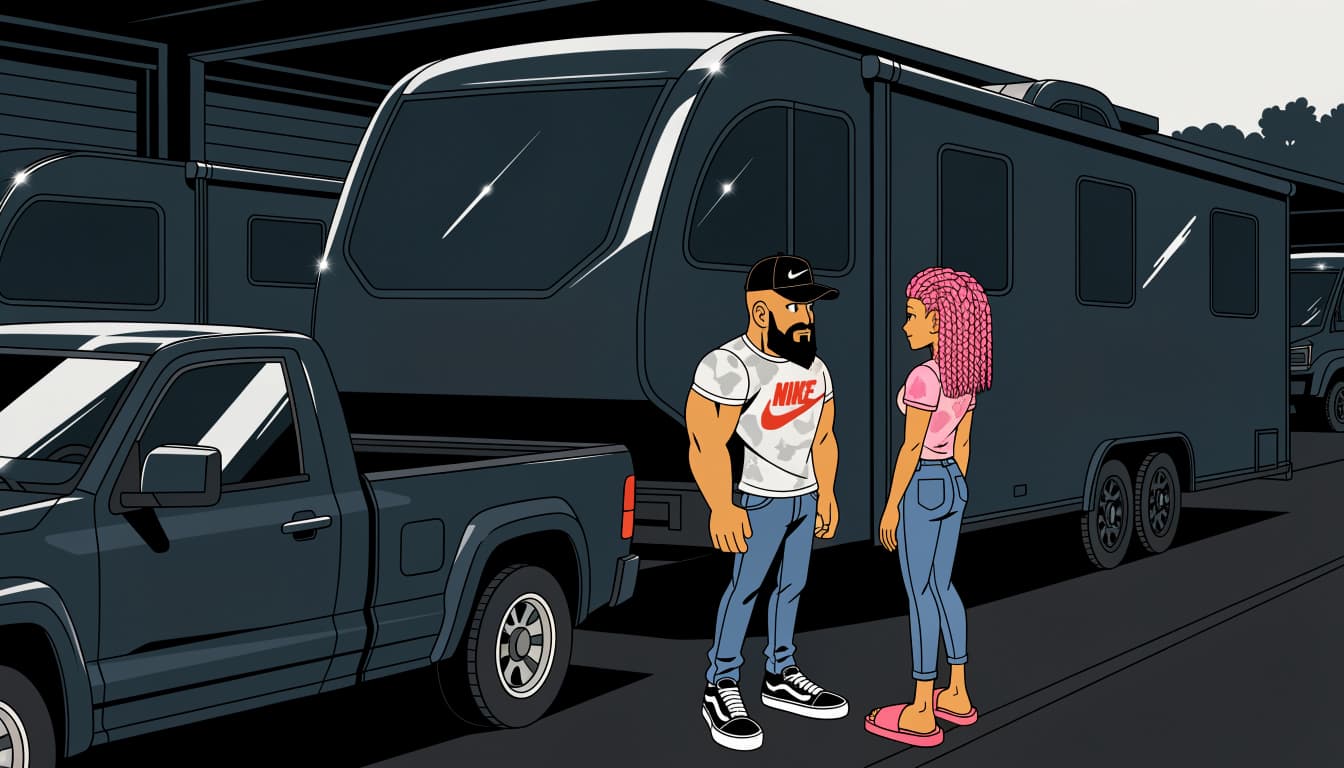
Travel trailers and fifth wheels have different weight profiles
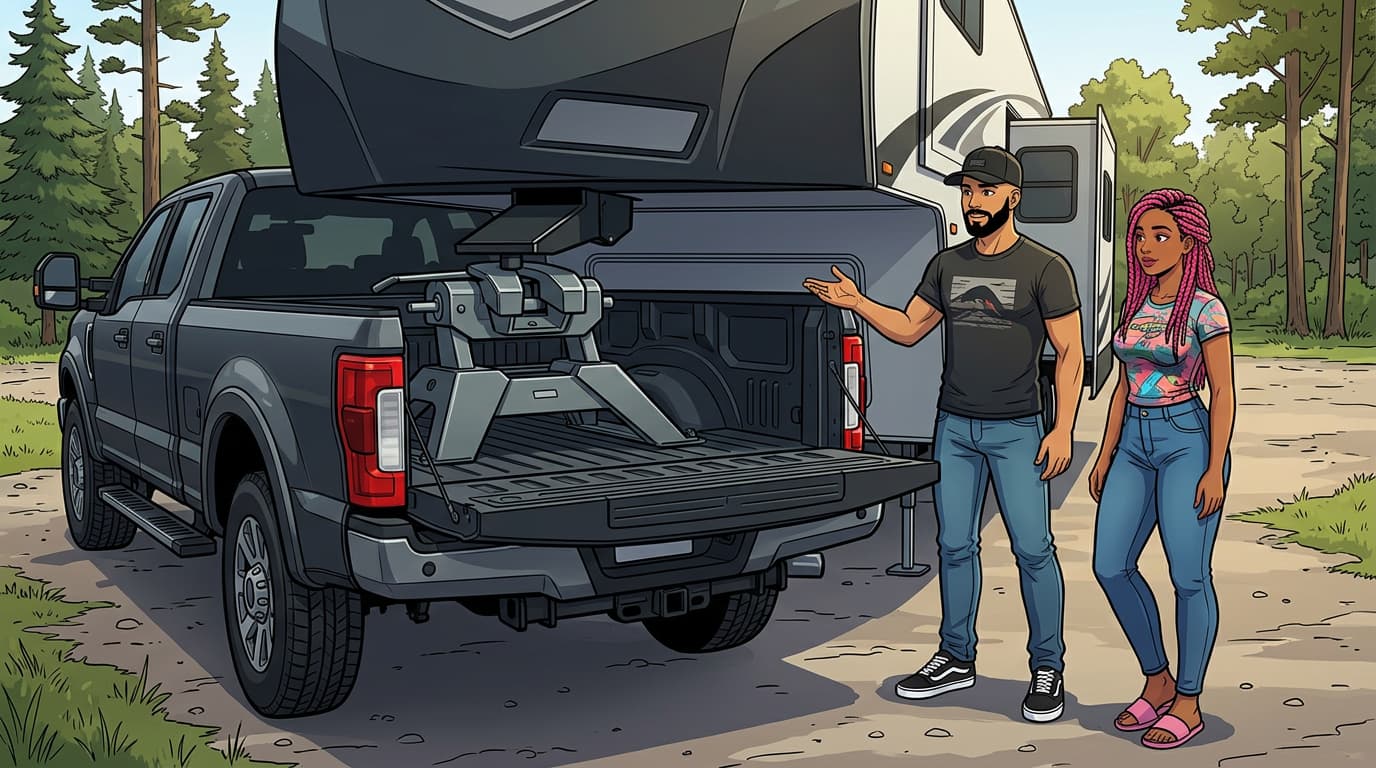
Fifth wheels are often larger and heavier than travel trailers, but the hitch setup also changes how you plan for weight. A travel trailer's tongue weight presses down on a hitch behind the truck. A fifth wheel's pin weight rests over the truck bed, and that load counts against the truck's payload.
Floor plan, length, construction, and installed options can all shift an RV's weight. Two trailers in the same product line can have different numbers, so a class-wide estimate won't settle the question.
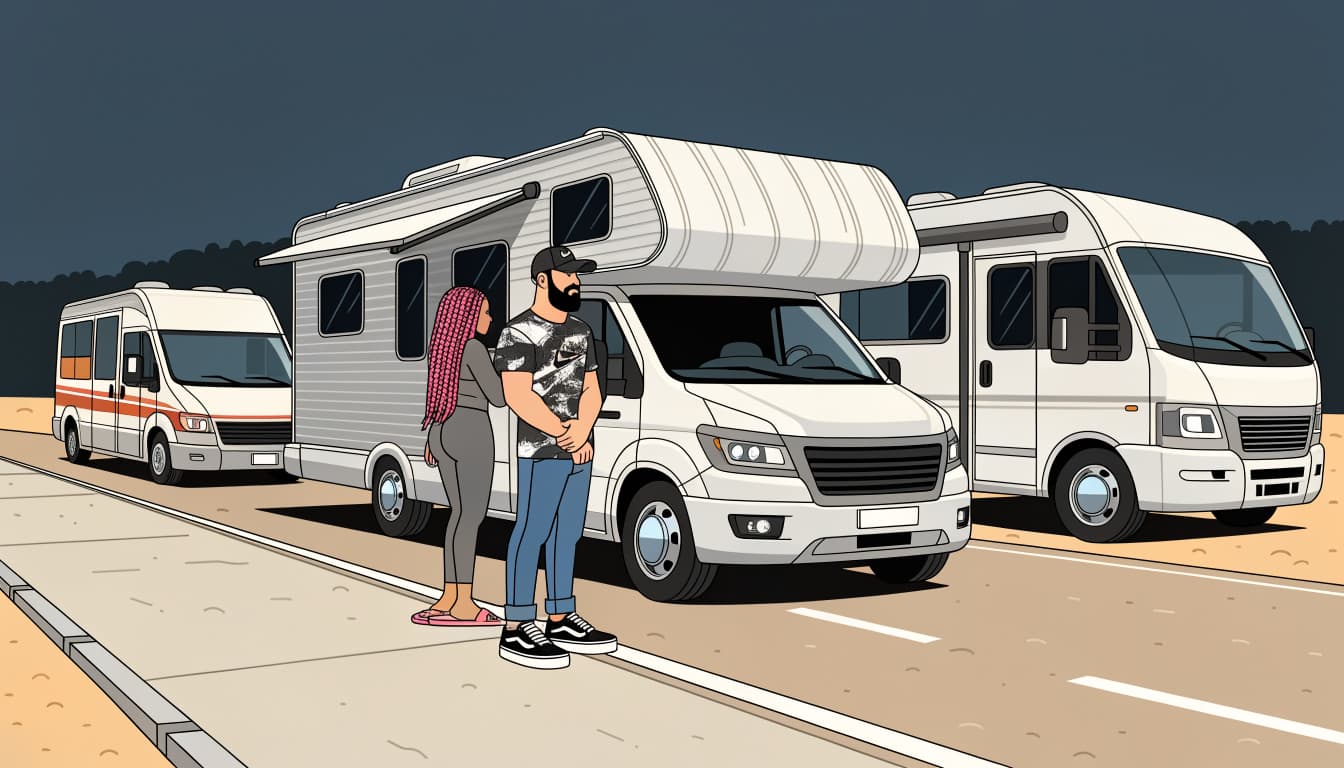
Class A, Class B, and Class C motorhome weight examples
Class B motorhomes are typically compact vans and often the lightest motorhome class. Class C models sit in a broad middle range, while Class A coaches can weigh substantially more. The exact model and its equipment matter more than the class label.
What RV Weight Ratings Mean Before You Compare Numbers
Weight labels don't all describe the same thing. An unloaded number can help you compare models, but it can't prove that your loaded RV or tow combination stays within its limits.
UVW, dry weight, GVWR, and cargo capacity
UVW, or unloaded vehicle weight, is the manufacturer's stated weight under its specified conditions. "Dry weight" is less consistent as a term, so check what the manufacturer includes. For example, Jayco says its UVW can include certain factory-installed options, while excluding cargo, fresh water, propane, occupants, and some other equipment.
GVWR is the maximum permitted loaded weight of the RV. Cargo carrying capacity is the remaining allowance for cargo, people, fluids, and equipment under the label's rules. Subtracting UVW from GVWR gives a rough estimate, but the RV's own label and manufacturer definition are the better guide.
Tow rating, payload, hitch weight, and GCWR
A tow vehicle's tow rating is not its payload. Payload must cover the people and cargo in the truck, hitch hardware, and the trailer's tongue or pin load. That hitch load can use up capacity even if the truck's headline tow rating looks generous.
GCWR, or gross combined weight rating, is the maximum permitted combined weight of the motorhome and anything it tows. NHTSA's towing guidance on loaded trailer weight stresses that a trailer's loaded weight matters when you select and assess a tow vehicle. One rating by itself doesn't confirm that a combination is within limits.
How to Find Your RV's Real Travel-Ready Weight
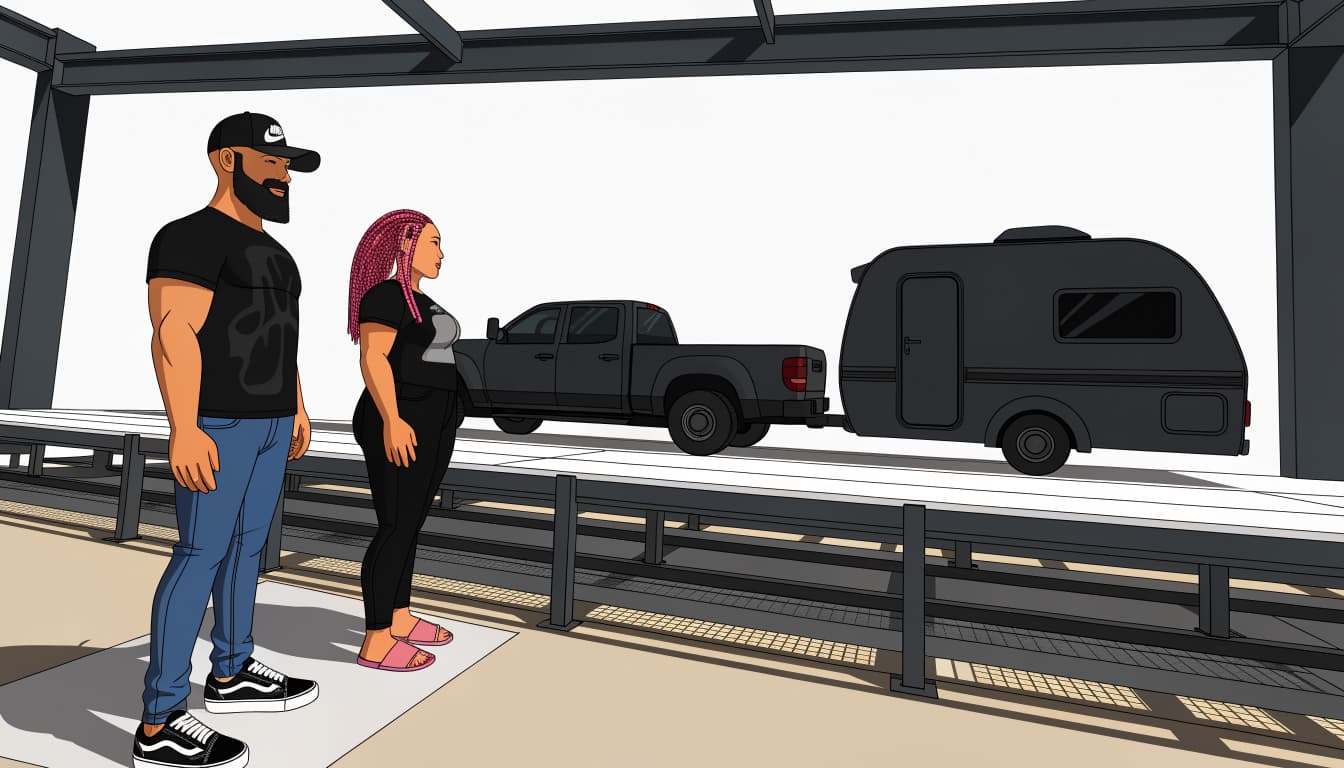
Labels and spec sheets are useful starting points. A public vehicle scale can show what your specific RV weighs with the gear and fluids you actually travel with. That measurement describes the rig as weighed; ratings such as GVWR remain fixed limits.
Check the labels and exact floor-plan specifications
Find the certification and weight labels, then compare them with the manufacturer's sheet for the exact model and floor plan. Record UVW or dry weight, GVWR, cargo capacity, axle ratings, and the published tongue or pin weight.
Pay attention to what the unloaded figure includes. Factory options and dealer-installed accessories may add weight beyond the number you saw in a brochure or listing. A specific unit's labels are more useful than a similar model's online estimate.
Weigh the RV with the gear you actually travel with
Weigh the RV in its normal travel setup. Include occupants, cargo, fuel, water, propane, accessories, hitch hardware, and anything else you'll bring along. When the scale allows, get axle and hitch-load measurements instead of relying only on one combined number.
A loaded reading should stay within every applicable limit, including vehicle, axle, tire, and hitch ratings. NHTSA's towing-safety material also advises keeping cargo properly loaded and distributed.
How to Match RV Weight to Your Tow Vehicle Safely
Treat the RV and tow vehicle as one combination with several separate limits to meet. For conservative shopping, compare the tow vehicle's ratings for its exact configuration with the RV's GVWR. Then account for the actual loaded weight and hitch load.
Use the truck's owner information, manufacturer towing guide, and vehicle labels for its specific year, engine, cab, drivetrain, axle ratio, and equipment. Two trucks with the same model name can have different capacities. A maximum tow rating advertised for one configuration doesn't automatically apply to another.
Check trailer weight and truck payload separately
For a travel trailer, compare the loaded trailer weight and its tongue weight with the truck's limits. For a fifth wheel, use its pin weight instead. In both cases, add passengers, cargo, and hitch hardware to the truck's payload calculation.
Check the hitch and axle limits too. NHTSA's guidance on loaded tongue weight explains why the trailer's tongue load and axle weight need to be considered together.
Avoid relying on dry weight or a headline tow rating
Cargo, fluids, and accessories add weight after manufacture. A tow rating above the trailer's unloaded weight doesn't prove the truck can handle the loaded trailer, its tongue or pin load, and the people and gear in the cab.
If the ratings don't line up clearly, resolve the mismatch before towing. Guessing from a product page is a bad plan when the whole setup has to handle a highway trip.

Streetwear & Casual Styling
A road trip fit doesn't need its own logistics spreadsheet. Build around a Cyber-Brutalist Anime Graphic Tee, add straight-leg jeans and comfortable shoes, and keep layers easy to grab when the temperature changes. The shirt brings the personality; the rest of the outfit can handle campground gravel and gas station snack quests.
For outdoorsy humor, check out Nature Is My Therapist or Nature Is My Only Group Chat. Both keep the campsite energy clear without making your whole outfit look like it came from the RV's storage bay.
Frequently Asked Questions
How much does a small travel trailer weigh?
Many small travel trailers weigh a few thousand pounds, with some models near the low end of the 3,000-pound range. Floor plan, construction, and options can change the figure, while your packed gear and fluids add more for the trip.
Does adding water make an RV much heavier?
Yes. Water weighs about 8.34 pounds per gallon, so a 40-gallon tank adds roughly 334 pounds when full. Count the water actually onboard as part of your travel-ready load.
Is an RV's dry weight the same as its actual weight?
No. Dry weight is an unloaded figure, and manufacturers may define what it includes differently. Actual travel weight includes the RV's current cargo, fluids, equipment, and other load.
Where can you weigh an RV?
A public vehicle scale is a practical option. Weigh the rig in its normal travel setup, with its usual cargo, fluids, occupants, and hitch equipment aboard.
Can your truck tow an RV if its tow rating is higher than the RV's dry weight?
That comparison alone isn't enough. You also need the loaded trailer weight, truck payload, tongue or pin load, and all applicable vehicle, axle, tire, and hitch ratings to stay within their limits.
Get the Weight Right Before You Tow
There isn't one RV weight. Vehicle type and size give you a rough starting point, but the exact model, equipment, and travel load determine what you're actually taking down the road.
Find the RV's labels and model-specific specifications, then weigh it in travel-ready condition. Compare that result and its hitch load against every relevant rating before towing.