

How Much Does a Trike Motorcycle Cost? A Complete Pricing Guide
Key Takeaways
A trike motorcycle can cost anywhere from a relatively modest conversion price to a premium touring-bike price. Your final number depends on whether you buy new or used, choose a factory-built model or conversion, and account for ownership costs.
- Conversion trikes can offer a lower entry point, but installation quality matters.
- Factory-built trikes generally cost more and may include integrated touring equipment.
- Used prices depend heavily on mileage, maintenance, age, and conversion history.
- Taxes, insurance, tires, fuel, financing, and storage can change the all-in budget.
- Comparing total ownership costs is more useful than comparing sticker prices alone.
Typical trike motorcycle price ranges
When you ask how much does a trike motorcycle cost, there is no single answer that fits every rider. A basic conversion, a used three-wheeler, and a new luxury touring trike occupy very different parts of the market. You should treat price ranges as planning tools rather than guaranteed quotes, since location, condition, equipment, and dealer fees can move the final figure.
Entry-level and conversion trikes
Entry-level trikes often begin with a used motorcycle and an aftermarket conversion. Depending on the donor bike, kit, labor, and condition, a finished example may cost roughly $10,000 to $25,000. A lower price can be appealing, but you need to inspect the chassis, suspension, braking system, alignment, and documentation carefully.
A conversion is not automatically a bargain. If the donor motorcycle needs tires, electrical work, suspension repairs, or cosmetic attention, the apparent savings can disappear quickly. Ask for an itemized quote that separates the motorcycle, conversion components, installation, and any corrective work.
Mid-range factory-built trikes
New factory-built trikes commonly sit in the broad range of $25,000 to $40,000, although specific models and equipment can push the figure higher. These motorcycles are designed as complete three-wheel vehicles rather than assembled from a separate donor motorcycle and kit.
You are usually paying for more than the extra wheel. Factory integration may include matched braking components, purpose-designed bodywork, touring storage, rider controls, and a warranty structure that is easier to understand. A local dealer listing for three-wheel touring models can help you see how equipment and model positioning affect advertised pricing.
Premium touring and luxury trikes
Premium touring trikes can exceed $40,000 and may move well beyond that level once you add upgraded finishes, audio equipment, luggage, comfort features, or dealer-installed accessories. These models are aimed at riders who expect long-distance comfort and want a finished, cohesive package.
At this end of the market, price reflects refinement as much as engine output. You may be paying for weather protection, passenger accommodations, suspension tuning, storage capacity, electronics, and a stronger resale market. A higher price still deserves scrutiny, especially if the motorcycle will be used mostly for short local rides.
What each price range usually includes
The useful question is not simply what a trike costs, but what arrives with the purchase. A low-priced conversion may include only the converted motorcycle, while a premium model may include equipment you would otherwise buy separately. The following guide gives you a practical starting point.
|
Approximate price range |
Typical purchase type |
What you may receive |
|---|---|---|
|
$10,000–$25,000 |
Used or entry-level conversion |
Donor motorcycle, conversion hardware, basic equipment |
|
$25,000–$40,000 |
Mid-range factory-built trike |
New vehicle, integrated design, standard warranty, touring features |
|
$40,000–$60,000+ |
Premium touring trike |
Larger engine, advanced comfort features, luggage, upgraded electronics |
These ranges are broad, so compare actual condition and equipment before drawing conclusions. Two trikes with similar prices can have very different maintenance needs or included accessories.
What determines the cost of a trike motorcycle
Several variables shape the price more strongly than the simple fact that a motorcycle has three wheels. Engine size, design, equipment, brand position, and resale expectations all matter. You can make a better comparison by separating the features you genuinely need from the ones that are merely attractive on a showroom floor.
Engine size and performance
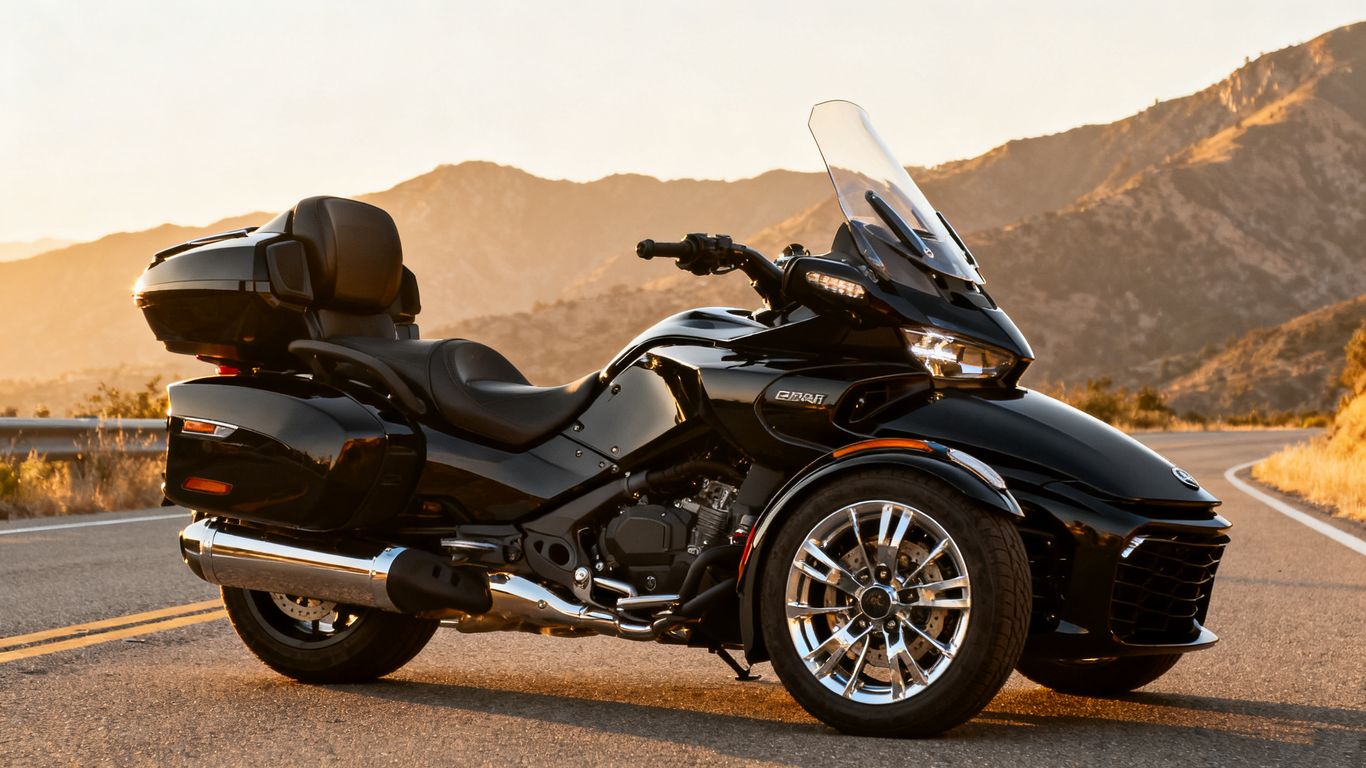
A larger engine often increases the purchase price, especially when it is paired with stronger brakes, upgraded suspension, a larger fuel system, or equipment intended for carrying two people. If you plan to ride on highways, climb steep grades, or travel with luggage, performance may be worth prioritizing.
For mostly urban riding, however, maximum displacement may not deliver much practical value. Consider the motorcycle's weight, turning behavior, seat height, power delivery, and ease of control. A smaller, well-maintained trike can be a better financial fit than a powerful model whose capabilities you rarely use.
Factory-built design versus a conversion
A factory-built trike is engineered and sold as one vehicle, while a conversion begins with a two-wheel motorcycle that is modified. That distinction affects the price, inspection process, warranty questions, and the way the motorcycle may feel on the road.
Conversions can give you more choice over the donor motorcycle and equipment. They can also create more variables: kit compatibility, installer experience, replacement parts, and the condition of the original bike. Read the paperwork closely and confirm which components are covered by which warranty.
Features, technology, and touring equipment
Touring equipment can add thousands of dollars to a trike's price. Saddlebags, trunk capacity, passenger backrests, windscreens, heated controls, infotainment, upgraded seats, and comfort-oriented suspension are all useful when they match your riding habits.
Make a list before you shop. If you routinely ride with a passenger, luggage and passenger comfort may deserve priority. If you ride alone for short distances, paying for every touring upgrade may offer little return. Your riding pattern matters most when deciding whether an expensive feature is sensible.
Brand reputation and resale value
A recognized manufacturer, strong dealer network, and readily available parts can support resale value, but they do not eliminate depreciation. Condition, service records, accident history, and demand in your area still influence what a buyer will pay later.
You should also distinguish reputation from assumption. A familiar badge may raise the initial price, while a less expensive model may offer good value if it has clear maintenance records and a healthy parts supply. Look at completed sales and local listings rather than relying only on an advertised asking price.
New versus used trike motorcycle prices
Buying new gives you predictable condition and a clearer starting point, but used trikes can reduce the initial outlay substantially. The right choice depends on how much mechanical uncertainty you can tolerate and whether you want the newest equipment. A careful inspection is essential either way.
Advantages of buying new
A new trike typically offers the latest design, no previous owner's maintenance habits, and a manufacturer-backed warranty. You can often choose colors, accessories, and financing terms at the time of purchase. The tradeoff is that the first owner usually absorbs the steepest depreciation.
New also makes budgeting simpler. You know the motorcycle's mileage, service history, and build configuration from the beginning. A current model-year overview can provide useful context when comparing comfort and handling claims, such as this information on 2026 trike motorcycles, though you should still request a written local quote.
Potential savings with a used trike
A used trike may cost considerably less than a comparable new example, particularly after the first owner has absorbed depreciation. You may also find accessories already installed, including luggage, upgraded seats, protective equipment, or touring electronics.
The savings are meaningful only if the motorcycle is mechanically sound. Build a repair reserve into your budget rather than spending every available dollar on the purchase. A lower sale price followed by immediate suspension or brake work can cost more than a better-maintained trike bought for somewhat more.
Mileage, age, and maintenance history
Mileage is useful, but it should not be treated as a complete measure of value. A high-mileage trike with regular fluid changes, documented inspections, and careful storage may be a safer purchase than a low-mileage motorcycle that sat unused for years.
Ask for service invoices, title information, recall completion, conversion documentation, and records for tires and brake work. Pay attention to how often the trike was ridden, whether it was exposed to weather, and whether modifications were performed by a qualified shop.
Warning signs during a used-trike inspection
A test ride and close inspection can reveal problems that photographs hide. You should look for uneven tire wear, fluid leaks, unusual vibration, loose steering components, corrosion, damaged wiring, and inconsistent braking. Listen for noises that change with speed or when the suspension loads and unloads.
A professional inspection is money well spent if you are not comfortable evaluating the conversion or drivetrain yourself. Walk away if the seller cannot explain the ownership history, refuses an inspection, or pressures you to make a deposit before you see the documents.
Additional costs beyond the purchase price
The sticker price is only the first line in your trike budget. Taxes, registration, insurance, financing, fuel, tires, maintenance, storage, and riding equipment all affect what ownership feels like month to month. Estimating these items before you shop helps prevent an appealing motorcycle from becoming an uncomfortable financial commitment.
Sales tax, registration, and dealer fees
Sales tax and registration vary by state and local jurisdiction, so ask your dealer or motor vehicle office for a precise estimate. Dealer documentation fees, destination charges, setup charges, and accessory installation can also appear separately from the advertised price.
Request an out-the-door worksheet. It should show the motorcycle price, trade-in credit if applicable, taxes, registration, title charges, documentation fees, accessories, and financing-related costs. That document gives you a much more useful comparison than two advertised prices viewed side by side.
Insurance and financing expenses
Insurance premiums depend on the trike, your riding history, location, coverage limits, storage arrangements, and deductible. Obtain a quote before buying, especially if you are moving from a standard motorcycle to a larger touring model.
Financing can make a high purchase price feel manageable while increasing the total cost over time. Compare the annual percentage rate, loan term, required insurance, down payment, and total repayment amount. A shorter loan may have higher monthly payments but reduce the interest you pay.
Fuel, tires, and routine maintenance
A trike may use more fuel and tires than a comparable two-wheel motorcycle because of its weight and additional rolling hardware. Tire replacement intervals depend on the model, load, alignment, riding style, and road conditions. Conversion-specific parts may also have different prices or availability.
Plan for oil and filter service, brake inspections, battery replacement, fluid changes, alignment checks, and periodic suspension work. Keeping a maintenance reserve each month is easier than treating every repair as an emergency.
Storage, accessories, and riding gear
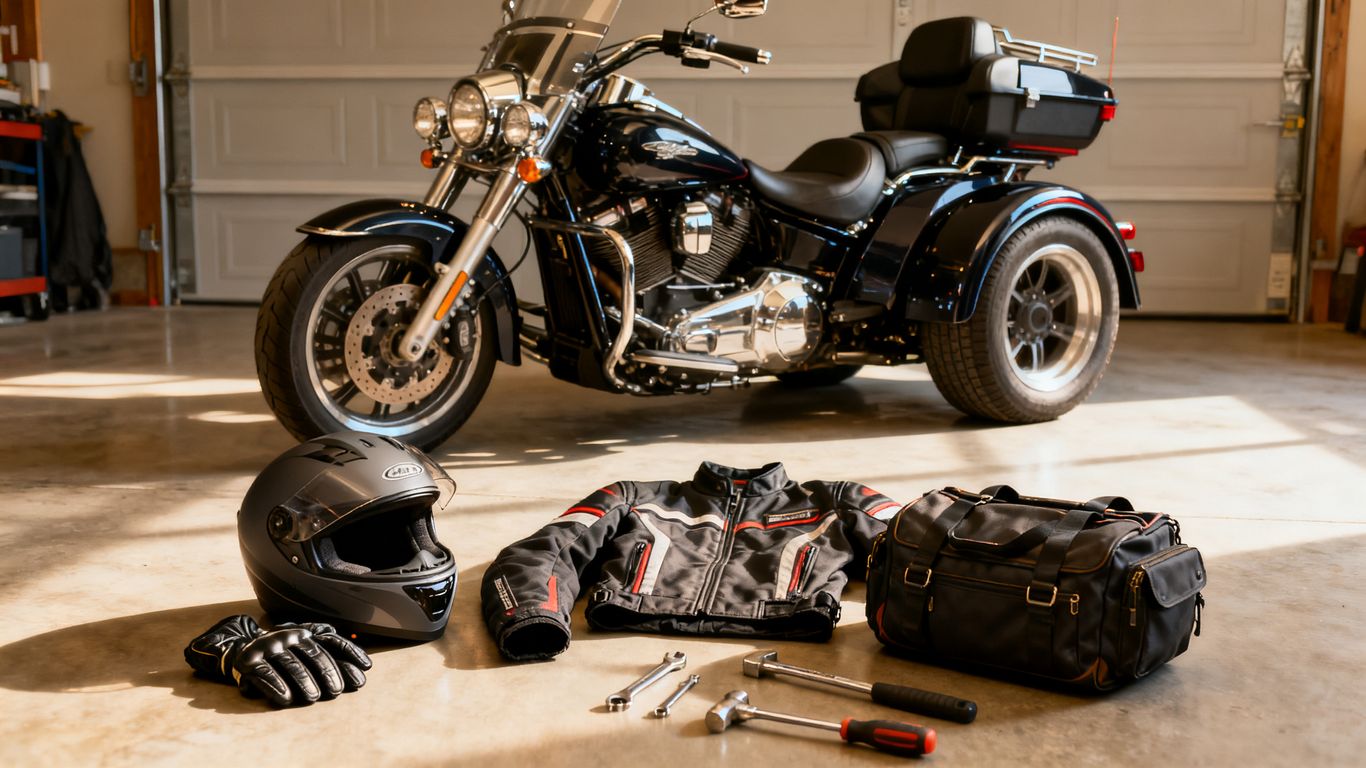
You may need a covered parking space, a weatherproof cover, security equipment, or a trailer if your home cannot accommodate the trike. Add the cost of a properly fitted helmet, protective clothing, gloves, boots, rain gear, and passenger equipment.
Accessories can be purchased gradually, but some are difficult to postpone. If you intend to tour, luggage and communication equipment may be central to the experience. Include them in your initial comparison so a supposedly inexpensive trike is not later surpassed by a better-equipped alternative.
How trike motorcycle conversions affect pricing
Conversions can broaden your choices, but they also make the pricing process more involved. You are evaluating two related purchases: the donor motorcycle and the system that changes its configuration. The quality of the finished result depends on compatibility, components, installation, setup, and ongoing support.
Common donor motorcycles for conversions
Common donor motorcycles tend to have reliable drivetrains, strong aftermarket support, comfortable ergonomics, and frames that accommodate a suitable conversion system. The best candidate depends on the kit, intended load, engine condition, and the installer who will do the work.
Do not choose a donor motorcycle only because its purchase price is low. A tired engine, worn transmission, damaged frame, or neglected electrical system can make the conversion uneconomical. A healthy motorcycle with complete records is usually the better starting point.
Conversion kit and installation costs
The conversion budget may include the kit, wheels and tires, axle or differential components, suspension parts, braking changes, bodywork, paint, alignment, and labor. Prices vary widely according to the design and the amount of customization involved.
Ask whether the quote includes shipping, taxes, fabrication, wiring, final setup, and a road test. Get clarification on replacement parts and service intervals too. A low initial quote can become less attractive if essential work is excluded from the written estimate.
Professional installation versus do-it-yourself work
Professional installation generally costs more upfront, but it may provide documented workmanship, setup expertise, and a clearer path for future service. A do-it-yourself conversion can reduce labor costs if you have the tools, skills, workspace, and time to complete the work correctly.
This is not a good project for guessing. Steering geometry, braking performance, axle alignment, fastener torque, and load distribution all affect safety and handling. If you are uncertain about any of those systems, use a qualified installer and retain every invoice and specification sheet.
Differences in handling, warranty, and resale value
A converted trike may handle differently from both the original motorcycle and a factory-built model. Steering effort, turning technique, cornering behavior, braking feel, and width all deserve a careful test ride in a safe area before you commit.
Warranty coverage can be divided among the donor motorcycle, conversion manufacturer, and installer. Resale value may also depend on how recognizable the kit is and whether the work is documented. Keep the original manual, conversion instructions, parts list, receipts, and inspection records together for the next owner.
How to choose a trike that fits your budget
A good purchase starts with a complete budget rather than a favorite model. You should decide what you can spend, identify the kind of riding you will do, and compare several examples with similar equipment. This approach keeps the decision practical without making it purely about finding the lowest price.
Setting a realistic all-in budget
Begin with the maximum amount you can spend without draining your emergency savings. Then add estimated taxes, registration, insurance, gear, immediate maintenance, and a repair reserve. If financing, calculate the total repayment rather than focusing only on the monthly figure.
A simple budget can include four buckets: purchase costs, required setup, recurring ownership, and contingency. Writing those numbers down often reveals that a slightly more expensive but better-maintained trike is the safer financial choice.
Comparing models and dealer quotes
Request written, itemized quotes from several sellers. Compare the same details each time: model year, mileage, included accessories, warranty coverage, dealer fees, delivery charges, and out-the-door total. If you are considering used inventory, compare condition and service records rather than just model names.
You can also use a broader used trike inventory as a reminder that availability and pricing vary by region. The listing price is only a starting point, so verify title status, inspection options, and final charges before treating it as a real offer.
Estimating long-term ownership costs
Estimate annual mileage, fuel use, insurance, scheduled service, tires, storage, registration, and likely repairs. If you will ride with a passenger or carry luggage, use realistic load assumptions when comparing fuel and tire costs.
For a compact comparison, consider these questions before signing anything:
-
How much cash will you need on the purchase date?
-
What will insurance and registration add each year?
-
Which tires, fluids, and service items are due soon?
-
Can you cover an unexpected repair without new debt?
These answers give you a more honest picture than the monthly payment alone. They also help you compare a new trike with an older conversion on equal terms.
Deciding when a premium model is worth it
A premium model can make sense when you ride frequently, travel long distances, carry a passenger, value integrated comfort equipment, or plan to keep the trike for many years. It may also be worthwhile when a stronger dealer network and clearer warranty support reduce your concern about service.
That does not mean the most expensive option is automatically best. For perspective, even a separate purchase such as cyber graphic apparel guidance is easier to evaluate when you distinguish the features you genuinely value from the ones that simply raise the price. Apply the same discipline here: pay more for useful capability, fit, condition, and support—not for a specification you will never use.
A practical budget may also leave room for personal style purchases. TrendReactTees.STORE offers cyber-brutalist and anime-inspired T-shirts, while its graphic tee quality guide discusses fabric, print durability, and fit. Those are documented apparel considerations, not motorcycle features, but the broader lesson is similar: judge lasting value rather than the initial visual appeal.
TrendReactTees.STORE also provides free worldwide shipping and a 30-day “keep it” guarantee on its T-shirts. That policy belongs to apparel shopping, not trike ownership, so keep the two budgets separate when planning your purchase.
Conclusion
The answer to how much does a trike motorcycle cost depends on the vehicle's design, condition, equipment, and the expenses that follow the sale. Start with an all-in budget, compare factory-built and converted examples carefully, inspect used motorcycles professionally when needed, and choose features that match the way you actually ride.
Frequently Asked Questions
What is the cheapest way to buy a trike motorcycle?
A used conversion is often the lowest-cost route, but the final value depends on the donor motorcycle, kit, installation quality, and maintenance history. A professional inspection can prevent a low purchase price from becoming an expensive repair project.
Are trike motorcycles more expensive than two-wheel motorcycles?
They can be, particularly when they include additional chassis hardware, bodywork, touring equipment, and specialized tires. The comparison depends on whether you are comparing similar engine sizes, equipment levels, ages, and conditions.
How much does a new trike motorcycle usually cost?
Many new factory-built trikes fall broadly between $25,000 and $40,000, while premium touring models can cost more than $40,000. Local taxes, dealer fees, accessories, and model availability affect the final out-the-door price.
Is buying a used trike motorcycle risky?
It can be risky if the motorcycle has unclear records, poor conversion workmanship, accident damage, uneven tire wear, or neglected maintenance. A documented service history and independent inspection reduce the uncertainty.
Do trike conversions hold their value?
Resale value varies with the donor motorcycle, conversion brand, installation quality, documentation, condition, and local demand. Recognizable components and complete records can make a converted trike easier to evaluate for a future buyer.
What extra costs should I budget for?
Plan for taxes, registration, dealer fees, insurance, financing interest, fuel, tires, maintenance, storage, accessories, protective gear, and unexpected repairs. These costs can materially change the amount you spend during the first year.
Should you buy a factory-built trike or a conversion?
Choose a factory-built model if you value an integrated design, straightforward documentation, and a unified warranty structure. Choose a conversion if you want a particular donor motorcycle or a potentially lower entry price and are prepared to verify the kit and installation carefully.