

How Much Is a Divorce in California?
TrendReactTees.STORE TeamA California divorce can cost a few hundred dollars if you handle the paperwork yourself and agree on the terms. It can cost much more if you hire lawyers or have a contested case. The court filing fee is only one part of the bill, and your county, finances, and level of disagreement all matter.
This post may contain affiliate links. If you make a purchase through these links, I may earn a small commission at no extra cost to you.
If you're also looking for an off-duty reset between paperwork sessions, our Be Kind To Your Mind Tee and Level Up Mind Tee keep the message personal. First, let's get into the numbers that matter for your divorce.
Key Takeaways
- California Courts estimates a divorce filing fee of $435 to $450. A responding spouse usually pays a similar fee.
- Filing fees aren't the entire bill. Service, legal help, mediation, and other expenses depend on your case.
- A fee waiver may cover court fees if you meet an eligibility test.
- Agreement can reduce the work involved, but you still need to complete the required court steps.
- Free court self-help services can explain forms, while a lawyer can advise you about your rights.
How much is a divorce in California? Start with the court fees
California Courts lists an estimated $435 to $450 filing fee to start a divorce. Your responding spouse usually pays a similar amount to file a response. The exact amount depends on the county court, and either spouse may qualify for a fee waiver.
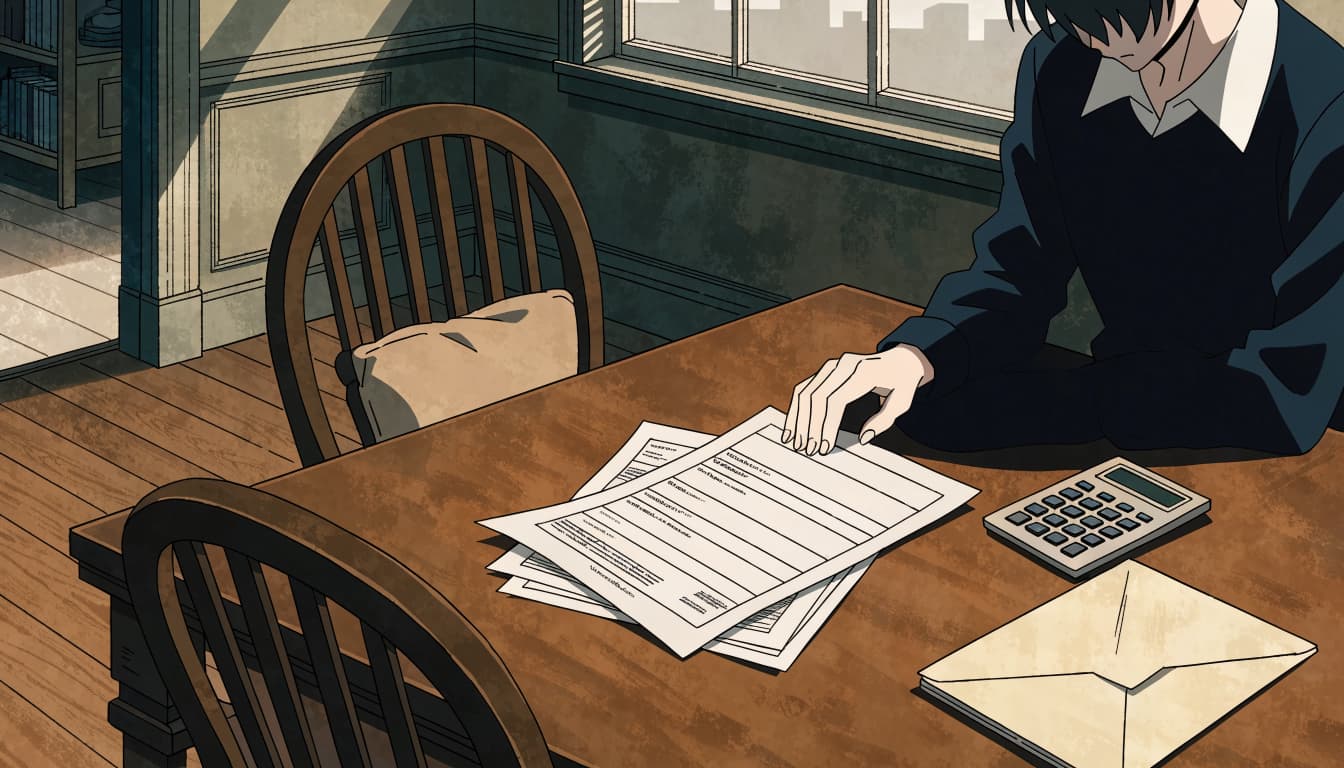
The fee to start your case
The person who starts the case generally pays the initial filing fee when submitting the petition. California Courts includes the estimate with its divorce forms and filing guidance.
This charge gets your case filed with the court. It doesn't include a lawyer, private mediation, or every expense you might face as the case moves forward. Think of it as the opening screen, not the final bill.
Your county's superior court fee schedule gives you the amount for your filing. If you're budgeting before you start, leave room for smaller expenses such as copies and postage as well.
What a responding spouse may pay
If your spouse files a response, that filing usually costs another $435 to $450. For two people who each pay a fee in that range, the combined filing charges would be $870 to $900.
That comparison assumes both fees apply and neither person receives a waiver. Your situation may follow a different path, so don't treat the combined figure as a required price for every couple.
A court fee waiver can cover an eligible person's filing or response fee. The video below walks through the waiver request form.
What adds to the total cost of your California divorce?
Some costs are easy to anticipate. Others depend on how much help you need and what happens in your case. The filing fee may be the first number you see, but it's rarely the only line worth planning for.

Paperwork, service, and court requests
You may need to pay for copies, postage, or delivery of documents. If you file by mail, for example, you'll need to account for mailing your papers and receiving copies back.
The person who starts the case can't personally serve the divorce papers on their spouse. Another adult must do it. A willing adult may help, or you may choose a paid process server.
Additional court requests can also have fees. For example, California Courts says a request asking a judge to order your spouse to contribute toward attorney fees generally costs $60, unless you have a fee waiver. That request is separate from the initial filing.
Lawyers, mediation, and case-specific help
Attorney costs depend on the work involved and the arrangement you make. You might hire a lawyer for the whole case or seek help with a particular issue. Ask how the billing arrangement works and what the quoted services include.
Private mediation can add another expense, though it may help you and your spouse work through disagreements. Some cases also need financial experts or property valuations, especially when the assets are difficult to divide.
Don't overlook the cost of unresolved questions. A retirement account, business, or shared debt can affect your finances long after the paperwork is filed. Legal advice may be worth considering even when you want to keep your overall bill low.
How your divorce choices change the final bill
Two couples can face similar filing fees and end up with very different total costs. The difference often comes down to how much they agree on, how much assistance they choose, and whether the court must resolve disputes.

Agreement can keep the process simpler
If you and your spouse agree on the required terms, you may be able to handle more of the process yourselves. Your expenses could stay close to the applicable court fees plus smaller paperwork and service costs.
Agreement doesn't remove the need for accurate financial disclosures or a properly prepared judgment. A friendly conversation is useful, but the court needs the required paperwork before it can finalize your divorce.
California also offers a joint petition divorce option for spouses who agree to start the case together. Your circumstances determine which process fits. Either way, agreement on starting the case doesn't automatically settle every financial question.
Disputes can require more time and help
When you disagree about property, support, or parenting arrangements, resolving those issues can take more work. Lawyer time, mediation sessions, court requests, and expert assistance may all affect your bill.
A contested case doesn't guarantee that every issue will go to trial. You might settle some questions and ask the court to decide others. The amount you spend depends on the work your case requires.
If communication feels unsafe or one spouse controls access to money, don't assume that negotiating alone is the cheapest answer in the long run. Legal help can clarify your options and help you protect your interests.
Ways to keep divorce costs manageable without missing key steps
You have options for controlling expenses without treating important rights like optional side content. Start with the fees you can identify, then decide where outside help would make the biggest difference.

Ask about a court fee waiver
You may qualify if you receive a listed public benefit, your household income is below the applicable limit, or you can't pay court fees while meeting basic needs. Examples of qualifying benefits include CalFresh and Supplemental Security Income.
California Courts explains how to request a fee waiver. The process uses forms FW-001 and FW-003. You can request a waiver with your petition or response, or later if your finances change.
A waiver can cover eligible court charges, including filing fees and certain service fees. It doesn't pay your private lawyer or mediator.
Prepare before you pay for help
Gather account statements, debt information, income records, and other documents relevant to your case. Organized records can make a consultation more useful and help you identify questions before you're paying for someone else's time.
Your court's self-help center offers free assistance to people without their own lawyer, regardless of income. Staff can explain forms and procedures, though they can't give you legal advice or represent you in court.
If you need advice about a particular asset or agreement, ask a lawyer about help with that issue. A focused conversation can give you a clearer picture of what needs attention.
Streetwear & Casual Styling
When the paperwork is put away, your downtime outfit can be as uncomplicated as you want. Our Reading Total System Crash Tee pairs with dark jeans and sneakers for a low-effort Cyber-Brutalist Anime Graphic Tee look.

For a friend hangout, try our Best Friend Share Single Brain Cell Tee with relaxed-fit pants and a layer. Let the graphic do the talking while you take a break from forms.
Frequently Asked Questions
How long does a California divorce take?
A California divorce can't become final until at least six months after the case begins. Your case can take longer if you need more time to complete paperwork, reach an agreement, or resolve disputes. Paying the filing fee doesn't shorten the waiting period.
Can you get divorced without hiring a lawyer?
Yes. You can represent yourself, and your local court's self-help center can provide free information about forms and procedures. If you're unsure how an agreement affects your property, debt, or support, you can seek legal advice before signing it.
Does a fee waiver cover everything you spend on divorce?
No. A waiver applies to eligible court fees, not private attorney fees or private mediation. The court's order identifies the covered charges, so keep a copy with your case paperwork. Your other divorce expenses remain separate from that order.
Can your spouse be ordered to help pay your attorney fees?
You can ask a judge to order your spouse to contribute toward attorney fees. The judge decides whether to make an order based on the circumstances. Filing the request generally costs $60 unless a fee waiver applies.
What if you and your spouse agree to divorce?
Agreement can give you more options for handling the case, including California's joint petition process. You'll still need to address the required terms and complete the court paperwork before the divorce is final. A signed agreement alone doesn't end the marriage.
Your next step
Your California divorce cost depends on the court fees, the help you choose, and the issues you and your spouse need to resolve. The filing fee gives you a starting point, not a complete price tag.
Start with your county superior court's fee schedule. Then consider whether you qualify for a fee waiver and what level of legal help fits your situation. A clear plan for those choices can make the next step feel more manageable.