

How to Treat Cherry Eye in French Bulldogs
TrendReactTees.STORE TeamFor your Frenchie fan wardrobe, our My Therapist Is A Dog Tee and Best Dog Mom Tee bring the dog-parent energy.
If you spot a pink or red lump at your French Bulldog's inner eye corner, contact your veterinarian promptly. Cherry eye is common in the breed, but a vet needs to confirm what's causing the swelling. When the tear gland stays out or prolapses again, surgery that returns it to position and preserves it is often the lasting treatment.
While you arrange an exam, prevent rubbing and skip home remedies or unprescribed eye drops. The right treatment depends on what the vet finds, and a temporary change in the lump doesn't mean the problem is fixed.
This post may contain affiliate links. If you make a purchase through these links, I may earn a small commission at no extra cost to you.
Key Takeaways
- Cherry eye is a prolapsed tear gland, but other eye problems can look similar.
- Arrange a veterinary exam promptly, especially if your dog rubs the eye or seems uncomfortable.
- Persistent or recurring prolapse is commonly treated with gland-preserving surgery.
- Don't push the gland back or use eye medication unless your veterinarian directs you.
- Follow-up tear testing matters because dry eye can still develop after repair.
How to Treat Cherry Eye in French Bulldogs: Start With a Vet Exam
If you're wondering how to treat cherry eye in French Bulldogs, start by arranging a veterinary exam. The condition involves the gland attached to the third eyelid, a structure that helps produce tears. Your vet can confirm whether that gland has prolapsed and whether another issue needs treatment. The American College of Veterinary Ophthalmologists' guidance on cherry eye recommends veterinary assessment, since prolonged exposure can irritate and inflame the gland.
Cherry eye alone isn't always an emergency, but call promptly if the eye looks painful, your dog keeps rubbing it, or the appearance changes suddenly. French Bulldogs are predisposed to the condition, so a new lump deserves attention even if your dog seems otherwise fine.
Recognize the Pink or Red Lump and Other Warning Signs
The usual sign is a smooth, rounded pink or red lump at the inner corner of the eye, close to the nose. You may also notice swelling, irritation, discharge, or pawing at the face. Rubbing can injure the exposed tissue, so keep an eye on your dog's behavior as well as the lump.
Sometimes the lump shrinks or disappears for a while, then returns. That temporary change doesn't show that the gland has healed or gone back to a healthy position.
Why Your Vet Needs to Check More Than Appearance
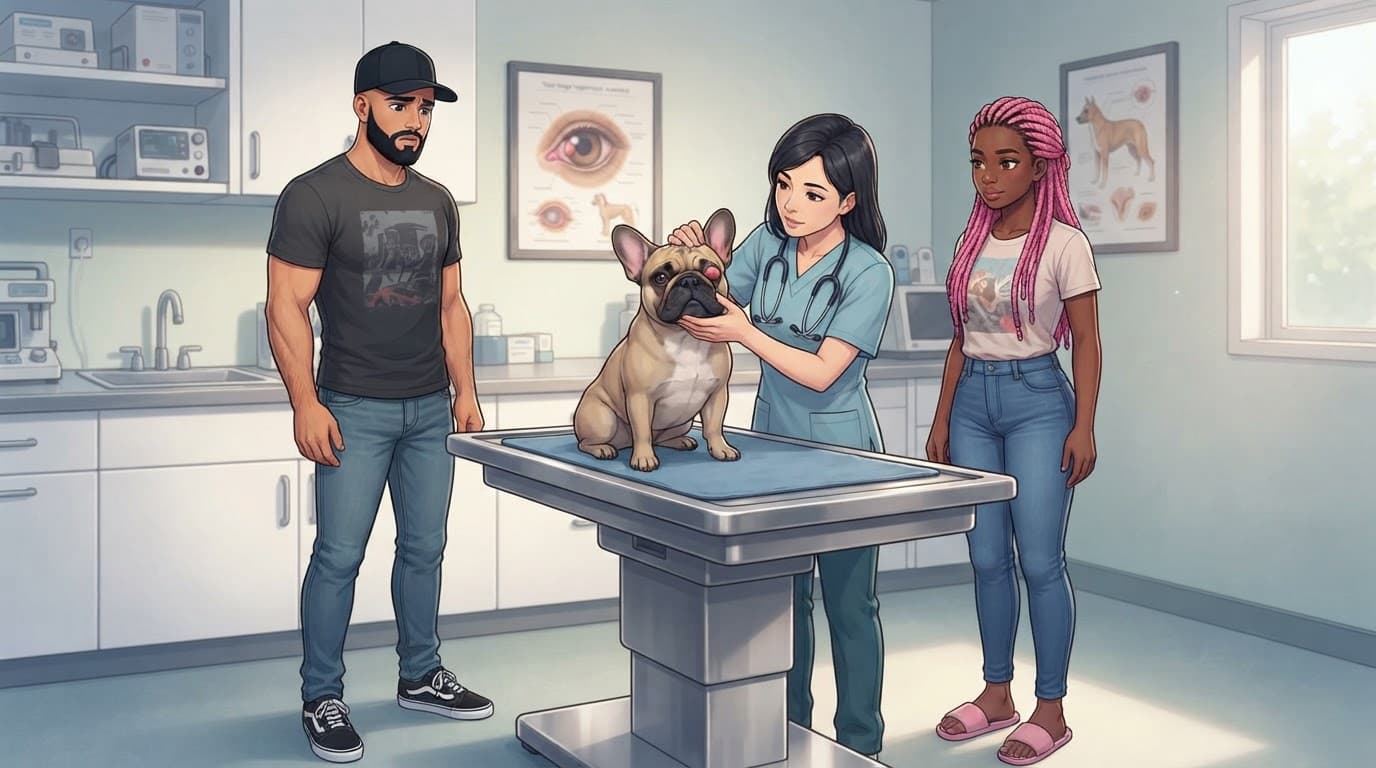
A red lump can look like cherry eye without being a prolapsed gland. Abnormal cartilage in the third eyelid can cause a similar swelling and may occur alongside gland prolapse. Rarely, another growth can look similar, too.
Your veterinarian may examine the third eyelid and test tear production, often with a Schirmer tear test. In some cases, a more complete assessment requires examining the dog under anesthesia. Identifying the cause helps determine whether the gland needs repositioning, the cartilage needs attention, or another treatment is appropriate.
What You Can Do While You Wait for Treatment
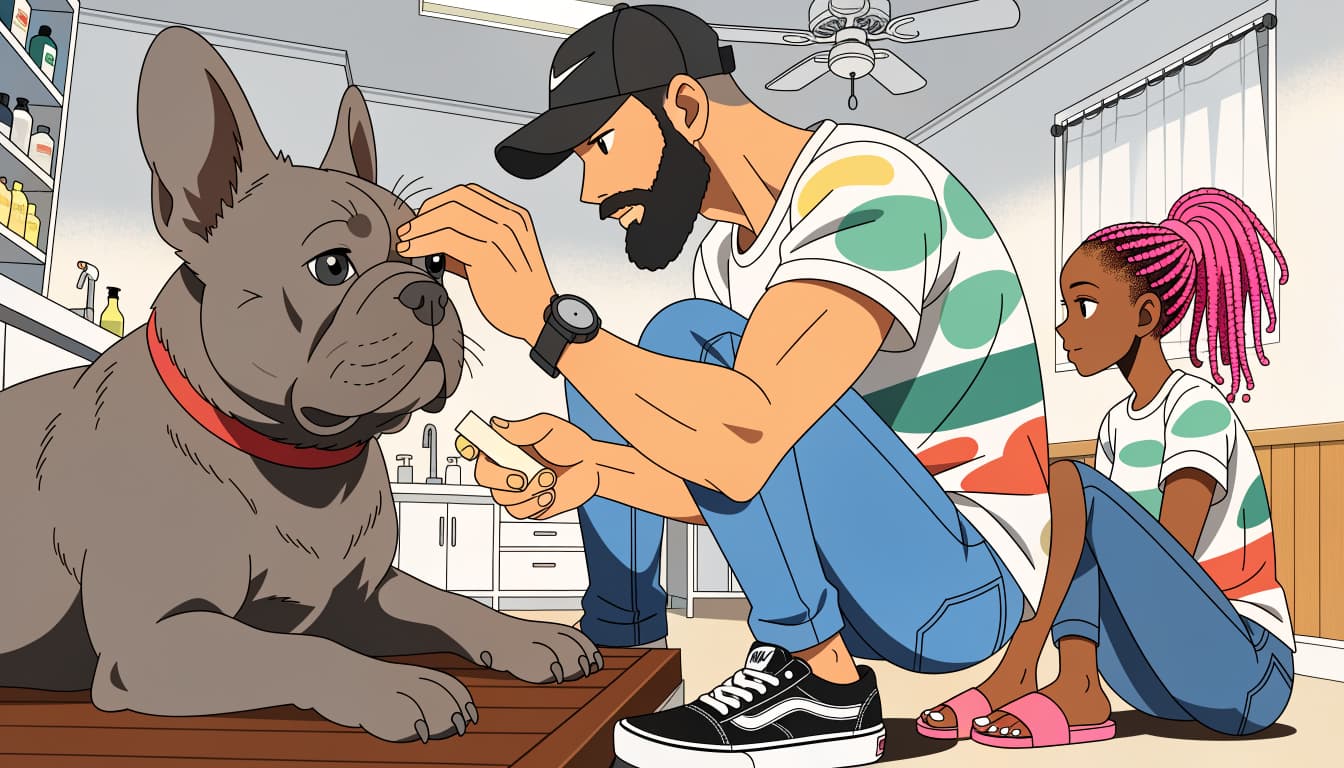
Until the appointment, focus on keeping your dog from irritating the eye. Ask your veterinarian whether an Elizabethan collar is appropriate and whether they recommend any temporary eye care. Don't guess at medication, doses, or how often to apply a product. The right instructions depend on the eye and your dog's exam.
Stop Rubbing and Avoid Home Remedies
Don't press on the lump, try to push the gland back, or attempt to cut or reposition the tissue. That can injure the eye. Avoid human eye drops and leftover pet medication unless your veterinarian specifically directs you to use them. A product that helped with another eye problem may not be suitable for this one.
Keep Your Appointment and Notes Simple
When you call, describe when you first noticed the lump and whether it has changed. Mention rubbing, discharge, or signs of discomfort. A photo can help you show how the eye looked earlier, but don't delay the appointment to get one. Home care can help prevent more irritation while you wait; it won't put the gland back permanently.
Surgery Usually Preserves the Tear Gland
If the gland remains prolapsed or the problem returns, surgery is commonly used to reposition it. The goal is to return the gland to its normal place while preserving its role in tear production. Removing it may solve the visible lump, but it raises the risk of chronic dry eye.
How Gland-Repositioning Surgery Works
Surgeons generally use one of two approaches: they create a pocket from nearby tissue to hold the gland, or they anchor it in place. The Morgan Pocket technique creates a supportive pocket and is commonly used. The evidence review of cherry eye surgery techniques describes several approaches and finds that reported results vary by study and procedure.
Your surgeon selects a method based on your dog's eye and the condition of the third eyelid. If abnormal cartilage is also present, that may need correction as part of treatment. The Morgan Pocket technique overview shows how the pocket is formed around the prolapsed gland. Surgery is performed by a veterinarian, and a veterinary ophthalmologist may be recommended for assessment or repair.
Why Removing the Gland Can Cause Dry Eye
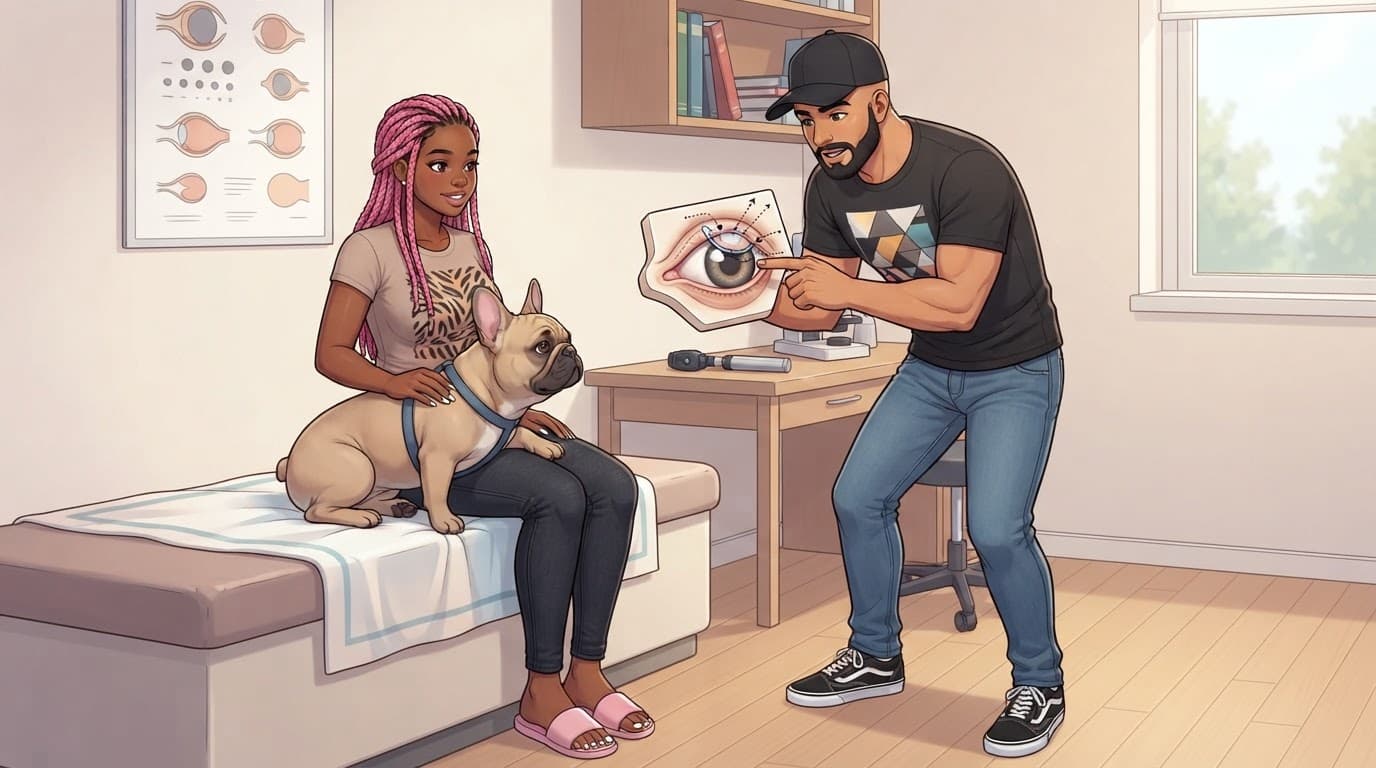
The gland attached to the third eyelid contributes to tear production. Removing it can leave the eye with less tear support, which is why gland-preserving repair is generally preferred. The Merck Veterinary Manual reports that complete gland removal has been linked to later dry eye in about 30% to 40% of dogs. It also estimates that roughly 20% of dogs may remain at risk of dry eye after cherry eye is surgically corrected.
Those figures describe different outcomes, not a prediction for your individual dog. Your vet can assess tear production before and after treatment and recommend follow-up based on your Frenchie's needs.
Help Your French Bulldog Heal and Watch for Recurrence
Recovery depends on the procedure and your dog's healing. Follow the surgeon's instructions for medication, activity, and rechecks. Recurrence is possible, so a successful-looking repair doesn't mean tear production can be forgotten.
Follow Your Surgeon's Aftercare Plan
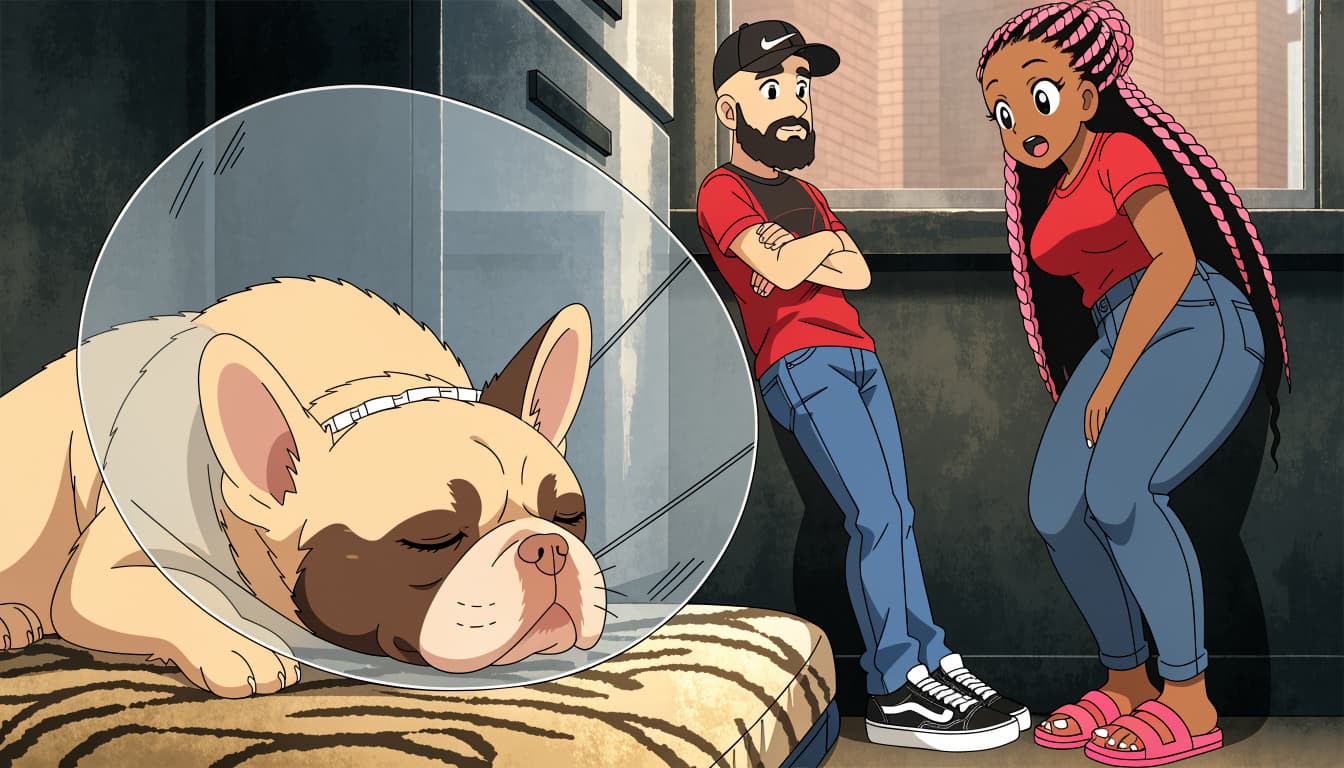
Use prescribed eye medication exactly as directed. If your surgeon recommends an e-collar, keep it on for the advised period and prevent rubbing while the eye heals. Don't substitute an online medication schedule for the instructions from the clinic that performed the surgery.
Some swelling can happen after surgery. Call the clinic promptly if your dog seems suddenly painful or the eye looks unusually abnormal. Keep scheduled recheck visits so the surgeon can assess healing and address concerns early.
Keep Checking Tear Production Over Time
The gland can prolapse again, and dry eye can develop even after repair. ACVO recommends tear-production checks in both eyes at least twice a year after gland replacement. Your veterinarian may adjust that plan based on your dog's health and exam results.
Published recurrence numbers aren't one universal rate. The ACVO reports about 92% success after repair by a veterinary ophthalmologist. A review found different outcomes across studies, including 5.1% recurrence in one Morgan Pocket group and 12.5% in another. Those figures come from different study settings, so they shouldn't be combined into a promise about an individual dog. Long-lasting prolapse, inflammation, or untreated cartilage problems can also affect the outcome.
Streetwear & Casual Styling
Once the eye-care plan is sorted, your dog-walk outfit can stay easy. Style a Dog Eats Custom Kibble Living On Ramen Tee with relaxed cargos or dark denim, then layer up when the weather calls for it. A If They Could Use Internet We'd Be In Trouble Tee gives the Cyber-Brutalist Anime Graphic Tee look its own little chaos gremlin. Clothing won't treat cherry eye; veterinary care handles that job.
Frequently Asked Questions
Can cherry eye go away on its own?
The lump may look smaller or disappear for a time, then come back. That change doesn't confirm the gland is healthy or repaired, so arrange an exam even if the swelling temporarily fades.
Is cherry eye painful for a French Bulldog?
Some dogs have irritation and rub at the eye, which can make the exposed tissue more inflamed or injured. Contact your veterinarian promptly if your dog seems painful or the eye suddenly looks unusual.
How likely is cherry eye to come back after surgery?
Recurrence estimates differ by study, surgeon, and the dog's eye condition. Long-lasting prolapse, gland inflammation, or cartilage problems that aren't addressed can affect the chance of recurrence.
Will my French Bulldog need lifelong eye checks?
Your vet may recommend ongoing tear testing because dry eye can develop after repair. ACVO advises checking tear production in both eyes at least twice yearly after gland replacement, but your veterinarian can set the schedule that fits your dog.
Keep the Eye Check on Your To-Do List
A red lump can look like a clear diagnosis, but appearance alone can't tell you what's happening inside the third eyelid. Have your French Bulldog examined promptly and ask about treatment that preserves the tear gland. Don't try to push the tissue back or treat it with unapproved medication. If surgery is needed, follow the surgeon's aftercare plan and keep up with tear checks so you can protect your dog's eye health over time.