

Hula Outfits: Choose Attire That Fits the Dance
Your hula outfits should follow the dance style, the mele (song), and the direction of your kumu hula (teacher). Kahiko and ʻauana have different histories and performance conventions, so one "island-themed" costume won't cover both.
You might be preparing for your first performance, helping coordinate group clothing, or figuring out what you're seeing onstage. Either way, context comes first, before colors, accessories, or whatever a shopping algorithm has decided "Hawaiian" looks like.
Start with the dance and its story, then choose clothing that lets you move comfortably and follow your teacher's guidance.
Key Takeaways
- Choose attire around the mele, dance style, performance setting, and your kumu hula's directions.
- Kahiko draws on older forms; ʻauana developed under Western influence and allows varied performance clothing.
- Grass skirts and coconut bras aren't reliable shortcuts for understanding Hawaiian hula attire.
- Rehearse in your complete outfit so you can catch slipping waistbands, restricted movement, or loose adornments.
- Keep cyber-brutalist anime tees in your casual wardrobe, separate from cultural performance dress.
Hula Outfits Change With the Dance Style
Your costume supports what you're dancing. The mele, choreography, and traditions of your hula school matter more than matching a familiar tourist image.
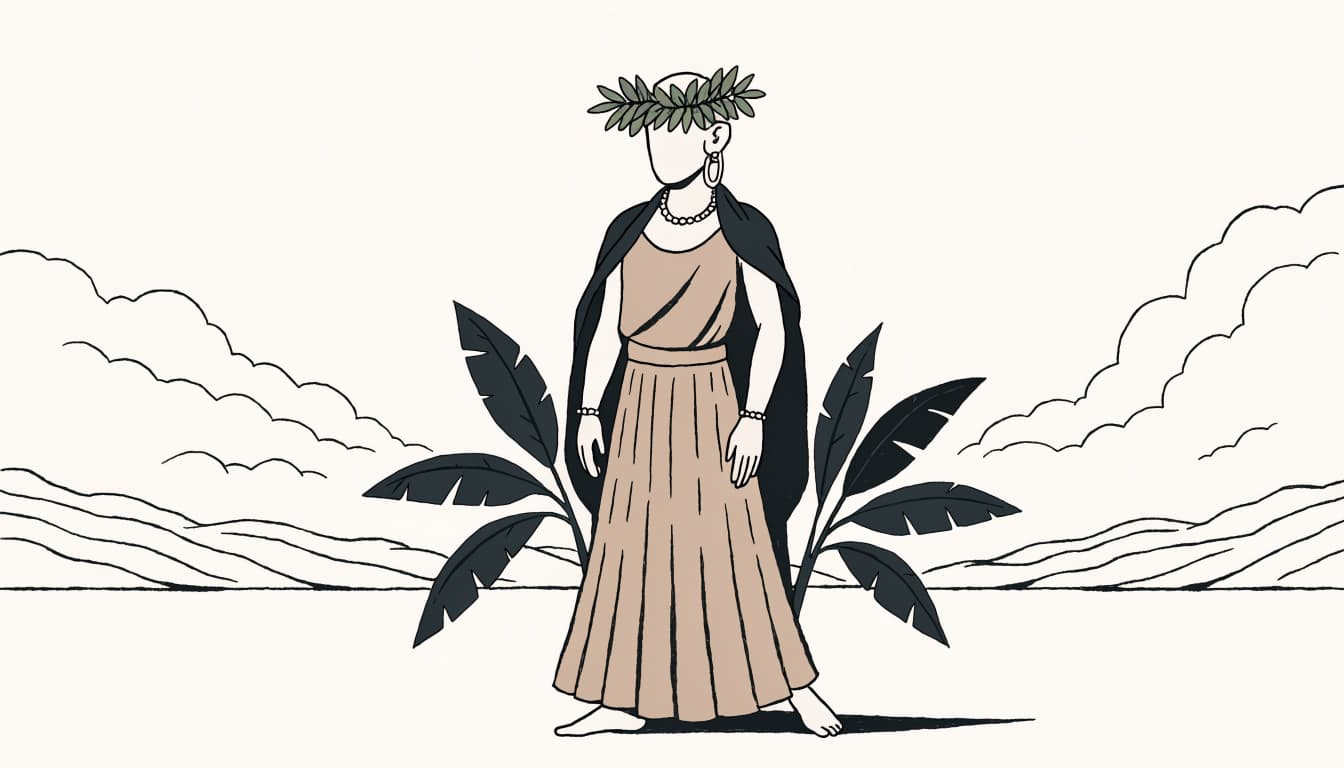
Kahiko attire draws on older forms and natural adornment
Kahiko is the older form of hula, commonly associated with chanted mele and traditional percussion. Accompaniment varies: mele oli is unaccompanied solo chant, while mele hula is chant for dance, often supported by percussion.
Historically, women's pāʻū skirts and men's malo were made with kapa, or bark cloth. Smithsonian's history of hula attire describes early kapa skirts.
You may see lei poʻo worn on the head and kupeʻe at wrists or ankles. Modern kahiko clothing varies, so your teacher determines what belongs.
ʻAuana costumes reflect the song and its story
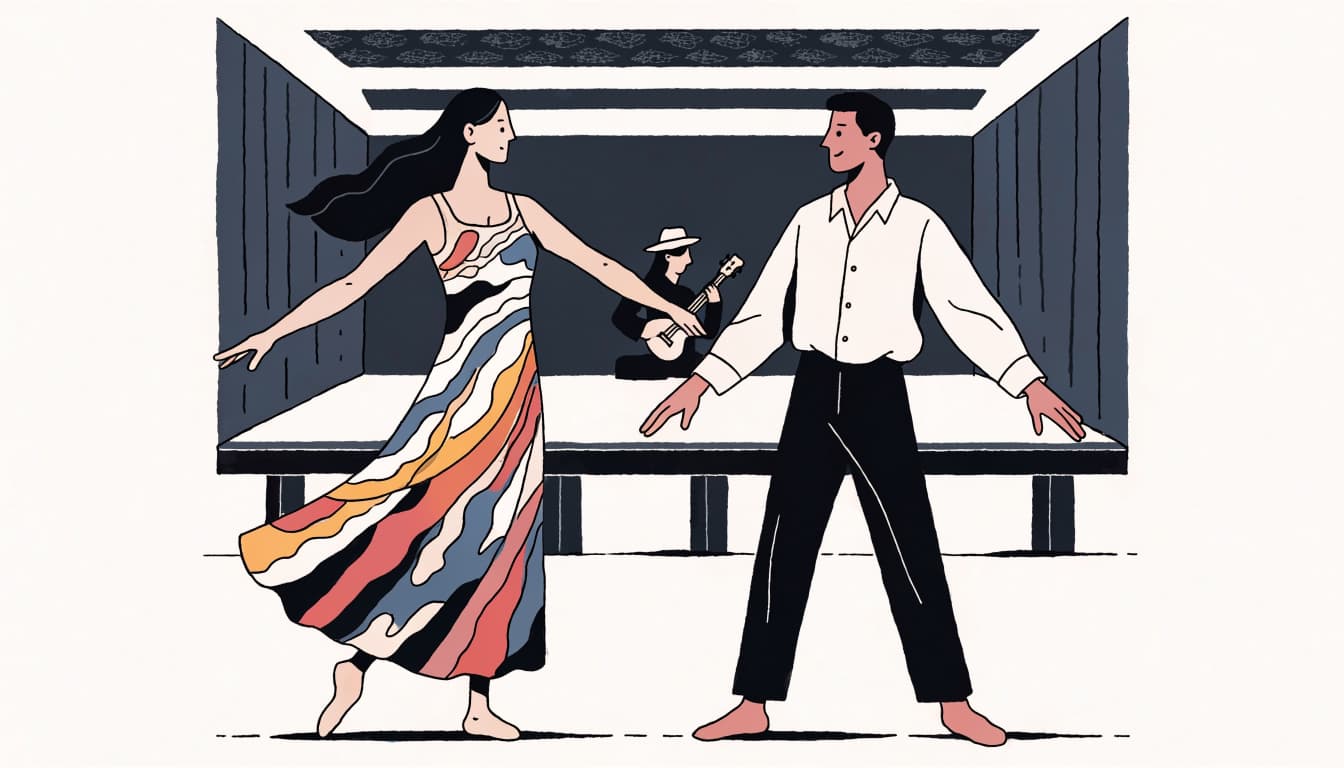
ʻAuana developed under Western influence. You'll commonly hear mele accompanied by ʻukulele, guitar, or bass.
You may see dresses, blouses, skirts, pāʻū, or coordinated shirts and trousers. A flowing dress might suit one performance; another calls for a different silhouette.
Colors, prints, and accessories follow the song and choreography. Treat examples as possibilities, rather than a character-creation menu where every accessory automatically belongs.
Why the grass-skirt stereotype misses the mark
Grass skirts appeared in particular historical and entertainment contexts. Cellophane skirts also entered performance clothing later. Neither defines all kahiko or ʻauana attire.
Coconut bras aren't a reliable shorthand for traditional hula clothing, either. If your reference image looks suspiciously like a party-store aisle, widen your reference pool before buying anything.
Read the Performance Setting Before You Dress
A community presentation, a formal competition, and a visitor-facing show can have different clothing requirements. Even within one dance form, you shouldn't assume the same outfit works everywhere.
For ʻauana, examples of performance clothing include women's muʻumuʻu and men's shirts and pants. Those examples help you recognize variety, but they don't replace instructions for your own performance.
Ask whether the group needs matching garments, coordinated colors, or individually fitted pieces. Confirm which parts everyone must share and where personal adjustments are allowed.
If you're attending as an audience member, follow the venue's dress guidance. You don't need to imitate the dancers. Comfortable event clothing lets you enjoy the performance without turning the audience into an unsolicited costume department.
For an outdoor event, check weather and seating conditions before choosing your clothes. For dancers, ask about the stage surface and any footwear instructions rather than guessing.
The Smithsonian National Museum of the American Indian's video offers cultural context for understanding hula. Watch with attention to the relationship between dance, story, and presentation.
Choose Hula Performance Wear That Fits and Feels Right
Once you know what's appropriate, check whether you can dance in it. A flattering still photo can't answer that.
Start with your kumu hula and the needs of the dance
Ask your kumu hula about the mele, choreography, setting, and group traditions before ordering anything. Confirm the garment shape, materials, colors, and required adornments.
Your hālau, or hula school, has its own teaching context. Understanding hula forms and school traditions helps you see why an outfit from another group isn't automatic permission to copy it.
If you're attending a class or event, use the organizer's clothing directions. There's no universal starter kit.
Check comfort, movement, and secure fit
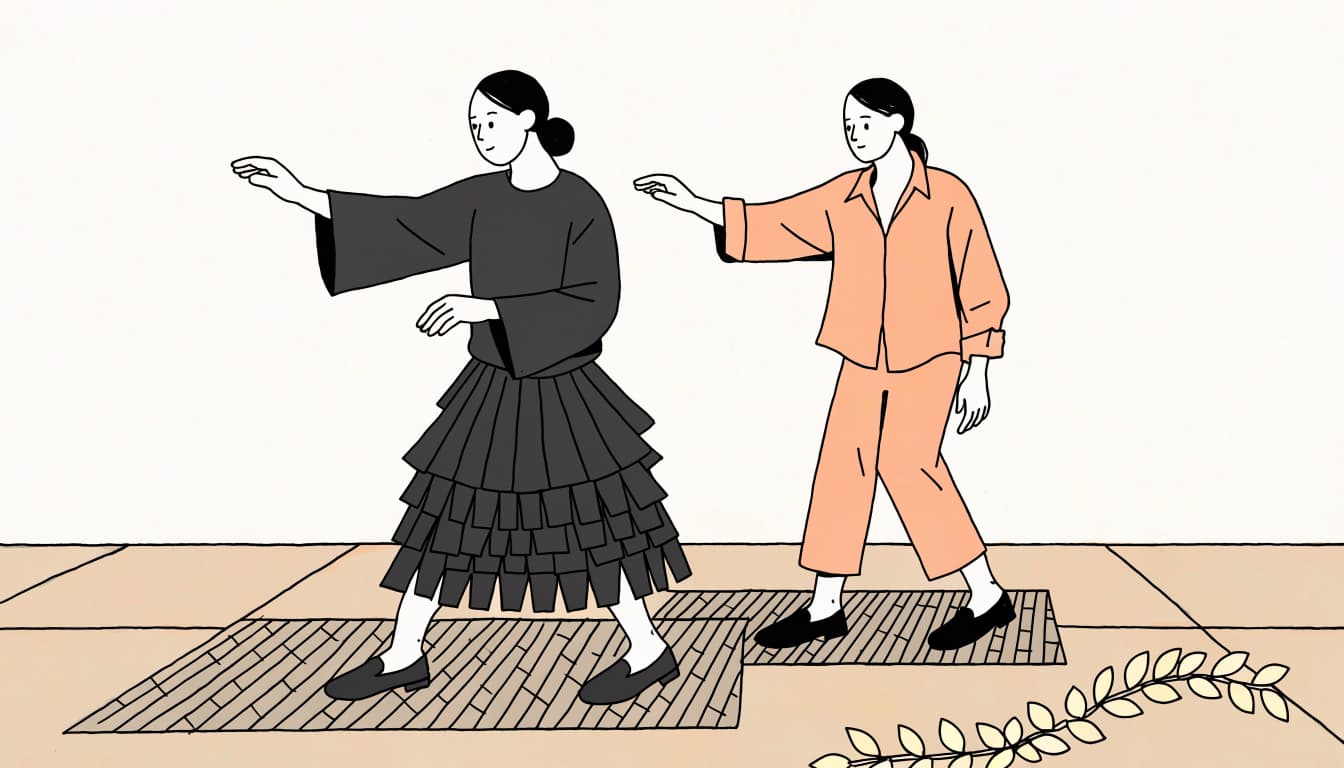
Choose breathable fabric and a fit that allows your full range of movement. Test steps, turns, bends, and arm movements in the complete outfit.
A skirt shouldn't slip at the waist. A shirt shouldn't pull across your shoulders. Check hems, fastenings, and any layers your teacher requires.
Rehearse with your lei and kupeʻe, too. Discovering a problem halfway through the performance is a wardrobe side quest you can skip.
Use lei and other adornments with care
Lei and kupeʻe have meaning and context beyond decoration. Their materials, placement, and use depend on your dance and instruction.
Learn the names of what you wear. Ask how to handle it, put it on, and remove it appropriately.
Don't add extra flowers, jewelry, or accessories because the outfit looks "unfinished" to you. Your personal styling instincts don't override the performance's requirements.
Prepare Natural Adornments Before Performance Day
Natural materials need a different preparation plan than fabric clothing. Ask your teacher which plants or flowers are appropriate, where they're obtained, and when adornments should be assembled.
If you're gathering materials, get permission and follow local rules. Don't collect unfamiliar plants or assume everything growing nearby is available. Ask someone knowledgeable before harvesting.
Kapa historically used bark from plants such as wauke and mamaki. That history is another reason to learn material names rather than treating every plant-based item as interchangeable.
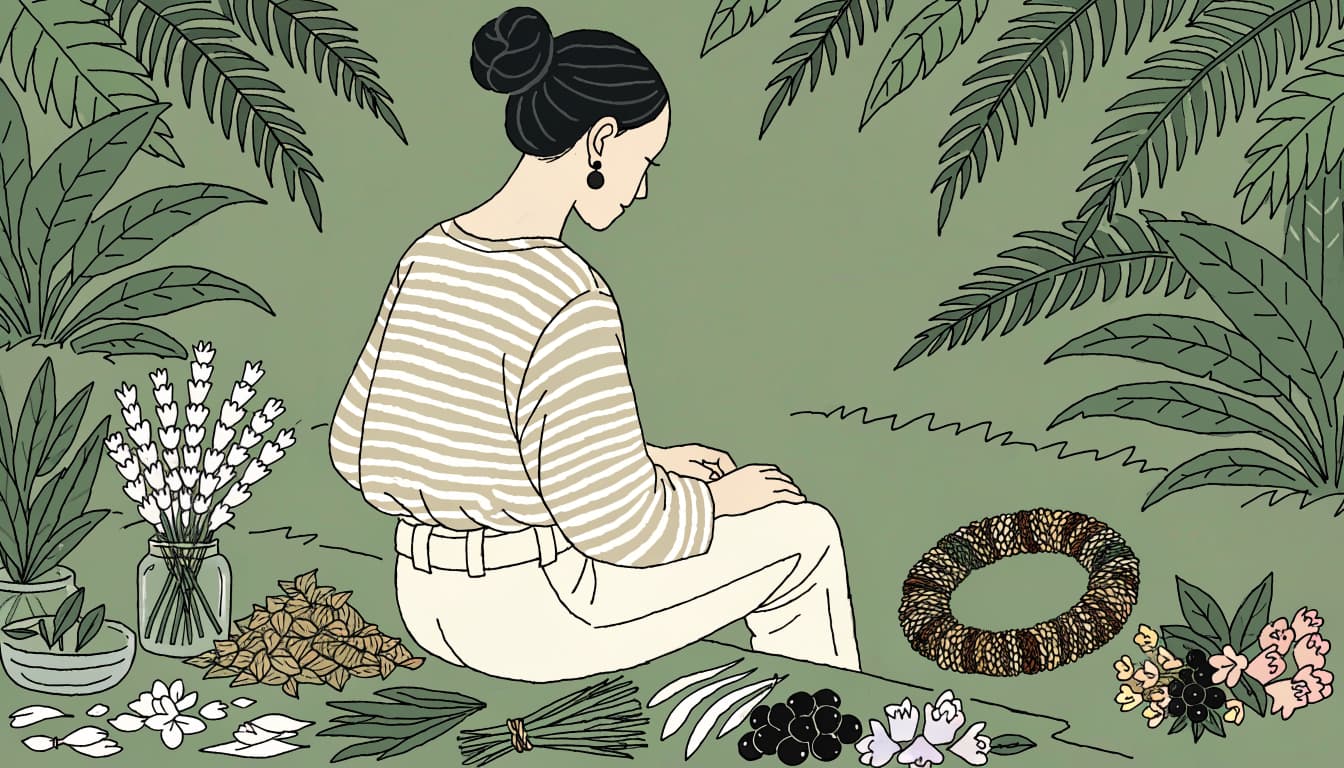
Ask how your particular lei or kupeʻe should be stored and transported. Different materials need different care, so a random preservation hack from your feed isn't the final authority.
Keep adornments separate from anything that could crush or snag them. Allow time to check their condition before dressing, rather than opening the bag five minutes before you perform.
Rehearse the complete outfit before performance day. An adornment that stays secure while you're standing may shift during turns or arm movements.
Afterward, follow your teacher's directions for caring for, returning, or disposing of the materials. Avoid inventing a universal ritual from something you saw another group do.
Streetwear & Casual Styling
Once the performance is over, you can switch into your everyday wardrobe. Cyber-Brutalist Anime Graphic Tees are casual streetwear, not hula costumes or cultural performance attire.
That boundary leaves plenty of room for self-expression. You can wear your fandom loudly without claiming that glitch graphics have cultural authenticity.
Build your post-event look around one bold tee. Pair anime artwork with relaxed cargos for an easy silhouette, or choose dark-wash denim when you want a cleaner finish.
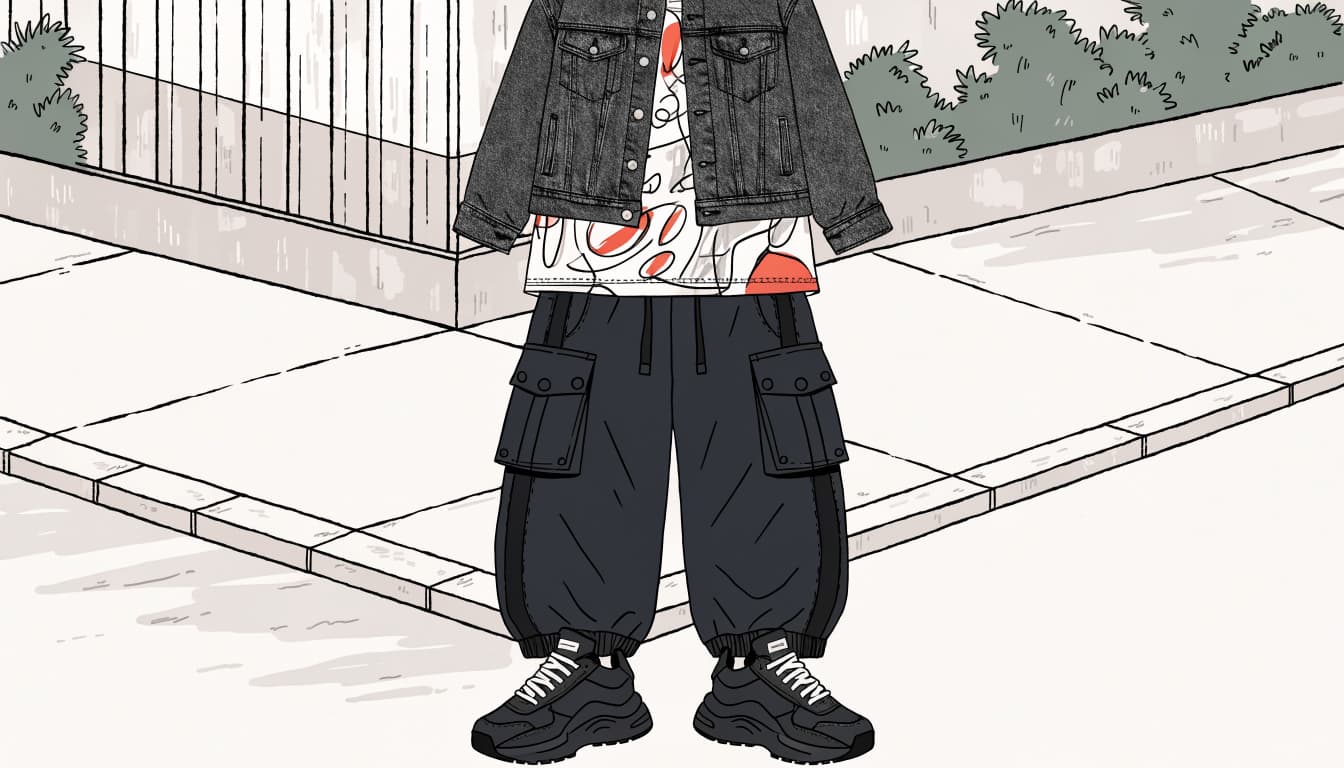
An open overshirt, denim jacket, or lightweight bomber adds a layer without burying the print. Let the artwork do the monologue. Your trousers don't need a rival character arc.
If your tee has dense graphics, keep the rest simple. Neutral bottoms and comfortable sneakers give the print room. For more combinations, use these ideas for styling anime graphic tees.
Change and store your performance garments and adornments as instructed before heading out. Keeping the two looks separate respects their different purposes and protects clothing you may need again.
Frequently Asked Questions
What is the main difference between kahiko and ʻauana outfits?
You'll generally see older clothing references and natural adornments associated with kahiko, while ʻauana allows varied dresses and coordinated separates. Those are broad patterns, not fixed formulas. Your kumu hula determines the attire for the specific mele and performance.
Do all hula dancers wear grass skirts?
No, you can't identify all hula attire by grass skirts. They have particular historical and performance uses, but dancers also wear fabric skirts, dresses, shirts, pants, and other garments. Look at the dance's context rather than judging authenticity by one material.
Can you wear a hula outfit to a themed party?
Choose context-aware party clothing instead of copying performance attire or using caricatured accessories. A tropical-print shirt or ordinary warm-weather outfit can suit an island-themed gathering without pretending you're dressed for hula. If an event includes a cultural presentation, ask the organizer what clothing is appropriate.
What should you wear to your first hula class?
Ask your instructor before you arrive, since your class may have specific requirements. Comfortable clothes that allow bending, stepping, and arm movements are a practical starting point when no other directions are given. Confirm footwear guidance, too, and don't buy performance clothing before you know what you'll need.
Let the Dance Guide Your Outfit
Choose hula outfits around the mele, kahiko or ʻauana form, and your kumu hula's direction. Respect and context should guide your choices before a familiar image or shopping trend does.
Check comfort through rehearsal, learn about your adornments, and follow the preparation instructions you're given. You should be able to focus on dancing instead of rescuing a slipping waistband.
Save the anime graphics and cargos for your casual look afterward. Each wardrobe can do its own job without borrowing an identity that doesn't belong to it.