

Is It OK to Take a Puppy at 7 Weeks?
TrendReactTees.STORE TeamIt's usually better to wait until at least eight weeks to bring a puppy home, when that's safe and possible. At seven weeks, your puppy may still benefit from time with its mother and littermates, and its health and weaning matter as much as its age.
While you're planning for puppy life, our Dog Eats Custom Kibble tee and Scream at the Void tee bring dog-parent humor to the wardrobe. First, let's make sure the tiny chaos companion gets the right start.
This post may contain affiliate links. If you make a purchase through these links, I may earn a small commission at no extra cost to you.
Key Takeaways
- Waiting until at least eight weeks is usually the better choice when the puppy can safely stay with its litter.
- A puppy should eat solid food reliably and be ready for the move, not simply reach a date on the calendar.
- Time with littermates supports early play and communication, but an early move doesn't guarantee behavior problems.
- If your puppy is already home, arrange a prompt veterinary visit and plan safe social experiences.
- State and local rules vary, and some apply to particular sales or transfers.
Is It OK to Take a Puppy at 7 Weeks?
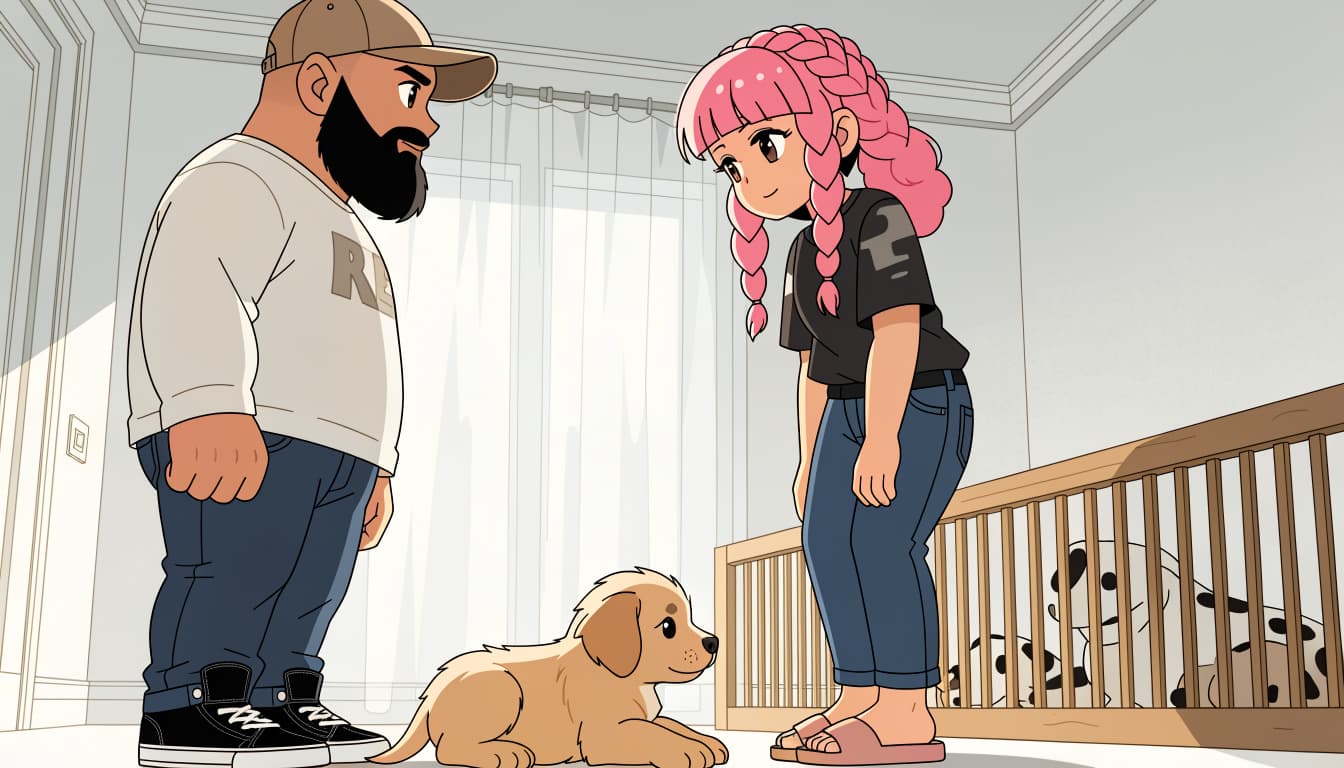
Usually, you'd do better to wait until your puppy is at least eight weeks old. Seven weeks is younger than the usual recommended age, and that extra time can give your puppy more practice eating independently and interacting with its litter.
Age is a starting point
VCA Animal Hospitals' guidance places many puppies in new homes around eight to ten weeks. That window allows time for weaning and early social development before a major change in surroundings.
Eight weeks isn't a magic switch that makes every puppy ready overnight. Your puppy's health, eating habits, and circumstances still matter. A small or unwell puppy may need individual care, while a puppy in an unsafe setting may need a different plan.
Look beyond the calendar
Before a move, your puppy should be eating solid food reliably and no longer depend on its mother for nutrition. Ask the current caregiver what the puppy eats and whether it finishes meals consistently. A puppy that has tasted solid food isn't necessarily fully weaned.
If the timing feels rushed or the puppy's readiness is unclear, talk with a veterinarian. You deserve more information than "the puppy looks big enough." A vet can help you weigh the puppy's health and needs.
Why Puppies Benefit From Staying With Their Litter Longer
Your puppy's early weeks include more than growing adorable ears. Time with its mother and littermates gives it chances to practice eating, playing, and communicating in familiar surroundings.

Weaning takes practice
Weaning is a transition, not a single meal. Puppies gradually move away from nursing and learn to eat their own food. Staying with a responsible caregiver gives them time to develop that routine and be observed as they grow.
Once your puppy comes home, a familiar feeding schedule can make the change easier. The goal is a puppy that eats well without relying on its mother, with a feeding plan suited to its individual needs.
Littermates offer early social lessons
During play, puppies experience body language, vocalizations, and responses from other dogs. They get opportunities to practice gentler play and learn when another puppy wants a break. The AVMA review of puppy socialization recommends that puppies generally remain with their litter until at least eight weeks.
Leaving early doesn't mean your puppy is destined for behavior problems. It does mean you'll want thoughtful, positive social experiences and guidance suited to your puppy.
You also don't need to wait for every vaccine to be complete before a puppy leaves its litter. Vaccination commonly begins while puppies are still young and continues after they move. Your veterinarian can help balance infection precautions with safe exposure to the world.
What to Check Before You Bring a Puppy Home
A puppy can look ready for its big debut and still need more time. Ask the breeder, shelter, or current caregiver for details before you agree to a pickup date.

Ask about food, health, and age
Get the puppy's birth date so you can calculate its age rather than relying on an estimate such as "about seven weeks." Ask whether it's fully weaned, what food it eats, how much it's offered, and when meals happen.
Request available veterinary and health records, including vaccines, parasite care, and any treatment or concerns. Bring those records to your first vet visit. If records aren't available, tell your veterinarian what you know rather than guessing.
Observe the puppy, too. Look for an alert puppy that can move comfortably and appears interested in its surroundings when awake. Visible discharge, diarrhea, coughing, or unusual weakness deserve veterinary attention. A brief visit can't guarantee a clean bill of health, but it can help you spot a concern.
Understand why an early move is proposed
Ask why the puppy needs to leave at seven weeks. A shelter situation, the mother's health, or another safety issue may change what's practical. If the answer is simply that early pickup is more convenient, ask whether the puppy can stay until at least eight weeks.
Rules also depend on where you live and how the puppy is being transferred. Michigan, for example, restricts transfers of puppies under eight weeks by certain pet shops and large-scale breeding kennels. Those provisions don't describe every private rehoming. There isn't one nationwide age rule that settles every situation.
If Your 7-Week-Old Puppy Is Already Home
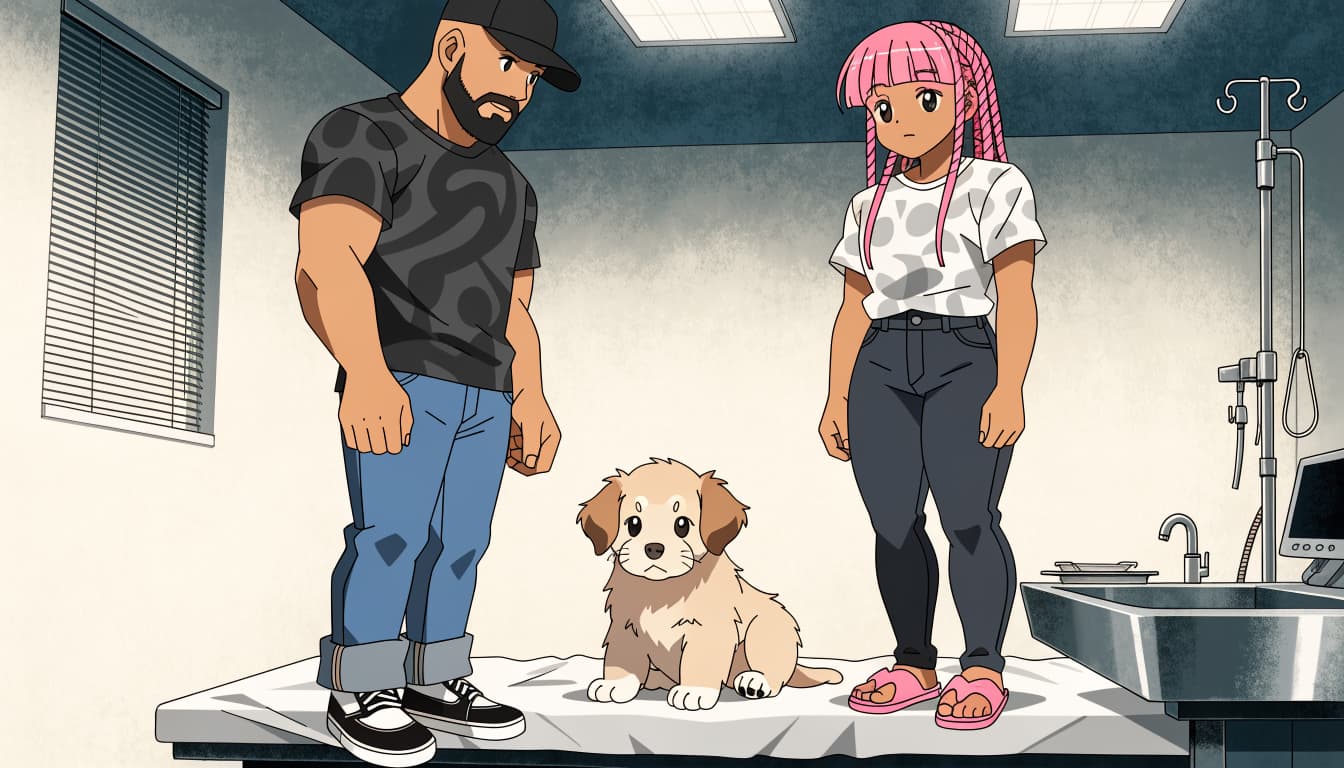
Take a breath. Your puppy being home at seven weeks doesn't mean you've failed some secret pet-parent exam. Focus on what the puppy needs now, starting with a prompt veterinary appointment.
Make a care plan with your vet
Tell your veterinarian the puppy's age, what it eats, and anything you know about its mother, litter, and previous care. Discuss growth, meal frequency, parasite care, vaccines, and signs that should prompt a call.
Young puppies often need several meals each day. Your vet can tailor the schedule and amount to your puppy's size, health, and ability to eat. Keep fresh water available, and avoid abrupt food changes unless your vet recommends one.
The AVMA's vaccination guidance notes that puppy vaccine series commonly start at six to eight weeks. Your puppy's veterinarian will recommend the schedule for its circumstances.
If your puppy seems weak, won't eat, has repeated vomiting or diarrhea, or has trouble breathing, contact a veterinarian promptly. Ask about urgent care when symptoms are severe or your puppy seems distressed.
Choose safe social contact
Let your puppy meet people through calm, pleasant interactions. Suitable animal contact might include a healthy, gentle dog whose vaccination status and temperament you know, if your vet agrees it's appropriate.
Skip unknown dogs and high-risk public areas used by dogs of unknown health status. Watch your puppy's response: if it hides, freezes, or tries to leave, give it space instead of pushing the interaction.
If the mother and litter are safely available, ask your vet and the caregiver whether returning until at least eight weeks makes sense. The answer depends on the puppy's health and the safety of both settings.
How to Make the Move Home Safer and Less Stressful
Your puppy's first days don't need a packed social calendar. A predictable routine and a quiet place to rest can help your new roommate settle in.

Keep the first days calm
Start with the food and feeding routine your puppy already knows, unless your vet advises otherwise. Set up a quiet resting area with a washable bed or blanket and room for the puppy to move comfortably.
Supervise children and other pets around your puppy. Teach children not to chase, grab, or disturb a sleeping puppy. Introduce resident pets gradually, with an easy way for each animal to move away.
If your new arrival is a Kangal, our guide to Kangal puppy costs and care covers supplies and breed-specific planning.
Make new experiences manageable
Gentle handling, household sounds, and short visits with calm people can all be part of socialization. Give your puppy room to pause, and reward relaxed curiosity. You don't need to introduce every sound and stranger in one afternoon.
Safe socialization doesn't have to wait until the entire vaccine series is finished. The AVMA's early socialization guidance discusses puppy classes before that point. Ask your vet which settings and contacts are suitable for your puppy.
For a closer look at positive social experiences, the AVMA's puppy socialization video offers a useful starting point:
Streetwear & Casual Styling
For a low-key puppy day, pair a Cyber-Brutalist Anime Graphic Tee with relaxed jeans and sneakers. Our My Therapist Is A Dog tee keeps the dog-parent humor front and center.
Want a more cyberpunk look? Try the If They Could Use Internet tee with dark joggers and a casual jacket. Keep loose accessories out of puppy reach.
Frequently Asked Questions
Can you start training a puppy at seven weeks?
You can begin with gentle, reward-based practice suited to your puppy's attention span. Reward a response to its name or a calm moment near you. Keep sessions brief and stop before your puppy gets tired or frustrated.
How do you introduce a puppy to a crate?
Make the crate a comfortable place with suitable bedding and leave the door open during initial exploration. You can offer a treat inside and let your puppy come and go. Build up time gradually, and avoid using the crate as punishment.
What if your puppy cries at night?
Your puppy may be adjusting to unfamiliar surroundings or need a bathroom break. Respond calmly, take it to its toilet area when needed, and keep nighttime interactions low-key. If crying seems unusual or comes with signs of illness, contact your vet.
How often should you take a young puppy out to potty?
Offer frequent chances, including after waking, eating, and playing. Use a safe, low-risk toilet area recommended by your vet, and reward your puppy when it goes in the right spot. Accidents are part of the learning process, so clean them up without punishment.
Give Your Puppy the Right Start
When it's safe and possible, waiting until at least eight weeks gives your puppy more time with its litter before the move. Readiness also depends on health, weaning, and individual circumstances.
If your seven-week-old puppy is already home, focus on steady care, veterinary support, and safe social experiences. Your vet can help you make a plan for the puppy in front of you, not just the age on its paperwork.