

Job Interview Outfits for Teenagers: First-Job Fits
Your first job interview can feel like a boss fight where nobody explained the dress code. Choosing job interview outfits for teenagers gets easier when you start with clean basics, not an expensive shopping cart.
A collared shirt or simple blouse, comfortable trousers, and tidy closed-toe shoes give you a solid starting point. You can adjust that outfit for a café, store, or office without dressing like you're about to acquire the company.
Start with the workplace, then sort your clothes, grooming, and night-before prep so your outfit doesn't become another thing to stress about.
Key Takeaways
- Dress one step more formally than the workplace's everyday clothes, and ask about expectations when you're unsure.
- Build around a collared shirt or blouse, chinos or smart trousers, and clean closed-toe shoes.
- Check comfort and fit before buying anything; most first jobs don't require a suit.
- Prepare your clothes ahead of time, with tidy grooming and minimal fragrance.
- Save bold anime graphics and relaxed streetwear for after the interview unless the employer welcomes them.
Job Interview Outfits for Teenagers: Start With a Simple Formula
A useful rule: dress one step more formally than employees usually do. Oklahoma CareerTech recommends this approach, alongside checking workplace expectations.
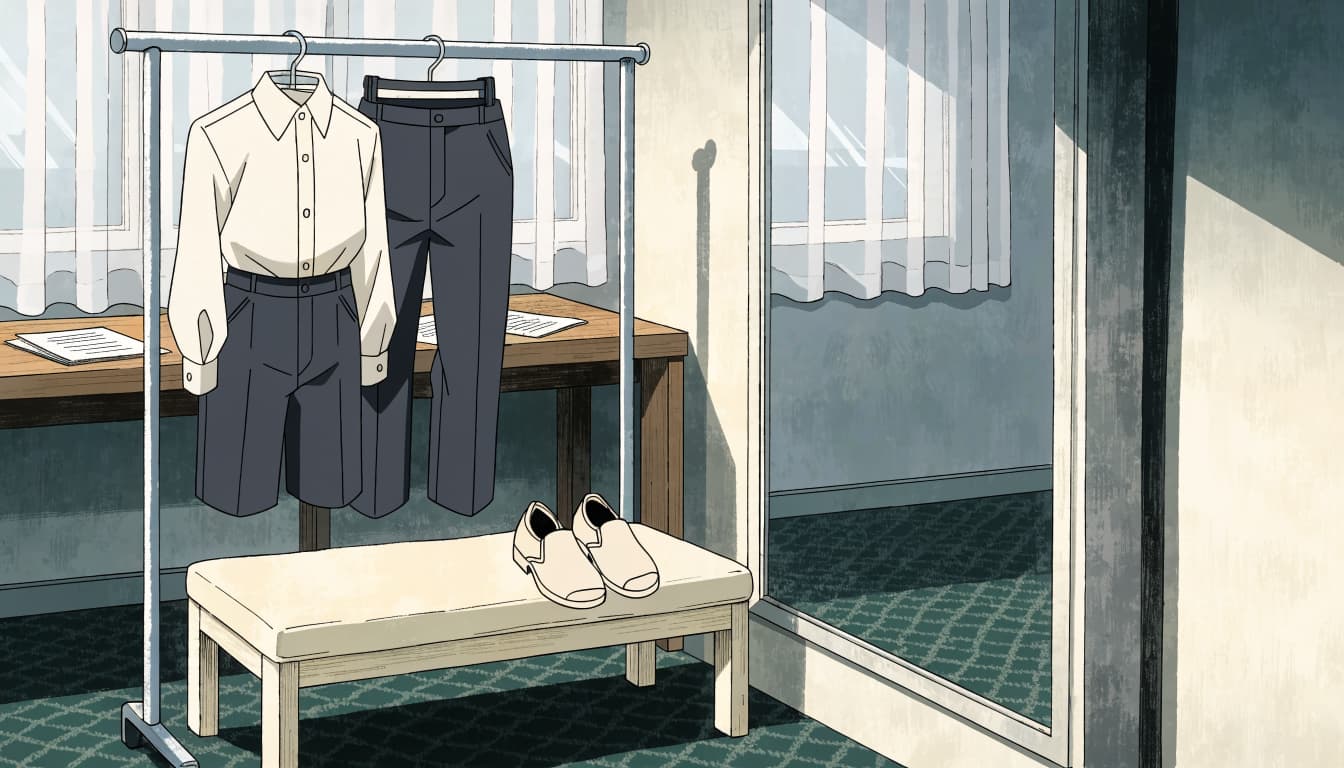
For most first jobs, start with a clean collared shirt or simple blouse, chinos or smart trousers, and closed-toe shoes. A blazer is an optional upgrade. You don't need a full corporate character redesign.
Check the workplace before you choose your clothes
Look at the employer's website, careers page, or public employee photos. Focus on people doing similar work, rather than promotional photos of executives.
Your Teen's interview clothing advice recommends researching company culture before choosing your outfit. If the photos don't help, ask your interview contact what applicants usually wear.
A casual workplace still calls for some effort. Employees wearing T-shirts doesn't automatically mean your gym shorts belong at the interview.
Build a comfortable outfit from clean basics
Choose clothes that let you sit, walk, and reach comfortably. Button gaps, slipping waistbands, and sleeves swallowing your hands are distractions you can avoid.
Black, navy, gray, cream, and khaki are easy to combine. You can keep a favorite color in your shirt without making every item compete.
You also don't need to dress older than you are. Aim for a tidy version of yourself, with familiar clothes that fit. If you spend the whole interview adjusting your outfit, your clothes have become unpaid coworkers.
Match Your Interview Clothes to the Job
The same trousers and shoes can work across several interviews. Changing the top or adding a blazer adjusts the formality without requiring a new wardrobe.
UNC's interview attire guidance connects clothing choices with awareness of workplace expectations. The employer's instructions should come before a universal outfit formula.
For retail, food service, and customer service
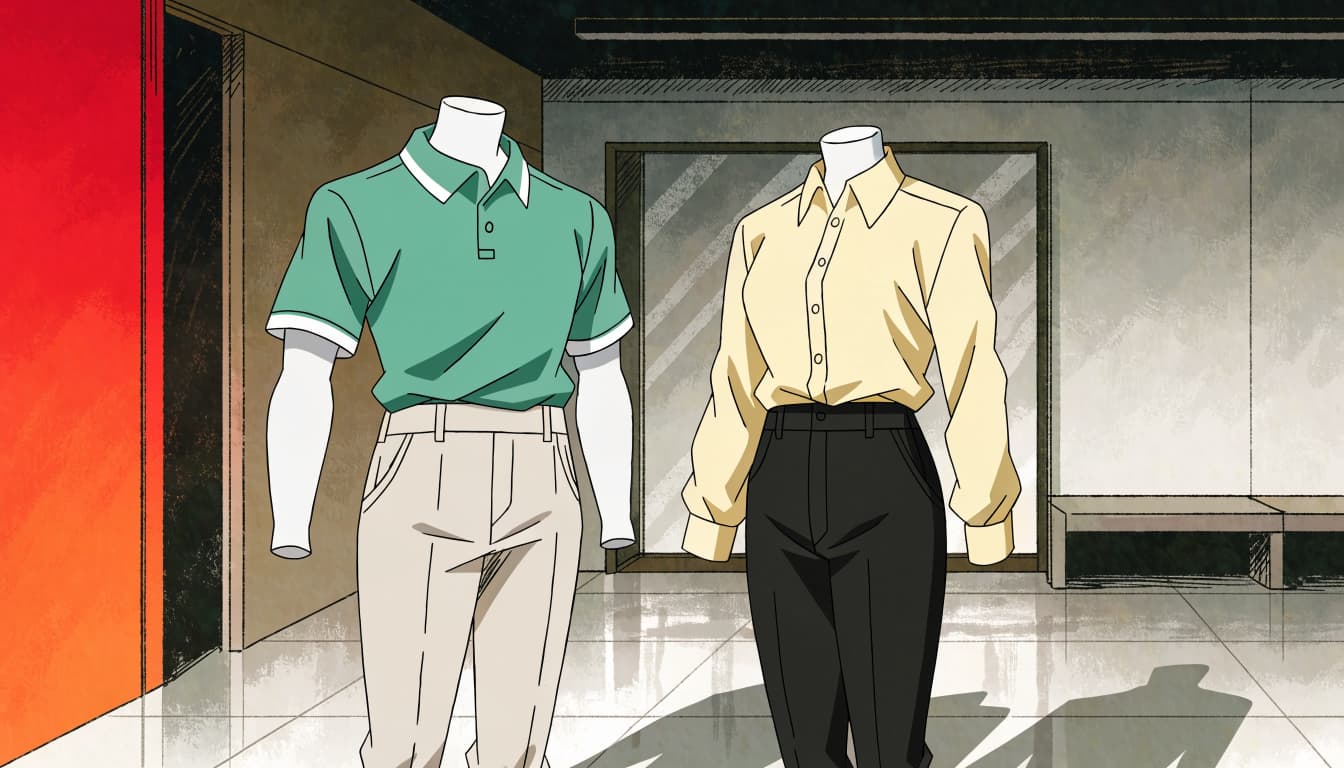
A clean polo or button-down with chinos or khakis is a dependable option. Keep the shirt free of stains, stretched collars, and distracting slogans.
Dark, rip-free jeans may work at a clearly casual employer, but check first. A relaxed coffee shop and an upscale restaurant can have different expectations, even though both serve drinks.
If you're applying to a store, avoid another retailer's large visible logo. You don't need to arrive dressed as free advertising for the competition.
You don't have to buy the employer's products, either. Familiar, unbranded basics are enough.
For office, internship, or more formal roles
Choose smart trousers with a button-down shirt or blouse. Add a well-fitting blazer if the workplace looks more formal or your interview contact suggests one.
Indeed's guidance for high school applicants notes that a suit is often unnecessary for jobs aimed at students. A formal employer may expect more, so confirm before deciding.
If you add a tie, practice tying it beforehand. Interview morning is a terrible time to discover that your knot looks like corrupted geometry.
Keep the outfit coordinated rather than elaborate. You want to spend your attention explaining your availability and interest, not managing unfamiliar layers.
Choose Shoes and Fit You Can Feel Confident In
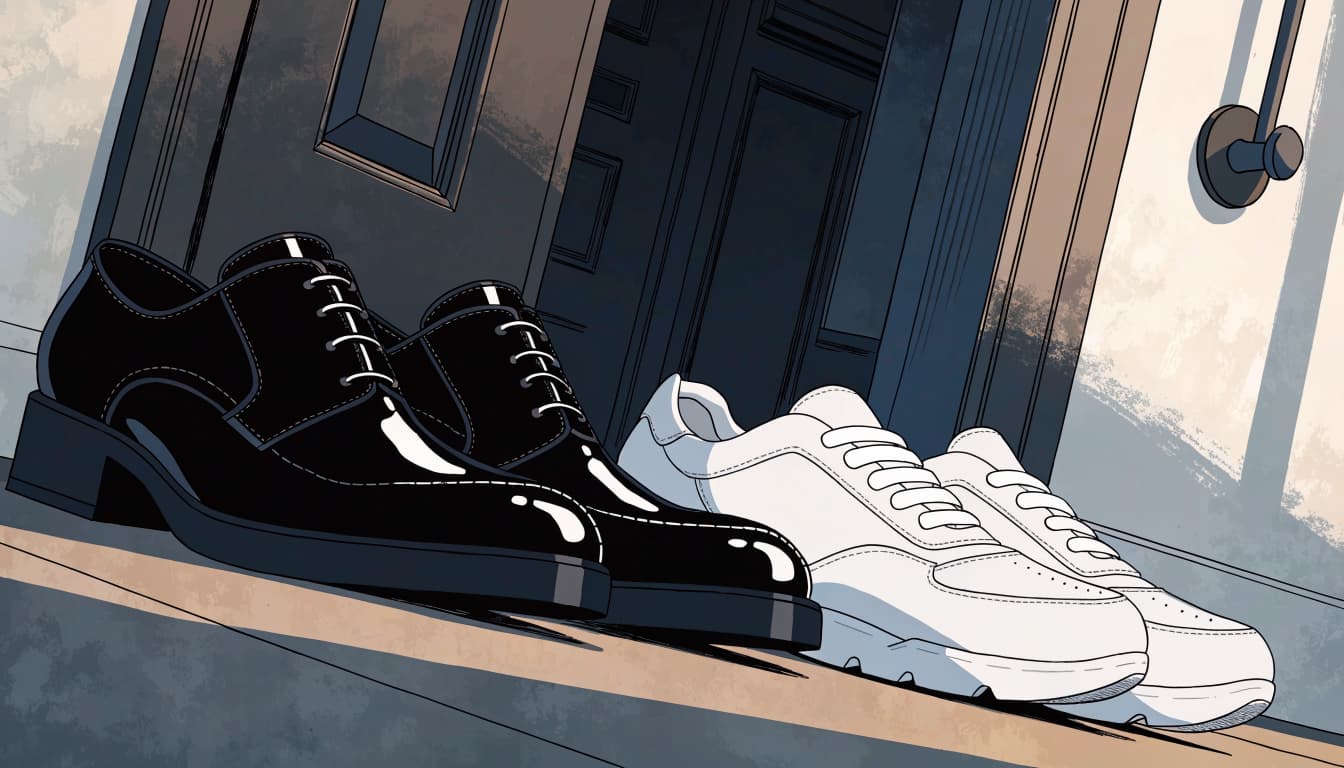
Loafers, oxfords, flats, and comfortable low heels are practical closed-toe choices. Pick shoes you can walk in normally, including the trip between your ride and the interview.
Sneakers depend on the workplace. Plain, clean sneakers may suit a casual employer; choose a more polished option when expectations are unclear.
UC Davis's clothing guidance emphasizes comfort alongside professional presentation. That applies to shoes as much as shirts.
Try the complete outfit before interview day. Sit in a chair, walk around, and bend your knees. Check that your waistband stays comfortable and your shirt doesn't pull.
If you're borrowing clothes, test those too. A free blazer is less helpful when its sleeves cover half your hands.
Weather matters. Use a removable coat for cold travel, and choose breathable layers for heat. Leave yourself time to cool down after walking.
Your shoes don't need to impress a sneaker forum. They need to be tidy, appropriate, and comfortable enough that you aren't thinking about blisters while answering questions.
Get Ready With Simple Grooming, Smart Spending, and a Final Check
Preparation works better when you handle it before you're rushing out the door. Give yourself one calm evening check instead of a morning wardrobe emergency.
Look neat without overdoing it
Keep your hair clean and arranged comfortably. Tidy facial hair if you have it, and check your nails.
Makeup is optional. If you wear it, choose something familiar that won't need constant attention. Keep accessories manageable, especially anything noisy.
Use little or no fragrance. You don't know whether your interviewer has sensitivities, and a small office doesn't need your cologne's full origin story.
Grooming is about arriving prepared. Your natural hair texture and personal identity don't need editing.
Find affordable clothes and check them the night before
Check your closet first. Try combinations before deciding you're missing everything.
Borrowing, thrift stores, consignment shops, and discount stores can fill a genuine gap. Ask your school counselor about local clothing assistance. Programs such as Dress for Success have eligibility requirements; confirm age rules and availability before relying on them.
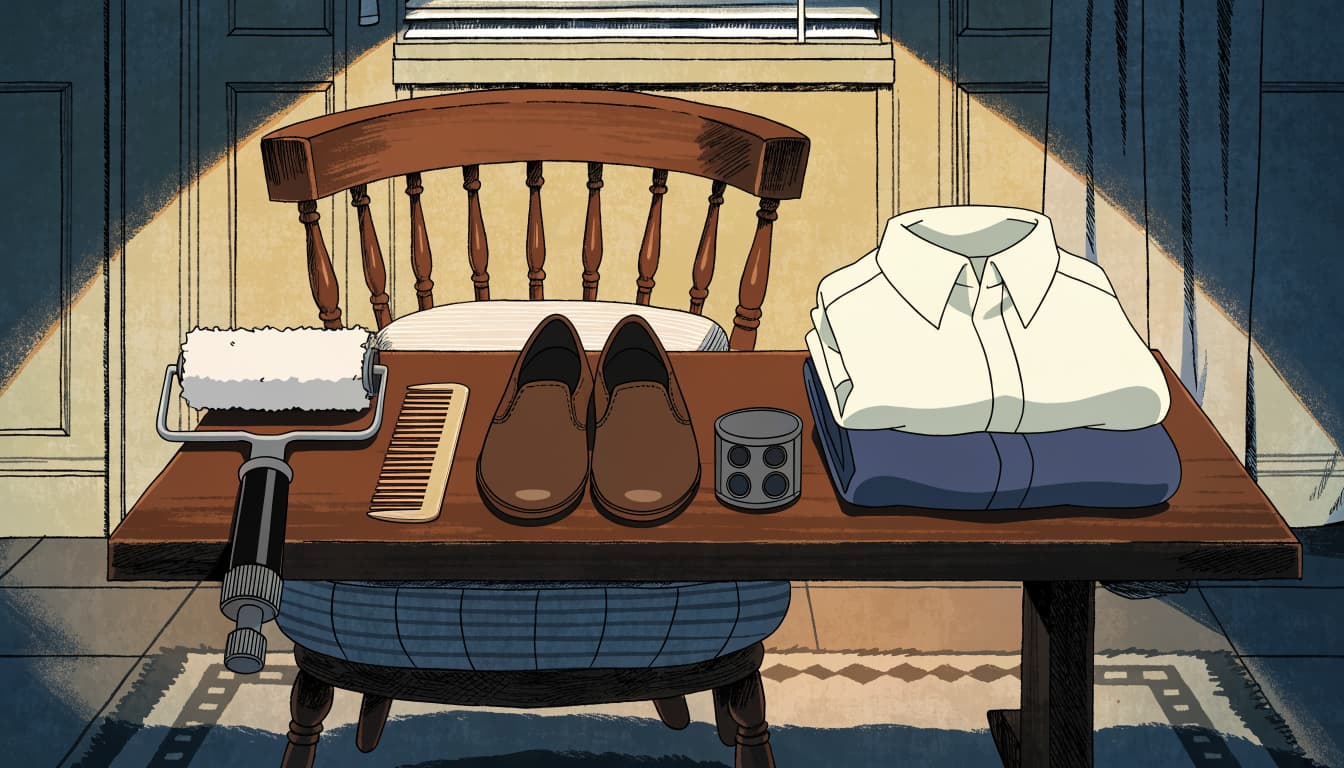
Inspect stains, wrinkles, pet hair, loose buttons, and worn shoes. Lay out your clothes, socks, and any belt so you aren't searching tomorrow.
Avoid the outfit mistakes that can distract
Use a quick final check:
- Swap out stained, wrinkled, ripped, or badly fitting pieces.
- Check coverage while sitting and bending so you feel comfortable.
- Leave hoodies, shorts, athletic wear, and flip-flops for another occasion.
- Skip loud logos and slogans that pull attention away from your answers.
These choices don't make casual clothes bad. They make your interview outfit easier to read as prepared.
Streetwear & Casual Styling
Once the interview is over, your graphic tee can reclaim its screen time.
Bold graphic tees, including Cyber-Brutalist Anime Graphic Tees, usually belong in your after-interview outfit unless the employer clearly welcomes that style. Interviewers don't expect branded clothing, and you don't need to buy a statement piece to look prepared.
For school or a hangout, pair an oversized anime tee with relaxed cargos and comfortable sneakers. Keep the pants plain so the artwork has room. Black, charcoal, or olive gives glitch-heavy graphics an easy background.
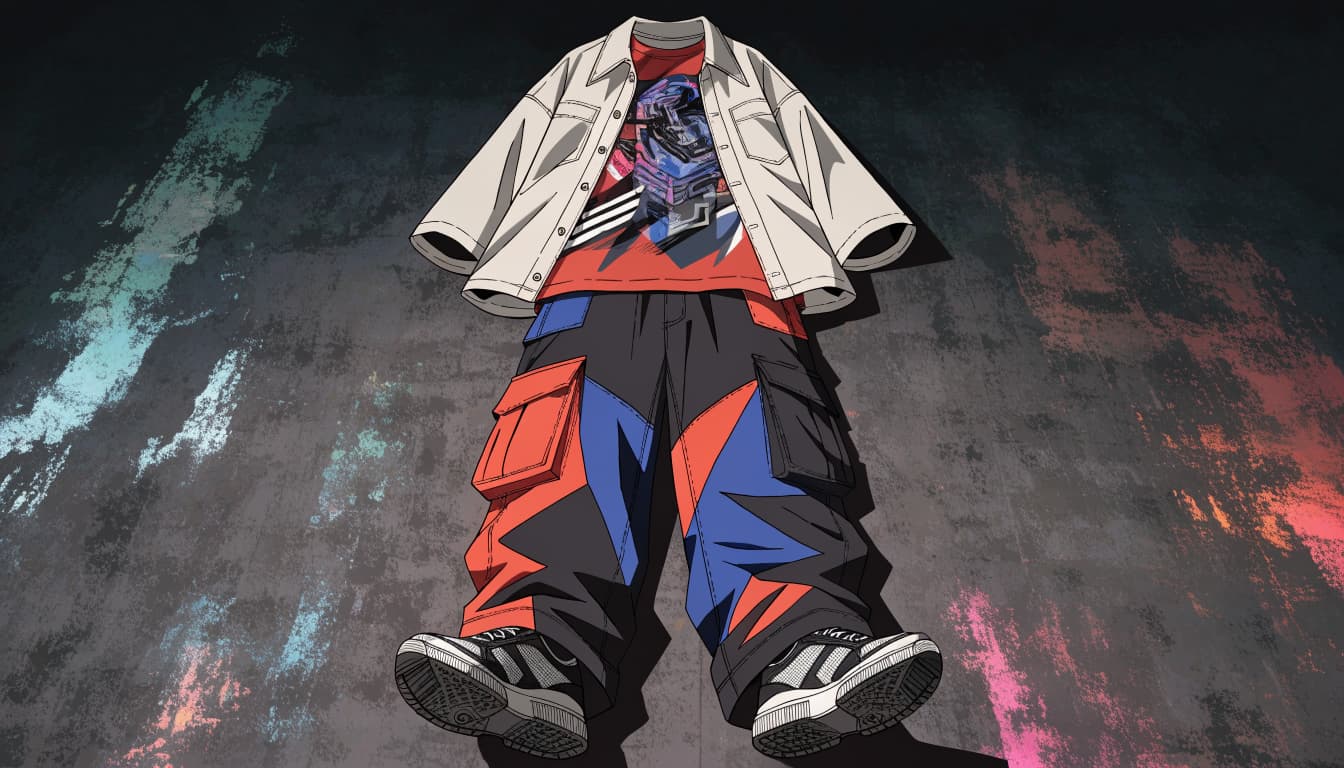
For a post-interview celebration, try dark-wash denim with a graphic tee and an open overshirt or zip hoodie. Leave enough of the design visible that the layer frames it rather than deleting it.
TrendReactTees.STORE's cyber-brutalist shirt style guide explains the glitch textures, distorted anime imagery, and sharp layouts behind the aesthetic.
Let one graphic lead. Repeat one color in your shoes or accessories if you want cohesion, but skip the twelve-item fandom inventory.
An intentional fit can stay comfortable and repeatable. Use pieces you already wear, then add one detail you enjoy. Your headphones don't need to become a prop just because your outfit has lore.
Frequently Asked Questions
Can you wear jeans to a teen job interview?
You can wear dark, clean, rip-free jeans when you've confirmed that the employer accepts them. Check whether the guidance applies to applicants, not only current employees. If you're unsure, chinos or smart trousers are safer.
Do you need to wear a suit to your first interview?
You usually don't need a suit for a typical first job. A blazer or more formal outfit can make sense at a formal office or when the employer requests professional business attire. Follow any instructions in your interview invitation before buying or borrowing a suit.
What should you wear if you don't own dress shoes?
Choose your cleanest, simplest closed-toe shoes if they fit the workplace's expectations. Wipe the uppers and check the laces and soles. If your only pair is unsuitable, ask a trusted adult about borrowing shoes, then check the fit before interview day.
What if the employer doesn't share a dress code?
Ask your contact, "What do applicants usually wear to interviews for this role?" That's a reasonable preparation question, not an admission that you missed some secret fashion tutorial. If you can't get an answer, choose neat basics one step more formal than everyday workwear.
Your Outfit Should Leave You Free to Focus
You don't need a costly or perfect outfit to make a good impression. Choose job-appropriate basics that fit comfortably, then check them before interview day.
Your clothes should leave you free to talk about your availability, interest, and readiness to learn. You have enough to think about without negotiating with a slippery waistband or brand-new shoes.
Set out your outfit tonight. Tomorrow, you can focus on the conversation instead of treating your closet like an emergency loading screen.