

Lilac vs Blue French Bulldog: How to Tell Them Apart
How can you tell a lilac French Bulldog from a blue one, and does the color change anything about health or value? If you're comparing lilac vs blue French Bulldog photos, your camera roll may be making the question harder. Slate gray and pale taupe can look surprisingly similar under bad lighting.
Both coats involve diluted pigment. Blue typically comes from diluted black pigment, while lilac usually combines dilution with chocolate-colored pigment. That's the useful distinction, but a coat color can't tell you whether a dog is healthy or suited to your home. Start with what you can see, then check what the records say.
Key Takeaways
- Blue French Bulldogs usually have a cool, slate-gray coat; lilac dogs often look warmer and paler.
- Lilac generally combines dilution with chocolate-colored pigment. Photos alone can't confirm that genetic combination.
- Blue and lilac fall outside major French Bulldog breed standards, but a nonstandard coat doesn't determine a dog's worth.
- Dilute coats can carry a risk of color dilution alopecia, though many dogs never develop it.
- Health records, temperament, and breathing matter more than a rare-color price tag.
Lilac vs Blue French Bulldog: How Can You Tell Them Apart?
The quickest visual clue is cool gray versus warmer gray-brown. A blue Frenchie often looks like slate or steel. A lilac Frenchie may look silvery beige, pale taupe, or faintly purple-gray. Both are dilute-colored French Bulldogs, and neither shade comes with a built-in personality setting.
If you'd rather see the genetics explained than decode another breeder caption, Embark's video offers a useful color-trait walkthrough. Color genetics still tell you nothing about whether a particular puppy has passed a health evaluation.
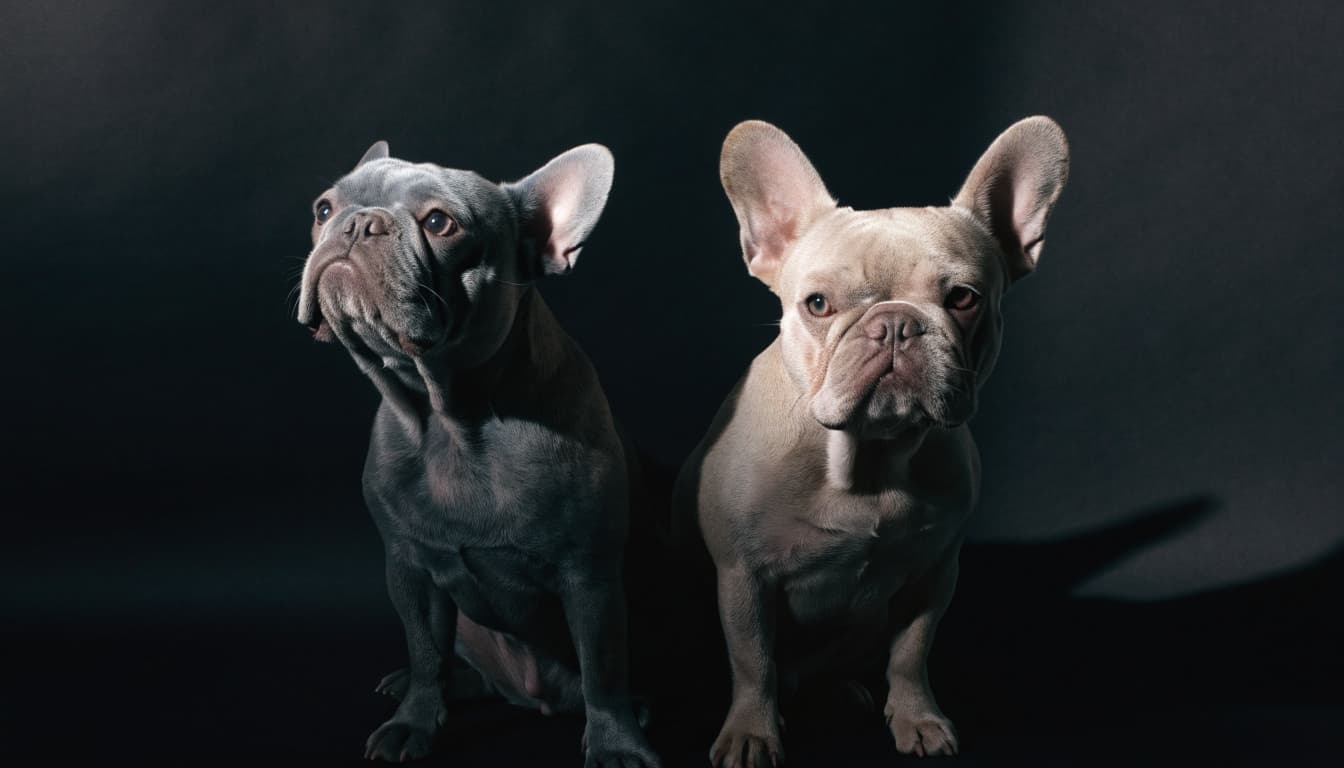
Blue coats tend to look cool and slate gray
A blue French Bulldog usually has a gray coat with a cool cast. Depending on the dog, you might call it steel, charcoal, or smoky silver. White patches and other markings can change your first impression, too.
The underlying explanation is commonly diluted black pigment. The dilution locus is part of that story, as described in this blue French Bulldog color genetics overview. A coat that looks blue in one photo, however, isn't a genetic test result.
Lilac coats are often lighter and warmer
Lilac is commonly used for a coat that combines dilution with chocolate-colored pigment. The result often looks like pale taupe, silvery brown, or gray with a soft purple cast. Nobody mixed purple into the dog. The name describes how the coat appears.
You may also notice differences in the nose and other pigmented areas. Those details can support a closer look, but they aren't a substitute for testing. Breeders don't always use color names consistently, so ask what genetic result they mean by "lilac."
Why lighting and DNA results matter
Put the same Frenchie under warm living-room lights and then outside on an overcast day. You may get two different-looking dogs in your photos. Phone filters, shadows, white markings, and normal variation add more confusion. A pale blue coat and a darker lilac coat can be especially tough to separate by eye.
If a seller's price depends on the label, ask for the actual color-test results and reliable records for the parents. Check that the results belong to the dog or parents being discussed. A confident caption and a purple emoji don't establish parentage.
What Lilac and Blue Coat Colors Mean for Health and Breed Standards
Breed-standard status and medical risk are separate questions. Mixing them together makes it harder to judge an individual dog fairly.
Both colors fall outside major breed standards
The American Kennel Club's French Bulldog standard explicitly disqualifies blue. It doesn't name lilac as an accepted color. The French Bulldog Club of America also identifies blue and gray or mouse among unacceptable colors. Under those standards, neither blue nor lilac is a standard coat choice.
That matters if you're considering conformation showing or a breeder's claims about show eligibility. It doesn't tell you whether a Frenchie will be affectionate, comfortable, or a good companion. A dog doesn't need a show-approved coat to deserve excellent care.
Understand color dilution alopecia without overclaiming
Color dilution alopecia, often shortened to CDA, can affect dogs with dilute coats. It can cause thinning hair, a brittle or broken coat, flaky skin, and patchy hair loss. Some dogs also develop skin problems that need treatment. This French Bulldog breed profile's health discussion notes the association between dilute colors and CDA.
The important word is can. A blue or lilac puppy isn't guaranteed to develop CDA, and a smooth puppy coat can't promise that it won't. If you notice bald patches, persistent flakes, or irritated skin, book a veterinary visit. Your vet can assess the problem rather than treating a color label as a diagnosis.
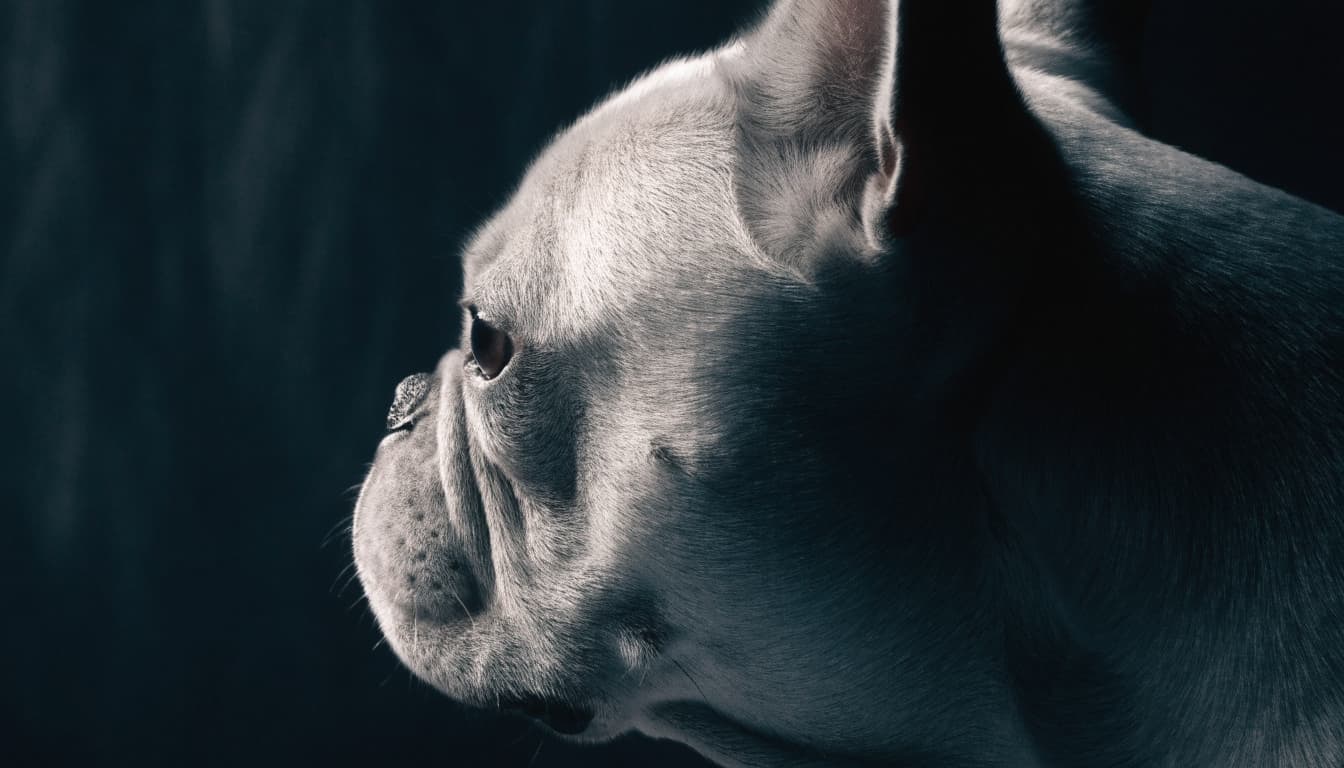
Look Beyond Coat Color When You Assess Health
French Bulldogs need careful health assessment regardless of shade. Their short muzzles make breathing and airway function an important conversation, even when a puppy looks alert and playful. Ask how the parents breathe during normal activity, and discuss any noisy breathing or exercise difficulty with a veterinarian.
The French Bulldog Club of America's health-testing guidance includes evaluations for eyes, heart, hips, and kneecaps. You should also ask about spine concerns, previous medical issues, and the puppy's routine veterinary records. Testing gives you information; it doesn't turn any dog into a zero-risk purchase.
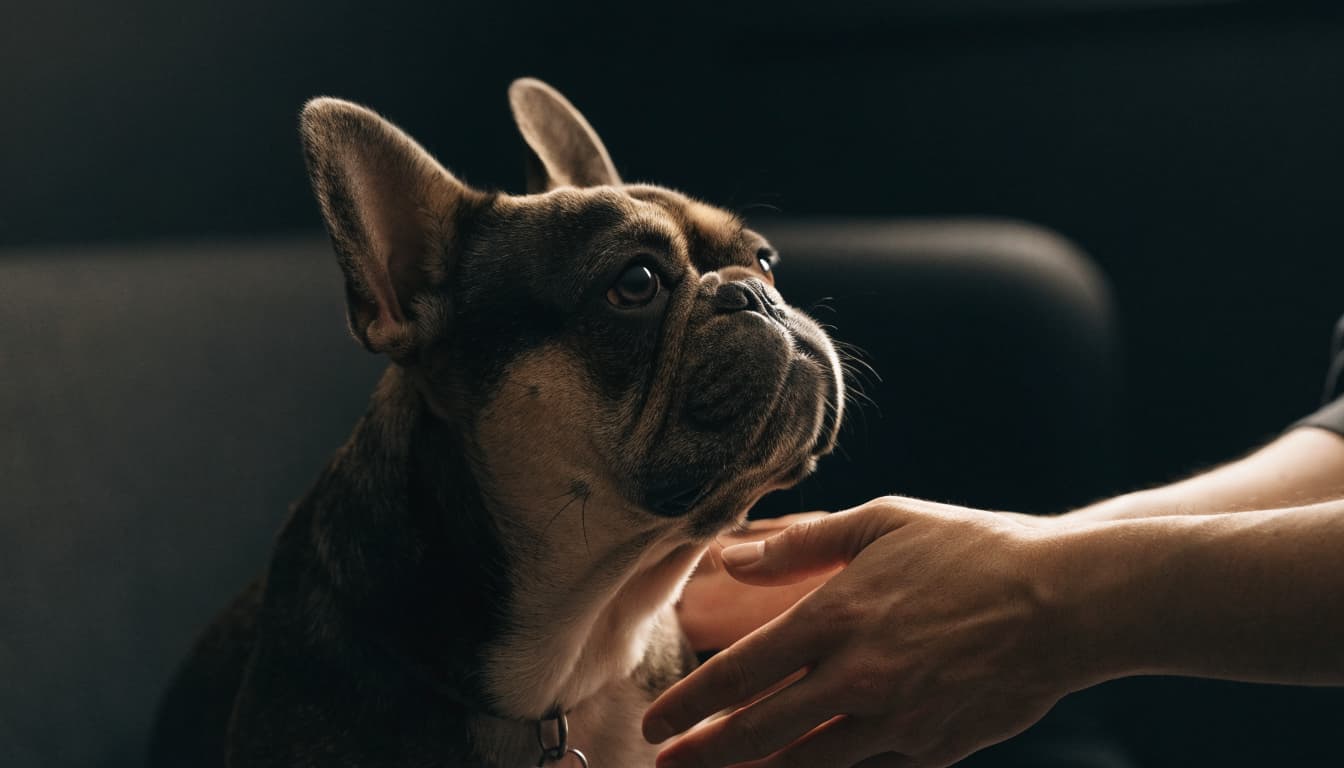
Watch the puppy as well as the paperwork. Notice whether it can move comfortably, recover after gentle play, and settle without obvious breathing distress. Then arrange your own veterinary appointment after bringing the dog home. An appealing coat shouldn't become your excuse to skip that visit.
How to Choose a French Bulldog Without Relying on Color Claims
A seller can call a puppy "rare" in seconds. Showing you clear records takes more effort, which is exactly why those records deserve your attention.
Ask for records, testing, and a clear explanation
Request details for both parents and copies of documented health evaluations. Ask for the puppy's veterinary visits, vaccination record, and any treatment history. Written purchase terms should tell you what happens if a health concern appears after you bring the puppy home.
If the breeder calls the puppy lilac, ask which test supports that claim and which dog was tested. Ask to see how the parentage records connect to the puppy. Someone who understands their breeding decisions should be able to explain them without turning the conversation into a limited-time sales pitch.
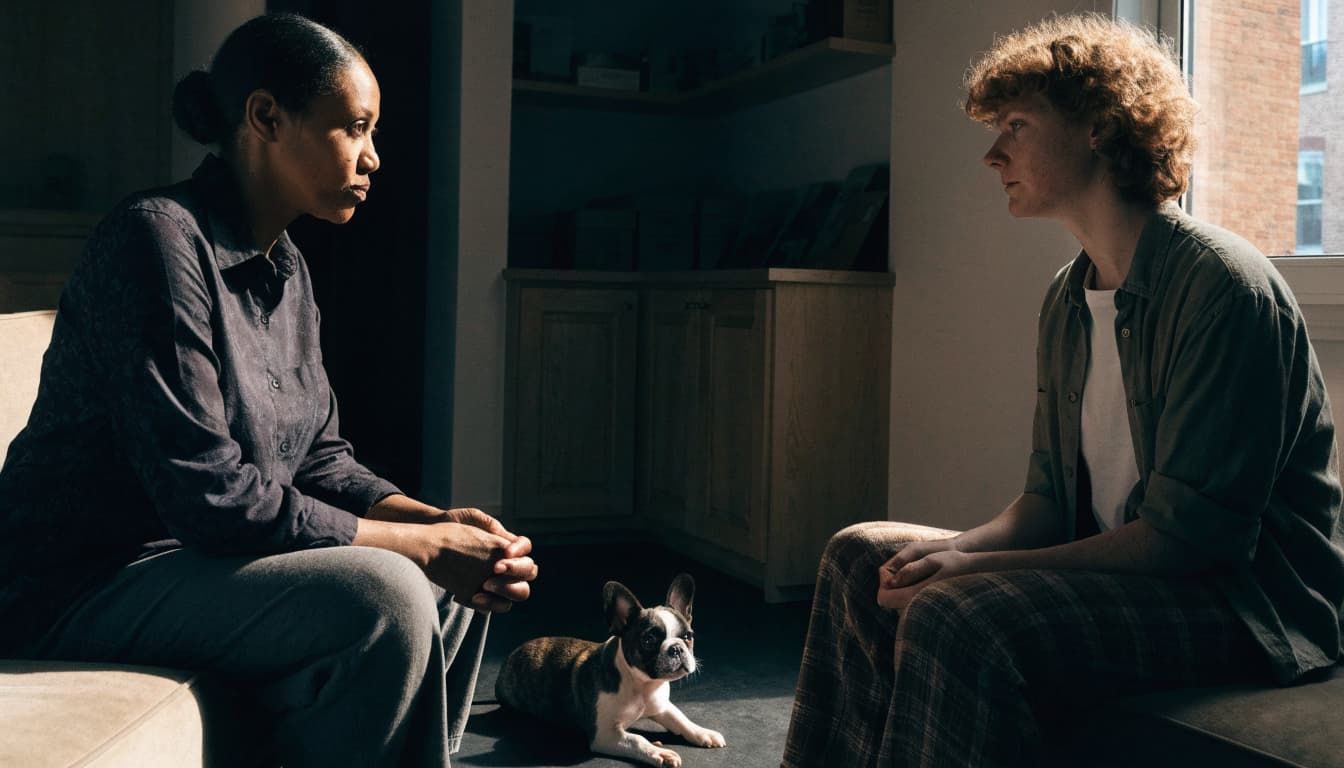
Try to meet the puppy and, when possible, its mother. See where the dogs live and how they respond to people. If you're buying at a distance, request a live video conversation and records you can review before paying. A string of flawless puppy photos tells you less than one straightforward conversation.
Treat rare-color pricing as a seller claim
Some sellers ask more for blue or lilac Frenchies because they market those coats as rare. There's no kennel-club price list that makes either premium official. What one seller charges isn't evidence of good breeding, verified genetics, or a healthy airway.
Compare the complete offer instead: parental health results, the puppy's care, the breeder's practices, and the written contract. Budget for veterinary care beyond the purchase price. If the seller has endless color adjectives but can't produce basic records, you have your answer.
A color test can support a color claim. It cannot replace a health evaluation.
Streetwear & Casual Styling
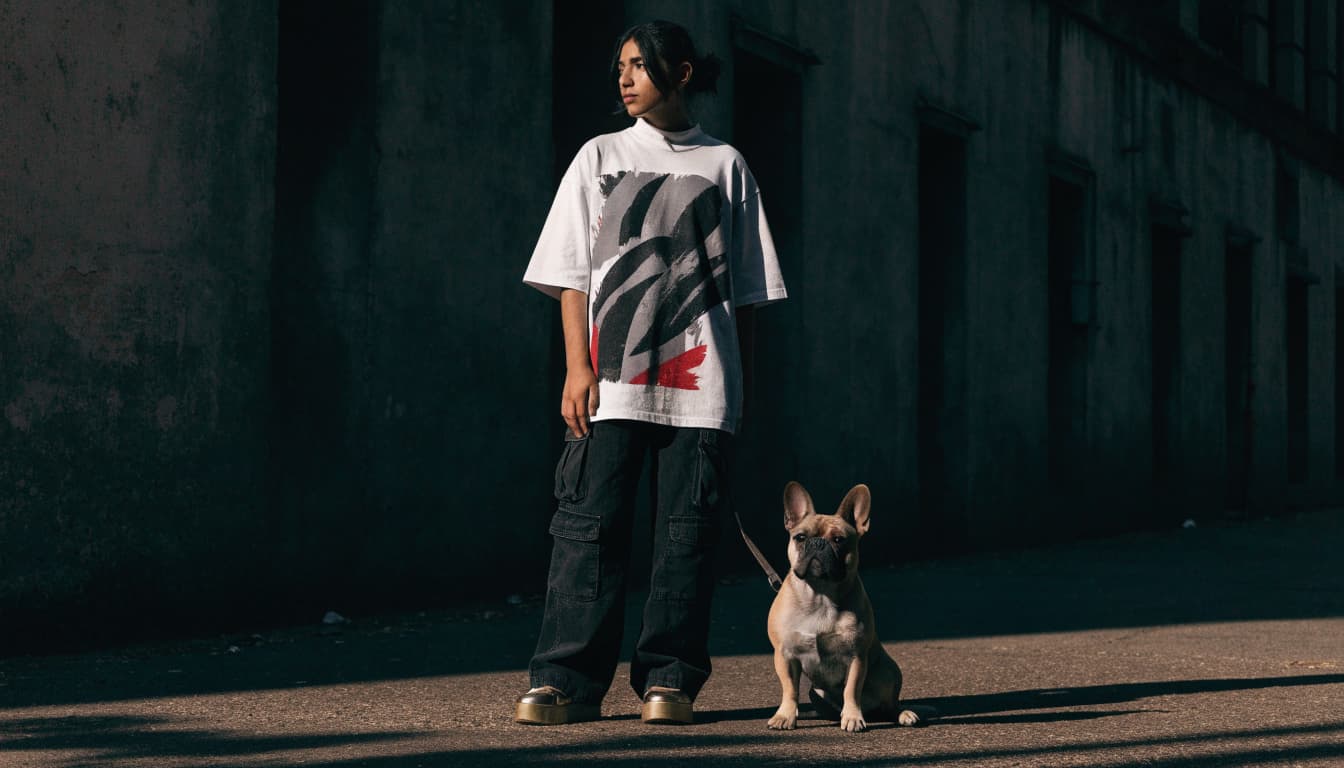
Once you've handled the serious puppy questions, your dog-walk outfit can be the low-stakes part. A Cyber-Brutalist Anime Graphic Tee works with relaxed cargos or dark-wash denim; add a loose overshirt when the weather calls for another layer. Bold artwork gets room to breathe when the rest of your outfit stays simple.
For ideas that keep the print visible, browse these high-contrast anime graphic tee outfits. Choose a look that feels like you, whether your Frenchie is blue, lilac, brindle, or busy investigating a suspicious leaf.
Frequently Asked Questions
Do blue and lilac French Bulldogs have different personalities?
Coat color doesn't establish personality. Spend time with the individual dog and ask about its early care and social experiences. You want a temperament that fits your household, not a personality forecast based on fur.
Can a French Bulldog's coat look different as it grows?
Yes. A puppy's coat can appear different as it matures, and lighting or coat condition can change how the shade looks on a given day. A visual shift alone can't confirm or disprove a genetic color claim. Keep the original test result if the exact color matters to you.
Is a DNA test useful when a breeder calls a puppy lilac?
A color DNA test can help clarify which inherited pigment traits were detected. Check what the test examined, whose sample it used, and whether the parentage records match the puppy. Keep color testing separate from health screening: a lilac result isn't an airway, eye, or joint clearance.
Should you choose a puppy based on coat color?
It's fine to have a favorite shade. Make health information, temperament, responsible breeding, and your daily routine the deciding factors. If a puppy seems like a poor match for your home, a beautiful coat won't fix the mismatch.
Choose the Dog, Not the Color Label
The distinction is straightforward even when the photos aren't: blue typically reflects diluted black pigment, while lilac usually combines dilution with chocolate-colored pigment. Both fall outside major French Bulldog breed standards.
That label tells you far less than a dog's health history and behavior. Ask for records, discuss concerns with a veterinarian, and choose the Frenchie whose needs you can meet. The coat is what catches your eye; the dog is who comes home with you.