

How Long Does Lip Filler Take to Settle?
You catch your reflection after lip filler and, yep, your lips look bigger than expected. Maybe one side looks higher. Maybe there's a tiny firm spot. That first-day mirror check can feel like a jump scare, but it isn't the final boss.
So, how long does it take lip filler to settle? Visible swelling often improves within 3 to 7 days. Most people can judge the result more fairly after 1 to 2 weeks, while some lips need 2 to 4 weeks to fully soften and settle. Your body, the amount injected, the product, and the treatment technique all affect the timeline. Follow your injector's personal aftercare plan over any internet advice.
Key Takeaways
- Lip swelling is often strongest during the first 24 to 72 hours.
- Most lips look less puffy and more natural between days 3 and 7.
- A 1 to 2-week follow-up is usually a better time to judge symmetry.
- Mild firmness, bruising, and unevenness can happen early on.
- Severe pain, color changes, breathing trouble, or vision symptoms need urgent medical attention.
How Long Does It Take Lip Filler to Settle?
Lip filler has three different "finished" moments, and confusing them is where the panic spiral begins.
First, you see immediate volume. Hyaluronic acid filler adds fullness right away, but the injection itself can trigger swelling. Then comes the less-glamorous swelling phase, where your lips may look extra plump, uneven, bruised, or oddly firm.
The first 24 to 72 hours are often peak puffiness territory. By days 3 to 7, swelling commonly starts backing off and the shape becomes easier to read. Around 1 to 2 weeks, many injectors can make a more useful assessment of balance and volume. Some people need closer to 2 to 4 weeks for lingering firmness or tiny uneven areas to soften.
The U.S. Food and Drug Administration notes that filler side effects like swelling and bruising can resolve within days to weeks. The American Society of Plastic Surgeons also says swelling and bruising commonly settle within a couple of weeks. Translation: don't let Day One write a dramatic fanfic about your final result.
Your Lip Filler Settling Timeline, Day by Day
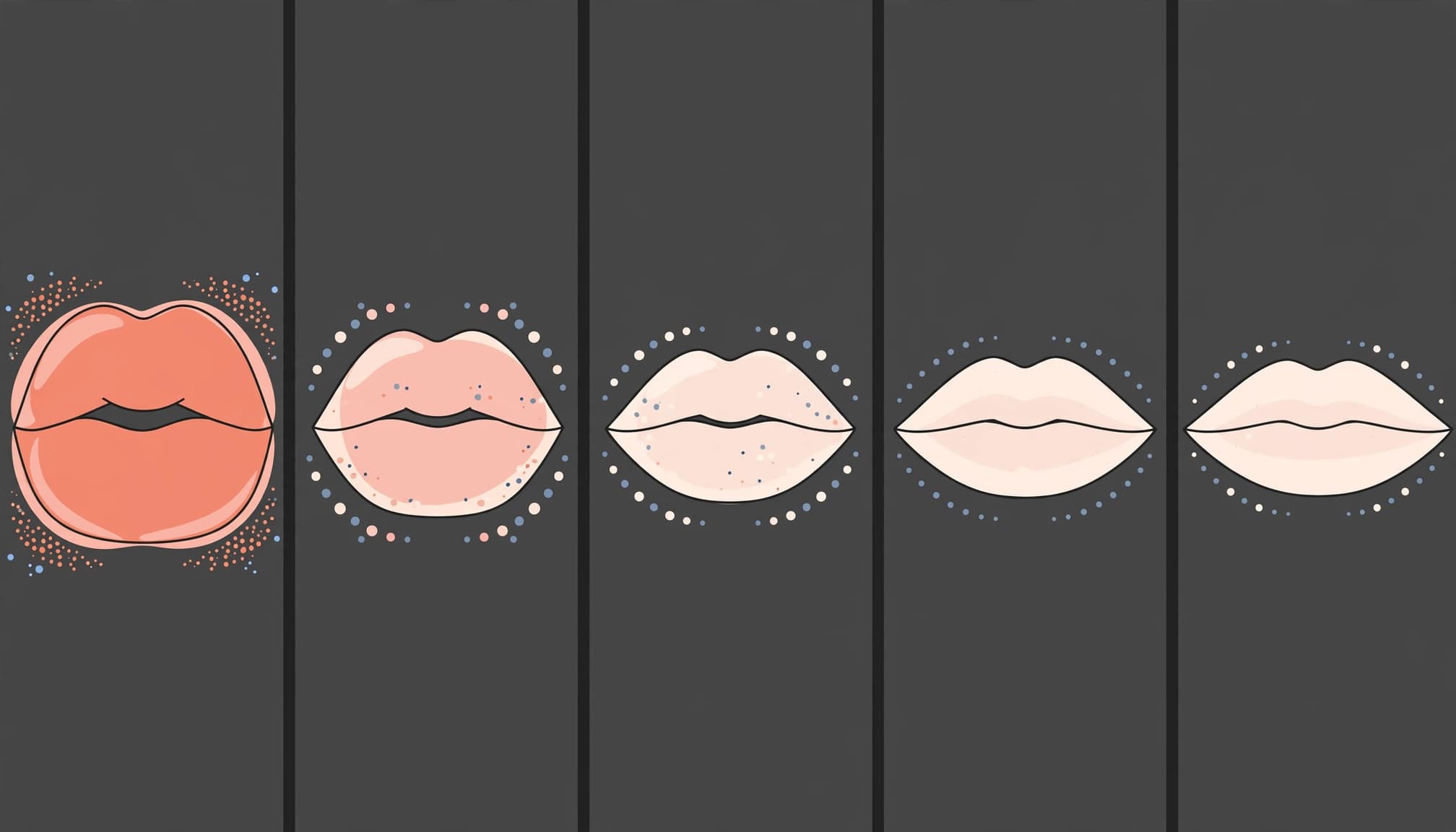
Immediately after treatment, your lips may look fuller than planned because filler volume and injection swelling are sharing the spotlight. Tenderness, slight numbness, pinpoint bleeding, and redness can also happen.
At 24 to 72 hours, swelling may peak. Bruising can become more obvious, and one side may look puffier than the other. Days 3 to 7 often bring steady improvement, though firmness and mild asymmetry can still be hanging around.
By days 7 to 14, many people see a more natural shape. Between weeks 2 and 4, small firm areas may soften further. Recovery isn't a speedrun, but things should generally improve rather than worsen.
When You Can Expect to See the Real Result
Your lips look fuller right away, but that isn't the same as seeing the final shape. Swelling can make borders look less defined and make the upper lip appear more dramatic than intended.
A follow-up around two weeks is often a better time to talk about symmetry, volume, or whether anything needs attention. Some providers wait up to four weeks before considering an adjustment. A tiny Day Two difference can disappear once inflammation logs off.
What Affects How Quickly Lip Filler Settles?
There isn't one universal clock for filler recovery. Two people can receive the same amount of product and have wildly different puffiness levels afterward. Bodies love being unpredictable little goblins.
A larger amount of filler can mean more early swelling. Treating several areas of the lip, adding definition to the border, or correcting old asymmetry can also make the first few days look more intense. Injection technique matters too, which is why filler belongs in the hands of a qualified medical professional.
The type of hyaluronic acid filler can affect how the lips feel while healing. Some products are designed for soft movement, while others provide more structure. Previous filler may also change how new treatment sits, especially if older product remains in the tissue.
Your own inflammatory response matters most. You may bruise easily, retain swelling longer, or recover fast enough to make your group chat suspicious. None of that automatically means something went wrong.
Why Your Lips May Look Uneven or Lumpy at First
Mild unevenness, firmness, small lumps, and bruising can happen while swelling settles. One side may have received more needle passes, or one area may simply be holding more fluid. Early asymmetry doesn't automatically mean filler was placed incorrectly.
Don't press, knead, poke, or massage your lips unless your injector tells you to. Trying to DIY-fix a tiny bump can irritate the area and make the situation messier.
A small firm spot that improves over time is different from a lump that gets larger, painful, red, or warm.

How Lifestyle and Aftercare Can Change Swelling
Heat, alcohol, intense workouts, pressure on the lips, and salty foods can make swelling or bruising look more noticeable for some people. This isn't the week for hot yoga, sauna marathons, or a full send at bottomless brunch.
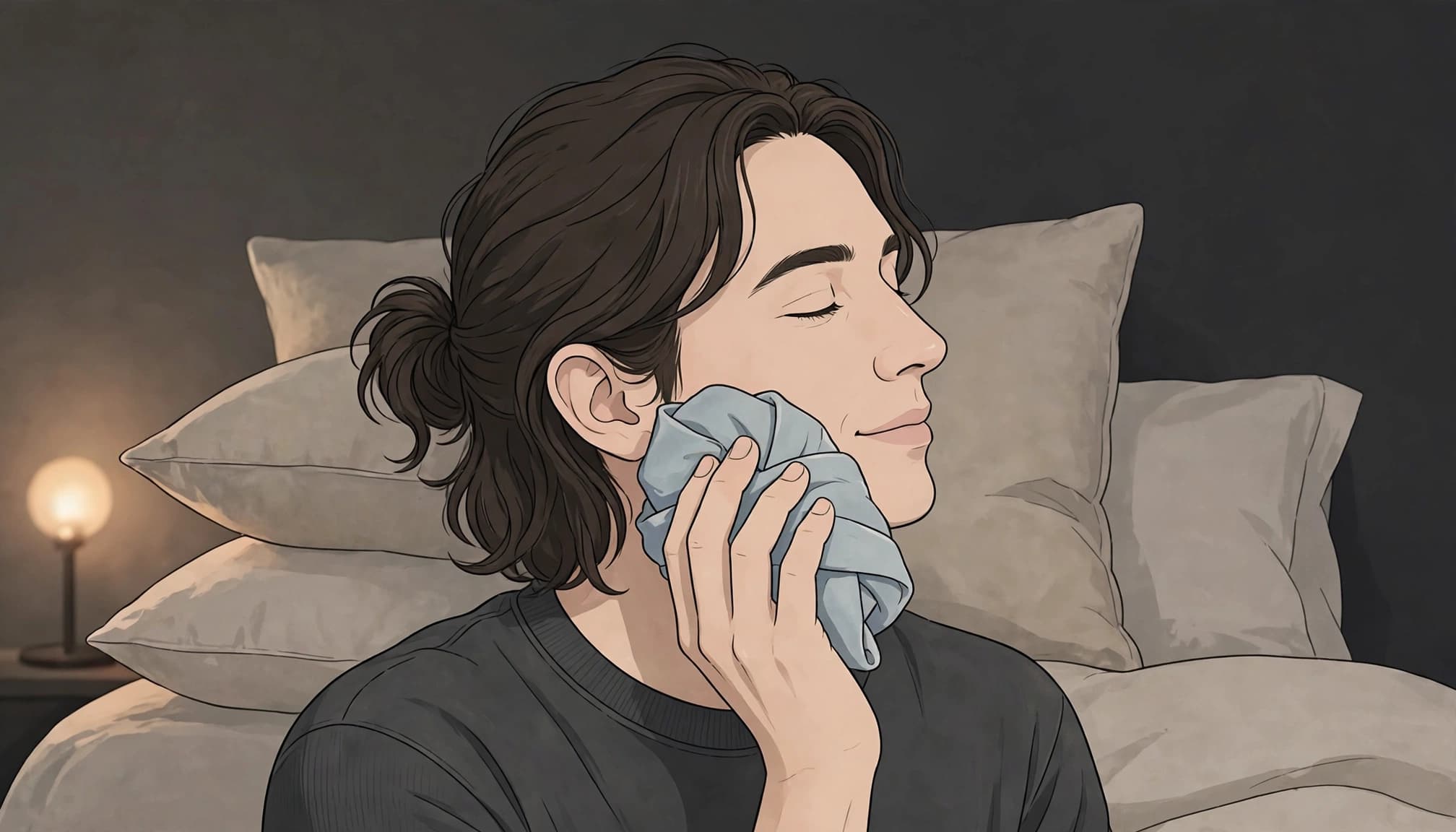
Use a wrapped cold compress for short periods if your provider approves it. Sleep with your head slightly elevated the first night, drink water, and stick to gentle activities until your injector clears you for more. Eating, drinking, and lip balm are usually fine unless you received different instructions.
Don't Try to Fix the Result on Day One
Post-filler anxiety has a favorite hobby: zooming into your front camera at 300 percent and treating every shadow like a medical mystery. Skip that.
Take one clear photo each day in similar lighting instead. Avoid comparison photos taken from different angles, under bathroom fluorescents, or after a salty dinner. The goal is to spot a recovery trend, not manufacture a side quest.
If you're worried, message your injector with a photo and a clear description of what changed. They know what product was used, where it was placed, and what your lips looked like before treatment. That context beats internet detective work every time.
How to Help Lip Filler Settle Safely and When to Get Help
Keep your aftercare boring. Boring is good here.
- Use a wrapped cold compress for short intervals if your provider approves it.
- Sleep with your head elevated on the first night when possible.
- Stay hydrated and avoid heat, alcohol, and intense exercise for the period your injector recommends.
- Leave your lips alone unless your treating professional tells you otherwise.
Contact your injector promptly if pain is worsening instead of easing, or if swelling and lumps become more pronounced after initially improving. Spreading redness, warmth, pus, fever, or worsening tenderness can point to infection and shouldn't be monitored at home like it's a weird software bug.
Seek urgent care based on the severity of the symptom if you have severe pain, pale or white skin, gray skin, dusky purple or bluish discoloration, cold skin, blistering, increasing firmness with color changes, trouble breathing, widespread hives, or vision changes. These can be signs of vascular compromise, infection, or an allergic reaction.
The FDA lists unusual or increasing pain, vision changes, and white, gray, or blue skin near an injection site as warning signs that need immediate attention. Don't wait to see if those symptoms "settle."
When to Schedule a Follow-Up or Filler Adjustment
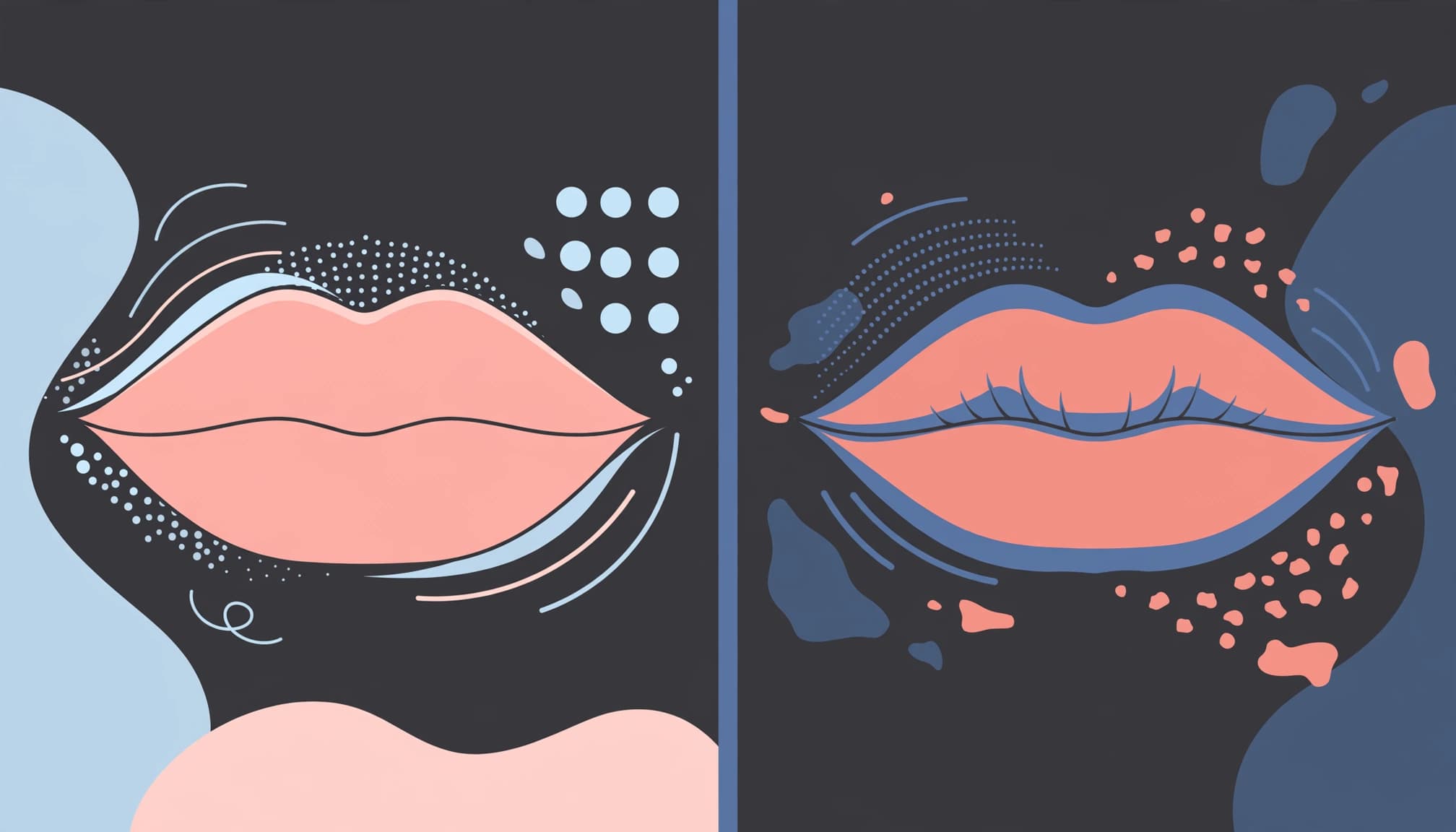
Many providers assess results around the two-week mark because early swelling can distort shape and symmetry. Some will wait longer if your lips are still settling.
Bring clear progress photos taken in similar lighting. Tell your injector exactly what concerns you, whether it's one side appearing fuller, a firm spot, or a shape issue that hasn't changed. Any adjustment should be decided by a qualified provider after they examine your lips in person.
Frequently Asked Questions
Can I kiss after getting lip filler?
Gentle contact may be fine after the period your injector recommends, but avoid putting pressure on newly treated lips right away. Your provider may tell you to wait longer depending on swelling, bruising, or the injection technique used.
Can I wear lipstick after lip filler?
Lip balm is often allowed, and many people can wear makeup after the initial recovery window. Apply it gently with clean hands or a clean applicator. If your lips have injection marks, significant tenderness, or open skin, ask your injector before adding products.
Why do my lips feel hard after filler?
Firmness can happen while swelling settles and the filler integrates with surrounding tissue. It often improves over the next couple of weeks. Contact your injector if firmness is painful, worsening, paired with skin color changes, or still concerning after the recovery period they gave you.
Can I sleep on my side after lip filler?
Most providers recommend avoiding pressure on your face for the first night. Sleeping on your back with your head elevated can help you avoid compressing swollen lips. After that, follow the timeline your injector gives you.
When can I work out after lip filler?
Many injectors suggest skipping strenuous exercise for at least 24 hours, sometimes longer. Heat and increased blood flow can make swelling and bruising more obvious. Your own aftercare instructions win over any generic timeline.
Give Your Lips Time to Clock Out of Swelling Mode
The first 1 to 3 days are often the puffiest. Your lips commonly look more settled after 1 to 2 weeks, and some lingering firmness or unevenness may take up to 2 to 4 weeks to calm down.
Patience and provider-approved aftercare beat panic checking. If a concern persists or worsens, contact your injector. Severe pain, major color changes, breathing problems, or vision symptoms need prompt medical attention.