

How to Write a Love Poem That Sounds Like You
TrendReactTees.STORE TeamA meaningful love poem doesn't need grand language or perfect rhymes. It needs a real detail and words that sound like you, even if your usual vocabulary has more gaming references than sonnets.
This post may contain affiliate links. If you make a purchase through these links, I may earn a small commission at no extra cost to you.
If you're pairing your poem with a gift, the Heart.Exe Online Tee and Love Is My Glitch Tee bring a little tech humor to the occasion. Your poem can be sweet, funny, awkward, or all three. Start with a moment you remember, then give yourself room to write before you edit.
Key Takeaways
- Start with one specific memory, gesture, or shared joke that means something to you.
- Choose a few sensory details that bring the moment to life without crowding the feeling.
- Try free verse, rhyme, an acrostic, or a sonnet based on the mood you want.
- Read your draft aloud, cut repeated ideas, and keep the words that sound like you.
- Give your ending an honest emotional turn instead of forcing a dramatic declaration.
Love Making Poems Starts With One Real Moment
Love can feel like a giant subject with far too many tabs open. Give your poem one place to start: a quiet ride home, a ridiculous shared joke, or the time someone saved you the last bite.
A particular moment gives you something you can describe. You don't need to explain your entire relationship history before you reach the good part.
For another take on writing with feeling, watch Nathan Hassall's video, "How to Write a Love Poem (That Isn't Cringe)."
Notice the small details that make the moment yours
Try a quick exercise. Write down the romance words that come to mind first, such as "heart," "forever," and "soul." Set that list aside, then write down the less obvious things you associate with your person.
Maybe it's a familiar laugh through a headset, the smell of takeout on a bus, or the way they remember your favorite snack. Think about what you saw, heard, smelled, touched, or tasted.
Choose one detail with a feeling attached to it. A precise memory gives you more to work with than a page of compliments that could fit anyone.
Turn the memory into a simple first draft
Write what happened as if you're telling a friend. Then add what you felt and why that moment stayed with you. Connect those pieces in a few sentences, even if the result looks more like a text message than a poem.
For example, you might remember a late-night call that made a rough day feel less lonely. Start with the call and the sound of their voice. You can decide later where a line should end or whether a rhyme belongs.
If you need another starting point, browse the poetry prompts from Poets & Writers. A prompt can help you get words on the page without deciding how the finished poem should look.
Use Imagery and Honest Emotion to Make Your Poem Feel Personal
Imagery gives your reader something to see, hear, or feel. You don't need an entire inventory of sensory details, though. Pick the ones that belong to the moment and make the emotion clearer.

Replace familiar love clichés with your own details
"I love spending time with you" says something true, but it could describe almost any relationship. A line such as "You saved me the crispy edge of the pizza" gives your reader a moment they can picture.
Use the detail that fits your life. Maybe your person sends you an absurd meme when you're stressed or waits until you're home to start the next episode. Those oddly specific habits can say plenty about affection.
Hearts, stars, and "forever" aren't banned words. If one feels honest, keep it. If it sounds like it came preinstalled in a greeting card, look for something more personal.
You can also name the feeling directly. "I felt safe" may be exactly what the moment needs, especially when the lines around it show why.
Let your images carry the feeling
A place, object, sound, or habit can suggest love without an explanation after every line. A spare seat on the bus might suggest a familiar routine. A controller left on the couch might recall the game you always play together.
Choose an image that belongs to the emotion you want to share. If the poem is about comfort, stay close to the details that make that comfort visible. You don't need to add a moon, a thunderstorm, and a galaxy because poetry seems to demand special effects.
Use concrete nouns and verbs where you can. "You warmed my hands around your coffee cup" gives you an action to picture. Read it beside the rest of your draft and keep it only if it belongs to your memory.
Choose a Poem Form That Fits What You Want to Say
Your poem can follow natural speech or a structure with rules. Pick a form that suits your message, rather than squeezing your message into a form you don't enjoy.
You can write a free draft first and test a different shape later. There is no final boss waiting to grade your first attempt.
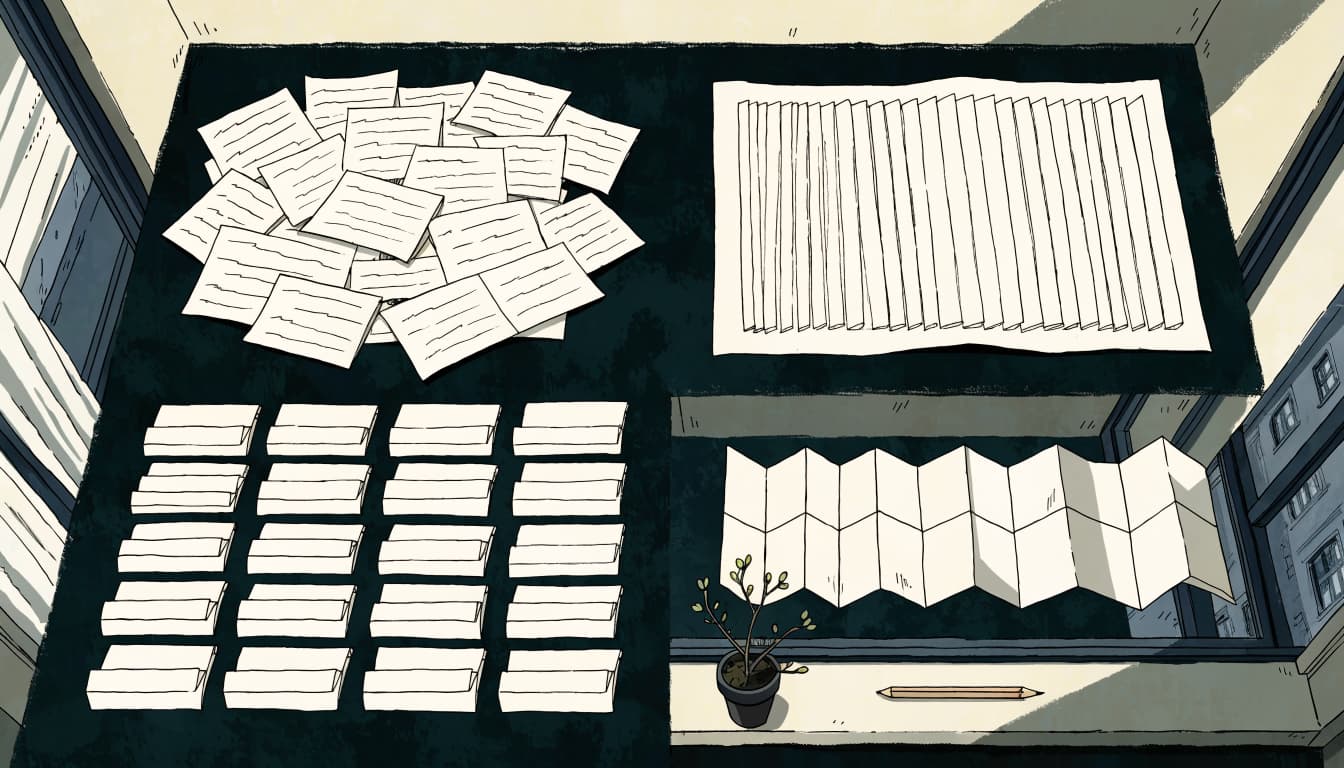
Try free verse when you want your voice to sound natural
Free verse gives you room to write without a fixed rhyme scheme or meter. Start with the sentences you already have, then experiment with where you break them into lines.
A line break can give a detail extra attention or create a pause before the next thought. A stanza break can separate the moment itself from what it meant to you. Read both versions aloud and notice which arrangement feels closer to how you'd say the words.
Don't worry about making every line the same length. Focus on making the breaks easy to follow. If your reader has to untangle a sentence to understand it, try a different break.
Use rhyme or a set form when it supports the message
Rhyme can add a playful or musical feel, especially in a short poem. Read your lines aloud and listen for words you chose only because they matched. If a rhyme makes you sound like a character you never intended to play, change the wording.
An acrostic uses the first letters of its lines to spell a word or name. It's a fun option for a short gift poem, particularly when the letters give you a useful starting point.
A sonnet has 14 lines and offers a more structured way to develop a thought. Traditional sonnets often follow patterns of rhyme and rhythm, but you can begin by experimenting with the 14-line shape. Give yourself permission to learn the stricter patterns later.
Revise Your Love Poem So Every Line Earns Its Place
A first draft's job is to exist. Revision is where you decide which details belong and which lines can log off.
If you have time, step away before your final edit. Coming back with fresh eyes makes it easier to spot a repeated idea or a phrase that doesn't sound like you.
Read it aloud and listen for awkward lines
Read the poem at a comfortable pace. Listen for stiff phrases, repeated words you didn't intend, and places where a line break makes the meaning confusing. Change what sounds unnatural or unclear, then read it again.
Next, look for vague words you can make more precise. If you wrote "you did something nice," name the action. If two lines express the same thought, keep the one with the detail you like best.
You can ask a trusted person for feedback, too. Tell them whether you want help with clarity, rhythm, or the overall feeling. Their suggestions are useful options, not mandatory software updates. Keep the voice and details that feel true to you.
Keep the ending clear, warm, and true
Your ending doesn't need a dramatic confession or a promise that stretches beyond what you mean. It can return to the image you started with, offer a small emotional turn, or say something direct.
If you began with a late-night call, you might end with what hearing that voice means to you. If the poem centers on the last bite of pizza, you could close on the feeling of being remembered.
The Academy of American Poets' thoughts on a poem's purpose offer a useful reminder: what you want to say can shape how you say it. Let that purpose guide your final lines.
Streetwear & Casual Styling
Your poem gets to sound like you. Your outfit can share your mood, too, whether that's soft-hearted, sarcastic, or somewhere between the two.

For an easy look built around Cyber-Brutalist Anime Graphic Tees, pair the Free Love Cyberpunk Tee with relaxed jeans and simple sneakers. Add an open overshirt when you want a light layer that lets the graphic stay visible.
The Love Always Wins Valentine's Tee works with the same casual setup if your mood calls for a more openly romantic graphic. Choose jeans you already feel good in, add your favorite sneakers, and let the tee do its thing.
You don't need a coordinated couple's outfit or a special event. A graphic that makes you smile is enough reason to wear it on an ordinary day.
Frequently Asked Questions
How do you start a love poem if you feel stuck?
Pick one memory, object, or detail that reminds you of the person. Write down what happened in plain language before you try to make it poetic. You can find the line breaks and stronger words once you have something to work with.
Does a love poem have to rhyme?
No. You can use rhyme when it fits your voice, but free verse is an option too. Clear images and natural wording will carry more feeling than a rhyme you had to wrestle into place.
How long should a love poem be?
Your poem can be a few lines or several stanzas. Let the moment and message decide its length, then cut anything that repeats an idea without adding something new. A short poem in a card can feel as personal as a longer one.
Can you write a love poem for someone you have just started dating?
Yes. Keep your words honest and proportionate to where the relationship is now. A detail from a conversation or date can express interest without making promises you don't mean.
Write the Poem Only You Could Write
You don't need to be an expert to write a love poem that means something. A real moment gives you a place to begin, and the details you notice give the poem its personality.
Write the first version in your own words. Then read it aloud, make a few thoughtful edits, and keep the lines that sound like you. The result doesn't have to be flawless to be worth sharing.