

Maine Coon Calico Mix: Coat, Size, Care & Temperament
TrendReactTees.STORE TeamA Maine Coon calico mix combines possible Maine Coon ancestry with a calico coat pattern. If your cat's look deserves a matching human outfit, our Lucky Cat Charm Tee and Cat Mom Legend Tee bring feline energy to your wardrobe.
The label gives you a few clues, not a blueprint. Your cat's adult size, coat texture, and personality depend on the individual and its background, so expect some variation rather than a guaranteed giant fluffball with a ready-made character sheet.
This post may contain affiliate links. If you make a purchase through these links, I may earn a small commission at no extra cost to you.
Key Takeaways
- Calico describes a coat pattern, while Maine Coon refers to a breed.
- A calico coat alone can't confirm Maine Coon ancestry or predict adult size.
- Mixed cats may inherit some Maine Coon traits, but each cat develops individually.
- Grooming needs depend on coat texture, not color.
- Ask about health history and arrange routine veterinary care.
What Does a Maine Coon Calico Mix Actually Mean?
The phrase combines two different kinds of information. Maine Coon describes a breed; calico describes a coat pattern. A cat can have Maine Coon ancestry and calico coloring, but those labels don't establish the same thing.
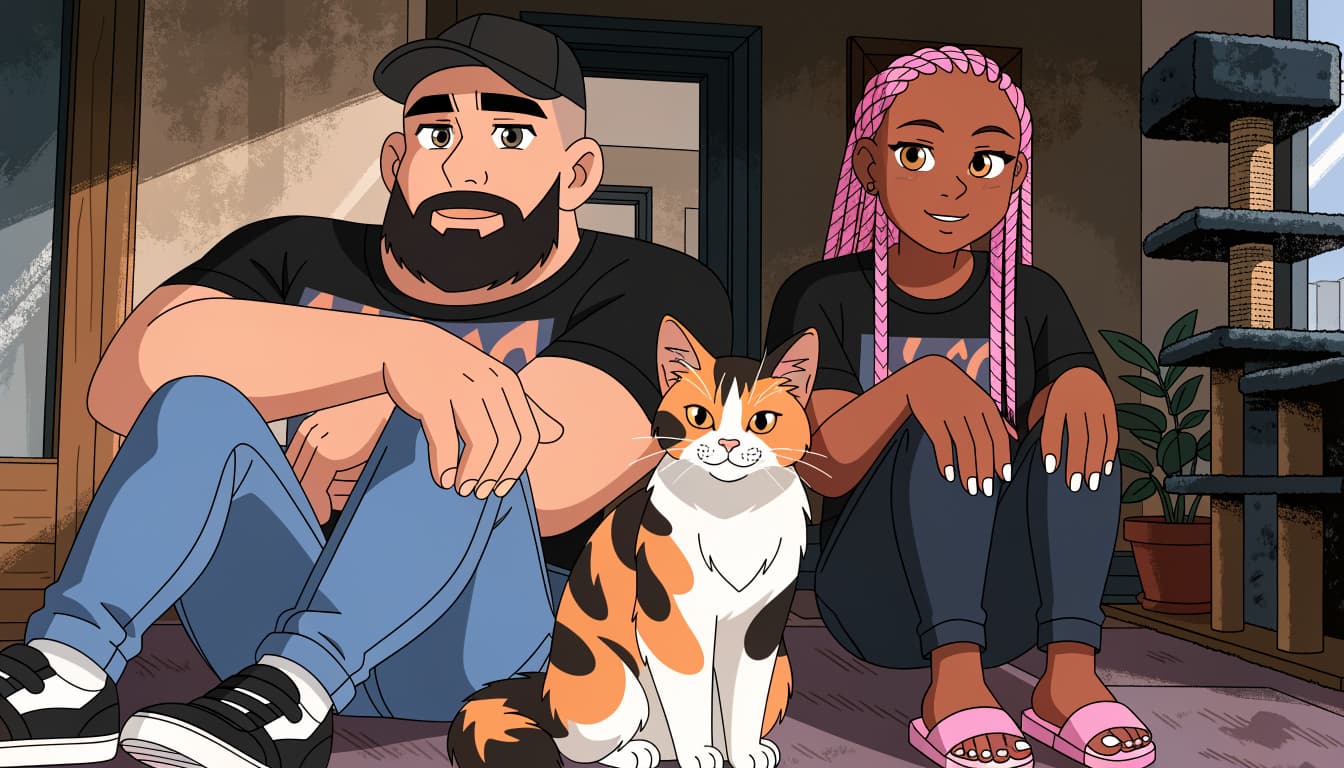
Calico coats usually show white alongside patches of black and red or orange. A dilute calico has white, blue-gray, and cream instead. These colors describe appearance, not family history. Maine Coons can have calico coloring, but plenty of other cats can wear the same palette.
A coat pattern can't prove ancestry
The word "mix" doesn't tell you how much Maine Coon ancestry a cat has, or whether that ancestry is documented. A shelter or caregiver may use the label based on known parentage, family history, or a resemblance to the breed. Those clues can be useful, but a fluffy coat and impressive whiskers aren't a pedigree certificate.
The Cat Fanciers' Association includes calico among Maine Coon color patterns. That means calico coloring can occur in the breed, not that every calico cat is a Maine Coon. The TICA Maine Coon breed profile also describes the breed's physical traits and coat.
Why most calico cats are female
The genes that affect orange and non-orange pigment are linked to the X chromosome. A typical female cat can inherit one X chromosome associated with orange coloring and another associated with non-orange coloring. That combination can produce the familiar patches, while white spotting is controlled separately.
Male calico cats are uncommon because their typical chromosome pattern doesn't provide the same combination. Some have an atypical chromosome arrangement, but a coat's appearance can't confirm chromosomes, fertility, or health. If you have specific concerns about an individual cat, a veterinarian can advise you.
How Big and Fluffy Could Your Cat Get?
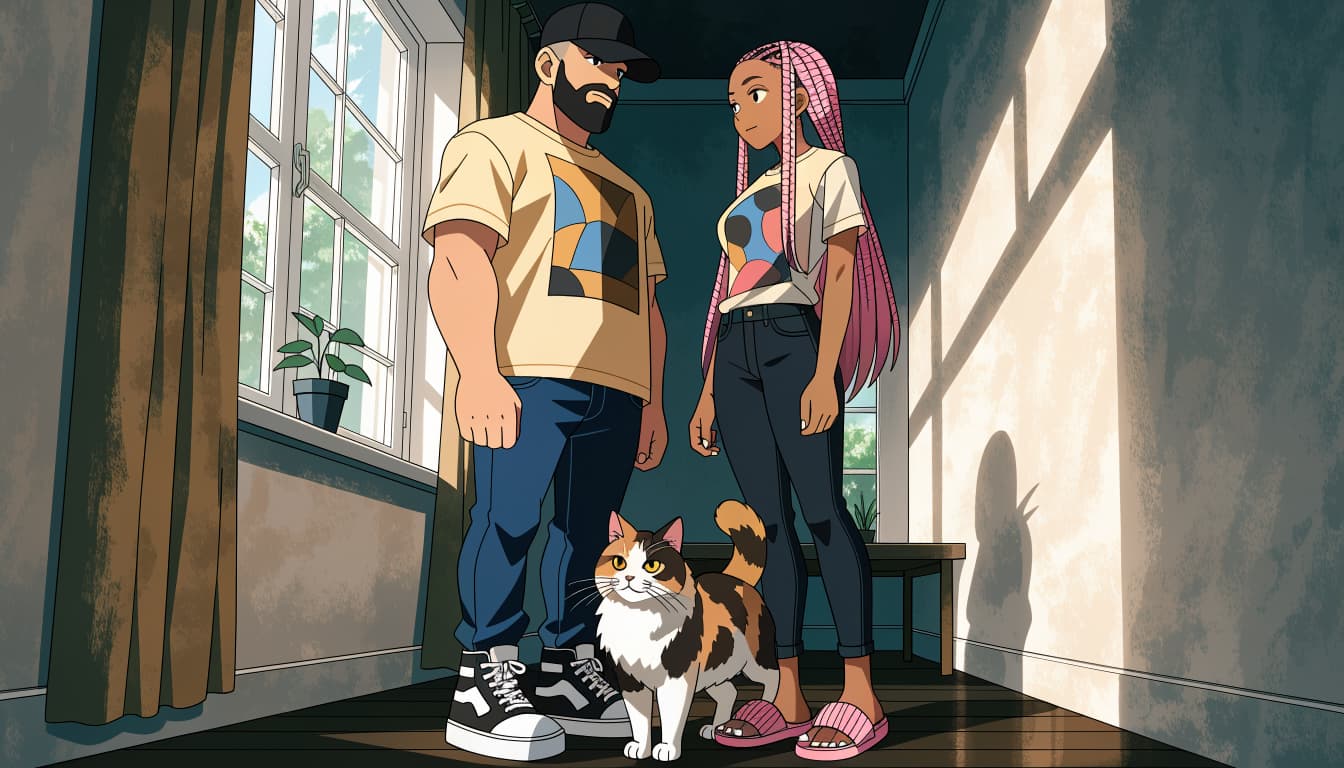
Maine Coons are known for a sturdy frame, broad chest, substantial feet, long bushy tail, and semi-long coat. Ear tufts and a fuller ruff may add to the unmistakable "I own this couch now" silhouette. A mixed cat might inherit several of those traits, just one, or none of the more dramatic features.
TICA lists mature Maine Coon averages of 13 to 18 pounds for males and 9 to 13 pounds for females. Those are breed averages, not a forecast for a mixed cat. Your cat's parents, age, health, and individual build offer more useful context than a breed label alone.
Growth and coat length vary
Maine Coons can take up to three years to reach full maturity. That timeline doesn't automatically apply to every mix, so don't treat a kitten's paws as a reliable adult-size calculator. Your veterinarian can help you track healthy growth and body condition as your cat matures.
Coat color doesn't predict body size. A bright orange patch won't add pounds, and a blue-gray dilute coat won't make a cat petite. For coat details, TICA's Maine Coon introduction describes the breed's semi-long coat and where it tends to be longer.
Calico and tortoiseshell aren't the same pattern
A typical calico has white areas alongside black and red or orange patches. Dilute calicos show lighter blue-gray and cream instead. Patch placement and size vary, so no two coats need to follow the same paint-by-numbers layout.
Tortoiseshell coats also mix black and orange or red, but usually have less white. The difference is about the coat pattern, not ancestry. Neither a calico nor tortoiseshell pattern tells you how large a cat will grow or which breed traits it may inherit.
What Personality Can You Expect From a Maine Coon Calico Mix?
Maine Coons are often described as social and playful. Your mixed cat may share those tendencies, but breed descriptions aren't personality guarantees. Early experiences, individual temperament, and the home environment all shape how a cat responds to people and everyday life.
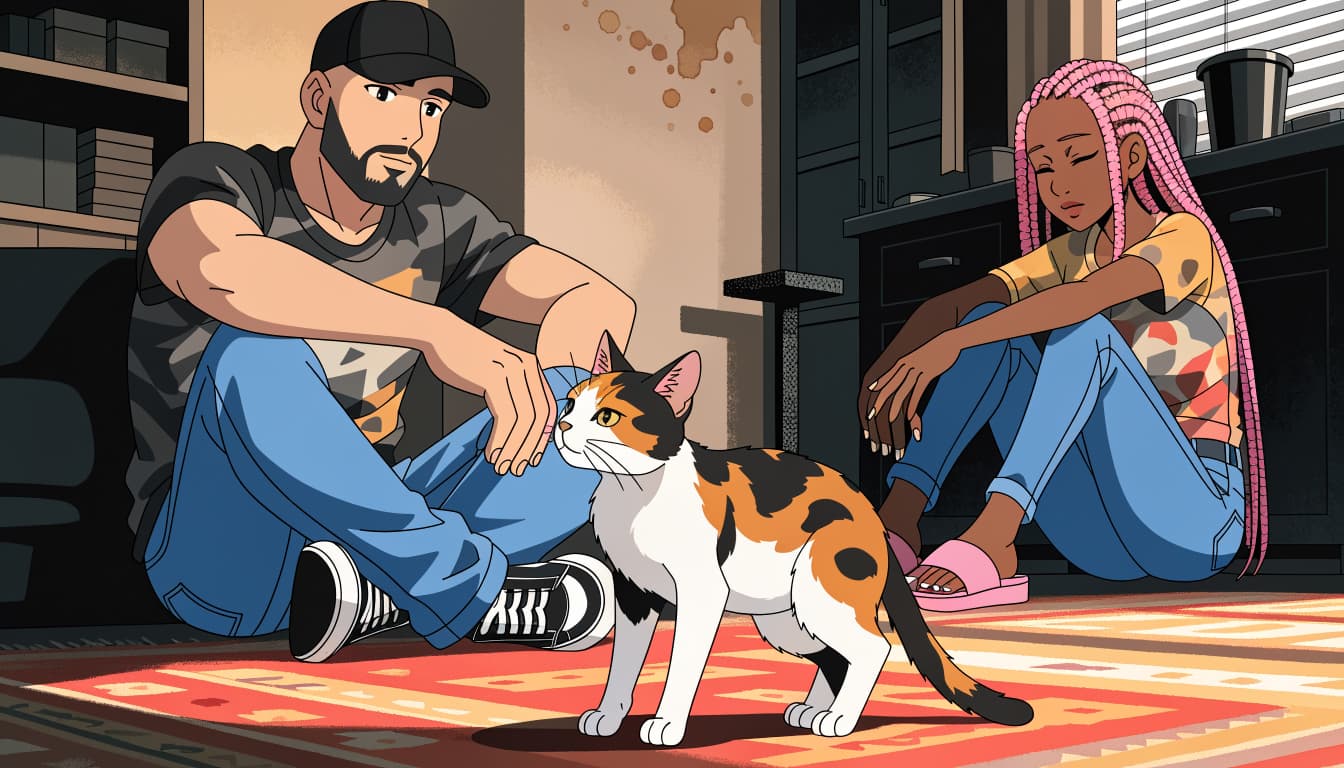
Calico coloring doesn't determine temperament. A cat with a dramatic patchwork coat might be outgoing, cautious, playful, or happiest supervising from a safe distance. The color pattern isn't a personality test, even if the cat's stare suggests it has already reviewed your decisions.
If you're considering adoption, meet the cat and ask its caregiver about daily behavior. Find out whether the cat seeks attention, enjoys play, tolerates handling, and feels comfortable around children or other animals. A calm introduction gives you better information than trying to assign a character class from coat and ear tufts.
How to Care for Your Cat's Coat and Everyday Needs
Some Maine Coon mixes inherit a dense or semi-long coat that needs regular combing. Others have shorter or smoother hair with less upkeep. Let the coat in front of you set the routine, and adjust it if you notice loose hair, tangles, or discomfort.
Make grooming fit the coat
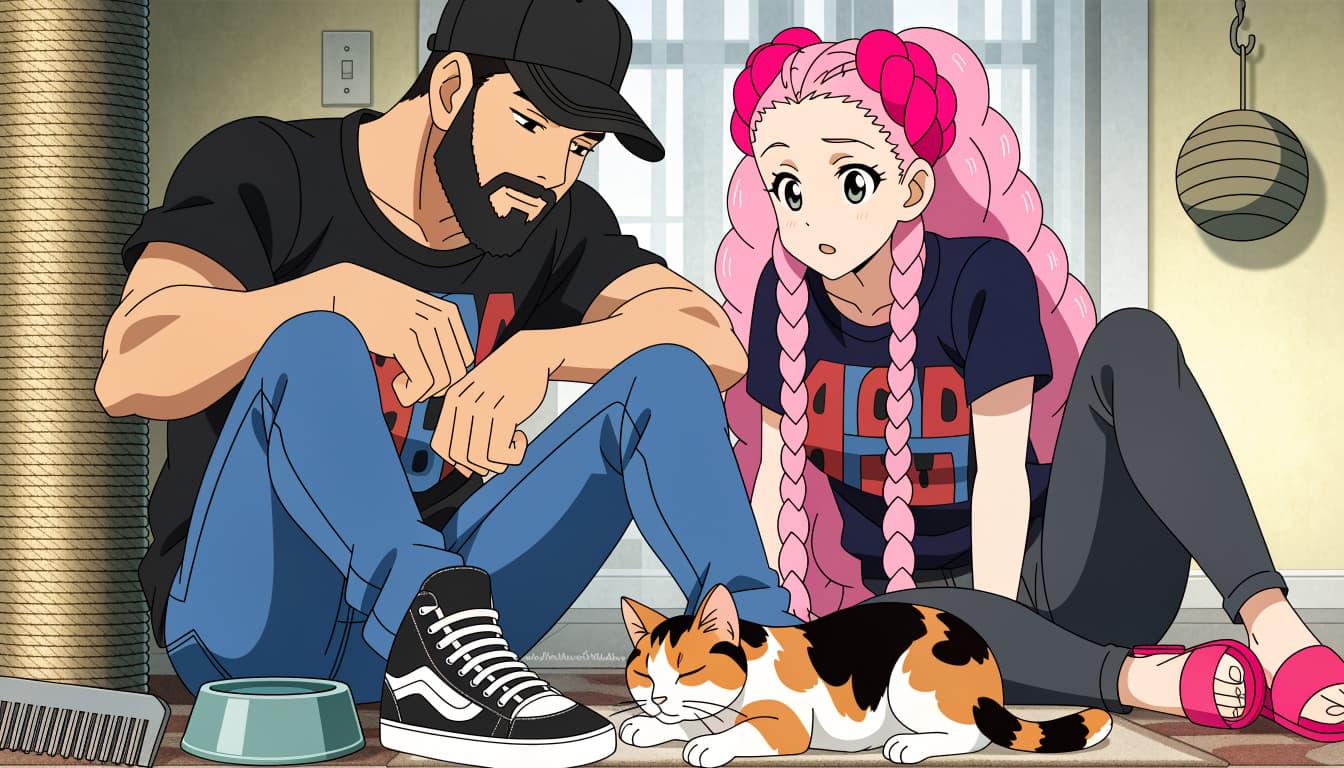
Some Maine Coons need combing a few times a week. A different coat texture may need more or less attention. Start gently and keep sessions short enough that your cat stays comfortable. Check behind the ears, beneath the legs, and around the collar area, where tangles can hide.
If you find a painful mat or irritated skin, don't turn grooming into a wrestling match. A veterinarian or qualified groomer can recommend a safe approach. Regular checks also help you spot debris or changes in the skin beneath the hair before a small concern becomes harder to manage.
Keep everyday care simple and steady
Offer fresh water, balanced cat food, and routine veterinary care. Play gives your cat a chance to move and engage, while scratching posts provide an appropriate place to stretch and claw. Add a few toys or climbing options if your cat enjoys them; the cardboard box may still win the popularity contest.
Your cat's color doesn't change its nutritional or grooming needs. Make choices based on age, health, coat condition, and activity. If your cat's grooming tolerance changes or you notice skin problems, ask your veterinarian for advice rather than guessing at products or handling.
Health Questions to Ask Before You Adopt
If Maine Coon ancestry is part of the cat's known history, ask what health information is available. Breed-associated risks are topics for a conversation, not a diagnosis for an individual mixed cat. A veterinarian can help decide what screening makes sense based on the cat's history and health.
Hypertrophic cardiomyopathy, or HCM, is one concern associated with Maine Coons. Screening may include genetic testing and heart imaging, such as an echocardiogram. DNA testing alone can't rule out every risk, because not all HCM-associated mutations have been identified. TICA discusses these screening considerations in its breed information.
Hip dysplasia and other joint concerns are also worth raising when ancestry or symptoms make them relevant. Ask a breeder, rescue, or caregiver for available veterinary records and family health history. After adoption, arrange a veterinary checkup to review the records and establish care for your cat.
Appearance can't tell you health status
A calico pattern, large paws, ear tufts, or a very fluffy tail can't confirm pedigree, adult size, or health. Those features may give you a visual clue, but they don't replace documented history or an examination.
Focus on what you can learn directly: the cat's observed behavior, available records, and veterinary assessment. If a cat has a known family history of a condition, share it with your veterinarian. The right care plan depends on the individual, not a dramatic coat reveal.
Streetwear & Casual Styling
Cat-lover style doesn't need a complicated build. Pair a relaxed graphic tee with jeans and simple sneakers, then let the cat-inspired art carry the outfit. Our Cat Needs Alone Time Tee brings introvert-cat energy, while the Cats Virtual Life More Fulfilling Than Mine Tee is for anyone whose cat has a more active online life.
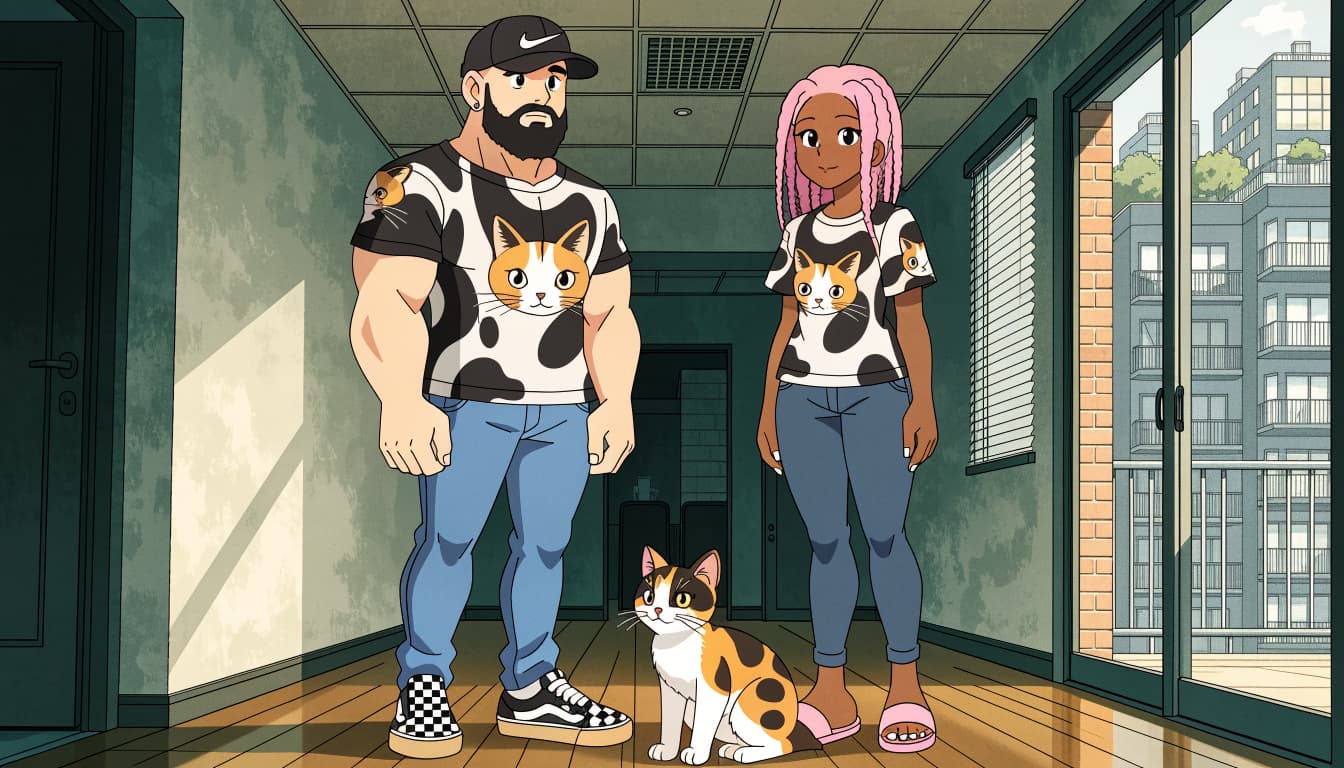
For more cat-themed outfit ideas, see our lucky fortune cat graphic tee style guide. A bold graphic, easy jeans, and shoes you can actually walk in: outfit assembled, side quest complete.
Frequently Asked Questions
Can a Maine Coon calico mix have short hair?
Yes. A mixed cat may inherit a shorter coat rather than the semi-long coat associated with Maine Coons. Coat length depends on inherited traits, so the mix label alone won't settle the question.
How can you estimate your cat's adult size?
Known parent sizes can offer helpful context, but they can't guarantee an exact adult weight. Your veterinarian can track your cat's growth and body condition over time, which is more useful than guessing from paws or coat.
Does a calico cat need a special diet?
Calico coloring doesn't create a special dietary requirement. Choose food based on your cat's age, health, and individual needs, and ask your veterinarian if you're unsure what suits your cat.
Should you bathe a Maine Coon calico mix?
Most cats don't need frequent baths, but a bath may be appropriate if your cat gets dirty or has a specific care need. Use a cat-appropriate product and ask your veterinarian for guidance if skin irritation or grooming discomfort is involved.
Choose the Cat, Not the Label
"Maine Coon calico mix" offers clues, not guarantees. Calico describes the coat pattern, while Maine Coon ancestry may shape some features. Your cat's actual size, grooming needs, and personality will be its own combination.
Choose based on health, needs, and the individual cat in front of you. Then care for the coat it actually has, whether it's a full fluff build or a lower-maintenance edition.