

Maine Coon Domestic Shorthair Mix: Size and Care
TrendReactTees.STORE TeamA Maine Coon domestic shorthair mix can come in a wide range of sizes, coats, and personalities. You can't confirm that ancestry from a fluffy tail or a dramatic set of ears alone.
Domestic shorthair describes a cat's short coat, not a pedigree breed. If you don't know the parents, you may have a cat with possible Maine Coon ancestry rather than a confirmed cross. Either way, the cat in front of you gives you better care clues than a label.
For a lighter nod to cat-person life, you might appreciate the Cat Needs Alone Time Sit In Dark Tee or the Cats Virtual Life More Fulfilling Than Mine Tee. Now, let's look at what you can expect from your actual feline roommate.
This post may contain affiliate links. If you make a purchase through these links, I may earn a small commission at no extra cost to you.
Key Takeaways
- A mix label doesn't guarantee a particular adult size, coat, or personality. Known parentage gives you stronger clues than appearance.
- Domestic shorthair describes a short-coated cat without a documented pedigree, not a breed with one standard temperament.
- Grooming depends on the coat your cat has. Short coats may need weekly brushing; longer coats often need more attention.
- Tell your veterinarian about known family history, then build preventive care around your cat's health and needs.
Maine Coon Domestic Shorthair Mix: Size, Coat, and Appearance
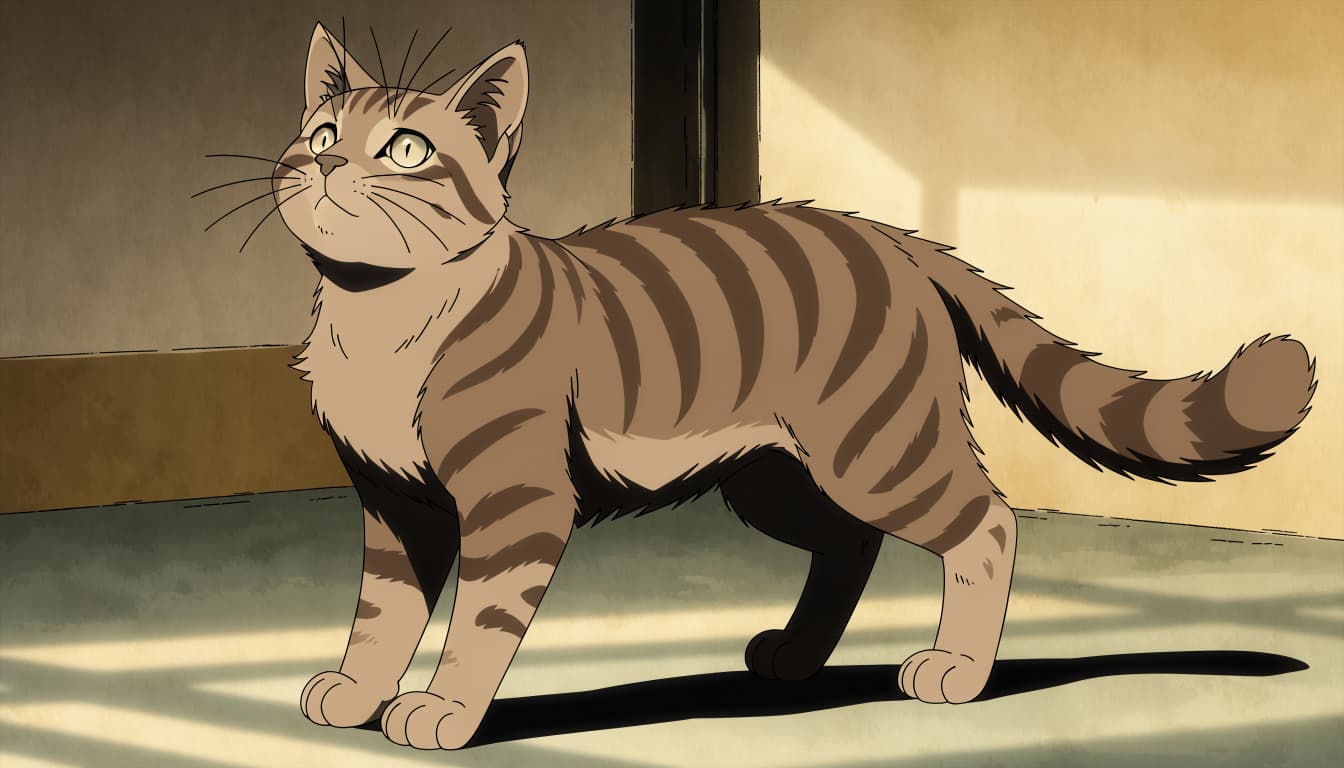
A confirmed Maine Coon cross has a known Maine Coon parent or reliable pedigree history. A cat described as a domestic shorthair with possible Maine Coon ancestry may have no such documentation. Both can be fantastic companions, but those labels give you different levels of information.
Size depends on the individual cat
Purebred Maine Coons are large, slow-maturing cats. The Cat Fanciers' Association's breed profile says they can take up to three years to reach full growth. That timeline describes the breed, not a guaranteed forecast for a mixed cat.
Your cat may grow into a large, sturdy adult or stay closer to an average domestic cat's size. If you know the parents, their builds offer useful clues. Your veterinarian can also review your kitten's growth and body condition over time.
A big kitten isn't a guaranteed future giant. Genetics doesn't accept customization requests, even when you've already imagined a sofa-sized cat.
Coat and features can vary
A mixed cat may have short, medium, or long fur, with a coat that feels sleek, dense, or shaggy. Colors and patterns vary too, including tabby markings, solid colors, and combinations with white.
Ear tufts, a broad frame, or a bushy tail can give a cat a Maine Coon-like look. None of those features proves ancestry. Plenty of cats without documented Maine Coon relatives can have a gloriously fluffy silhouette.
For a veterinarian's introduction to the breed, you can watch Dr. Bozelka's overview:
Personality Depends on the Cat, Not Just Its Breed Mix
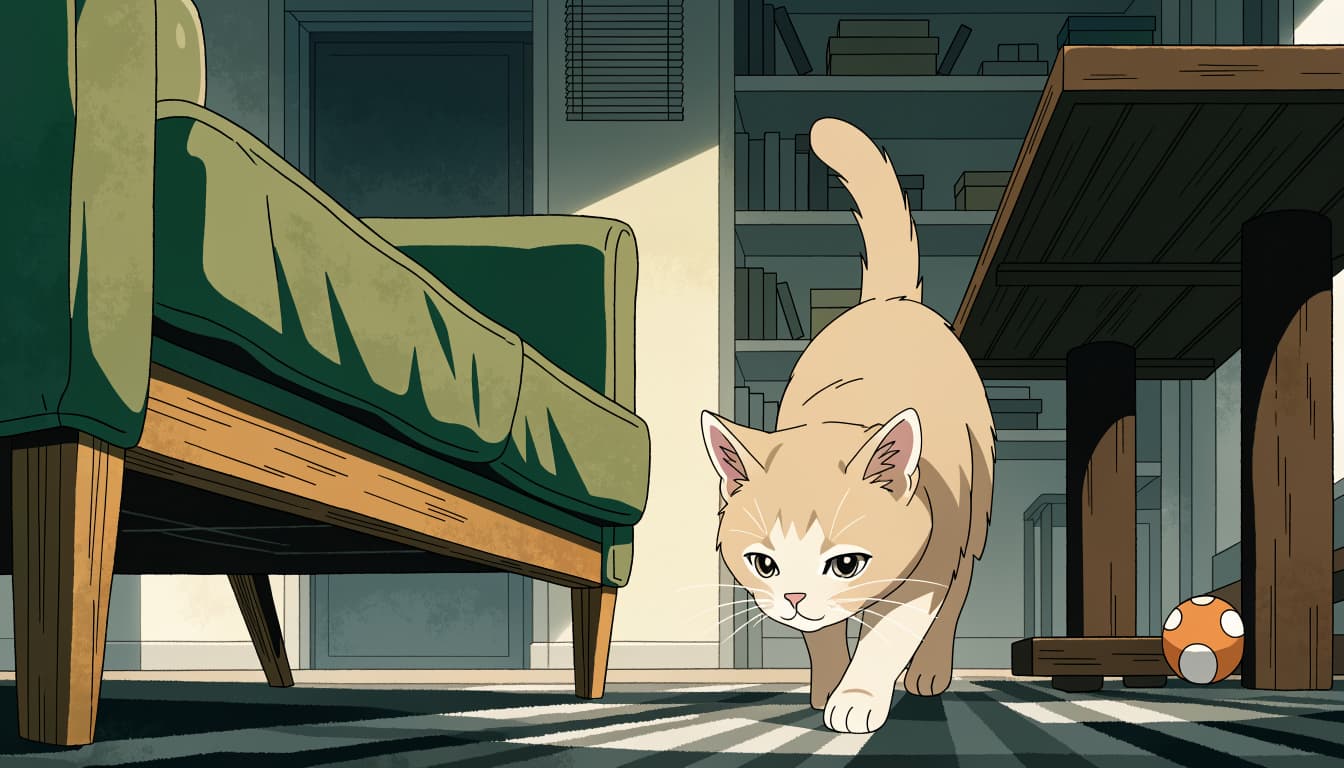
Maine Coons are often described as social, clever, and active. Those are broad breed tendencies, not a personality contract for every cat with possible Maine Coon ancestry.
Watch the cat's behavior
Domestic shorthairs don't have one standard temperament either. Your cat's personality and experiences, including socialization and the home environment, all matter.
One cat may follow you between rooms and supervise every snack. Another may prefer a nearby perch and a little personal space. Both can enjoy your company without expressing it in the same way.
When you meet a cat, give it time to approach. A shelter can be noisy or unfamiliar, so a cautious first impression doesn't necessarily tell you how the cat will behave after settling in.
Ask about daily life before adoption
A caregiver can tell you more than a coat description. Ask what games the cat enjoys, how it responds to handling, and whether it seeks attention or prefers shorter interactions.
Find out what the cat's known experience has been with visitors, other pets, and time alone. Ask about hiding places, routines, and any situations that make it uncomfortable.
If you already have pets, plan gradual introductions and separate spaces. You're looking for a fit with your household, not a promise that a certain mix label will make every introduction effortless.
Grooming, Food, and Enrichment for Your Cat
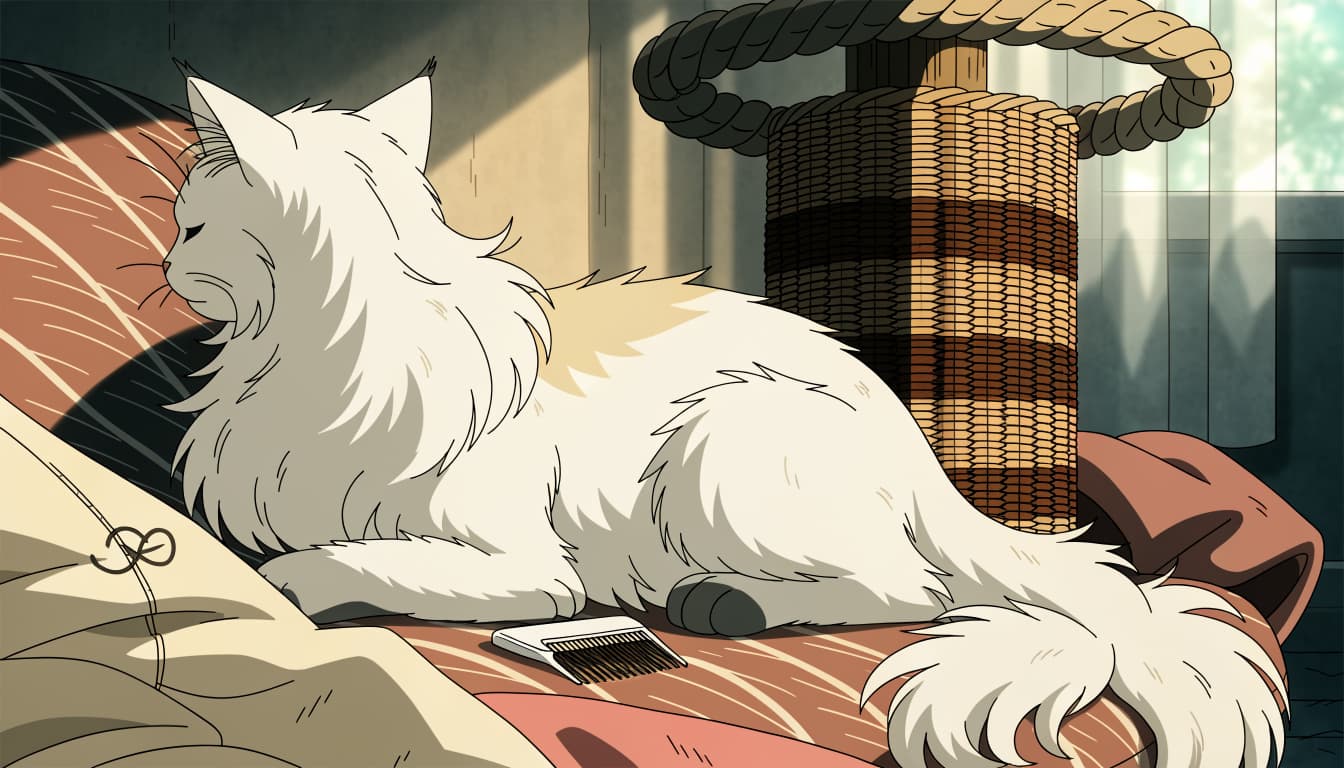
Your cat's actual coat, appetite, and activity level should shape the routine. A possible Maine Coon connection doesn't mean you need one special grooming schedule or a breed-specific diet.
Match grooming to the coat
For a short coat, weekly brushing is a practical starting point. A veterinary guide to domestic shorthairs suggests a soft brush or grooming glove to help remove loose hair.
A longer or denser coat may need combing several times a week. Check behind the ears, under the legs, and around the hindquarters, where tangles can hide beneath the fluff.
Keep sessions short and gentle, especially if your cat is still learning to tolerate grooming. Increase the frequency during heavy shedding or if tangles develop. For tight mats, ask your veterinarian or a qualified groomer for help rather than cutting close to the skin.
Build a routine that fits your cat
Offer measured meals, fresh water, and food suited to your cat's life stage. Your veterinarian can help you adjust portions around body condition and activity. Bigger-looking fur doesn't automatically mean your cat needs a bigger dinner.
Give your cat scratching options and regular play. A wand toy, a sturdy perch, and a hiding spot can make the home more interesting without turning your living room into an obstacle course.
Include routine dental care as well. Introduce tooth brushing gradually with cat-safe toothpaste, and ask your vet about dental checks. The goal is a routine you can keep up, even when your cat has decided the comb is today's final boss.
Health Checks and Lifespan: What You Can Plan For
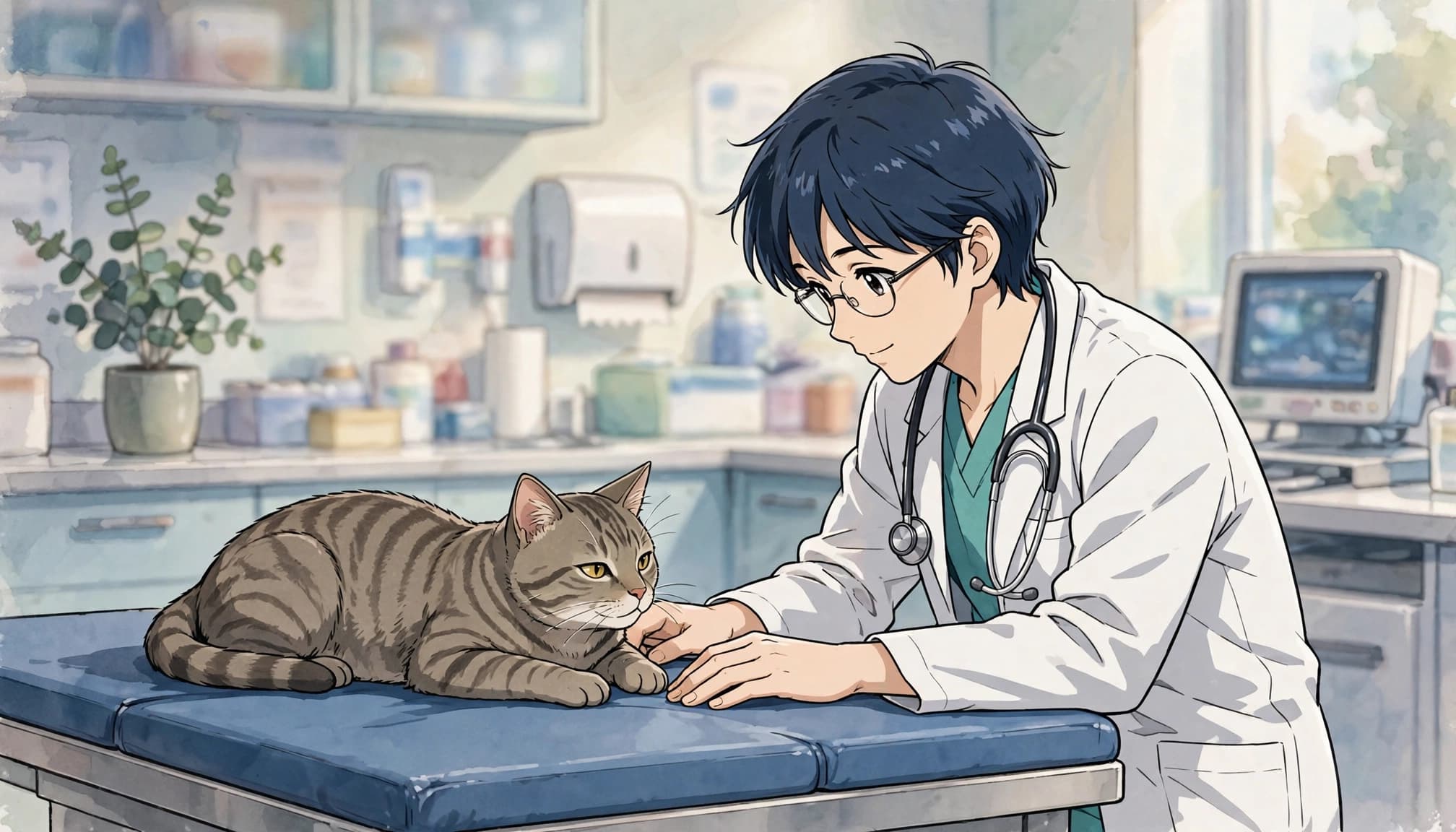
Possible Maine Coon ancestry doesn't establish a health problem. It also doesn't mean every cat with a fluffy tail needs a package of special tests.
Share what you know with your veterinarian
Maine Coons are associated with hypertrophic cardiomyopathy, a form of heart disease, and hip dysplasia. The International Cat Association's Maine Coon profile discusses joint concerns and screening in breeding cats.
Tell your veterinarian about any known parentage, family health history, and symptoms. Based on your cat's examination and circumstances, your vet can decide whether heart imaging or an orthopedic assessment makes sense.
A DNA test can provide information about certain inherited variants, but it doesn't replace an exam or diagnose every possible problem. Your veterinarian can put any result in context.
Keep up with preventive care
Plan routine veterinary visits, recommended vaccines, parasite prevention, dental care, and weight monitoring. Your vet can adjust the schedule for your cat's age, lifestyle, and health.
Seek prompt veterinary attention if you notice breathing changes, weakness, reduced activity, trouble jumping, or new difficulty using stairs or the litter box. Open-mouth breathing or severe breathing trouble needs emergency care.
A mix label can't promise a particular lifespan. Focus on the things you can observe and maintain: healthy body condition, preventive care, and attention when your cat's normal behavior changes. Your cat's usual habits are useful information, so tell your vet what has changed and when you noticed it.
Streetwear & Casual Styling
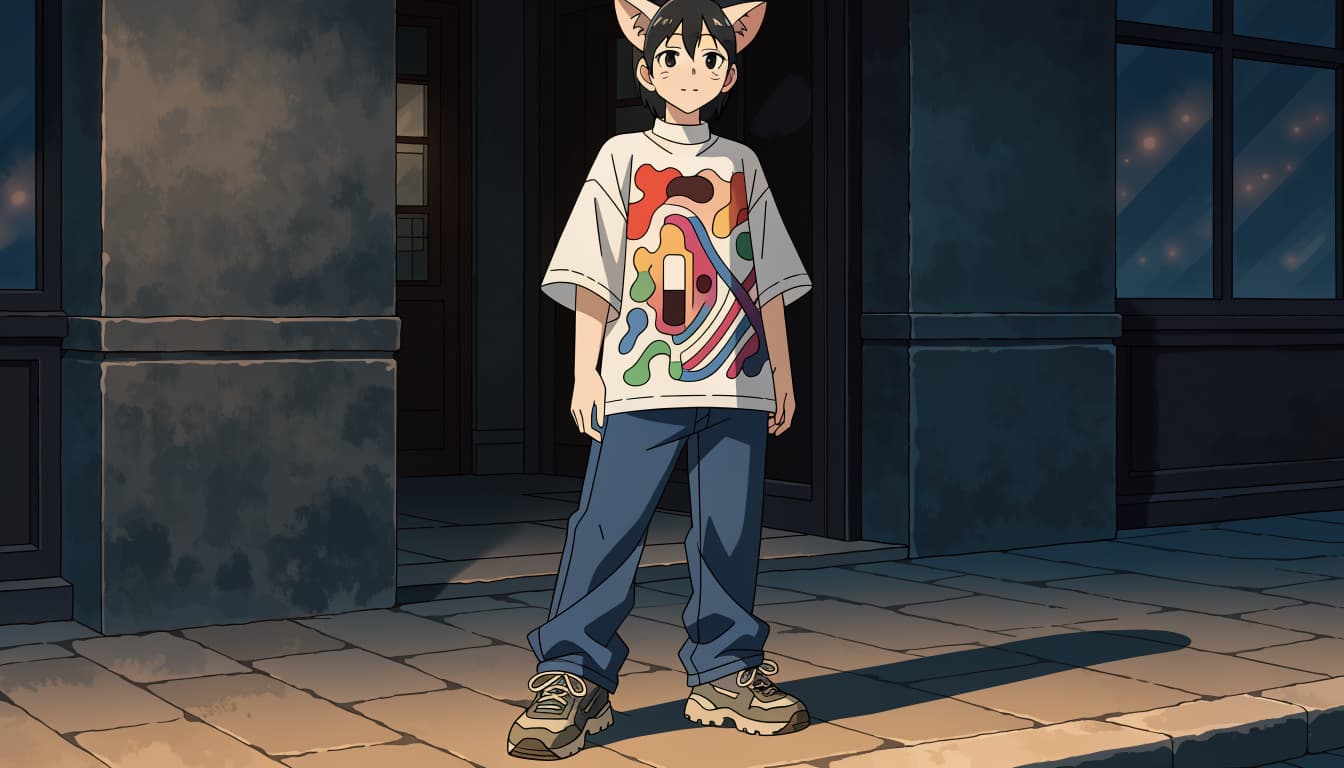
Your cat's care routine can stay practical while your outfit has a little more personality. A Cyber-Brutalist Anime Graphic Tee, simple jeans or joggers, and comfortable sneakers make an easy casual look with room for cat-person humor.
If you've ever delayed leaving because your cat needed emotional reassurance, the Reassuring My Cat Good Boy Tee gets the assignment. Prefer financial comedy with your feline obsession? Try the Cat Has Better Credit Score Tee.
Keep the rest of the outfit relaxed and let the graphic do the talking. Your cat will probably still judge your choices.
Frequently Asked Questions
Can you tell if a cat is a Maine Coon mix by its face or tail?
A large frame, ear tufts, or bushy tail may suggest a Maine Coon-like appearance, but those traits can't confirm ancestry. Pedigree documents or reliable information about the parents give you stronger evidence. Without that history, "possible Maine Coon ancestry" keeps the description honest.
Will a Maine Coon mix have a long coat?
Coat length can vary, so a confirmed mix won't necessarily have long fur. "Domestic shorthair" may describe the cat's present short coat rather than a known breed cross. Let the coat you see guide your brushing routine, and adjust if its needs change.
Does this mix need special health tests?
Possible ancestry alone doesn't determine which tests your cat needs. Share known family history and any concerns with your veterinarian, who can recommend care based on the individual cat. A normal-looking coat or energetic personality can't tell you everything about health.
How can you estimate your cat's adult size?
Look at the parents' sizes when they're known, track your cat's growth, and ask your veterinarian about body condition. Purebred Maine Coon growth and size information can provide background, but it isn't a guaranteed forecast for a mixed cat. Your cat's own growth history is more useful than a comparison photo online.
Focus on the Cat in Front of You
A Maine Coon domestic shorthair mix can surprise you with its size, coat, and personality. Ancestry is one clue, while your cat's actual habits and health give you the details you need.
Build care around that individual. Keep an eye on the coat, share known history with your veterinarian, and make room for the personality that shows up.
A confirmed breed label isn't required for a great companion. Your cat has already brought its own character to the household.