

Maine Coon Mix Characteristics: What to Expect
TrendReactTees.STORE TeamA Maine Coon mix is an informal label, not a standardized breed classification. A cat may have documented Maine Coon ancestry, or may simply share a few of the breed's recognizable features. Looks alone can't prove a family tree, and Maine Coon mix characteristics can vary widely in size, coat, and behavior.
For cat-person style picks, Cat Needs Alone Time Sit In Dark Tee and Cats Virtual Life More Fulfilling Than Mine Tee bring the feline energy. They're optional outfit choices, not cat-care advice.
This post may contain affiliate links. If you make a purchase through these links, I may earn a small commission at no extra cost to you.
Key Takeaways
- "Maine Coon mix" describes possible ancestry or resemblance, not a verified pedigree.
- A substantial frame, ear tufts, long coat, or bushy tail can appear, but none proves ancestry.
- Let your cat's actual coat, size, and behavior guide care instead of relying on breed assumptions.
- HCM and hip dysplasia are concerns associated with Maine Coons, but a mix's risk can't be read from appearance.
- Records and veterinary advice offer better guidance than a guess based on a photo.
Maine Coon Mix Characteristics: What Can You Expect?
A mixed cat may inherit several Maine Coon-like traits, a few, or none that stand out. You might notice a substantial frame, a long coat, tufts around the ears, a chest ruff, or a bushy tail. Another cat with the same informal label could have short hair and a more modest build. Genetics does not follow a visual mood board.
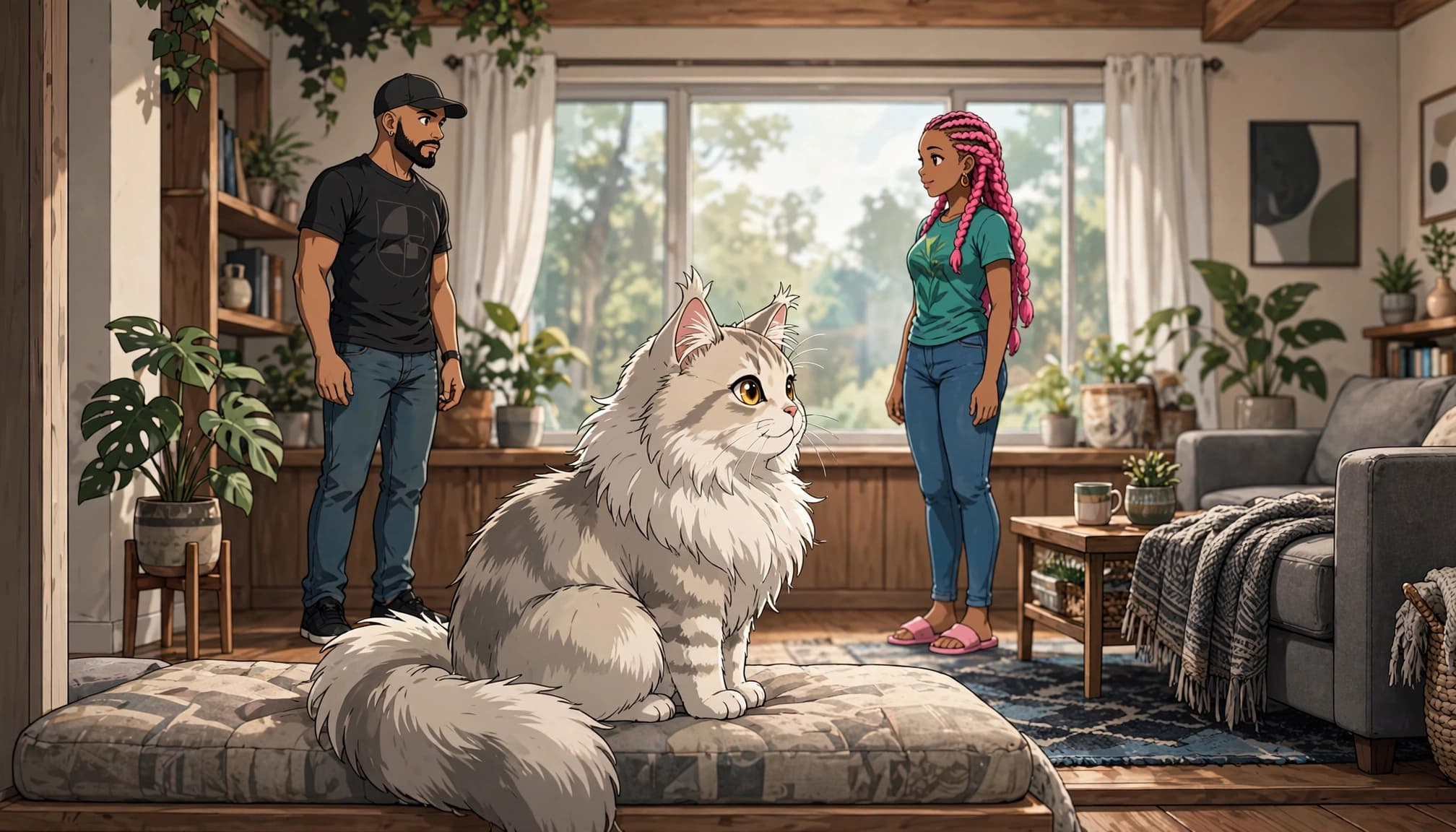
Traits can appear in different combinations
Coat length, texture, body shape, and facial features are inherited separately. A cat can have a fluffy coat without a large frame, or a sturdy build without the thick ruff people associate with Maine Coons. Individual features don't have to arrive as a matching set.
Appearance isn't a family record
A shelter or caregiver may use "Maine Coon mix" to describe a cat's look or known background. That label can be a useful starting point, but pedigree records are stronger evidence of ancestry. A photograph can't establish a Maine Coon percentage, and no single feature confirms lineage.
How Big Can a Maine Coon Mix Get?
Adult size depends on parentage, sex, age, nutrition, and the cat's individual build. Some mixes grow into large cats; others don't. Breed descriptions and photos of giant Maine Coons aren't reliable forecasts for a mixed cat, so don't count on yours reaching purebred Maine Coon size.
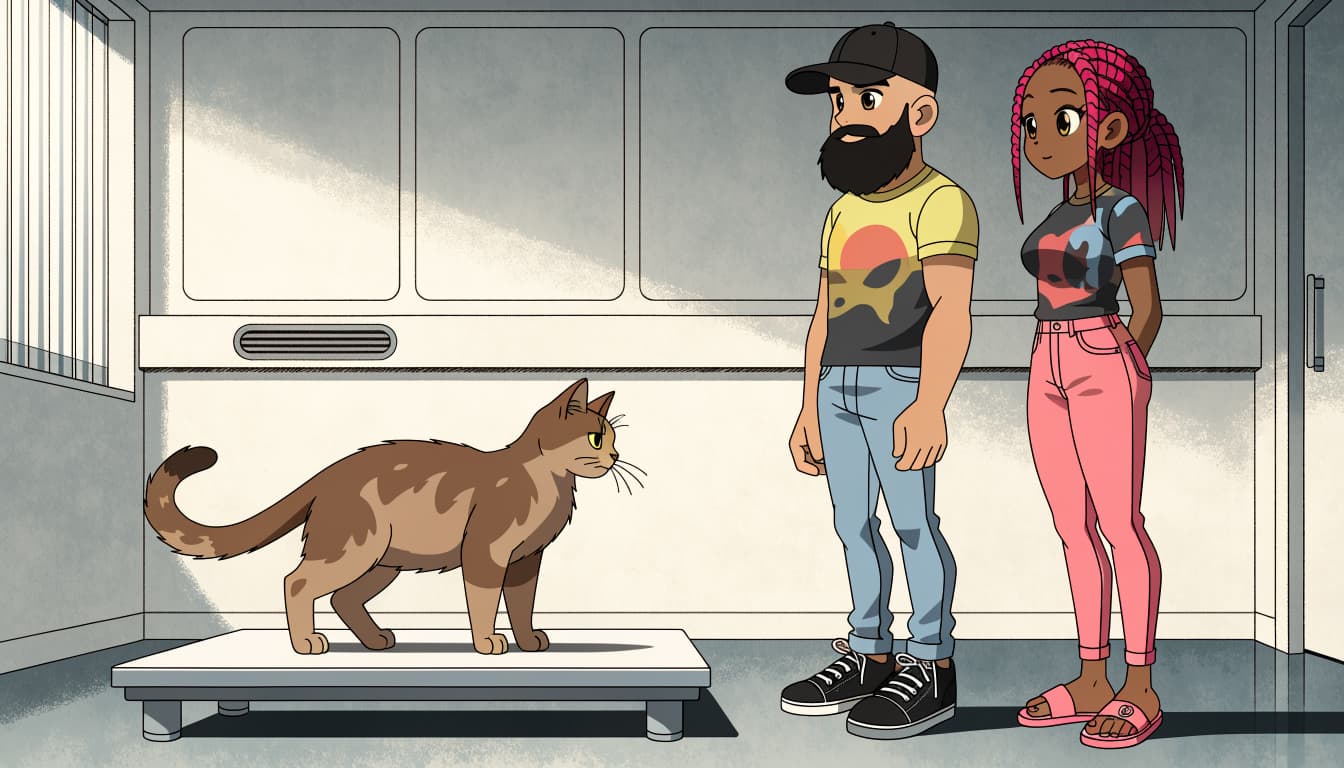
A large frame and excess body weight are different things. A broad, heavy-boned cat can have a healthy body condition, while a smaller cat can carry extra weight. Your veterinarian can assess body condition and help you decide whether your cat's weight is appropriate. Regular checkups and measured meals are more useful than comparing your cat to a breed chart.
If you're adopting a kitten, its parents' size and its growth history may offer context, but neither can promise an exact adult size. Think of the label as background information, not a size prediction.
What Coat Care Will Your Cat Need?
Grooming depends on the coat your cat actually has. A short, smooth coat usually takes less brushing than a long, dense coat. For a longer coat, combing several times a week can help manage loose hair and prevent tangles. The PetMD Maine Coon care guide also discusses regular grooming for thick coats.
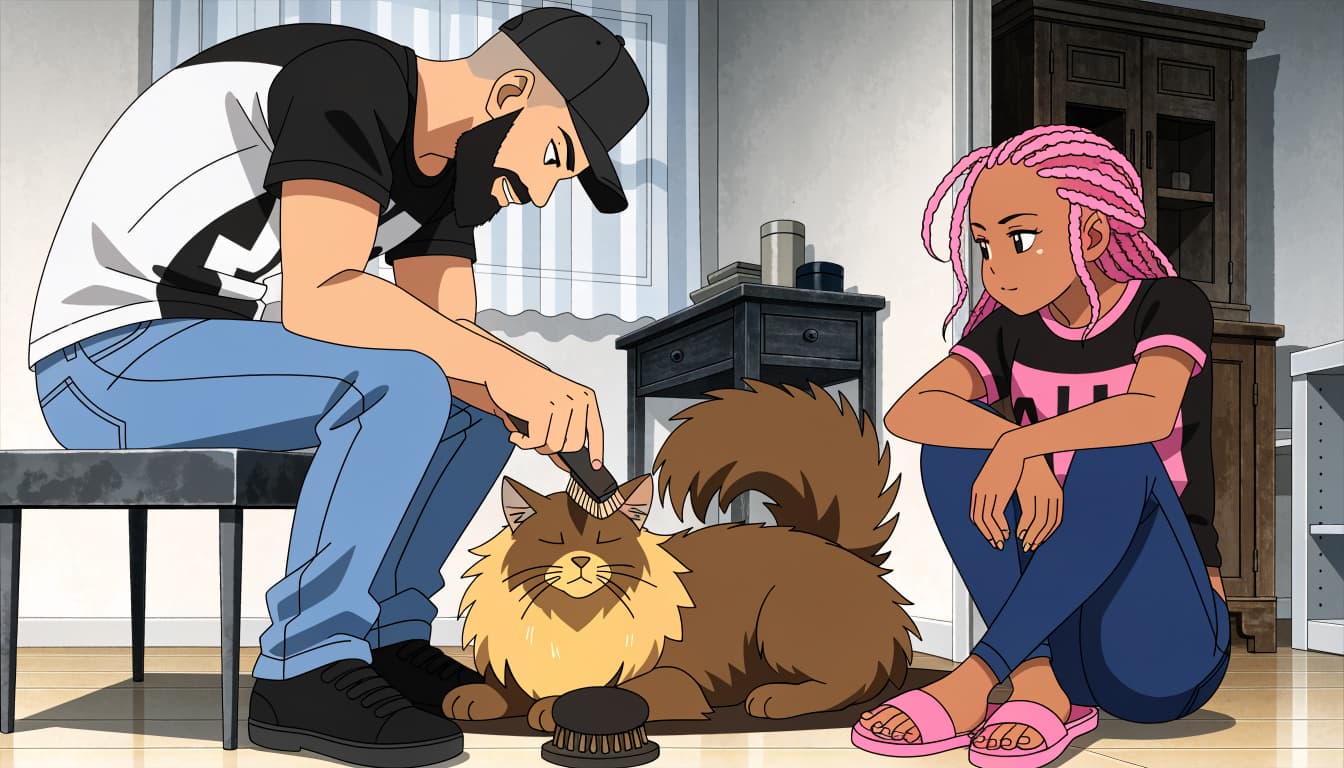
Pay extra attention to the ruff, belly, and armpits, where knots and mats can hide. During seasonal shedding, you may need to brush more often and clean up loose hair around the home. A regular comb-through also lets you notice debris, tangles, or changes to the skin beneath the fur.
Make grooming a gradual, low-drama routine. Start with brief sessions and gentle handling, then build up as your cat gets comfortable. Some cats need a little patience before they accept the brush as a normal household object and not a suspicious plot device. Baths and professional grooming aren't automatic requirements for every Maine Coon mix.
Will Your Maine Coon Mix Be Friendly or Playful?
Maine Coons have a reputation for being social and gentle, but a breed description can't promise what an individual cat will be like. A mix's behavior depends on that cat's temperament, socialization, and life history. Its size or coat won't tell you whether it loves visitors, plays fetch, or vanishes when the doorbell rings.
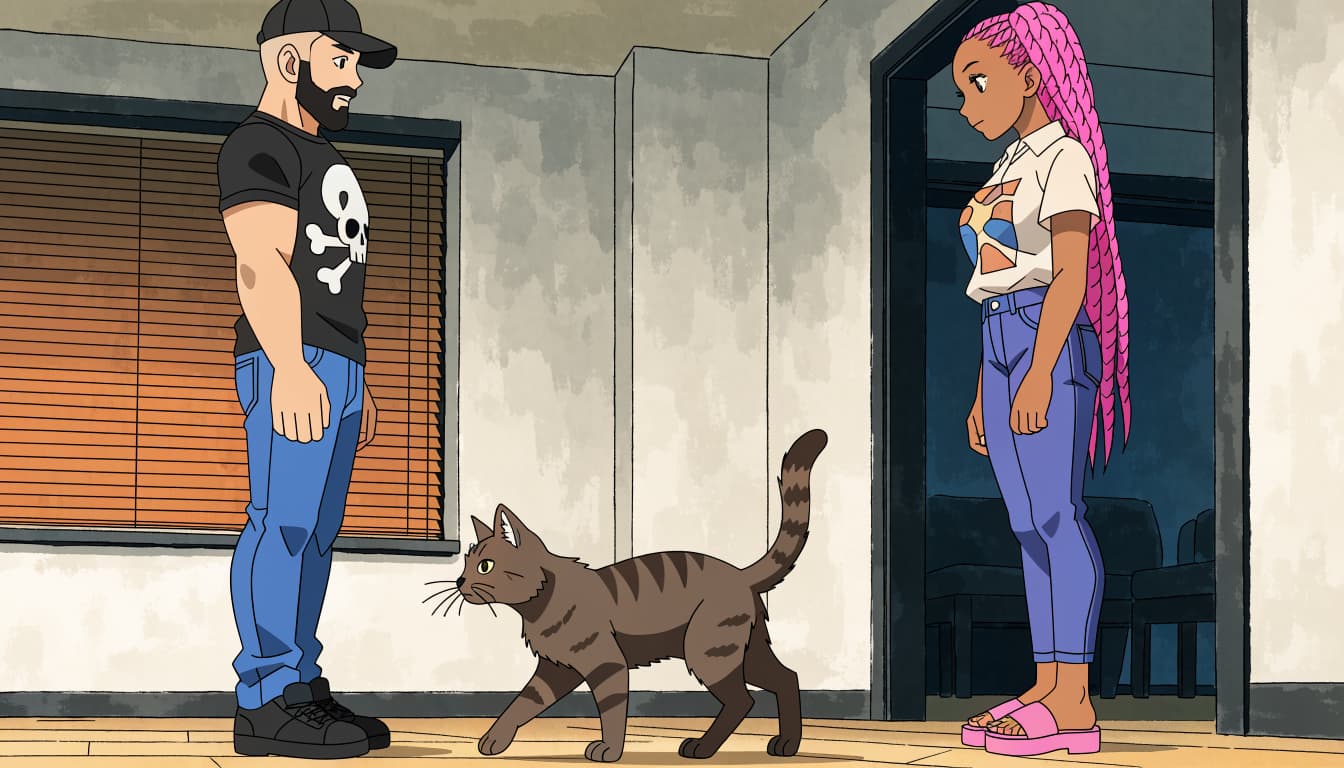
If you're considering a particular cat, ask its caregiver how it handles visitors, grooming, children, other pets, and time alone. Ask about behavior in ordinary situations, not just the highlight reel from one friendly meeting. A cat that needs time to warm up may still be a good match, as long as its needs fit your home and expectations.
Health, Lifespan, and DNA Testing: What Should You Know?
Hypertrophic cardiomyopathy (HCM) and hip dysplasia are concerns associated with Maine Coons. That doesn't mean every Maine Coon mix will develop either condition. Appearance alone can't tell you an individual cat's risk, and an unknown family history isn't the same as a clean bill of health.
HCM tests and heart imaging answer different questions
HCM involves thickening of the heart muscle. A genetic test checks for selected variants; it doesn't rule out every cause or form of HCM. A 2024 study on feline HCM discusses genetic and clinical factors linked to the condition, while a veterinary explanation of echocardiography describes heart ultrasound as a way to assess the heart's structure and function.
A negative DNA result isn't a guarantee that a cat won't develop HCM. The NC State Veterinary Hospital's Maine Coon HCM information describes testing for a particular mutation, not every possible cause of heart disease. Ask your veterinarian whether genetic testing or heart imaging makes sense based on the cat's history and exam.
Hip concerns and lifespan need individual context
There isn't a simple DNA test that clears a cat of hip dysplasia. Watch for changes such as reduced jumping, difficulty with stairs, or trouble moving comfortably. Those signs deserve a veterinary assessment, not a diagnosis based on a breed label.
Published Maine Coon lifespan estimates vary, and they don't reliably predict how long a mixed cat will live. Your cat's health, weight, preventive care, and individual circumstances all matter. Routine veterinary visits, a healthy body condition, and any known family or medical history are more useful planning tools than a lifespan number.
How Can You Confirm Ancestry and Choose the Right Cat?
Pedigree records are stronger evidence of purebred ancestry than a fluffy tail or a shelter description. If a breeder claims Maine Coon ancestry, ask what records support it. For a shelter or rescue cat, ask what is known about its background and whether any parentage or medical records are available.
Consumer DNA tests may provide ancestry estimates or check selected genetic variants, but they aren't pedigree certificates or complete health clearances. For example, Basepaws describes its Breed + Health test as checking 114 markers, including 50 trait markers and 64 health markers. Those results concern the markers included in the test, not every inherited condition.
Ask a shelter, rescue, breeder, or current caregiver about medical history, grooming tolerance, and observed behavior. If the cat has known health records, ask what care or follow-up a veterinarian has recommended. Choose for the cat's actual coat, habits, and needs, not an assumed bundle of breed traits.
Streetwear & Casual Styling
Cat care runs on brushing, play, and vet visits. Your outfit can run on Cyber-Brutalist Anime Graphic Tees, with no claims that a shirt improves grooming tolerance or unlocks a secret cat-care skill tree.
Pair the Reassuring My Cat Good Boy Tee with jeans and skate shoes for casual errands. For a reading-day look, the Cat On My Lap Book Tee brings the correct amount of book-versus-cat conflict.
The video below is an optional visual explainer. It doesn't verify ancestry or replace veterinary guidance.
Frequently Asked Questions
Can you tell a Maine Coon mix by its ears or tail?
Ear furnishings and a bushy tail can resemble traits associated with Maine Coons. Neither feature proves ancestry, though. Documented records are stronger evidence than a visual match.
Does every Maine Coon mix have long hair?
No. Coat length and texture vary with inherited traits, so some mixes have shorter coats. Set your grooming routine according to the hair your cat has, not the label.
Do Maine Coon mixes shed a lot?
Shedding depends on the individual cat's coat and the season. A long or dense coat may need frequent brushing, and loose hair can still show up on furniture and clothes. Your lint roller may get a supporting role.
Should you test a Maine Coon mix for HCM?
Testing decisions depend on family history, exam findings, and your veterinarian's advice. Genetic testing checks selected variants, while an echocardiogram evaluates heart structure and function. Neither the cat's appearance nor one negative genetic result rules out every form of HCM.
Choose for the Cat in Front of You
Maine Coon mix traits are possibilities, not guarantees. A cat's actual history, observed needs, and veterinary care plan tell you more than a guess based on its silhouette.
Build your routine around the coat you see and the individual cat you know. That's a better fit than expecting a breed label to deliver a preset personality, size, or care manual.