

How to Make a Marijuana Pipe Without Sketchy Materials
So you searched how to make a marijuana pipe because your glass piece is nowhere to be found. Classic inventory-management boss fight. Before you start treating a soda can like it has a hidden crafting recipe, pause.
A homemade option is never risk-free, and smoked cannabis can still irritate and harm lung tissue. Your safest move is waiting for a proper piece. If you're an adult in a place where cannabis is legal, a fresh fruit option or clean, uncoated glass is less sketchy than plastic, foil, or whatever cursed object is sitting in the junk drawer.
Check your local laws and age limits first. Cannabis rules, possession rules, and paraphernalia rules can change by state and city, while federal law is its own annoying side quest. Congress's overview of state marijuana laws and federal law is a useful starting point.
Key Takeaways
- A homemade pipe is a short-term backup, not a safe replacement for purpose-made glass.
- Fresh fruit, clean glass, and plain ceramic are less risky than coated or melting materials.
- Never heat plastic, foil, painted wood, cardboard, cans, rubber, or anything with glue.
- Keep every surface clean, check airflow first, and stop if you smell chemicals.
- Store cannabis and accessories locked away from children and pets.
For a quick visual look at an apple setup, this video is useful as a basic reference, not a safety authority.
https://www.youtube.com/watch?v=e-8mfKujCQ4
How to Make a Marijuana Pipe Safely With Stuff You Already Have
The lowest-risk version of how to make a marijuana pipe is not a chaotic five-minute hack. Start with materials that won't melt, flake, or smell like a haunted electronics aisle when heat hits them.
Fresh fruit is temporary and disposable. Plain glass and uncoated ceramic are better choices if they're clean and undamaged. Untreated wood is less ideal because you can't always know what it absorbed or how it was finished.
Wash your hands. Clean the item and let it dry. You need a bowl area for herb, a path for air to travel, and a mouthpiece. If the path is blocked or the edges are rough, don't force it. A bad DIY setup isn't a challenge run.
What You Need Before You Build Anything
Keep the gear boring. That's the point. A pencil, toothpick, or wooden skewer can help check openings. A clean screen made for smoking is preferable, though a small clean stone can keep loose herb from pulling through.
Have your herb and grinder ready, but don't grind more than you plan to use. Smaller amounts make it easier to avoid clogs and wasted ash.
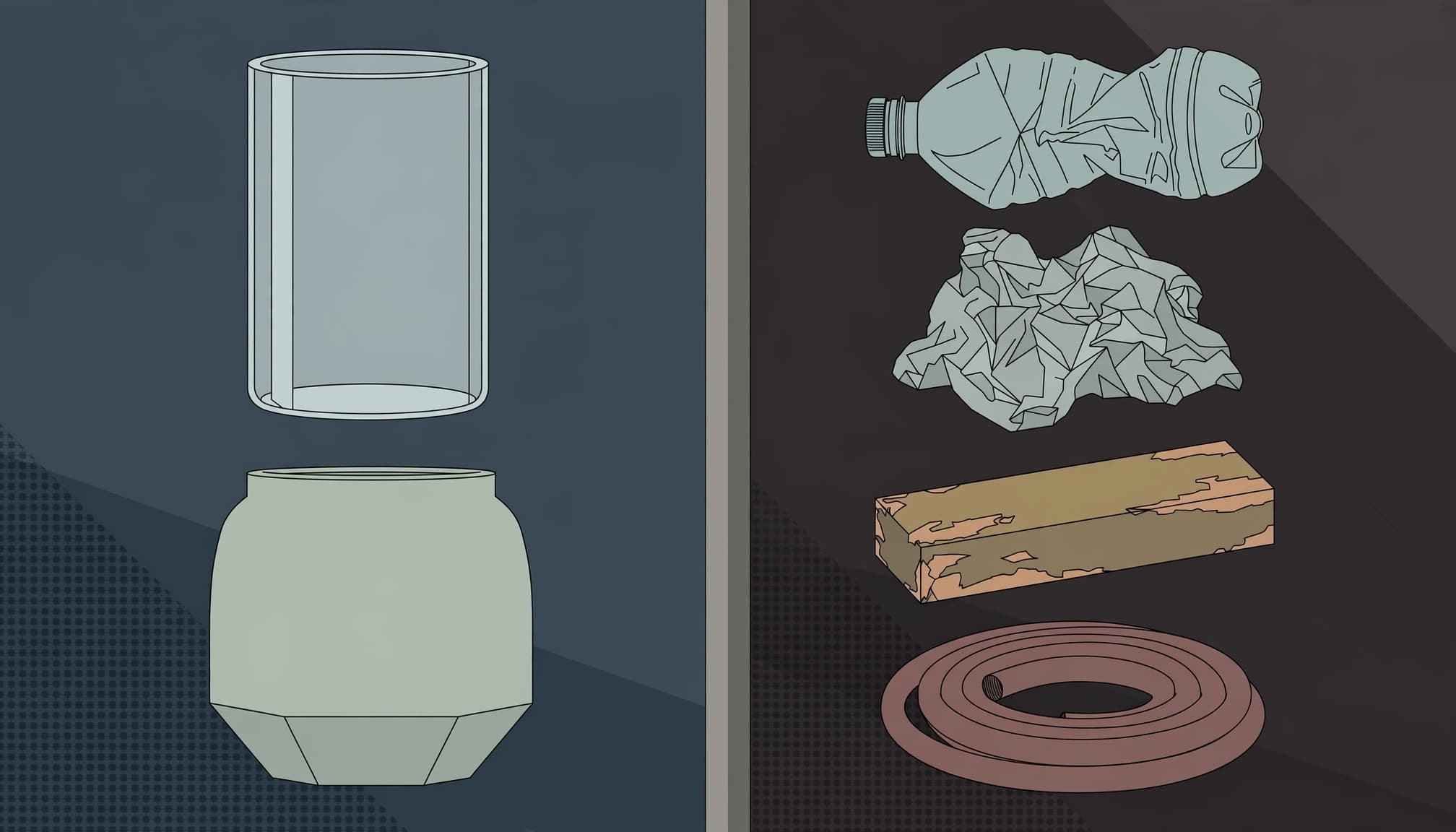
Skip plastic, foil, painted cans, coated wood, glue, tape, and rubber bands. If an item has paint, ink, mystery residue, or a weird finish, it has failed the vibe check.
How You Check Airflow and Spot Unsafe Parts
Before adding anything, test the air path with a gentle pull. Air should move freely without crumbs, loose bits, or sharp edges getting involved. Look for chips in glass, soft spots in plastic, flaking paint, or anything that smells chemical.
If it smells like plastic, solvent, glue, or burnt electronics before you even use it, it belongs in the trash, not near your lungs.
Stop if smoke tastes chemical or if the material starts changing shape. No homemade setup is worth a gross mouthful of melted nonsense.
How to Make an Apple Pipe That Hits Smooth
An apple is the classic emergency option because it is fresh, food-safe, and easy to toss afterward. It still doesn't make smoking safe, but it avoids the melting-material problem that turns bad DIY ideas into lung-tax season.
Choose a firm, unbruised apple. Soft fruit collapses, leaks juice, and makes the whole situation feel like a failed cooking mini-game. Gala and Granny Smith apples tend to hold their shape well, but any fresh firm apple works.
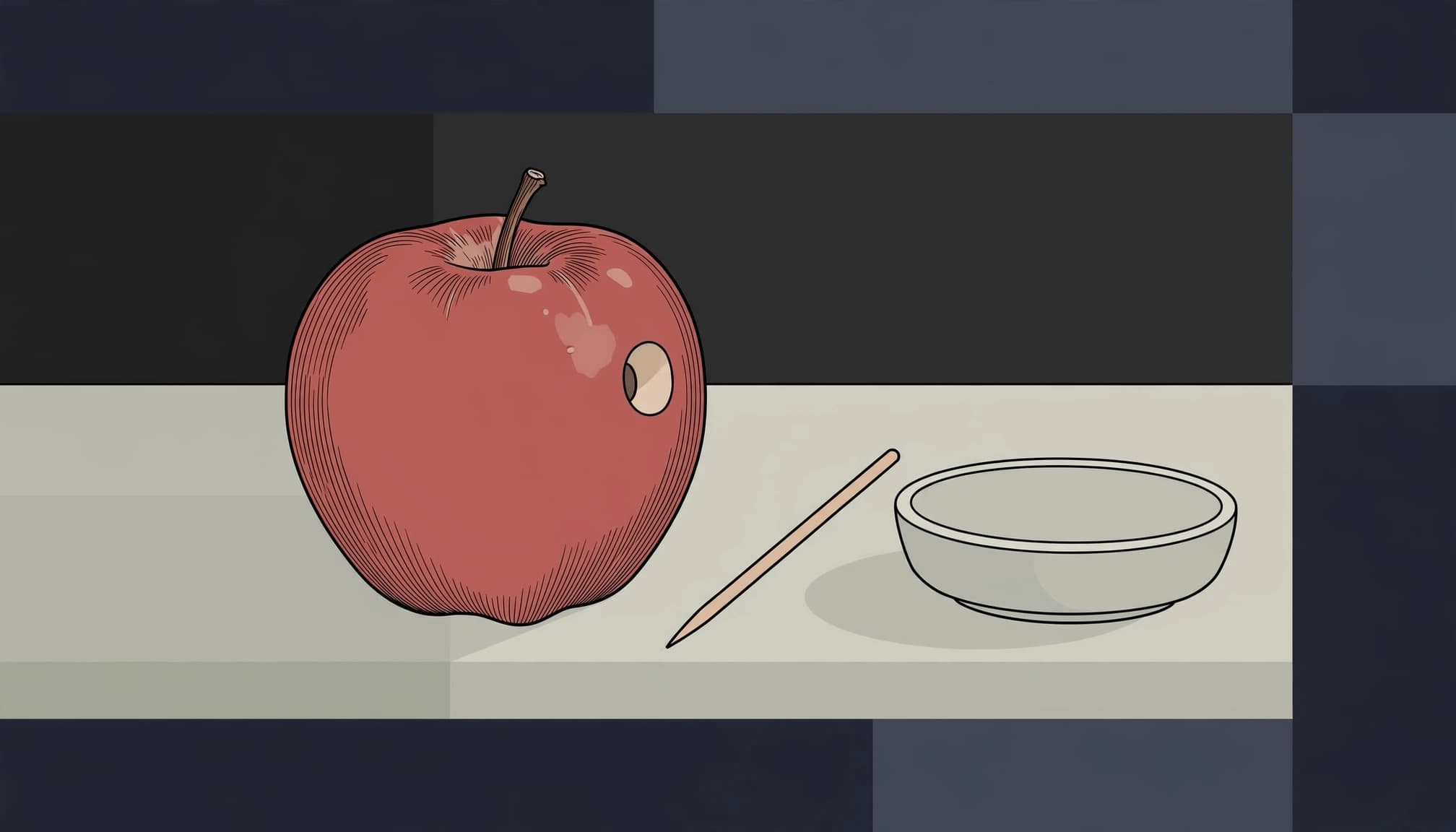
Pick the Best Fruit and Keep It Clean
Wash the apple under running water and dry it before using it. Remove the stem, then keep any openings tidy and free of loose fruit bits. The goal is a simple air path between the top area and the side mouthpiece, not a fruit excavation project.
Keep the apple upright while you test it. If juice enters the air path or the fruit cracks, compost it and call it. Do not save a used apple pipe for later. It gets gross fast.
Pack It and Puff Without a Harsh Hit
Use a small amount of ground herb and keep it loose. Overpacking blocks airflow and can pull ash toward your mouth, which is an instant morale debuff.
Take light, slow pulls instead of going full dragon mode. If airflow drops, clear loose material with a toothpick. When you're done, compost the apple and clean up the area.
How to Turn a Clean Glass Bottle Into a Smoother Smoke
A clean, uncracked glass bottle or mason jar can be less sketchy than plastic, but it is still not a purpose-built pipe. Don't try to cut, drill, heat, or modify glass at home. Broken glass has zero chill.
If you already have intact glass components designed for smoking, keep the setup simple. Use a small amount of cold water in the glass container, leave plenty of air space, and keep the bowl and downstem parts clean. Water can cool smoke a little, but it does not remove the health risks of smoking.
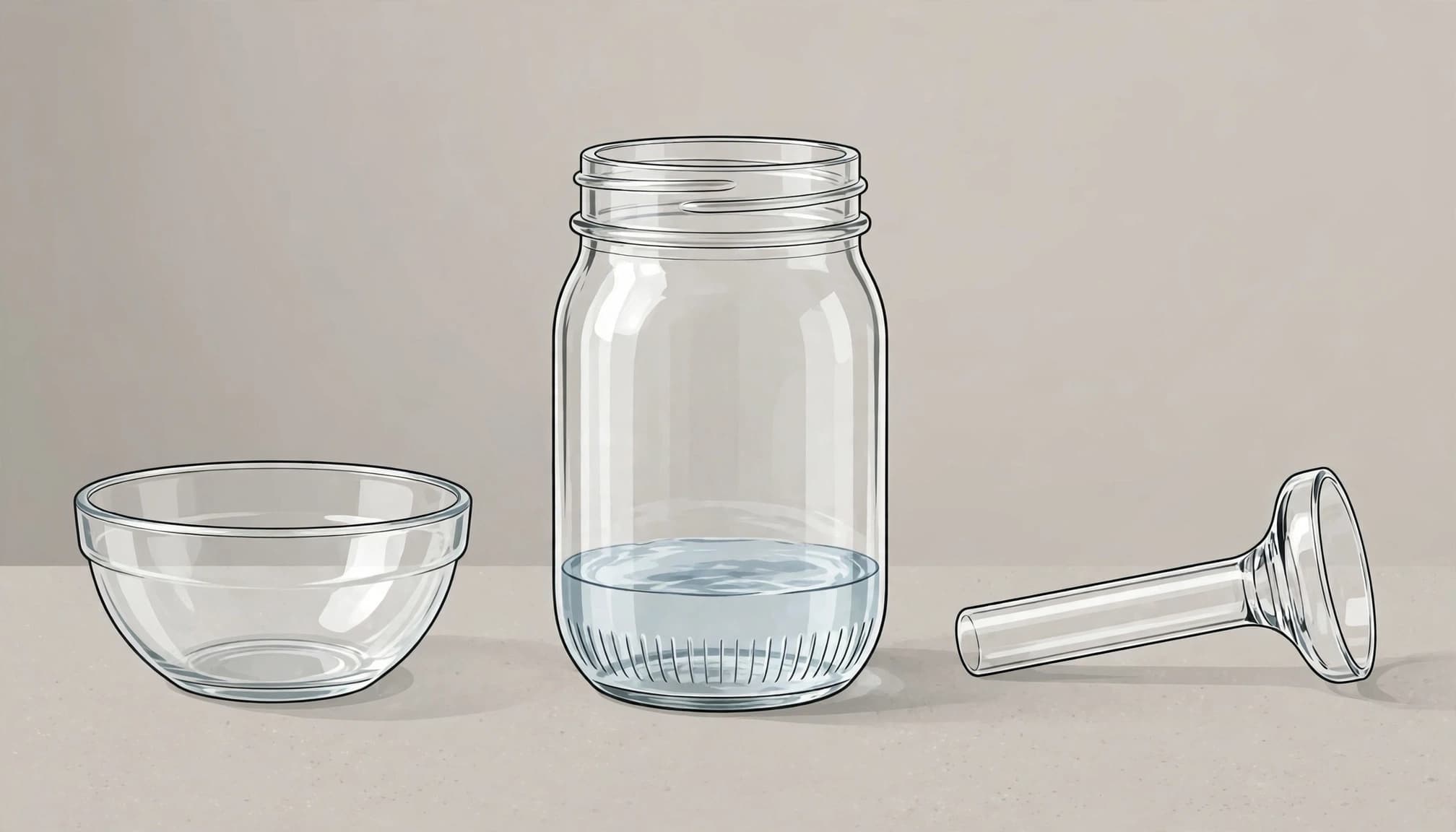
Get the Water Level and Pull Just Right
Use only enough water to cover the lower end of a proper glass downstem. Test it gently before use. You want bubbles, not a surprise mouthful of jar water.
Keep the mouthpiece dry and clean. If water splashes upward, lower the water level or stop using the setup. Don't shake it around like you're trying to activate a rare loot drop.
Clean It Fast So It Does Not Get Gross
Rinse glass after each use. Warm water and coarse salt can help loosen residue, but let the glass cool first so temperature changes don't crack it. Rinse again and air-dry fully.
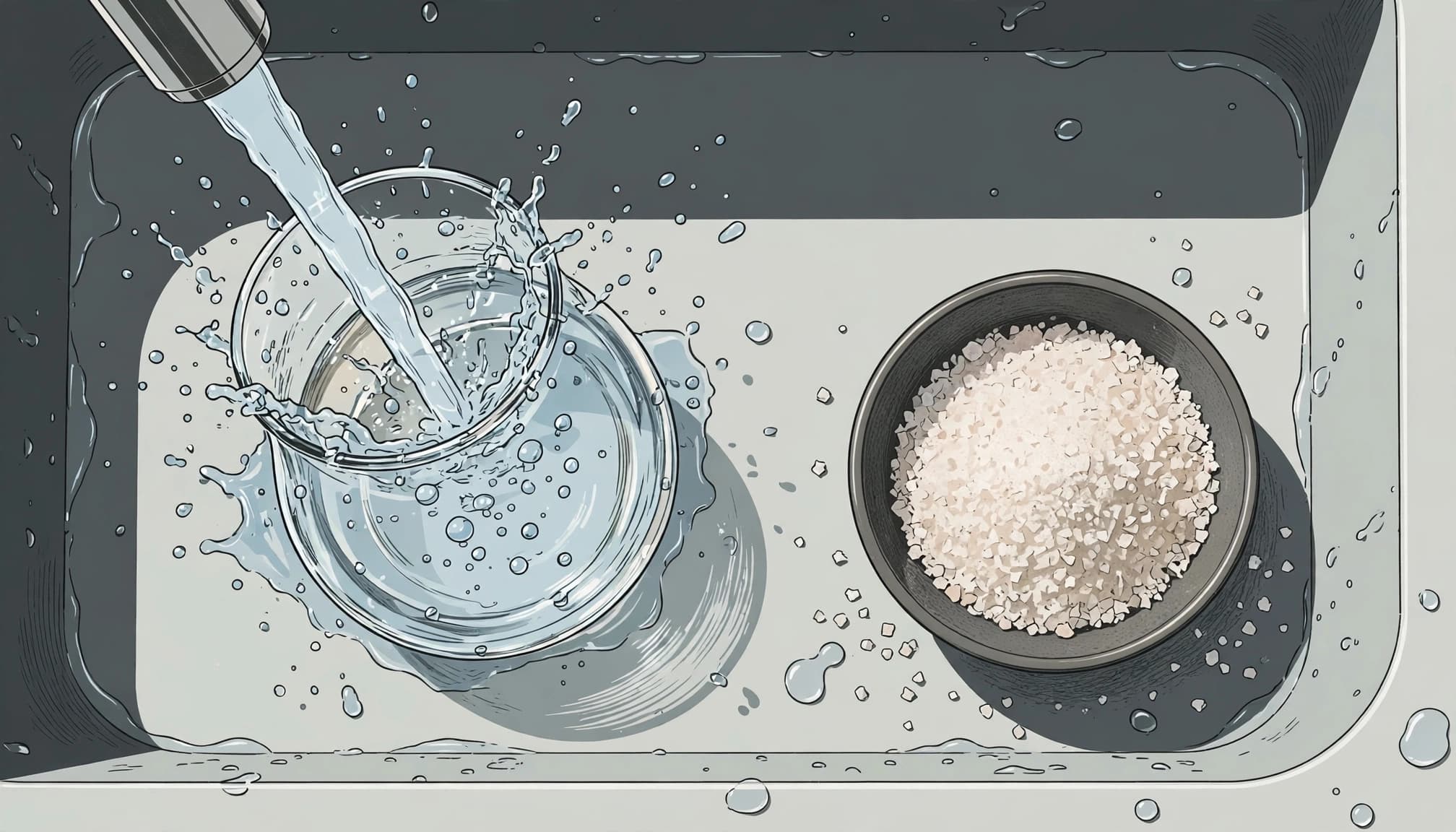
Never use cracked, chipped, or cloudy glass that you can't clean. A homemade setup should stay temporary. A real glass pipe is easier to clean, more reliable, and less likely to turn your night into a side quest at urgent care.
What Materials You Should Never Smoke From
Some DIY suggestions online deserve to be deleted from the internet with a giant red button. Plastic bottles, aluminum cans, foil bowls, Styrofoam, inked cardboard, painted wood, and rubber bands are all hard no's.
Heat changes materials. It can create unpleasant fumes, particles, residue, and awful flavor. Your lungs do not need that extra DLC.
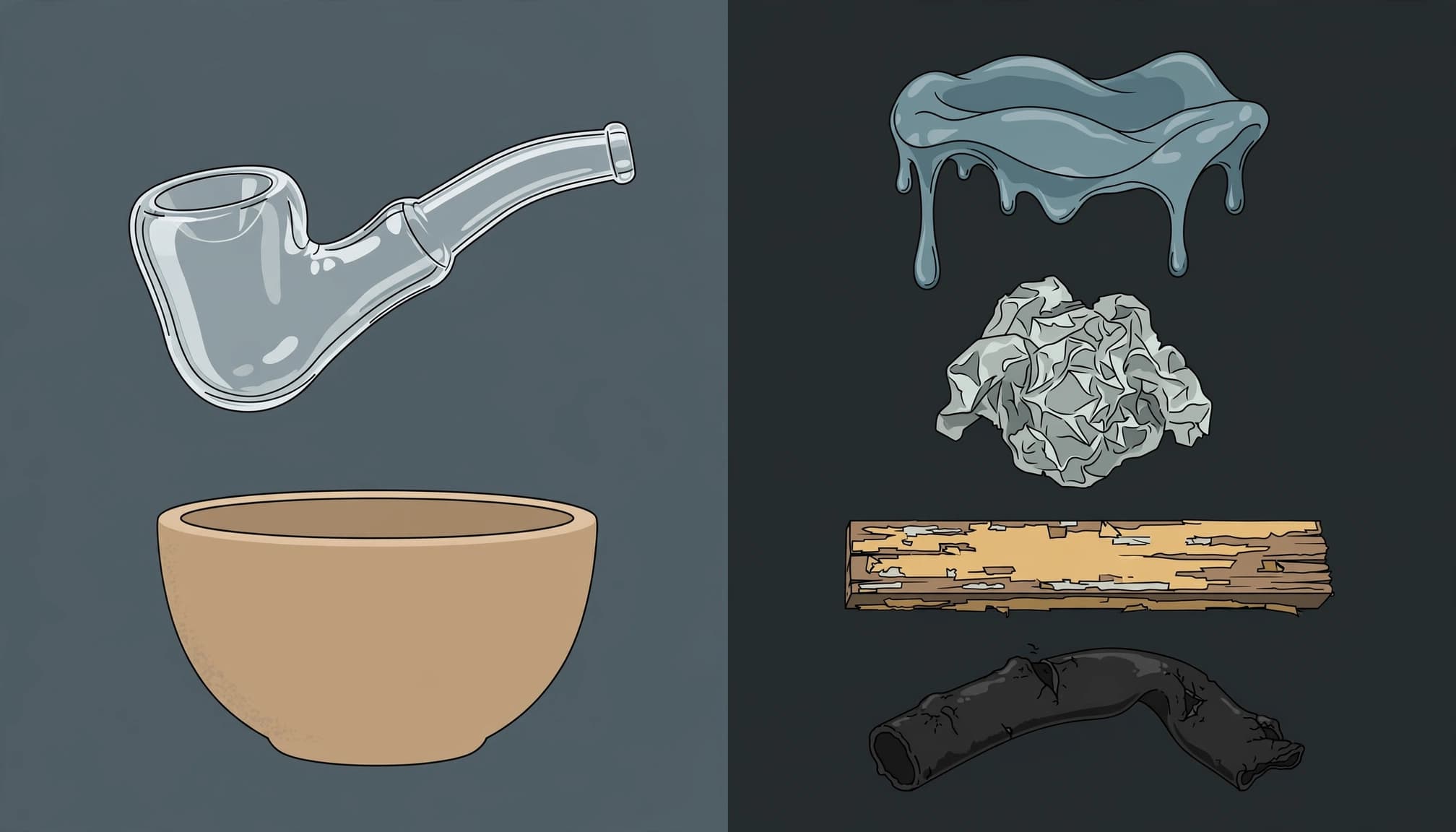
The CDC's cannabis health information warns that smoked cannabis can harm lung tissue and damage small blood vessels. A fruit or glass option does not erase that risk, but adding melting plastics or coatings makes a bad idea worse.
Why Plastic, Foil, and Paint Are a Hard No
Plastic can soften and release fumes when heated. Foil and cans may have coatings or residues you can't identify. Painted wood and inked cardboard can burn, flake, and taste like a chemical warehouse.
If you don't know exactly what a material is made of, don't heat it. Glass, plain ceramic, or a fresh food item are better short-term choices than mystery materials.
Safer Choices When You Do Not Have the Right Supplies
Waiting is the safest option. Borrowing a clean, purpose-made glass piece from a legal adult, where local rules allow it, is better than improvising with trash-tier materials.
You can also buy an inexpensive glass pipe when you can. It is less chaotic, easier to wash, and doesn't require turning your kitchen into a crafting table with bad stats.
Frequently Asked Questions
Does water make cannabis smoke safe?
No. Water may cool smoke, but it does not make smoked cannabis harmless. If your lungs feel irritated, stop. You don't need to power through a harsh hit like it is a boss fight.
Can you use a chipped glass bottle?
No. Chips and cracks can break further, create sharp edges, and make cleaning harder. Use only intact glass, and replace damaged pieces instead of trying to patch them.
How should you store cannabis around children and pets?
Keep cannabis and accessories in a locked, childproof container that children and pets can't reach or see. Keep edibles especially secure because they can look like regular snacks. If accidental exposure happens, call Poison Control at 1-800-222-1222, or call 911 for an emergency.
Are marijuana pipes legal where you live?
That depends on your state, city, age, and how local laws define cannabis accessories. State laws have changed fast, but that doesn't mean every form of possession or public use is allowed. Check current local rules before carrying or using anything.
Should you drive after using cannabis?
No. Don't drive, bike in traffic, or operate machinery after using cannabis. Make your plan before you use it, not after your brain has switched to loading-screen mode.
Keep the DIY Energy Low-Stakes
You now know the safer short-term options are fresh fruit or clean, intact glass, plus the materials that should never enter the chat. An apple can work as a one-time backup. A clean glass setup with proper components is less chaotic. Neither makes smoking harmless.
Keep it legal, keep it clean, and don't gamble on plastic, foil, paint, or random garage artifacts. Upgrade to a real glass piece when you can, then return to more important quests, like figuring out why gamer graphic tees stand out.