

Martial Arts Forms: Learn Kata, Poomsae, and Taolu
A martial arts form is a planned sequence of movements you practice alone to build skill and control. When you first learn martial arts forms, remembering the next turn can feel harder than performing the techniques themselves.
You'll hear different names across styles, including kata, poomsae, and taolu, but your first goal is controlled movement. You'll learn how those names differ, what routines train, how to practice safely, and where forms fit into belt tests and competitions.
Start with the version your instructor teaches, then build accuracy before adding speed or power.
Key Takeaways
- Karate uses kata, taekwondo uses poomsae, and wushu uses taolu, with different techniques and performance standards.
- Forms help you practice balance, breathing, timing, and transitions, alongside remembering the sequence.
- Learn short sections first, then connect them at a controlled pace with your instructor's feedback.
- Belt-test requirements depend on your school, while competition scoring follows the event's governing body.
- After training, graphic tees and relaxed streetwear give you room for personal expression without becoming part of martial arts tradition.
Martial Arts Forms: How Kata, Poomsae, and Taolu Differ
The names tell you which training tradition you're entering. Although these routines share a structured approach, you can't swap one style's movements or standards into another.
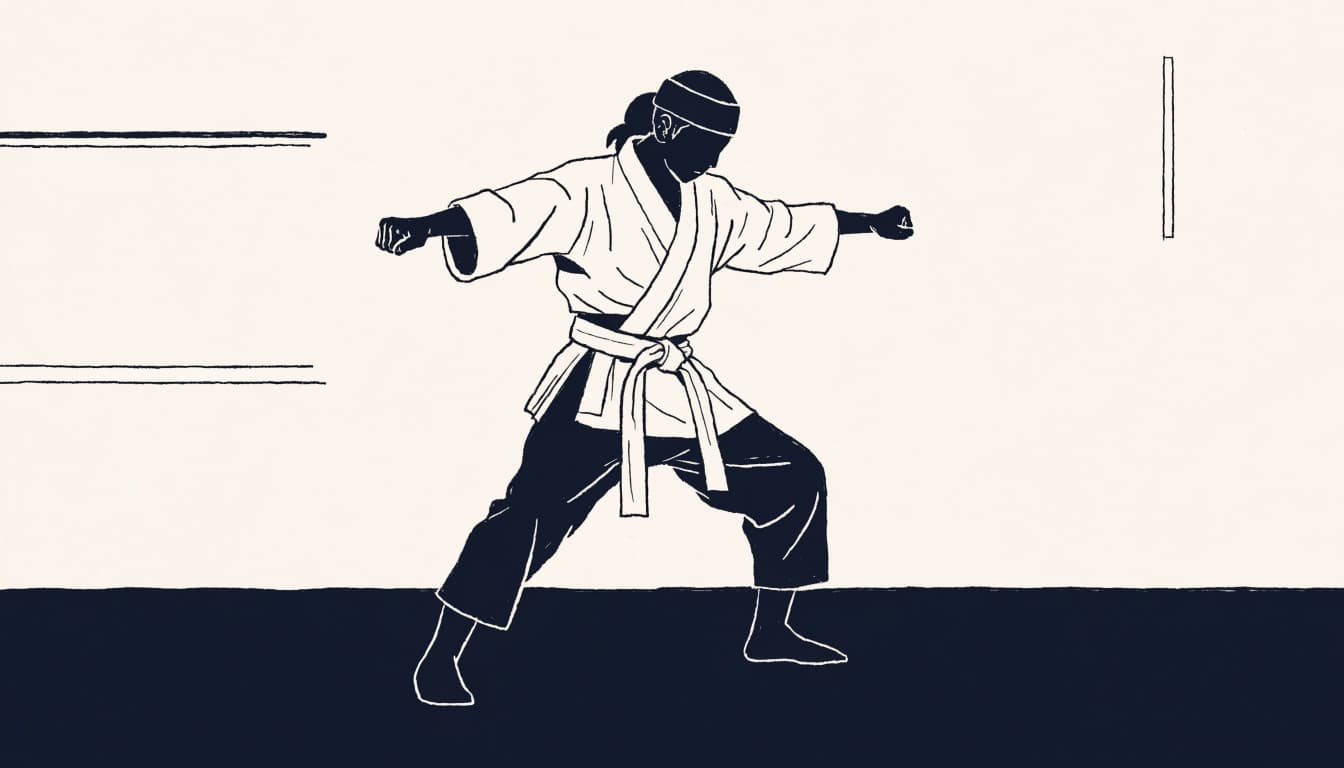
Karate Uses Kata, Taekwondo Uses Poomsae, and Wushu Uses Taolu
In karate, you practice kata, the Japanese word for form. The World Karate Federation describes kata as karate movements performed against a virtual opponent.
In taekwondo, you'll usually hear poomsae. Recognized poomsae follows established routines, while freestyle poomsae uses taekwondo techniques with music and choreography. That distinction matters when choosing demonstrations to study.
Chinese martial arts use taolu for routines. The International Wushu Federation describes taolu as connected, predetermined techniques within wushu's form-practice component.
However, a shared label doesn't guarantee identical instruction. Your school may teach different routines, technical details, or movement applications than another school using the same name. Ask which version you're expected to learn before copying a performance online.
What a Form Trains Beyond Memorizing Moves
Once you remember the order, you can pay closer attention to how each movement works. You'll practice keeping your balance during turns and coordinating your arms with your stance.
Timing also matters. A transition should connect the movements clearly rather than become a hurried step between poses. Breathing, posture, and focus need attention throughout the routine.
The WKF's kata judging criteria include stances, speed, balance, and strength. These give you concrete qualities to observe, although your instructor sets your training priorities.
Knowing what comes next gives you room to improve how you get there.
What to Notice in a Kata Demonstration
Watching a skilled performer can help you recognize details that disappear when you're busy remembering your own routine. In the World Karate Federation video featuring Rika Usami, watch her stance changes, turns, and pauses.
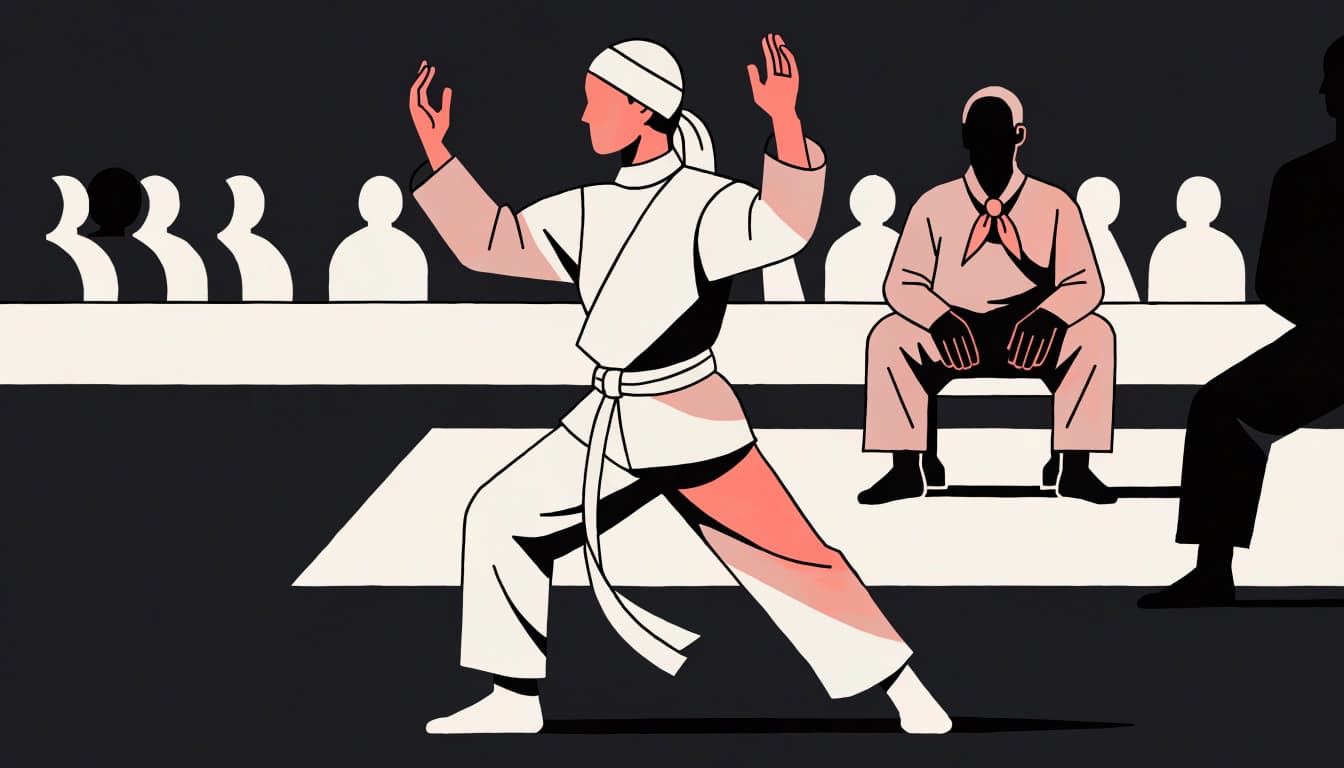
Notice whether each movement finishes with a stable position. Then look at how the next movement begins, rather than watching only the strikes.
Use the demonstration to sharpen your observation, but follow your coach's version when practicing. A competition performance doesn't give you every correction, preparation drill, or explanation behind the movements.
Choose one detail to discuss in class. For example, ask how you're supposed to shift your weight during a particular turn.
How to Learn and Practice a Martial Arts Form
Your instructor's demonstration is your starting point. Before practicing independently, confirm the routine's name, its expected version, and any details your school teaches differently.
Break the Sequence Into Small, Repeatable Sections
Learn a few movements at a time instead of attempting the whole routine immediately. First, identify the starting position, direction, and ending stance for that short section.
Naming those positions can help you remember the sequence. Use the terms your instructor teaches so your practice notes match what you hear in class.
Next, repeat the section until you can perform it without guessing. Check the order and direction with your instructor before linking it to the next section.
When you make a mistake, return to the part where it began. Repeating the entire form may hide the exact transition that needs work. After a correction, practice that connection again while the feedback is fresh.
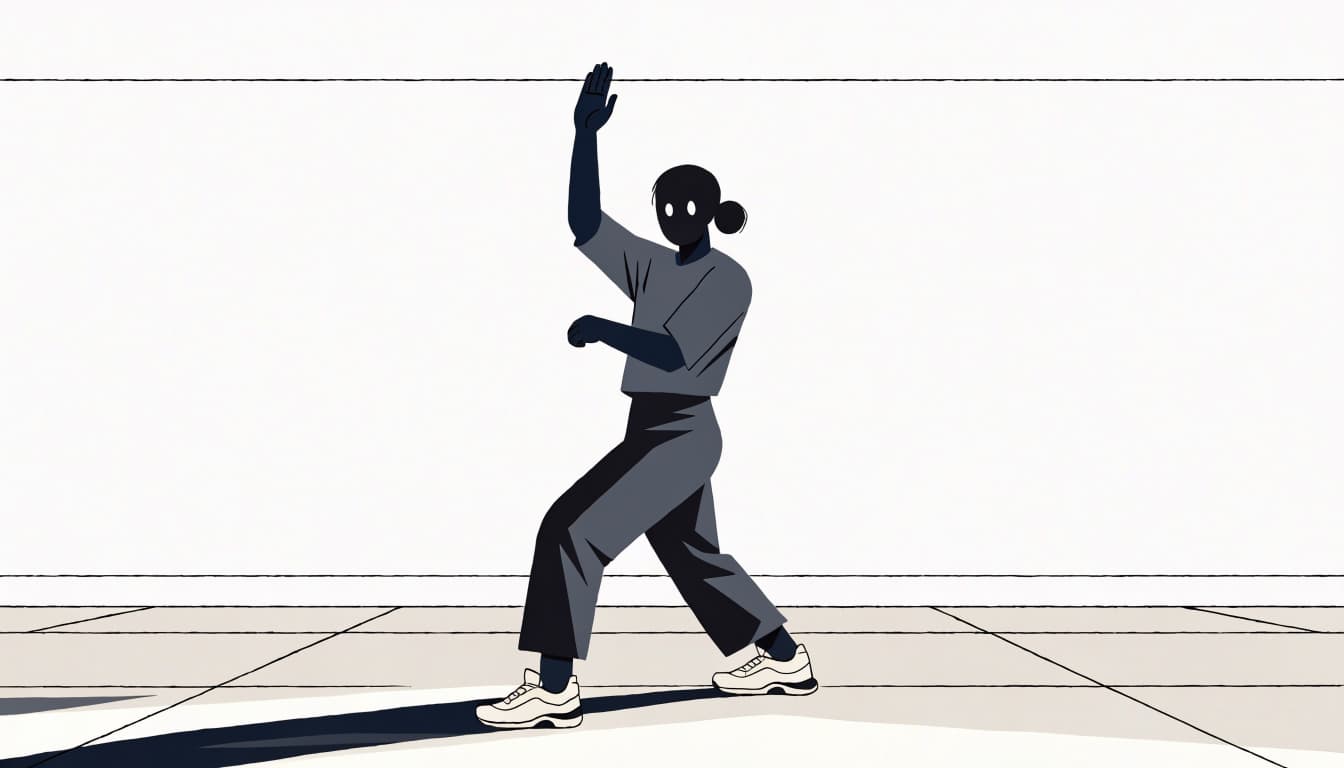
Use Slow Repetition to Build Control and Accuracy
Clear enough floor space for the routine's turns, steps, and kicks. Check your footing, remove nearby obstacles, and follow your coach's warm-up guidance.
Start at a pace that lets you notice posture and balance. You should have time to feel where your weight moves during each transition.
Then add speed or power as your instructor directs. Practice both sides when your style or coach calls for it, rather than changing an established sequence yourself.
Stop if a movement causes pain. Ask your instructor about technique adjustments, and seek medical advice when appropriate.
Practice slowly enough to notice mistakes, but keep following the movement mechanics your instructor teaches.
How Forms Fit Into Belt Tests and Competition
Martial arts forms can show your progress in class and provide a judged competitive event. However, your school's rank test and a tournament may assess different things.
What Your Instructor May Look for During a Rank Test
During a grading, your instructor may assess sequence accuracy, stance quality, technique, focus, balance, and control. You may also need to show that you understand corrections you've received in class.
Before testing, confirm the required form and the standard expected at your rank. Ask whether you'll perform alone, alongside other students, or as part of a broader assessment.
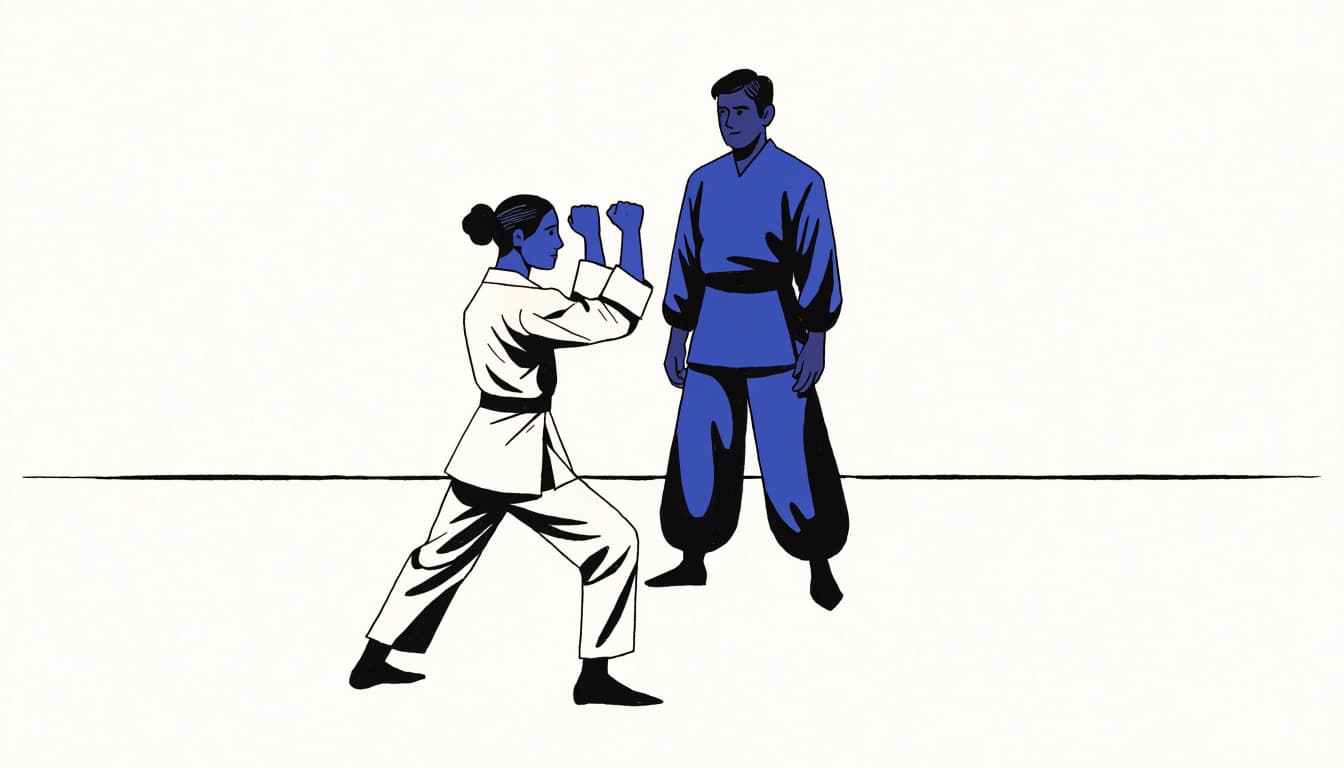
Don't substitute tournament guidance for your school's syllabus. The WKF's official documents cover sport rules, while your instructor determines your school's grading requirements.
You can also ask which errors need attention before you're ready. That gives your practice a clear target instead of leaving you to guess.
How Competition Judges Evaluate a Performance
Judges may assess speed, balance, strength, timing, breathing, and precision, depending on the governing body. A memorable performance still needs the technical qualities its rules require.
Under the WKF kata competition rules, performances receive scores between 5.0 and 10.0, in increments of 0.1.
World Taekwondo recognized poomsae uses a 10-point total. Accuracy accounts for up to 4 points, while presentation accounts for up to 6. Presentation includes speed and power, rhythm and tempo, and expression of energy.
Check the current rules for your event before entering. Formats, eligibility requirements, and scoring procedures can change, so prepare for the competition you're attending.
Streetwear & Casual Styling
After class or a competition, you can change into something that reflects your interests outside training. Your casual outfit is separate from your uniform and your school's traditions.
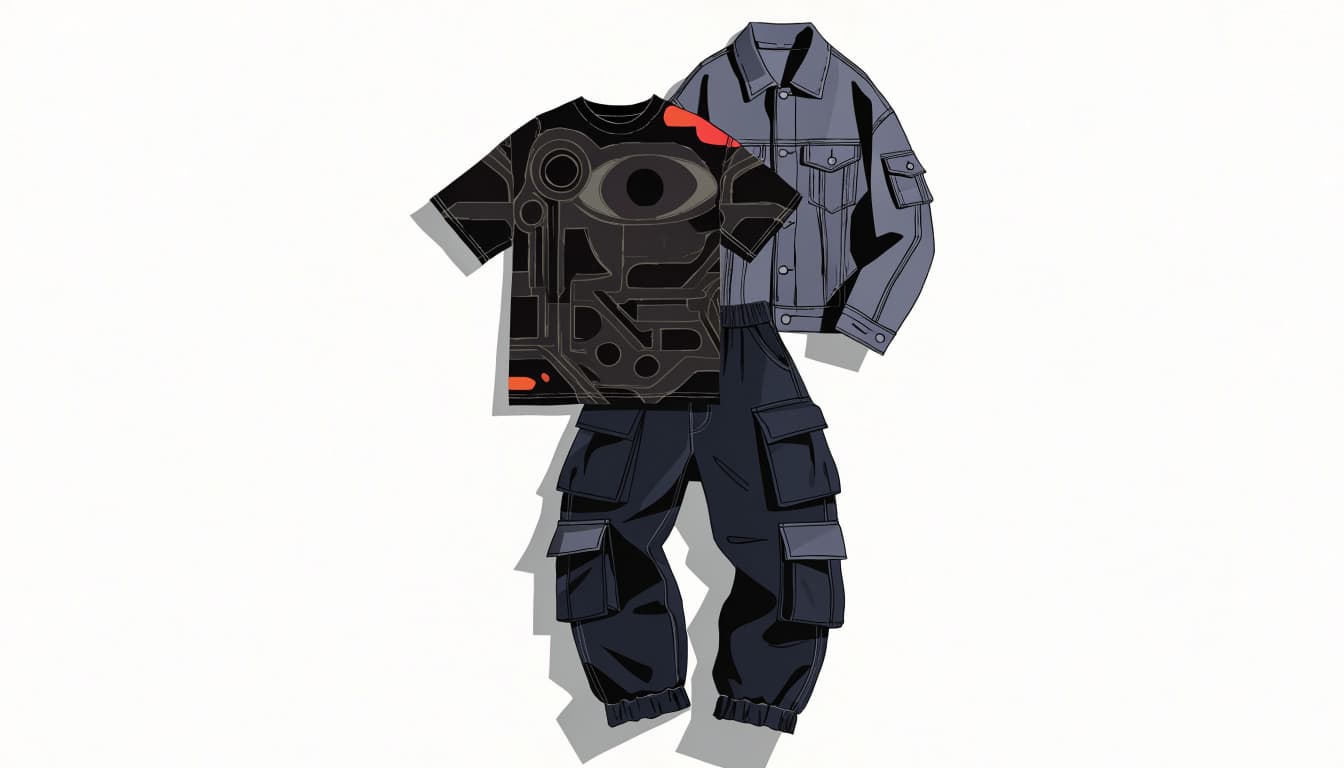
Build the look around a Cyber-Brutalist Anime Graphic Tee. Bold anime artwork works well with relaxed cargos because the roomy silhouette keeps the outfit comfortable.
For a simpler combination, choose dark-wash denim and understated sneakers. If you want a light layer, leave an overshirt or jacket open so the graphic stays visible.
You can borrow ideas from these black and white tee outfits when your print has strong contrast. Keeping the other pieces restrained gives the artwork more space.
Choose clothes that feel comfortable for your plans after training. The connection is personal expression: you can enjoy martial arts and anime-inspired streetwear without treating either interest as a costume for the other.
Frequently Asked Questions
Are martial arts forms the same as sparring?
Forms follow a planned sequence, while sparring asks you to respond to a live training partner. Depending on your school, you may practice both. Forms give you repeatable movements to refine, but they don't replace learning distance and timing with another person.
Can you practice a form at home?
Yes, you can review a form your instructor has already taught you if you have enough clear space. Check that the surface suits the movements and keep away from furniture. Bring questions back to class because small errors can become habits without corrections.
Do all martial arts styles use forms?
Many traditional styles teach forms, but training methods differ. Some schools put more time into partner drills, sparring, or other exercises. Before joining, ask how forms fit into the curriculum so you know what your regular classes will involve and what the school expects.
How long does it take to learn a form?
Your learning time depends on the routine's length, your experience, and how often you practice. Remembering the order usually comes before performing every movement with accuracy and control. Track your progress through specific improvements rather than comparing your pace with someone else's.
Build Accuracy Before Speed
Martial arts forms give you a repeatable way to practice movement, focus, and control. Progress comes through patient repetition and feedback that helps you correct a particular stance, turn, or transition.
Remembering the sequence is a useful milestone, but your next goal is performing it with greater accuracy. Keep working at a pace that lets you notice what needs attention.
Ask your instructor which form to learn next and what they want you to improve first. Give each movement your attention instead of rushing to finish.