

Mommy and Me Hospital Outfits That Work for Real Life
You're planning your first photo together. Maybe you've found a matching print, picked a color, and pictured the baby looking impossibly tiny in your arms. It's a sweet plan. Then the hospital enters the chat with checks, feeding, skin-to-skin time, and a schedule that doesn't care about your outfit.
The best mommy and me hospital outfits leave room for all of it. You can look coordinated without wearing anything fussy or dressing your newborn before they're ready. Here's how to choose comfortable pieces, check what your hospital allows, and save a matching look for the trip home.
Key Takeaways
- Choose clothing you can open easily for checks, feeding, and skin-to-skin contact.
- Ask your hospital what you and your baby can wear before packing several outfits.
- A robe and baby swaddle can create a matching photo without a complicated newborn outfit.
- Pack comfortable postpartum clothes, two baby sizes, and weather-appropriate layers for discharge.
- Keep bulky clothing out from under your baby's car-seat harness.
How to Wear Mommy and Me Hospital Outfits Without Getting in the Way
Your outfit should make hospital life easier, or at least stay out of its way. A coordinated photo is lovely. So is being able to open your robe when your baby needs skin-to-skin contact.
Hospital routines and policies vary. Ask your care team if you can wear your own clothes during labor and recovery, and when your baby can wear an outfit from home. Your medical needs may change the plan, too.
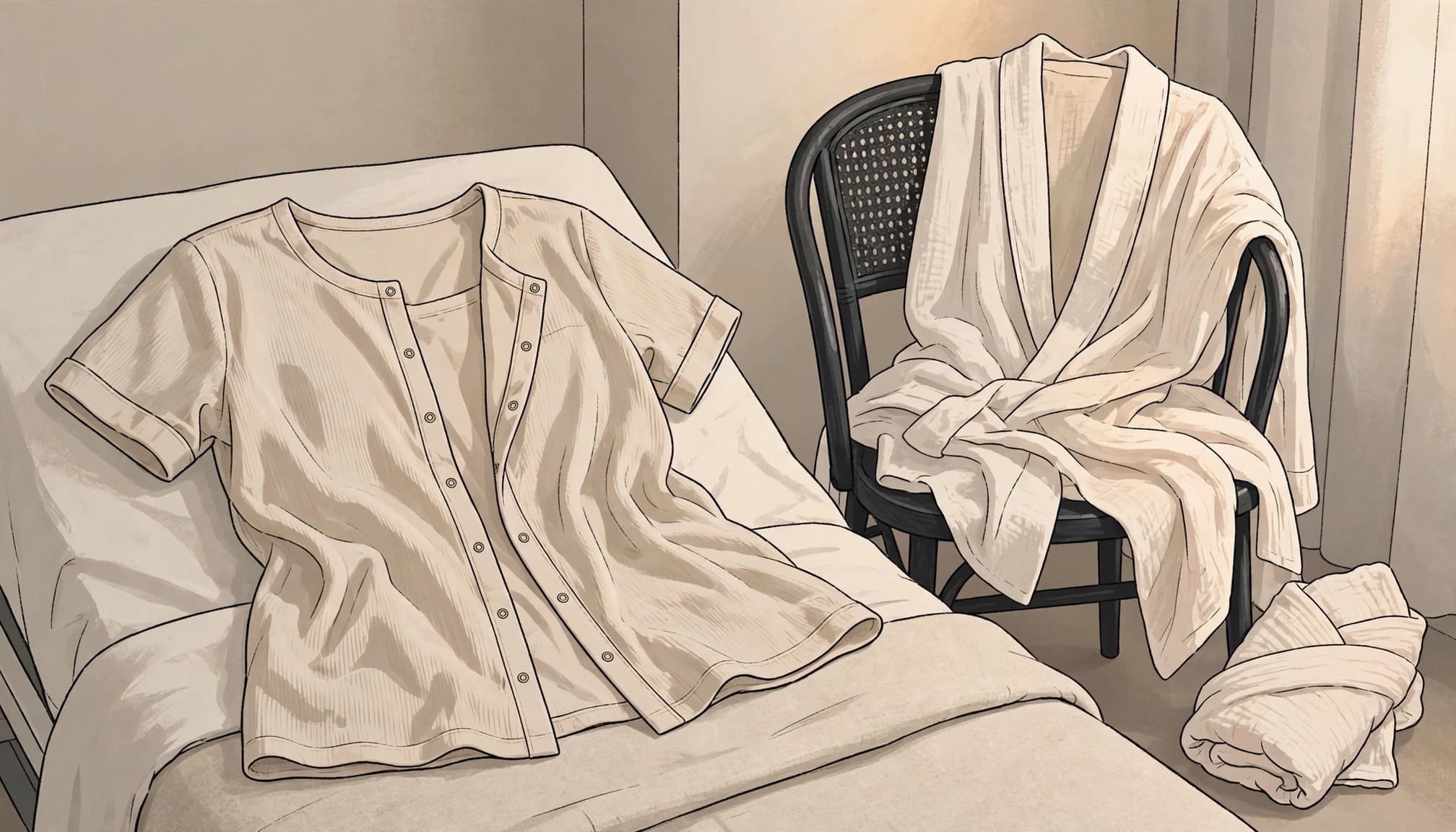
Choose an open-front gown, robe, or nursing-friendly top
A hospital gown can be the easiest option during labor, particularly if you need frequent checks, monitoring, or medical lines. You can still pack something softer for later. A loose nursing gown, open-front robe, or button-front shirt gives you access without making you wrestle a tight neckline.
Kaiser Permanente's hospital packing guidance suggests a robe or front-opening shirt for nursing and skin-to-skin. Look for soft fabric, easy closures, and a fit that feels good while you're sitting or lying down.
Keep your newborn's first outfit simple
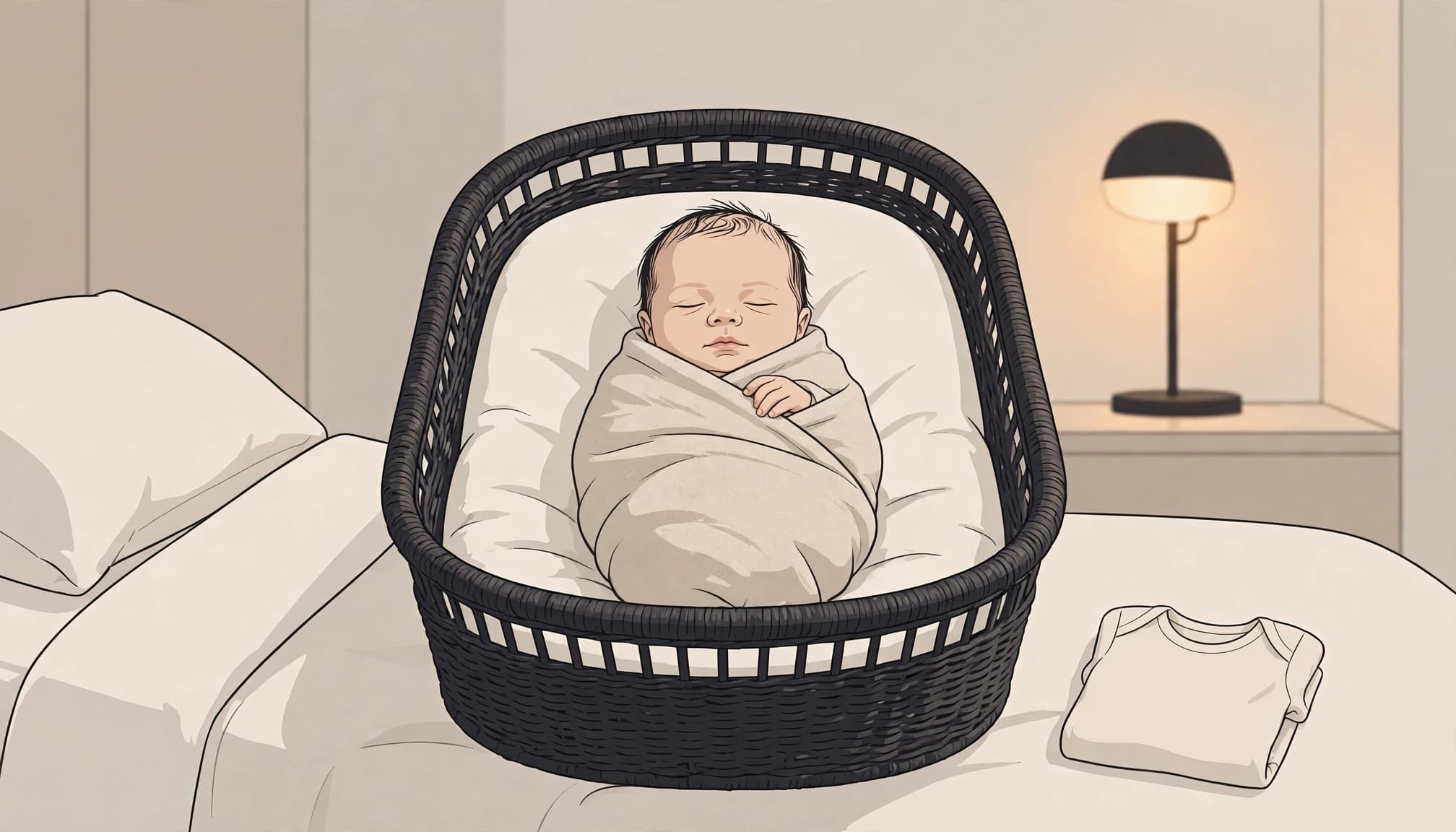
Your baby may spend the first stretch wearing only a diaper against your bare chest, with a blanket over both of you. The CDC's maternity-care guidance encourages immediate skin-to-skin contact when you and your newborn are medically stable.
Afterward, a simple shirt or onesie and swaddle may be plenty. Ask what your hospital provides and how staff handle warmth before you pack a stack of tiny outfits. Baby's first change shouldn't become a speedrun.
Matching Hospital Outfit Ideas That Feel Comfortable and Photo-Ready
Matching doesn't require identical clothes. One shared color, print, or small detail reads as coordinated in a photo, even when you're dressed for recovery and your baby is wrapped for warmth. Think of mommy and me hospital outfits as a flexible color plan rather than a strict uniform.
Coordinate a robe or gown with a baby swaddle
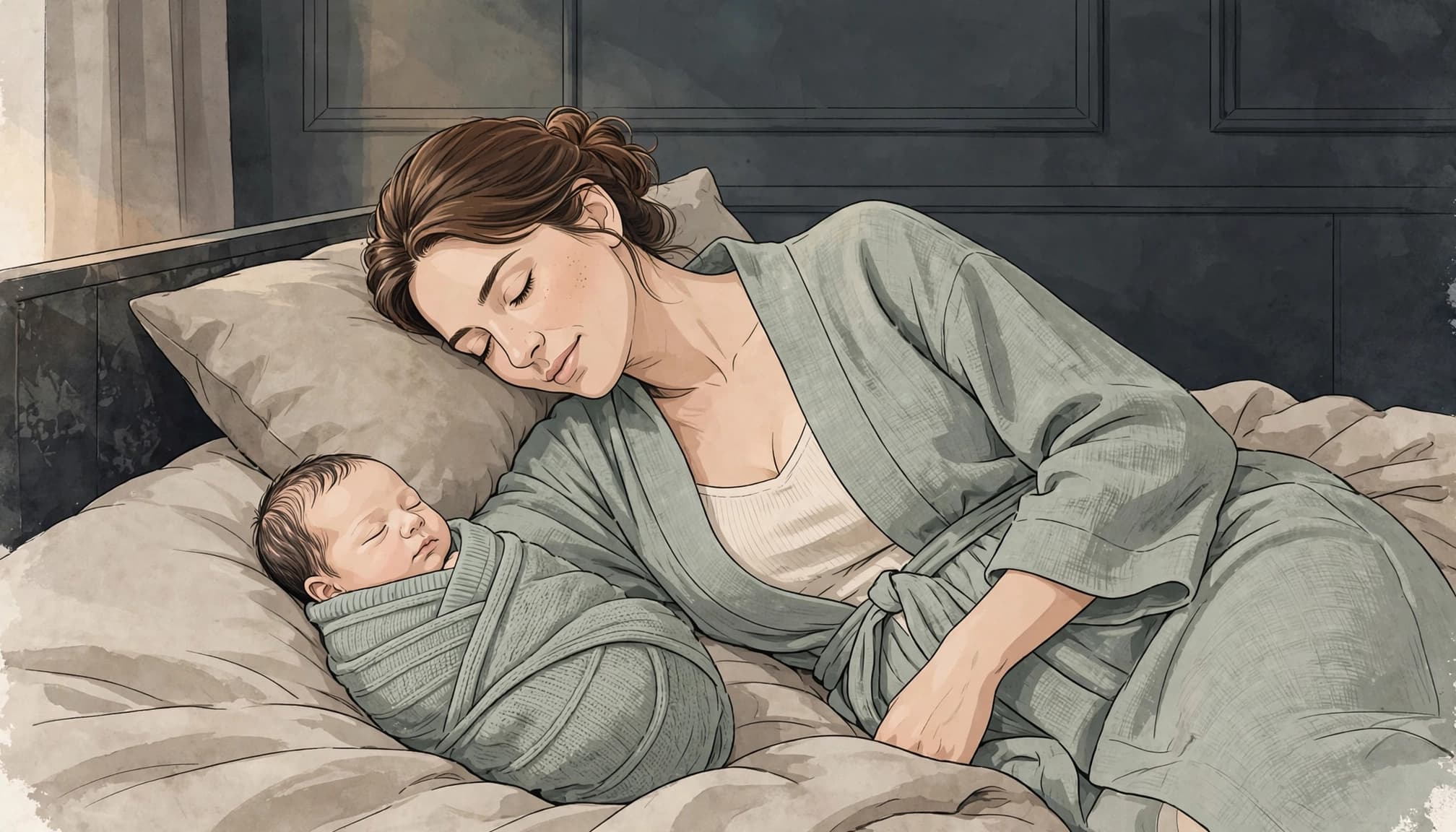
Try a soft robe in a color you like with a swaddle in the same shade. Or pair a simple nursing gown with a patterned blanket that picks up one color from it. If your hospital uses a hat and says you can bring your own, that can be the matching detail instead.
The swaddle does most of the visual work. Your baby doesn't need a full outfit for the photo, especially during skin-to-skin. UI Health's skin-to-skin guidance describes placing an unclothed or diaper-only baby against your bare skin, then covering them with a blanket. Follow your care team's directions on timing and warmth.
Plan a relaxed look for photos and visitors
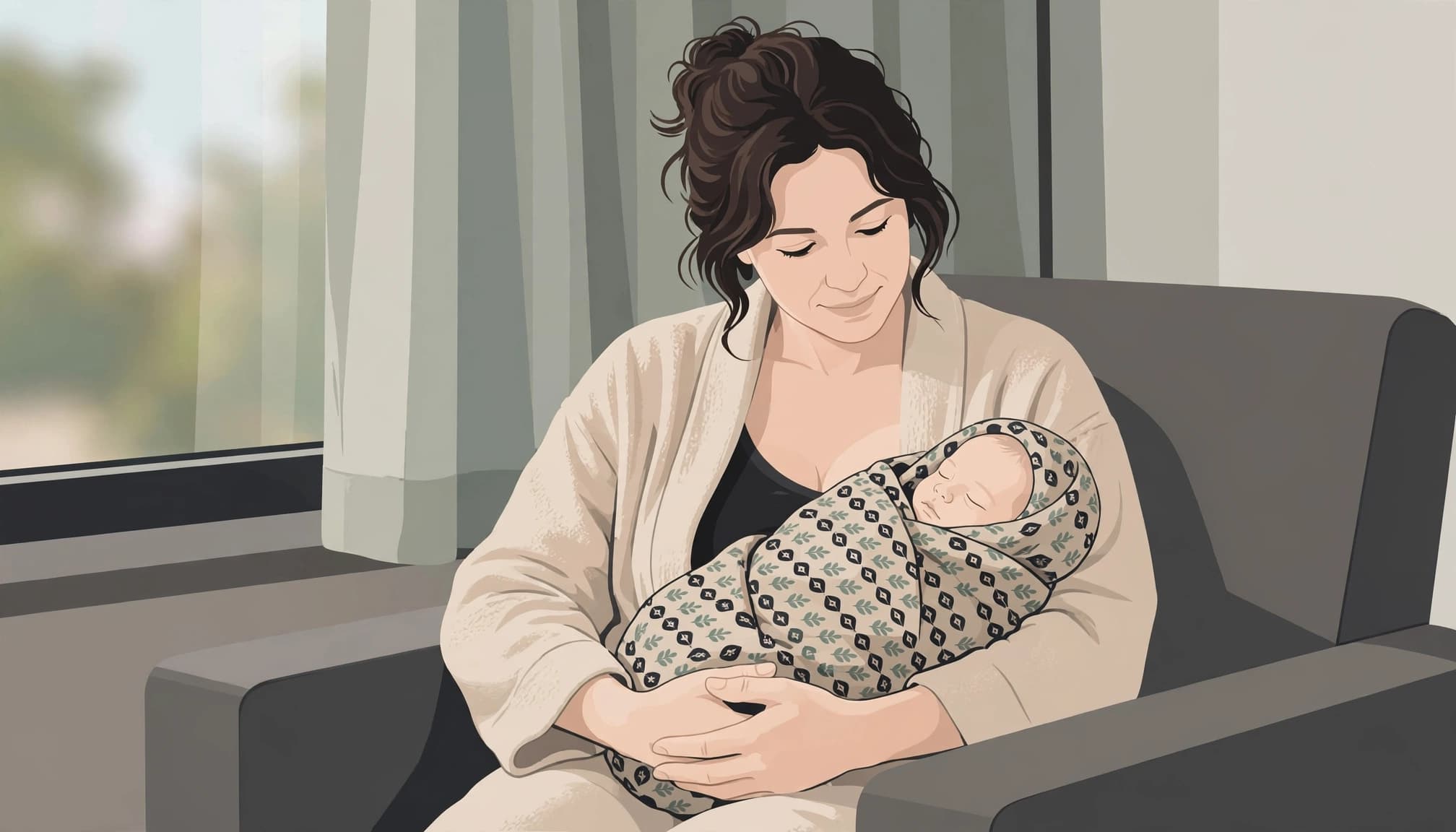
A soft nursing tank under an open robe looks put together without requiring much effort. A loose button-front nightgown works too. Choose a color or print you enjoy, then repeat it in one baby item. If bold graphics feel more like you than delicate florals, your photo doesn't need to borrow someone else's personality.
Keep layers easy to open and remove. You can change after delivery, once you feel ready, rather than packing a separate look for every possible visitor and camera angle. Hospital plans have enough plot twists already.
Pack Outfits for Recovery and the Ride Home
Give yourself two clothing plans: one for resting at the hospital and one for leaving it. They can overlap. Your going-home clothes need to fit your body that day, while your baby's outfit needs to work with the weather and car seat.
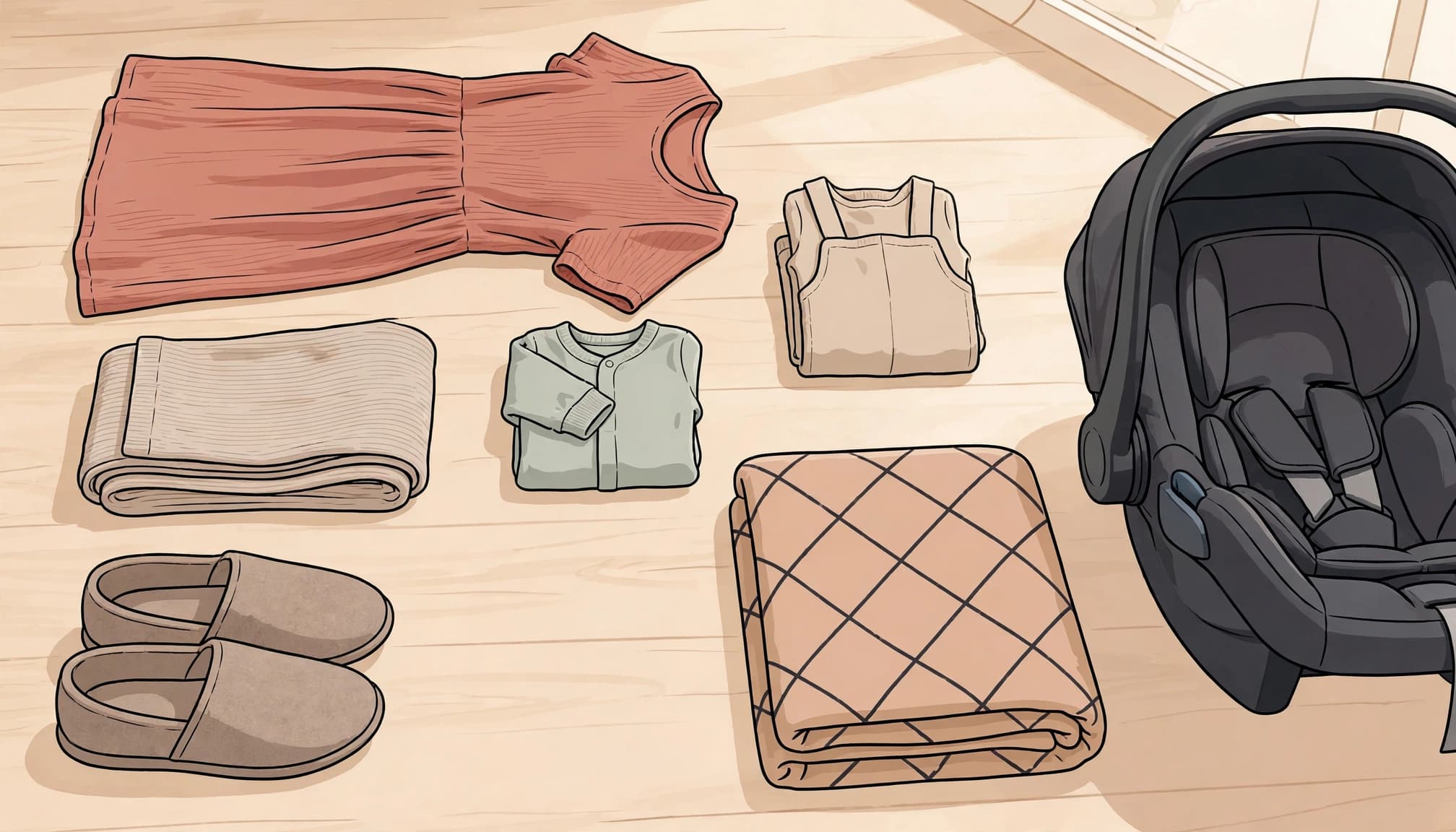
Choose your going-home clothes for your postpartum body
Pack the clothes you'd be comfortable wearing while pregnant: maternity leggings and a soft top, a relaxed dress, or loose pants with a forgiving waistband. Your belly won't necessarily fit your pre-pregnancy jeans when you leave. If you have a C-section, check that your waistband won't rub your incision.
Add easy shoes and a layer you can put on without much effort. If your going-home look includes a roomy graphic tee, measure a T-shirt before choosing a size. A shirt that feels good is more useful than one bought for a photo you haven't taken yet.
Pack a weather-ready baby outfit and backup size
Bring one newborn-size outfit and one in 0-3 months. You won't know exactly which fits until your baby arrives. Simple fastenings make changing easier, especially when everyone would rather be heading home.
Dress your baby for the outdoor temperature, with a blanket or extra layer if needed. The car seat changes how you use those layers: UPMC's going-home guidance says to remove bulky clothing before buckling your baby in and place a blanket over the secured harness instead. Follow your car-seat manual, and check your hospital's discharge and car-seat guidance before the trip.
For a quick visual reminder of why puffy coats and harnesses don't mix, watch this short video.
Ask Your Hospital Before the Bag Is Packed
A quick call can save space in your bag and a lot of "wait, are we allowed to use this?" later. Ask whether you can change into your own gown or robe during labor, or only after delivery. Find out what baby clothes, swaddles, and hats the hospital provides, and whether you may use yours.
You can also ask when staff usually complete newborn checks and whether any clothing needs to stay off for them. Policies aren't identical across hospitals, and your care needs take priority over a plan you made at home.
Keep the questions practical. If you're hoping for a photo in a particular swaddle, ask when that item would be appropriate to use. If you're unsure how warmly to dress your newborn, ask the nurse rather than guessing from the room temperature. You'll get advice that fits your baby and the hospital's routine, not a stranger's packing video.
Let the First Photo Happen When You're Ready
You don't owe anyone a photo right after birth. You may want food, sleep, a shower, or a quiet hour with your baby first. The matching pieces will still be there later.
When you're ready, look for a comfortable spot near a window, if your room has one. A photo of you holding your baby in a robe and swaddle can feel more like your day than a carefully arranged outfit change. Ask someone you trust to take a few pictures, then put the phone away if you want.
Keep your baby's face clear of loose fabric while they're in your arms, and follow your care team's advice on safe holding and warmth. If your original outfit stays in the bag, take the photo anyway. You're both in the frame. That's the part worth keeping.
Frequently Asked Questions
Should you wash new hospital outfits before packing them?
Yes, wash clothes and swaddles you plan to put against your skin or your baby's. Follow each item's care label, then pack the pieces dry and ready to wear. You don't need a special washing ritual to make the look photo-worthy.
Do you need a different matching set for every hospital day?
You can pack one coordinated option and rely on comfortable backup clothes. Spit-up, spills, and changing care needs can retire an outfit early. An extra easy-to-wear top is more useful than several elaborate sets with no room left in your bag.
Can you wear a matching outfit after a C-section?
You can, if your care team says it's appropriate and the clothes feel comfortable. Choose easy-open layers and a waistband that doesn't press on your incision. A robe over a loose gown may be easier to manage than pants during early recovery.
Should your newborn wear a hat in hospital photos?
Ask your care team. Newborn warmth practices depend on your baby's needs and the setting, so a hat shouldn't be part of every photo by default. If staff recommend one, you can coordinate its color with your robe or swaddle.
What if you don't feel like taking photos at the hospital?
Then skip them. You can take a coordinated photo at home when you've rested and have more control over the timing. The matching outfit has no expiration timer, even if your group chat acts like it does.
A Matching Look That Leaves Room for Real Life
That first photo doesn't need a perfectly styled set. Choose something soft you can open easily, pack a simple baby outfit and swaddle, and check your hospital's rules before you go.
Comfort and care come first. When you're ready for the camera, one shared color is enough to make the moment feel like yours.