

My Puppy Is Snapping at Me: What Should I Do?
TrendReactTees.STORE TeamIf you're thinking, "My puppy is snapping at me," take a breath. A snap can have several causes, including play, fear, pain, or guarding something valuable. It doesn't automatically mean your puppy is aggressive.
Your next move is to create space, notice what happened, and get help when the situation calls for it. You can be a devoted dog parent and still feel rattled when your tiny roommate flashes their teeth.
For a lighter part of puppy-parent life, our Best Dog Mom Tee and My Therapist Is A Dog Tee bring some dog-lover humor to your everyday lineup. First, let's figure out what your puppy might be telling you.
This post may contain affiliate links. If you make a purchase through these links, I may earn a small commission at no extra cost to you.
Key Takeaways
- A snap is a reason to look at the situation, not a diagnosis or a prediction of your puppy's future.
- Stop the interaction, give your puppy room, and keep children away from situations that trigger snapping.
- Ordinary play mouthing may respond to toy redirection. Fear, guarding, and handling concerns need a different approach.
- Contact your vet promptly if snapping is new, linked to touch, or accompanied by signs of illness.
- Choose qualified, reward-based help when snapping repeats, escalates, or creates a bite risk.
My Puppy Is Snapping at Me: What Could Be Behind It?
A snap is information. What happened right before it, where your puppy was, and how their body looked can help you identify the next step.
This video offers a closer look at puppy mouthing and resource guarding.
Playful mouthing or teething
Puppies explore with their mouths, and your fingers can become an unfortunately convenient target during play. Teething and excitement can add to the mouthy behavior.
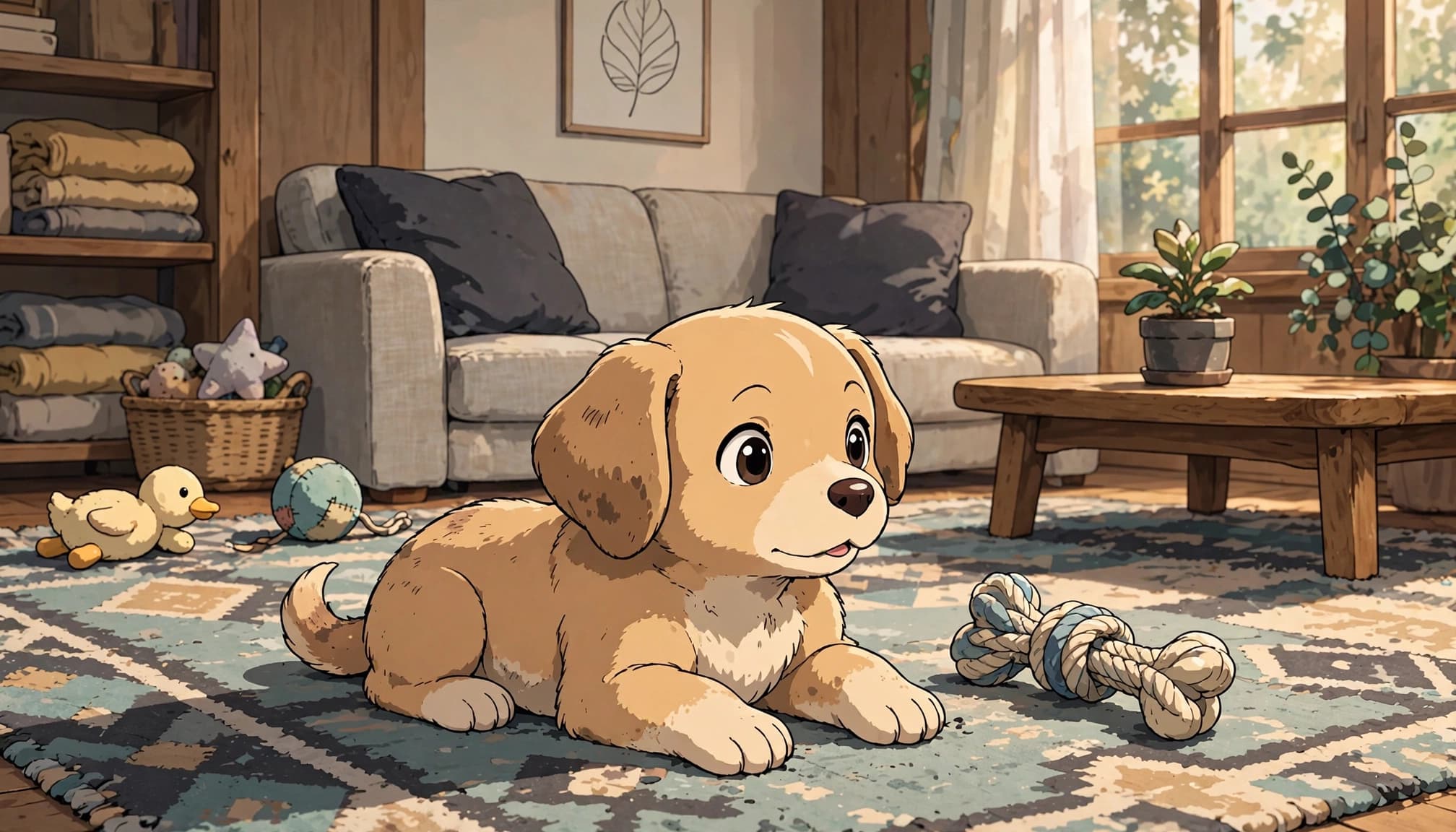
Notice whether the behavior happens during a lively game, when your puppy is tired, or when the household gets busy. The ASPCA's puppy mouthing guidance distinguishes ordinary play biting from behavior connected to fear or frustration. Treating every snap like a play problem can miss the cause.
Fear, pain, or discomfort with handling
Your puppy may snap when an interaction feels frightening, uncomfortable, or impossible to escape. Watch for struggling to get away, freezing, or other changes in posture before a reaction. Fearful dogs don't always give an obvious warning, according to the ASPCA's guidance on aggression.
If snapping starts suddenly or happens when you touch a particular area, contact your veterinarian. Pain or illness can affect behavior, even when your puppy looks fine at first glance.
Food, toys, and other things your puppy guards
Some puppies stiffen, freeze, stare, growl, or snap when someone approaches a valued item. That item might be a food bowl, a chew, or a toy your puppy considers premium loot.
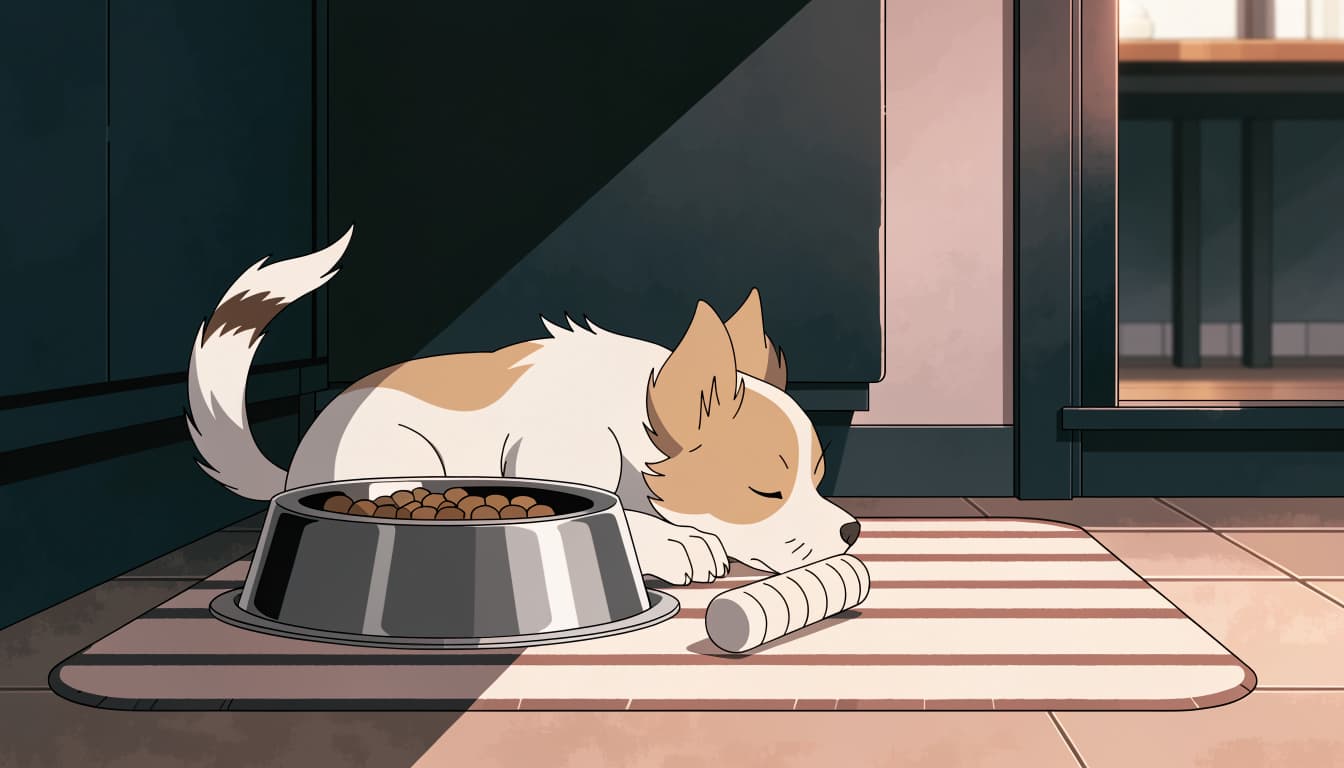
Give your puppy space rather than reaching in or taking the item by force. The ASPCA's food-guarding advice recommends qualified help when a dog has bitten or attempted to bite.
What to Do Right After Your Puppy Snaps
Your first job is to lower the pressure. Save the training plan for a calmer moment, and don't ask your puppy to repeat the situation.
Pause, give space, and protect everyone
Stop what you're doing and move away calmly. Don't corner, grab, or chase your puppy, and let them retreat to a quiet space without anyone following.
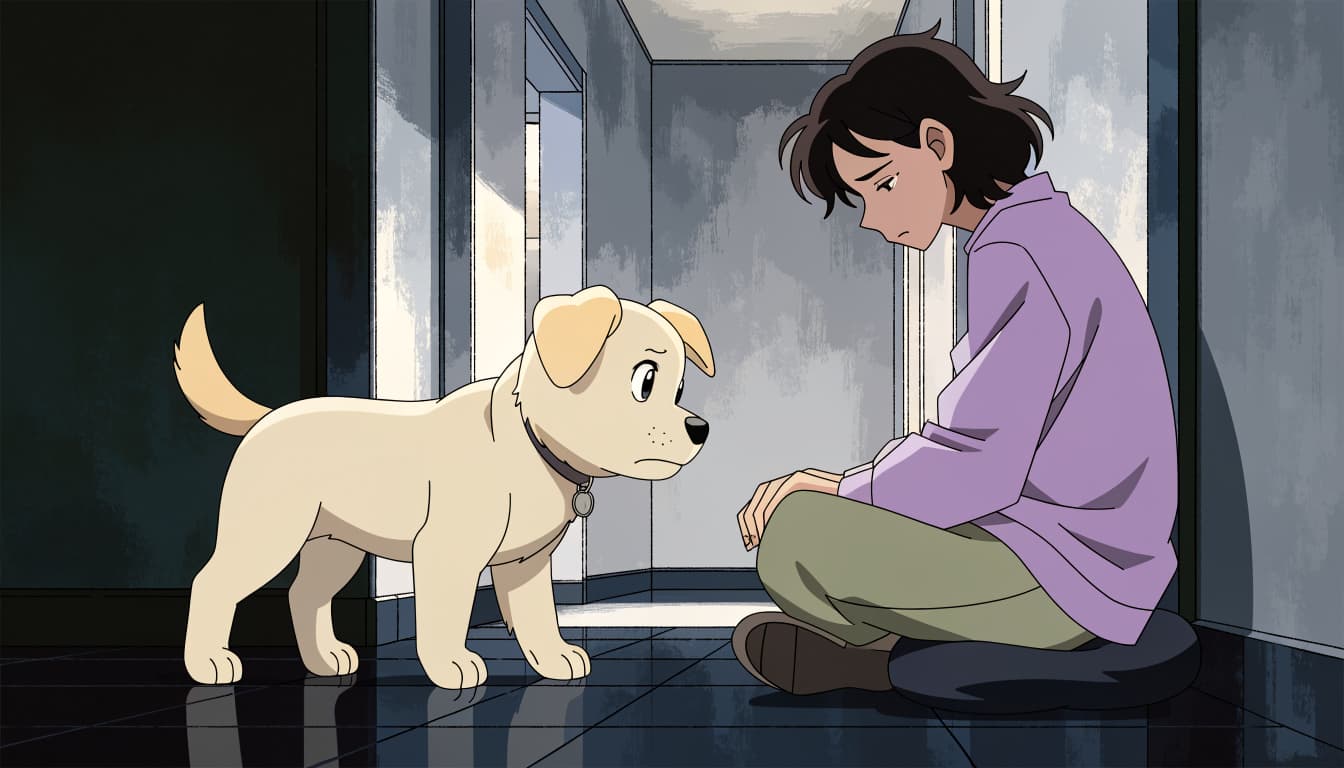
Keep children and visitors away from the situation that caused the snap. A door or secure gate can help you separate everyone without turning the moment into a confrontation.
Supervise interactions with children, and teach them to respect your puppy's resting space. No chasing, rough lifting, or surprise cuddles while your puppy is trying to sleep. If a bite breaks skin, seek appropriate medical advice.
Redirect play and reward calm choices
When you're confident it's ordinary play mouthing, offer an appropriate toy for your puppy to chew. If teeth touch your skin, calmly end your attention for a brief moment. Resume play when your puppy has settled.
You can also reward the moments you want to see more often, such as gentle interaction or choosing a toy. Keep games manageable and give your puppy a quiet place to rest when excitement builds.
A toy isn't a universal fix. Repeated snapping, fearful behavior, or reactions around food and handling call for professional guidance rather than another round of fetch.
Avoid punishment and forced handling
Skip hitting, scruff shaking, nose tapping, intimidation, and punishment for growling. Those responses can increase fear and may suppress warnings that help you recognize discomfort.
If grooming or necessary handling causes distress, stop and ask your vet or a qualified behavior professional for help. You can build comfort with handling at your puppy's pace, rather than forcing contact and hoping they tolerate it.
When to Call Your Vet or a Puppy Behavior Professional
You don't have to diagnose the snap yourself. Start with your vet when pain or illness could be involved, and bring in qualified behavior support when safety or repeated incidents are a concern.
Signs that need a veterinary check
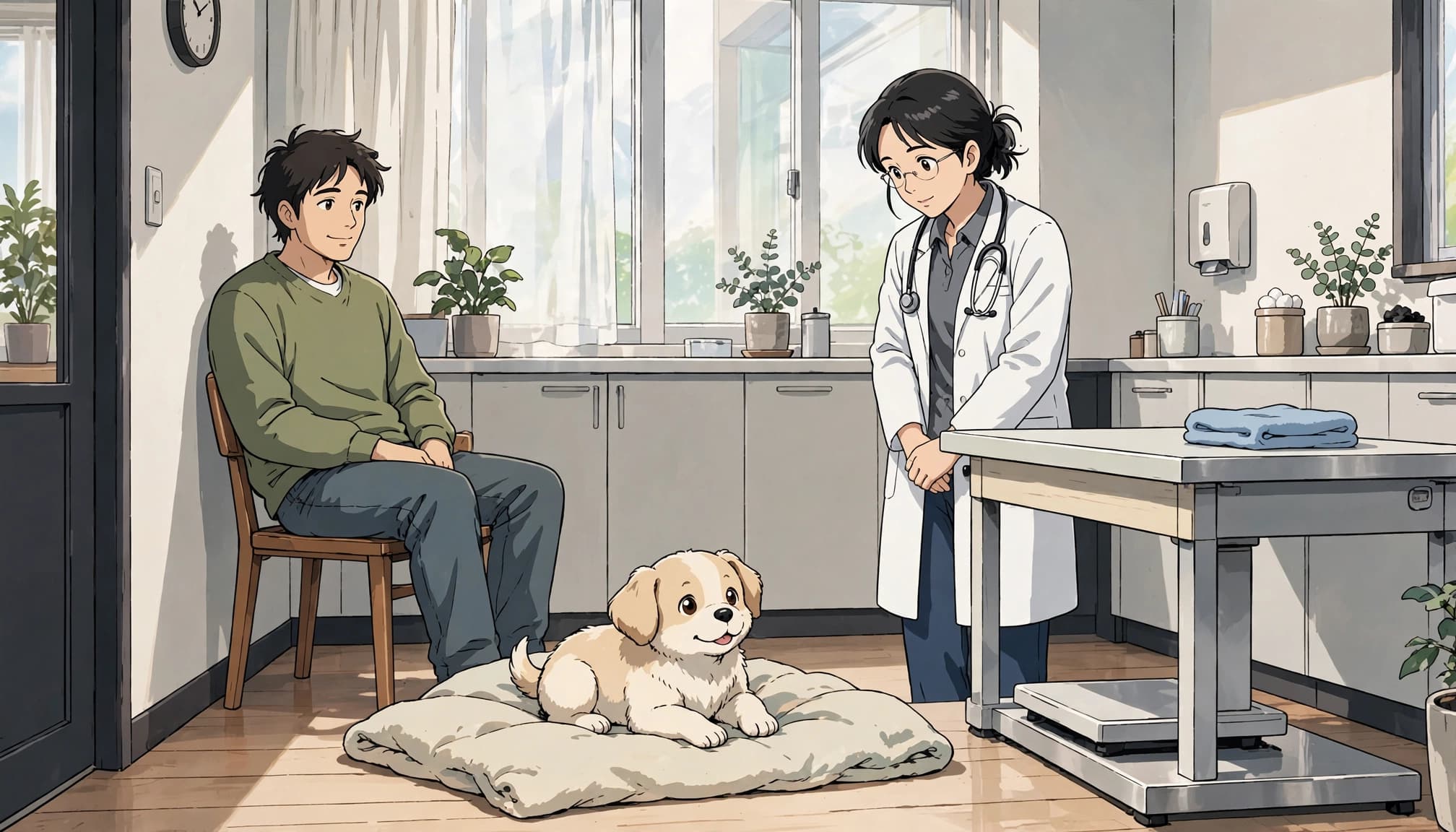
Contact your veterinarian promptly if snapping is new, if your puppy reacts strongly to touch, or if you notice signs of discomfort or illness. Changes in movement, appetite, or behavior are useful details to mention.
Your puppy may need an examination before you make a training plan. What looks like a handling problem can have a medical component, so don't assume your puppy is being stubborn or needs firmer rules.
Tell the clinic what happened before the appointment, especially if handling has prompted a snap. That gives the team useful context for planning the visit.
Finding qualified, reward-based help
For repeated or escalating snapping, fear-related behavior, guarding, or a bite risk, seek qualified help. A board-certified veterinary behaviorist or Certified Applied Animal Behaviorist can assess complex or higher-risk situations. Your veterinarian can help you decide where to start.
A qualified reward-based trainer may help with less severe training needs. Ask how the trainer handles fear and unwanted behavior, and avoid anyone who relies on force or intimidation. You should feel comfortable with the plan for both your puppy and your household.
Keep a useful record without provoking another snap
Write down what happened immediately before the incident and who was present. Note whether food, toys, rest, play, or handling were involved, along with any body-language changes you observed.
Share that record with your veterinarian or behavior professional. You don't need to recreate the incident or put your hand near a guarded item to prove it happened. A clear account gives them a starting point without adding another risk.
Streetwear & Casual Styling for Your Puppy-Parent Routine
Puppy care can take over your schedule. Your outfit can still have personality, even when the day's main event is a neighborhood walk.
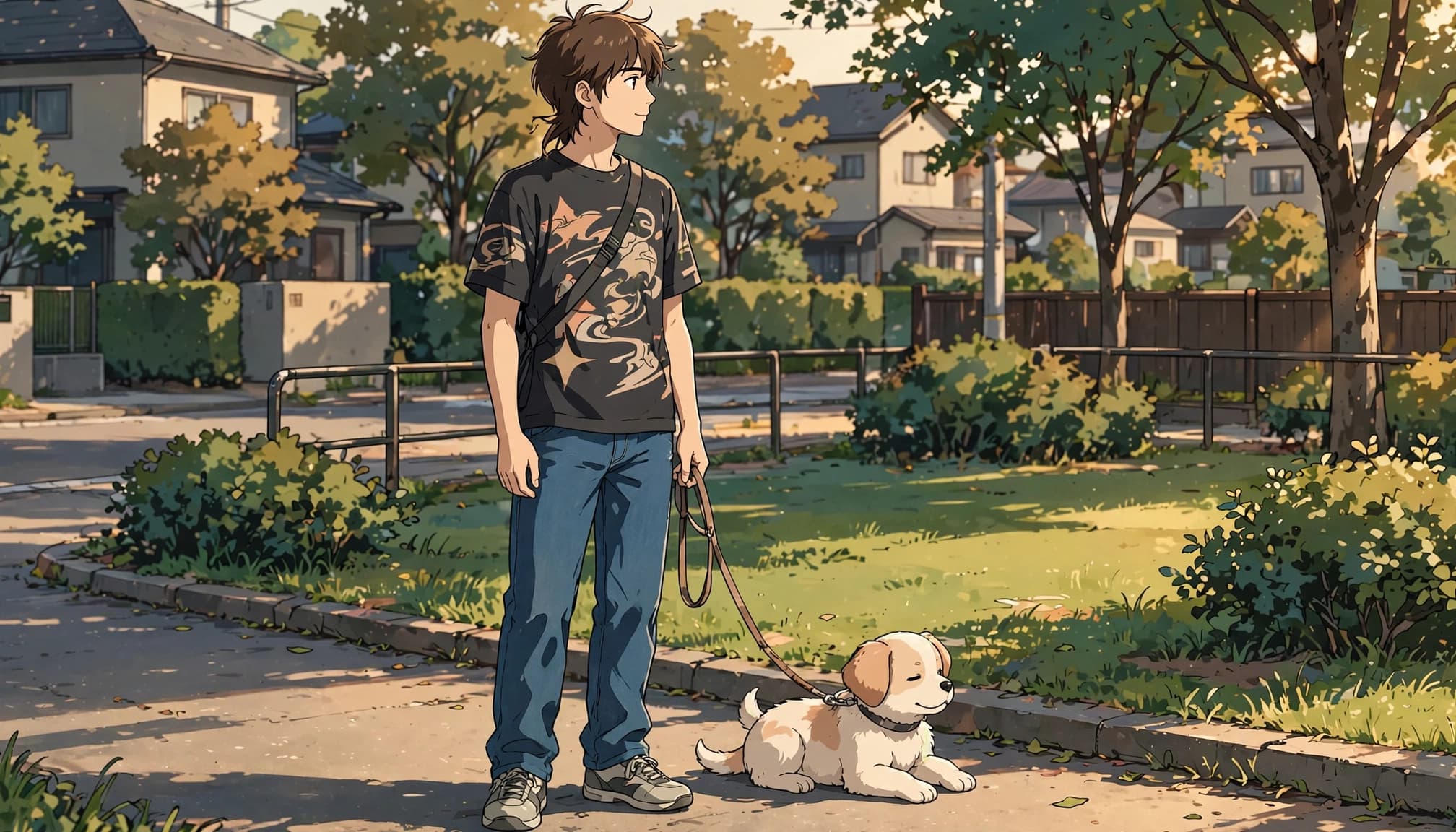
Build an easy look around Cyber-Brutalist Anime Graphic Tees with comfortable jeans and practical shoes. Our If They Could Use Internet We'd Be In Trouble Tee brings the dog-parent internet humor. The Dog Eats Custom Kibble Living On Ramen Tee understands the household budget discussion.
Add a light layer if you need one, and let the graphic do the talking. Your clothes are personal expression; your puppy's safety plan stays a separate priority.
Frequently Asked Questions
Does snapping mean my puppy is aggressive?
A snap alone doesn't establish a diagnosis or predict how your puppy will behave as an adult. Look at the situation and the pattern rather than assigning a label after one incident. If snapping is intense or happens repeatedly, arrange a professional assessment.
Should I yelp when my puppy bites me?
Yelping doesn't work for every puppy and can make some puppies more excited during play. You can use a calm pause instead, then offer a suitable toy when the behavior is ordinary play mouthing. If your puppy is distressed during handling, stop the interaction and seek guidance rather than treating it as a game.
Should I take away a toy or food bowl if my puppy growls?
Give your puppy space instead of grabbing the item, punishing the growl, or testing the reaction. Growling gives you information that your puppy is uncomfortable. If your puppy guards valued items or a bite seems possible, contact a qualified behavior professional.
Will my puppy grow out of snapping?
Normal puppy mouthing can change with age and reward-based training, but fear, pain, and guarding shouldn't be left to chance. Contact your veterinarian if discomfort or a sudden change is involved. For recurring behavior or a safety concern, get qualified behavior support rather than waiting for a guaranteed fix.
Give Your Puppy Space and Get Support
A snap can be unsettling, but you have a practical next step: pause, create distance, and pay attention to what happened beforehand. Your puppy's behavior deserves curiosity and care, not punishment.
Contact your vet for sudden changes or signs of pain. If snapping repeats or creates a safety concern, reach out to a qualified, reward-based professional.
You don't need to solve every puppy mystery in one afternoon. A calmer, safer plan starts with listening to the puppy in front of you.