

Newfoundland Poodle Mix: Size, Coat, and Daily Care
TrendReactTees.STORE TeamA Newfoundland Poodle mix, often called a Newfypoo or Newfiedoodle, can grow into a large, people-oriented companion. Its size, coat, and personality can vary because this cross isn't a standardized breed.
If your dog-person style includes a little online chaos, our My Therapist Is A Dog Tee and If They Could Use Internet We'd Be In Trouble Tee bring the energy without making your dog manage a social media account.
The cross usually pairs a Newfoundland with a Standard Poodle, but genetics doesn't follow a character customization menu. The individual dog and its parent history give you better clues than the mix label. Start there before you commit to a giant bag of kibble and an equally ambitious grooming schedule.
This post may contain affiliate links. If you make a purchase through these links, I may earn a small commission at no extra cost to you.
Key Takeaways
- A Newfypoo can be very large, especially with a Standard Poodle parent. Ask about both parents' measurements and adult relatives.
- Coats vary in texture, density, and shedding. A Poodle mix isn't automatically hypoallergenic.
- Walks, training, socialization, and heat management should suit your individual dog's needs.
- Grooming can involve frequent brushing, professional appointments, and a serious relationship with your vacuum.
- Parent health records and a veterinarian's guidance help you make informed care decisions.
How big is a Newfoundland Poodle mix, and what might its coat look like?
A Newfypoo can grow into a substantial dog, but there's no single adult size you can order by choosing the name. The actual parents, Poodle size, and family history offer better context.
For scale, VCA lists adult Newfoundland breed measurements at approximately 100 to 150 pounds and 26 to 28 inches tall. A cross with a Standard Poodle may be smaller than its Newfoundland parent, but that isn't a guaranteed outcome.
Ask for both parents' height and weight, plus measurements for adult relatives from the same line. If you're adopting an adult, its current size tells you more than a puppy-size prediction ever could. Make sure your vehicle, doorways, and sleeping space can accommodate the dog in front of you.
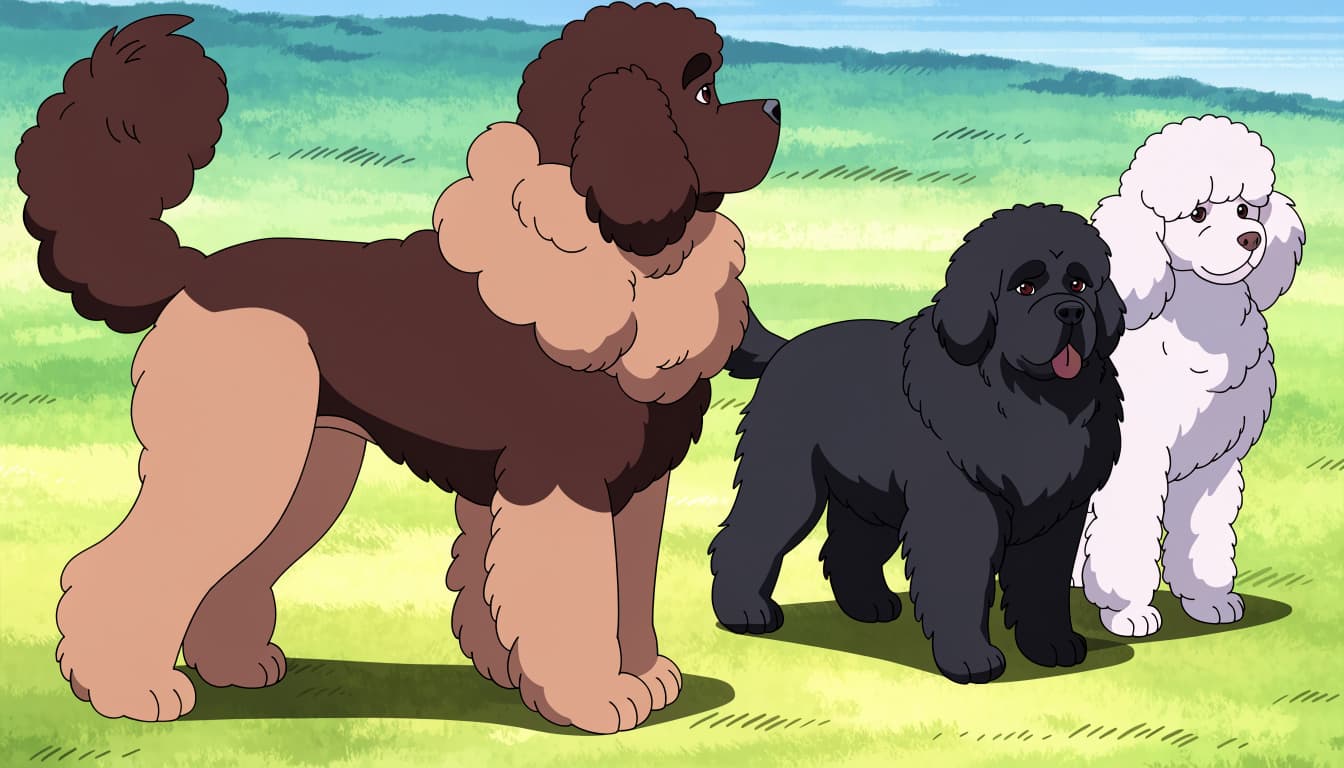
Coat texture is another roll of the genetics dice. Your dog might have curls, waves, straighter hair, a dense undercoat, or a combination. Some coats shed more than others, and you shouldn't count on a Poodle cross to be nonshedding or hypoallergenic.
The parent breeds have watery working histories. Newfoundlands helped fishermen, while the Standard Poodle's history includes retrieving in water. That background doesn't guarantee your individual dog will love swimming.
For one example of the mix, you can meet Gus in this training video. Remember that one dog's appearance and behavior can't predict every Newfypoo.
What daily life with a Newfypoo can really involve
Both parent breeds are known for intelligence and companionship, so you may find yourself sharing your home with a bright dog who wants to be near you. That description isn't a personality guarantee. Early experiences, health, training, and the dog's own preferences matter.
Build exercise and training around your dog's age and size
Plan for regular walks, play, and activities that let your dog think. A sniffy walk, a food puzzle, or a short training session can give a busy brain something to do.
Adjust activity to your dog's age, health, build, and recovery. Ask your veterinarian about suitable exercise for a growing puppy or a dog with mobility concerns. A large body needs a sensible routine, not an exercise schedule copied from another dog's highlight reel.
Use rewards to teach loose-leash walking, recall, settling, and comfortable handling. Practice in quiet places first, then add distractions as your dog succeeds. Your future self will appreciate those leash manners when an interesting squirrel appears.
Newfoundlands can struggle in warm weather. Choose cooler times for walks, provide access to shade and water, and avoid strenuous exercise when it's hot.
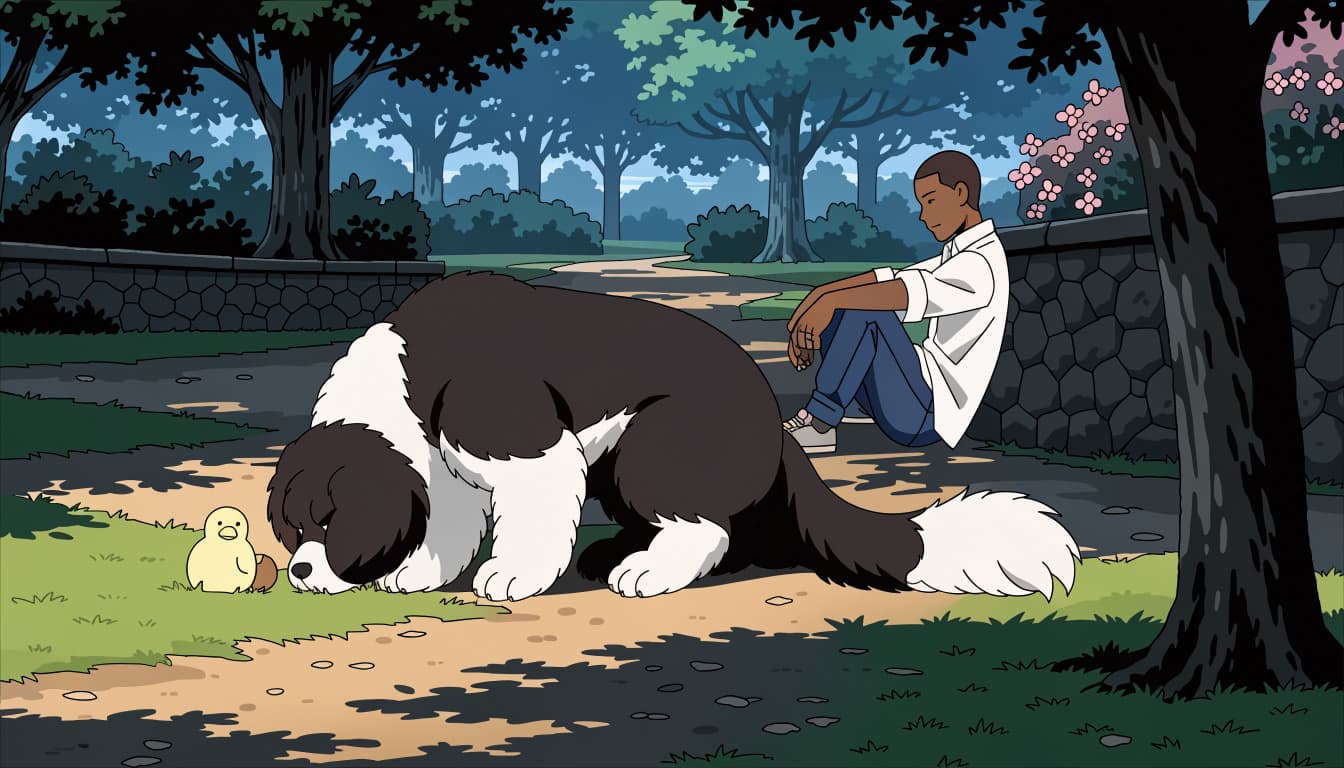
Plan for calm handling around children and other pets
A gentle reputation doesn't replace supervision. Teach children to respect the dog's resting space and avoid climbing, grabbing, or crowding it. Your dog also needs a quiet place to move away.
Introduce other pets gradually and watch their body language. Reward calm greetings, and work on jumping and pulling early. Even an enthusiastic hello can knock someone over when your companion is built like a furry sidekick with tank-class proportions.
Grooming and health care need a realistic plan
Your dog's coat and health needs won't arrive with a universal Newfypoo instruction manual. Plan for regular care, then adjust it with your groomer and veterinarian as you learn what your dog needs.
Brush often, prevent mats, and budget for grooming
Dense or curly coats may need frequent brushing and professional clipping. VCA recommends brushing and combing a Standard Poodle's coat every other day to prevent mats. Your mix could need a different schedule, so ask a groomer to show you how to maintain its coat between appointments.
A Newfoundland-type double coat can shed heavily, particularly during seasonal shedding. Check areas where tangles hide, including behind the ears and under harness straps. Brushing the surface alone can leave mats close to the skin.
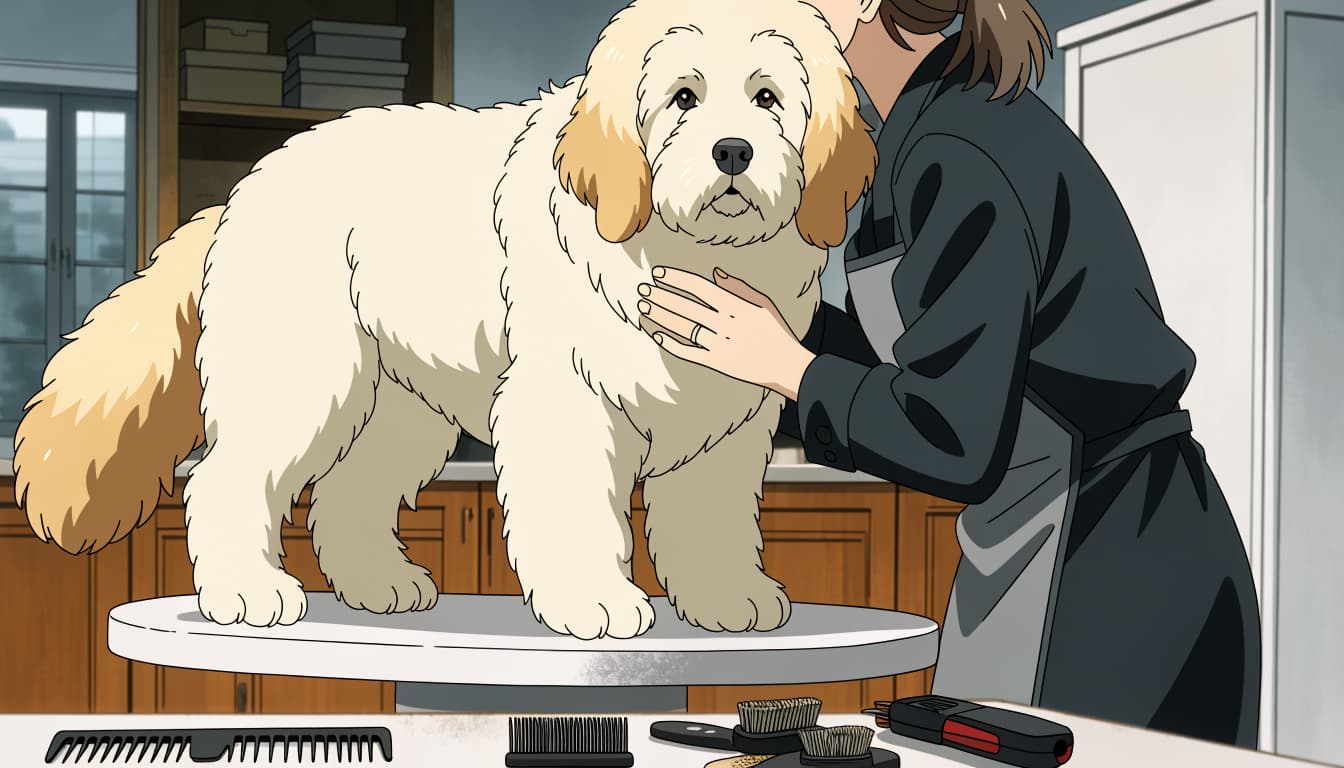
Check ears, eyes, skin, and nails during your routine, and contact your veterinarian about irritation or other changes. Introduce grooming in short, positive sessions. You may also want washable towels nearby if your dog inherits the Newfoundland's talent for drooling.
Discuss parent-breed health risks with your veterinarian
Health concerns found in the parent breeds are reasons to ask questions, not predictions that your dog will develop a condition. Ask for actual health screening results for both parents, including hip and eye evaluations and tests appropriate to their lines.
Review those records with your veterinarian. Screening gives you useful information, but it can't promise a disease-free dog.
Discuss bloat and gastric dilatation-volvulus, a potentially life-threatening stomach emergency, with your vet. A swollen abdomen, repeated attempts to vomit without producing anything, or sudden distress warrants immediate veterinary attention. Keep your emergency clinic's contact information handy.
Routine care also includes dental care, measured meals, and veterinary visits. Thick hair can hide changes in body condition, so ask your vet to assess your dog's weight rather than relying on the fluff silhouette.
How to choose a responsible breeder or adoption match
A cute puppy photo is excellent at getting your attention. It tells you considerably less about the dog you'll be living with later.
If you're considering a breeder, ask about both parents' size and health history. Find out whether the Poodle parent is Standard and whether the puppy is a first-generation cross or comes from later-generation mixes. Neither label predicts an exact outcome, but family details help you set realistic expectations.
Ask to see screening results and veterinary records, including care the puppy has already received. A written health policy and return policy should be available before you commit. Discuss the documents with your veterinarian so you understand what the results cover.
Find out how the puppies have experienced everyday handling, household sounds, grooming, and new environments. Ask about adult relatives, too: their size, coats, shedding, and health histories provide useful context that a puppy's current appearance can't.
For a rescue or adult dog, focus on what the caregiver has observed. Ask about the dog's response to grooming, activity level, tolerance for warm weather, behavior around other animals, and known medical needs. A dog may act differently in a shelter than in a settled home, so ask about behavior across familiar situations when that history is available.
Meet the dog when possible. Consider your schedule, budget, transportation, and space for a potentially very large companion. You'll need room in your life for training and grooming, not just room on the couch.
Streetwear & Casual Styling
Your dog may claim the spotlight, but your outfit can still have a personality setting. Build a relaxed look around Cyber-Brutalist Anime Graphic Tees, then add simple jeans, comfortable shoes, or a light layer.

Our Best Dog Mom Tee keeps the dog-person message direct. The Dog Eats Custom Kibble Living On Ramen Tee brings a little more budget-humor chaos.
Keep your clothes comfortable enough for your day. Your tee handles the self-expression; your dog's leash, training, and care remain their own priorities.
Frequently Asked Questions
Is a Newfypoo a good choice for a first-time dog owner?
A first-time owner can be a good match if they're prepared for a potentially large dog, regular training, grooming, and the associated costs. Your ability to manage the individual dog's needs matters more than whether you've owned a dog before.
Consider working with a reward-based trainer, particularly if you're learning leash handling alongside a growing puppy. An adult dog with a known history may also help you assess the fit.
Does a Newfoundland Poodle mix shed or trigger allergies?
A Newfypoo may shed, and the amount depends on the individual coat. No Poodle cross comes with a reliable nonshedding or hypoallergenic guarantee.
If allergies are a concern, discuss them with an allergist before bringing a dog home. Spending time around the individual dog may help you understand your response, though it can't guarantee future reactions.
Can a Newfypoo live in a smaller home?
Yes, a smaller home can work if you can meet the dog's needs. Consider access to outdoor breaks, daily activity, heat management, and enough room for a large dog to move and rest comfortably.
Also think about stairs, elevators, and how you'll transport your dog if it needs help. Square footage alone doesn't answer the compatibility question.
What should you ask before bringing a puppy home?
Ask for both parents' measurements, their health screening results, and information about adult relatives' size and coats. Request veterinary records and details about the puppy's socialization and handling experiences.
A breeder's written health and return policies belong in that conversation, too. Bring the screening records to your veterinarian for context.
Choose the Dog, Not the Label
A Newfoundland Poodle mix can be a loving companion, but the name alone won't predict its adult size, coat, or temperament. Your strongest clues come from the individual dog, its parents, and the information available about its history.
Be honest about the grooming, training, space, and daily attention you can provide. With veterinary guidance and a realistic care plan, you can make room for the dog you have rather than the character build you imagined.