

Outfits to Wear Home After Giving Birth: Comfort First
Your going-home outfit should feel soft, roomy, and easy to change into, with comfort ahead of every photo opportunity.
If you're choosing outfits to wear home after giving birth, there's no required look or secret postpartum dress code. Your recovery, the weather, and how you plan to feed your baby matter more than looking polished.
Start with clothes that fit your body now, without expecting your pre-pregnancy wardrobe to report for duty. A few practical choices can make getting dressed, changing pads, and sitting through the ride home feel more manageable.
Key Takeaways
- Choose soft pants, a relaxed dress, or a roomy lounge set that fits comfortably today.
- Leave space for postpartum underwear and maternity pads, with clothes you can easily change.
- After a C-section, avoid seams or waistbands that press against your incision.
- Front-opening tops can make feeding easier, but nursing-specific clothes are optional.
- Dress your newborn in light layers, secure the car-seat harness, and add a blanket over the straps if needed.
Outfits to Wear Home After Giving Birth: Start With Comfort
Roomy joggers with a loose top, a relaxed dress, or a soft matching set are sensible starting points. Choose breathable fabric that feels pleasant against your skin. No specific garment is medically required, and an outfit doesn't speed recovery.
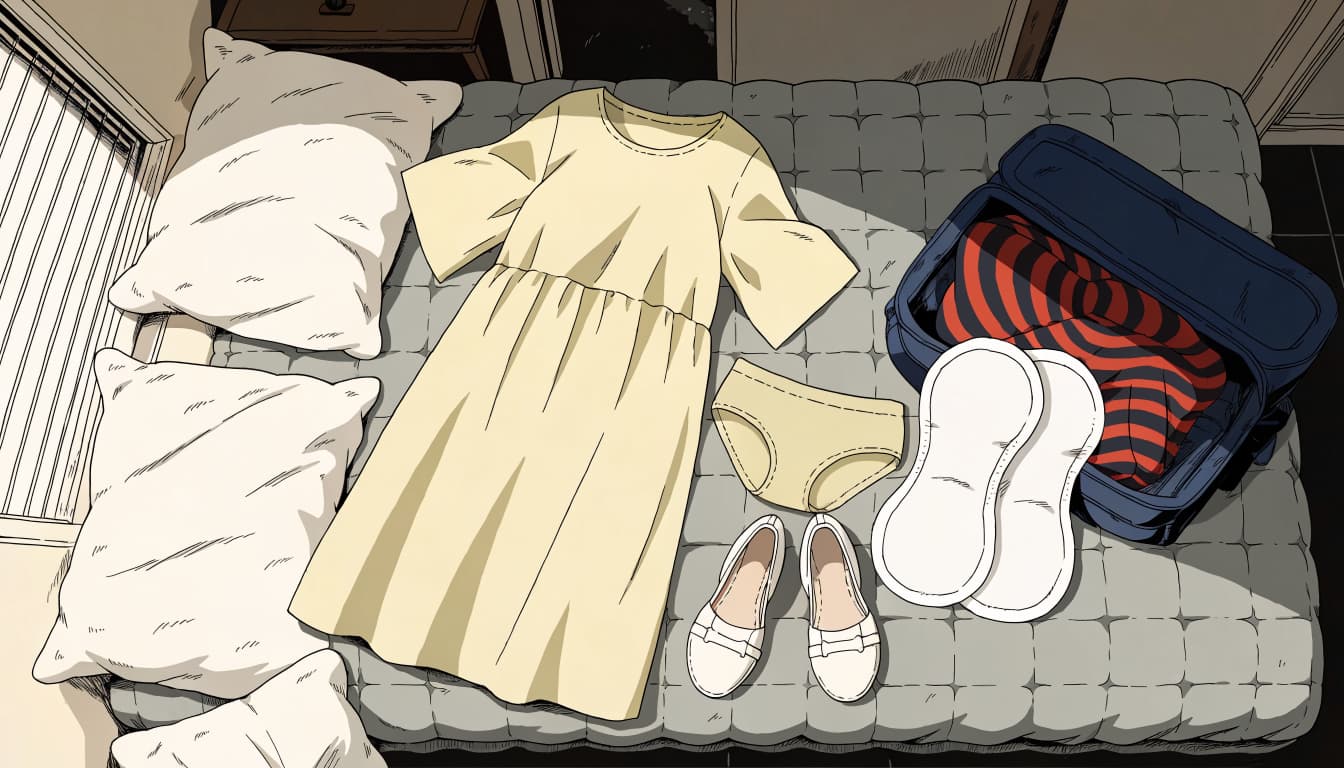
Choose Soft Pants, a Relaxed Dress, or a Matching Set
Soft pants with an adjustable waistband let you change the fit without negotiating with a zipper. Pair them with a roomy T-shirt or front-opening shirt.
A loose dress avoids a waistband altogether. Check that the neckline and armholes let you get dressed without awkward reaching. A soft lounge set gives you an easy combination without any styling homework.
Think about sitting, standing, and getting into the car. A garment that feels fine while you're standing may press or bunch when seated. Keep maternity clothes in consideration, too. Your body doesn't owe your old jeans an immediate comeback.
Make Room for a Pad and Easy Bathroom Changes
Postpartum bleeding, called lochia, can happen after vaginal and cesarean births and may continue for several weeks. ACOG's guidance on postpartum bleeding and discharge explains what's expected and which changes need attention.
Choose comfortable, breathable underwear that can hold your maternity pad. Hospital-provided mesh underwear may also work if it feels good to you.
Leave enough room in your clothes for the pad without compression or rubbing. Simple pull-on garments usually make bathroom changes easier than complicated fastenings. Dark colors can feel reassuring if you're worried about visible leaks, but they're entirely optional.
Dress for Your Birth and Recovery Needs
Your discharge outfit should work with your recovery, not someone else's birth story. After a vaginal birth, loose clothing may feel better around a tender perineal area. Follow your care team's personal instructions.
If You Had a C-Section, Keep Pressure Off the Incision
Consider a loose dress or pants whose waistband rests above or below your incision, rather than directly across it. Check where the underwear waistband sits, too.
The useful detail is where pressure lands. High-waisted pants aren't automatically comfortable if their elastic feels tight. Seams, stiff fabric, and waistbands can rub a tender area.
Follow your clinician's wound-care directions. The American Pregnancy Association's cesarean aftercare guidance covers recovery considerations beyond clothing.
Seek prompt medical advice for worsening pain, redness, drainage, or other incision changes. A fever of 100.4°F or higher is among the CDC's urgent maternal warning signs. Don't try to solve concerning symptoms with a wardrobe adjustment.
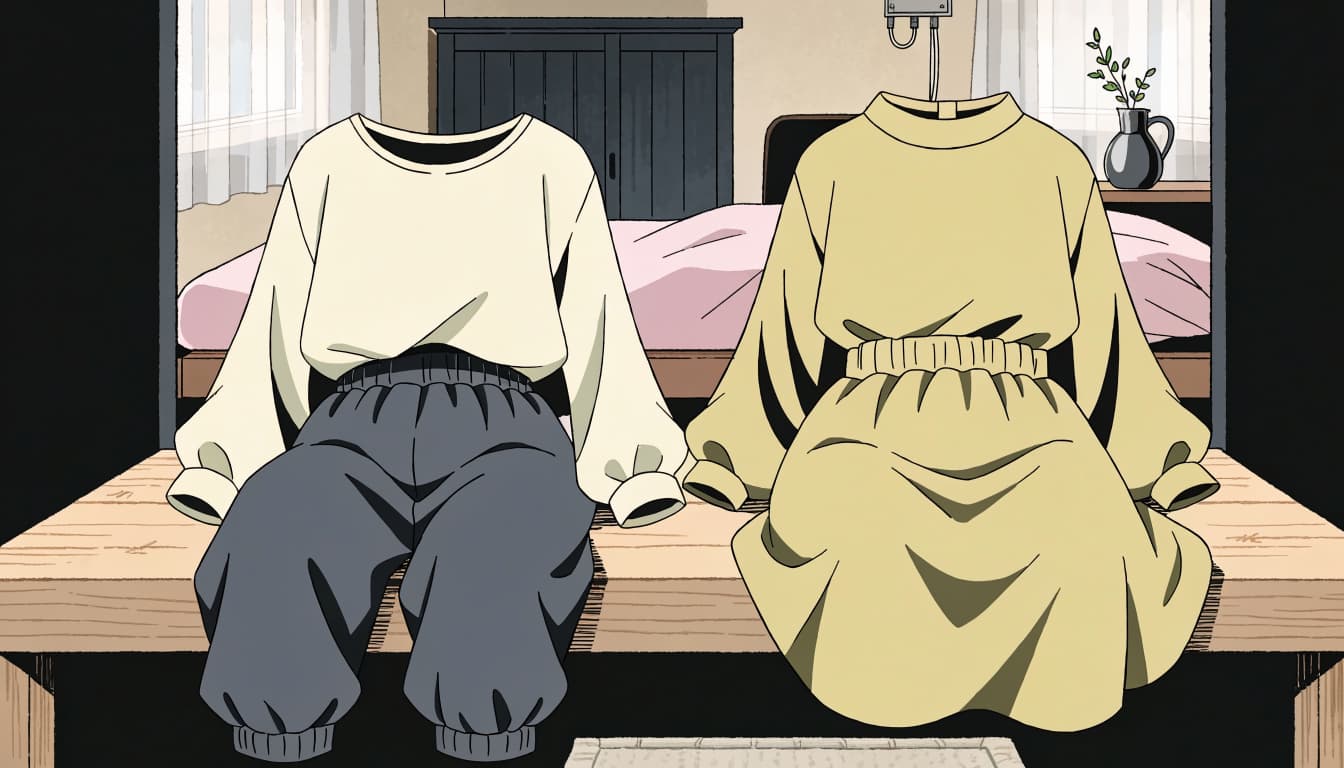
Plan for Nursing Access Without Overcomplicating It
If you plan to breastfeed or chestfeed, a front-opening shirt, relaxed button-up, or familiar lift-up top can simplify access. Nursing-specific clothes are optional.
A comfortable nursing bra may be useful, but choose based on how it feels now. Avoid anything that pinches or makes feeding access difficult.
Try the opening before packing. Can you comfortably move the fabric aside without removing several layers? Good. Your outfit doesn't need a premium subscription to function.
If you aren't nursing, choose whichever neckline and layers feel easiest. Feeding plans don't require a particular fashion category.
Pack Your Going-Home Outfit for the Weather and Car Ride
Keep your discharge bag focused. You need clothes that work for the trip, not an emergency wardrobe for every possible plot twist.
- Pack one comfortable outfit with underwear that accommodates a maternity pad.
- Add a spare top or removable layer if you'd like one.
- Choose supportive shoes that are easy to put on.
- Bring lightweight baby clothes and a blanket appropriate for the weather.
Use Light Layers for Cold or Changing Weather
A cardigan or loose zip-up lets you adjust between the hospital, outdoor air, and a heated car. In warm weather, choose breathable clothes and avoid unnecessary layers.
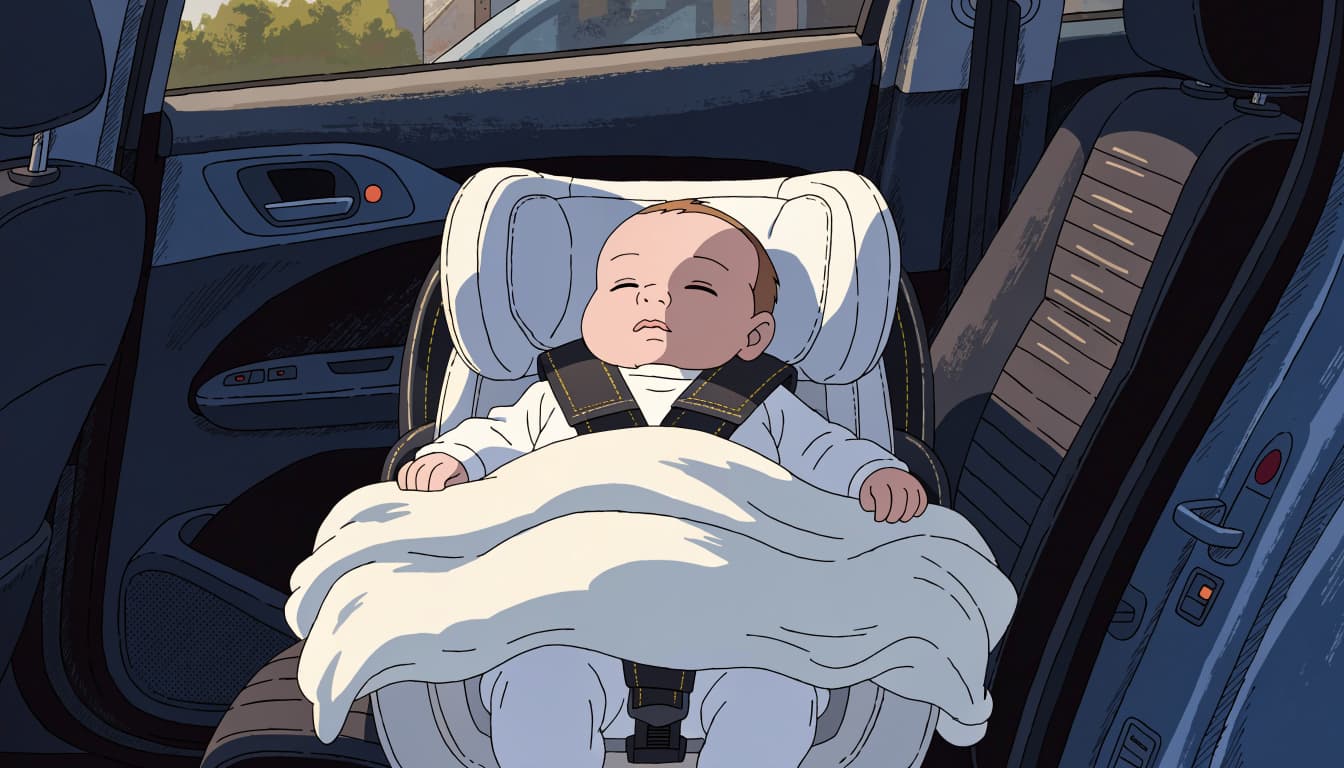
For your newborn, use lightweight clothing beneath a correctly fitted harness. Bulky coats, snowsuits, and thick padding shouldn't go under the straps.
Secure the harness first. Then place a blanket over it if extra warmth is needed, keeping your baby's face uncovered. NHTSA's advice on warmth and car-seat safety supports this approach.
Keep the Trip Home Simple and Easy to Move In
Choose clothes you can manage while sitting, standing, and stepping into the vehicle. Avoid long hems that catch underfoot or fastenings that demand repeated bending.
Lay your outfit out before leaving for the hospital, or pack it somewhere easy to find. Let your support person know where it is.
Your baby's outfit doesn't need to match yours. A coordinated photo can wait; safe harness fit can't. Follow the car-seat manufacturer's instructions rather than using an illustration or outfit photo as a fitting guide.
Give Your Outfit a Quick Comfort Check
Before discharge, take a moment to check your clothes while seated. Notice whether the waistband digs in, the fabric pulls, or a seam lands somewhere sore. Change the uncomfortable piece if you have another option.
Check your shoes as well. If swelling changes the fit, choose a pair that accommodates your feet comfortably and stays secure while walking. Slippery soles and loose shoes aren't helpful when you're moving carefully.
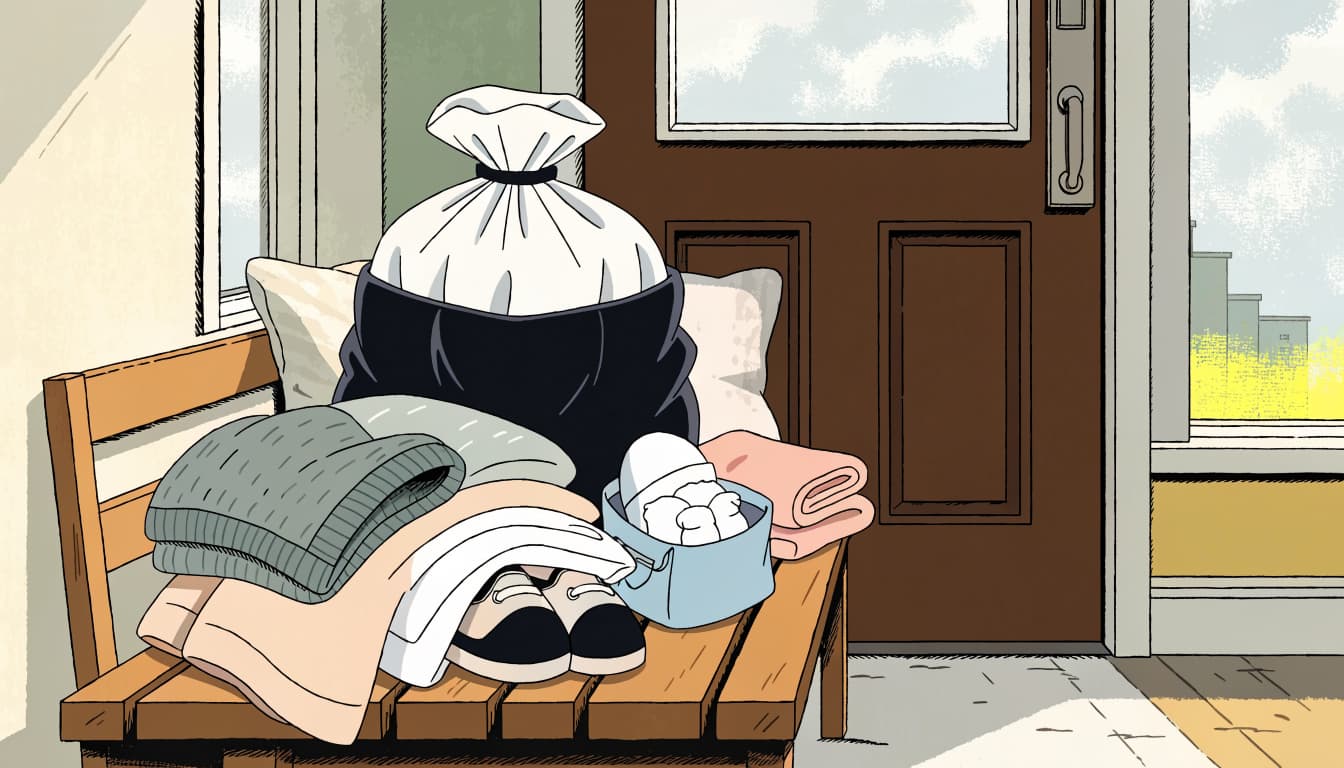
Keep your discharge clothes separate from items you won't need until later. That saves you or your support person from unpacking the entire bag for one cardigan.
Ask for help getting dressed or entering the vehicle if you need it. Follow any movement restrictions your care team gives you, and arrange for someone else to drive.
Wear your own seat belt correctly, with the lap belt across your hips and the shoulder belt across your chest. Don't move the shoulder belt behind your back to avoid discomfort.
If clothing or the ride home raises a recovery concern, ask before you leave. You don't need to guess which discomfort is expected or whether a particular waistband works with your dressing.
Streetwear & Casual Styling
Once you're home and ready for a casual day, you can bring your usual personality back into the outfit. Recovery doesn't require deleting your aesthetic save file.
Build around a Cyber-Brutalist Anime Graphic Tee with a looser fit and room to move. Relaxed cargos can work when their waistband feels comfortable. Dark-wash denim is another option later, if it suits your recovery. Tight jeans aren't a default hospital-discharge recommendation.
Add a soft open cardigan or lightweight overshirt so you can adjust warmth without rebuilding the whole look. Let the graphic do the talking.
TrendReactTees.STORE's anime-inspired aesthetic and playful mom-themed designs, including "Mommy Gamer Mode" and "Messy Buns Club," leave room for fandom and humor. You can use its white graphic tee styling ideas when you're ready to experiment.
Choose comfort first, then the artwork. Your shirt can carry the chaos while your waistband behaves.
Frequently Asked Questions
Do You Need to Buy a Special Going-Home Outfit?
You don't need to buy something new for discharge. Comfortable clothes you already own can work if they fit your current body and recovery needs. Try the combination before packing, and keep a roomier alternative available if your first choice feels restrictive.
Can You Wear Jeans Home After Giving Birth?
Relaxed jeans may feel comfortable for you, but denim stiffness and tight waistbands can be unpleasant. After a C-section, check whether the waistband touches or presses on your incision. Choose based on how you feel when seated, rather than how closely the outfit resembles your pre-pregnancy style.
What Should Your Baby Wear in the Car Seat?
Dress your baby in light layers and secure the harness snugly according to the seat's instructions. Add a blanket over the secured straps if needed, with the face uncovered. Avoid bulky clothing or padding beneath the harness; the AAP's car-seat information for families explains fitting basics.
How Many Postpartum Outfits Should You Pack?
One comfortable discharge outfit and an optional spare top or layer are a practical starting point. Pack more if your travel plans or preferences call for it. Clothes for the hospital stay are separate from your going-home outfit, so check what your hospital provides before adding extras.
Head Home Comfortable, With Safety First
The best going-home outfit fits your body today and feels manageable through dressing, pad changes, and the car ride. Soft fabric and room to move matter more than a polished discharge photo.
Keep your newborn's car-seat safety ahead of a coordinated look, with light clothing beneath a correctly fitted harness. Ask your care team about personal recovery concerns before you leave.
Your graphic-tee era can continue when you're ready, without asking a tender body to tolerate an uncomfortable outfit.