

Paddleboarding Outfits: What to Wear on the Water
Your paddleboarding outfits should match the water temperature, weather, sun exposure, and likelihood of falling in. The lake doesn't care how clean your fit looks on camera.
For warm water, choose quick-drying clothes, sun coverage, and pieces that let you paddle freely. For cold water, you may need a wetsuit or drysuit, even when the air feels suspiciously pleasant.
Comfort and protection belong in the same outfit, whether you're cruising a sheltered lake or dealing with wind on the return trip. Start with the conditions you'll face if you get wet, then add the accessories that make your session comfortable.
Key Takeaways
- Choose quick-drying paddle clothing that lets you reach, kneel, and climb back onto your board.
- Dress for water temperature, with a wetsuit or drysuit when cold-water immersion is a concern.
- Pair sun-protective clothing with sunscreen, a brimmed hat, and protection for your eyes.
- Wear a properly fitted PFD, match footwear to your launch spot, and check local safety rules.
- Save cotton graphic tees and casual streetwear for your dry-land outfit afterward.
Paddleboarding Outfits for Warm, Sunny Days
When both the water and air are warm, you can keep your kit lightweight. Your priorities are movement, drying speed, and sun coverage.
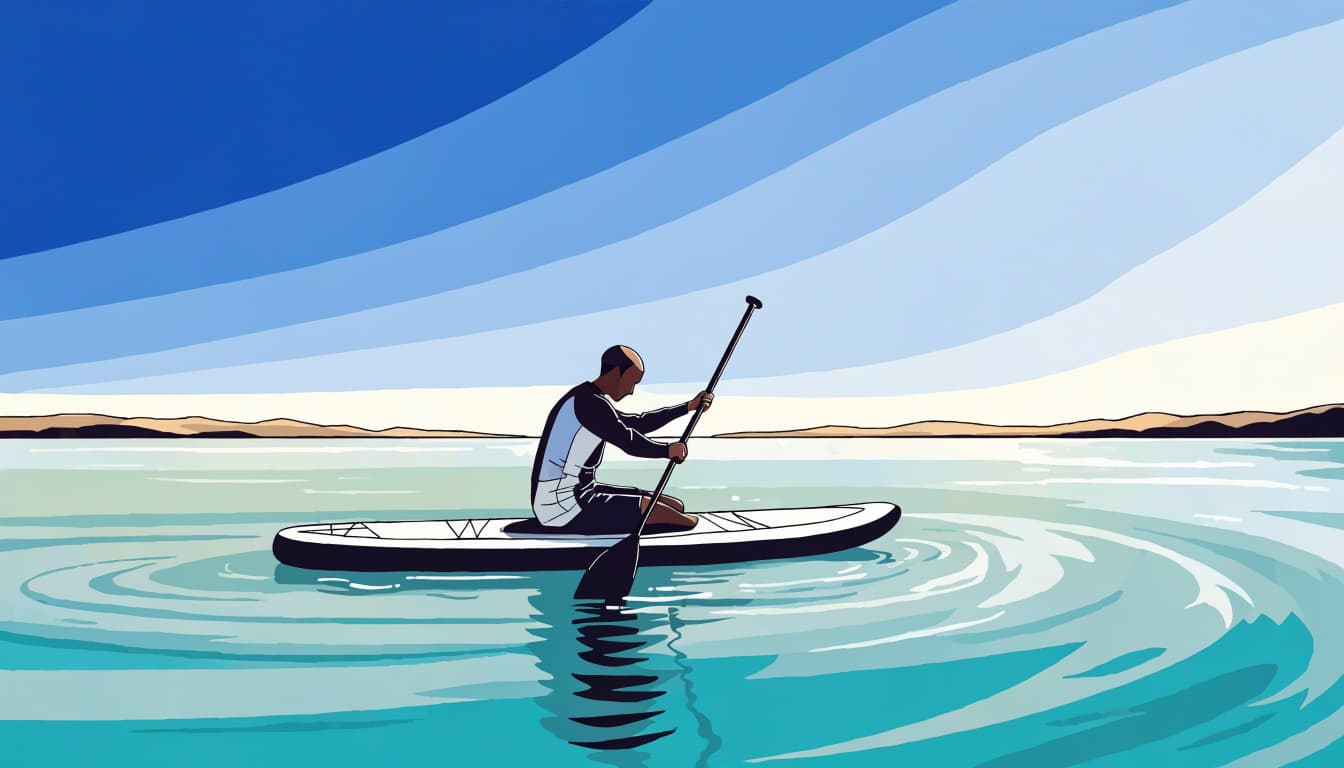
Choose quick-drying tops and bottoms
Start with a rash guard or UPF-rated shirt. Add board shorts, secure swimwear, or stretchy quick-dry leggings, depending on your preferred coverage.
Nylon and polyester are common choices because they're water-ready and typically dry faster than cotton. As REI's kayaking clothing guide explains, cotton is a poor choice when staying wet creates discomfort or cold.
Your favorite cotton tee has excellent fandom credentials and questionable swim stats. Keep it in your change-of-clothes bag.
Check waistbands and straps before launching. Your bottoms should stay put when you squat, kneel, or climb aboard. Avoid stiff seams that rub during repeated paddle strokes.
Cover up from sun reflected off the water
A long-sleeve sun shirt can be more comfortable than repeatedly roasting exposed shoulders. Add a brimmed or UPF-rated hat that won't disappear during the first gust.
The National Weather Service warns that water reflects damaging UV rays. Cloud cover doesn't cancel your sun-protection plan.
Use broad-spectrum SPF 30 or higher sunscreen on exposed skin. Apply it 15 minutes before heading outside, then reapply every two hours and after swimming, sweating, or toweling off.
Remember your ears, neck, and tops of your feet. Restube's paddleboard safety guide also includes sunscreen and UV-protective clothing as essential SUP gear.
What to Wear When the Water Turns Cold
Cold-water paddleboarding outfits need protection for an unexpected swim. A warm forecast doesn't tell you what immersion will feel like.
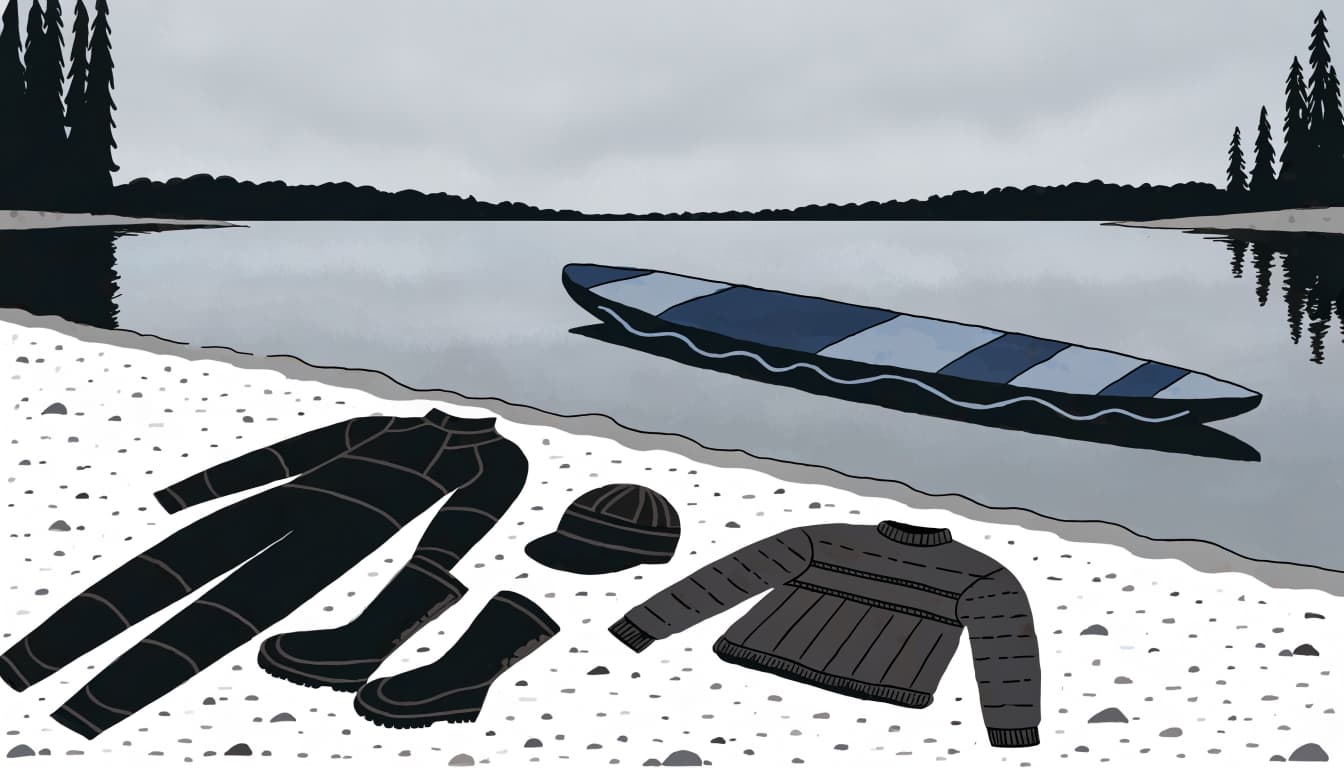
Use a wetsuit or drysuit when immersion is a risk
A wetsuit helps you retain body heat when wet. A drysuit keeps water out, but you need insulating layers underneath. Neither gives you unlimited time in cold water.
Temperature advice varies. Some guides suggest considering thermal protection around 70°F; others emphasize 60°F or below. These numbers aren't universal permission slips.
Weigh water temperature, wind, outing length, and distance from shore. Your ability to get back onto the board matters, too.
Paddle North's clothing guidance puts water temperature first. The National Weather Service also warns that cold shock can cause immediate gasping and rapid breathing.
Layer with warm, water-ready pieces
For cool conditions, use synthetic or wool base layers, suitable insulation, and a wind- or rain-resistant shell. With a drysuit, choose underlayers that fit comfortably without restricting movement.
Neoprene booties, gloves, and a thermal cap add protection when conditions call for them. Check that gloves still let you control your paddle.
A fleece or windbreaker can reduce wind chill, but neither replaces immersion protection when the water is cold.
For a visual look at winter gear, watch Northwest Paddleboarding's outfit walkthrough.
Make Your Paddleboarding Outfit Safer and More Comfortable
Finish your clothing choices with gear that suits the launch, board, and route. Accessories earn their place through usefulness, not accessory-slot completion.
Pick footwear for your launch spot
Water shoes protect against rocks and rough ground while offering drainage. Look for soles that grip without feeling bulky on your board.
Neoprene booties add warmth and shoreline protection. Their fit should feel secure without squeezing your toes.
Secure sandals can work for some warm, easy launches, but loose slides can slip off or catch awkwardly. Check how they behave on a wet deck.
Barefoot paddling gives you direct contact with the board on smooth, clean surfaces. It offers no protection against sharp shoreline debris. Choose for the actual launch spot, not the beach aesthetic.
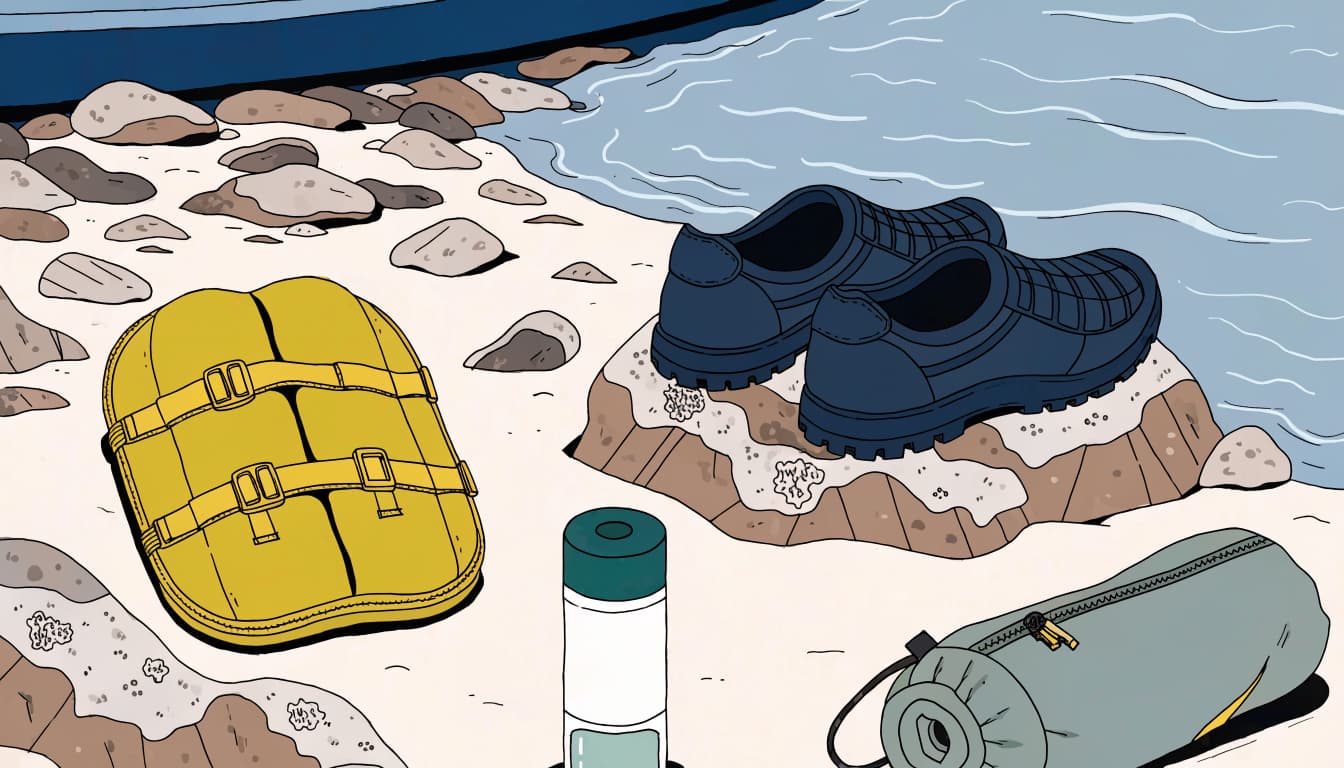
Check your fit, PFD, and dry-bag essentials
Before launching, reach overhead and mimic a full paddle stroke. Kneel, squat, and check whether anything slips, bunches, or rubs.
Wear a properly fitted PFD. Adjust it over your paddling clothes, fasten every closure, and check that it doesn't ride up.
California's boating safety course includes SUP equipment requirements. Check the rules for your own location, since federal, state, and local requirements can differ.
Pack sunscreen and, when conditions call for it, a dry bag with a complete change of clothes. Include dry underwear and socks. A spare shirt alone won't help much when everything else is soaked.
Match Your Outfit to the Whole Outing
Your sheltered launch can feel completely different from the exposed stretch across the lake. Check water temperature, the hourly forecast, and wind before committing to a route.
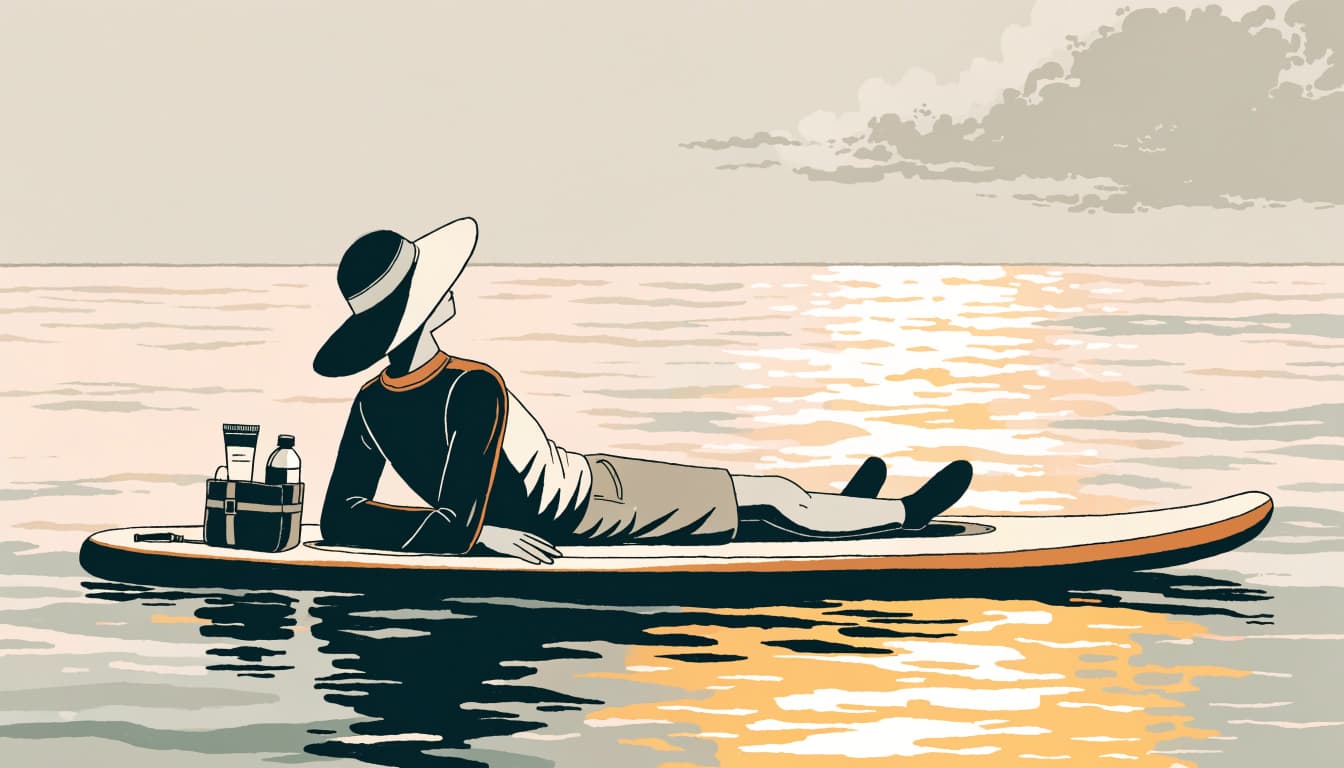
Think about your return trip, too. You may feel warm while paddling hard, then cool down when you pause or head into wind.
Keep useful layers accessible rather than buried beneath everything else. Return to shore to change layers if doing so would require removing your PFD.
Lake Anna's stand-up paddleboard safety advice reinforces dressing for the water. Build your paddleboarding outfits around the whole session, including a possible swim and recovery.
If your gear doesn't match the conditions, shorten the route, choose another location, or postpone. Your outfit can't negotiate with the forecast.
Streetwear & Casual Styling
Once you're dry and off the water, your outfit can stop doing aquatic survival math. Swap into your casual clothes before heading for food or hanging out.
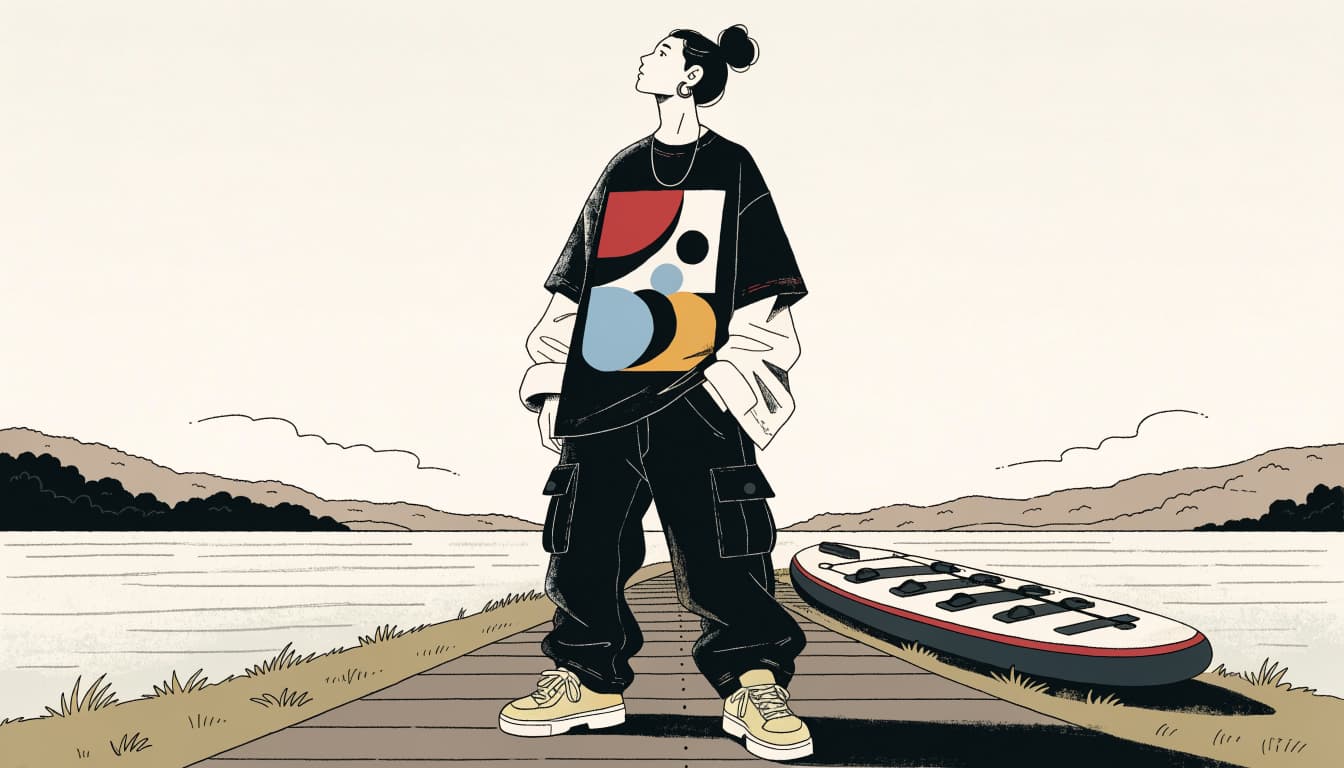
Build the look around Cyber-Brutalist Anime Graphic Tees. Bold anime artwork, glitch textures, and high-contrast graphics give you a clear focal point.
Pair the tee with relaxed cargos for a loose silhouette. Dark-wash denim gives the artwork a calmer backdrop. Add a light overshirt or zip layer if the evening turns cool.
Let one graphic do most of the talking. Your shirt can look like a corrupted broadcast without every accessory joining the server outage.
For proportions, consider oversized versus boxy tee fits. Keep enough room for comfort without burying yourself in fabric.
A cotton graphic tee belongs in this dry-land outfit. It doesn't replace quick-drying paddle clothing or thermal protection. Pack it dry so your post-paddle fit survives its side quest.
Frequently Asked Questions
What should I do with my glasses?
Use a secure eyewear retainer and check its fit before launching. For sunglasses, choose lenses with UV protection. A retainer reduces the chance of losing them, but it doesn't guarantee they'll float.
Can I wear jewelry while paddleboarding?
Remove dangling pieces and anything that can snag on straps or equipment. Rings can become uncomfortable if your hands swell during activity. Leave valuables ashore rather than trusting a tiny pocket with your entire accessory inventory.
Is an inflatable belt PFD suitable for beginners?
Suitability depends on the model, its approval, and your ability to operate it. Some require manual inflation and additional steps after deployment. A properly fitted inherently buoyant PFD gives you flotation without needing to inflate it.
How should I clean my paddle clothing?
Follow each garment's care label and rinse away salt, sand, and sunscreen residue. Let everything dry fully before storing it. Wetsuits and drysuits need their own manufacturer-approved care routines, so don't automatically send them through your normal laundry cycle.
Can I use the same outfit for paddleboard yoga?
You can if it stays secure through bends, reaches, and kneeling poses. Check straps, waistbands, and coverage before launching. Avoid loose pieces that catch under your hands or feet, and keep your water-temperature protection appropriate.
Dress for the Swim, Then Style the Shore
Your most useful paddleboarding outfit fits the conditions you'll face after a fall, not only while standing comfortably on deck. Quick-drying fabrics, suitable thermal protection, and a fitted PFD give you a practical starting point.
Keep your dry-land fit separate and ready for afterward. You can wear the loud anime artwork once you're ashore, dry, and no longer asking cotton to perform water sports.