

Pericoronitis Home Remedy for Wisdom Tooth Pain
A partly erupted wisdom tooth can turn into a tiny pain dungeon fast. Your gum may feel swollen, chewing can sting, and that gross taste in the back of your mouth can make every sip of water feel suspicious.
A pericoronitis home remedy can calm discomfort and help you clean the area for a short time. It cannot remove deeply trapped debris, fix a badly positioned tooth, or treat an infection that's spreading. If symptoms stick around, keep returning, or start escalating, a dentist needs to enter the chat.
Key Takeaways
- Pericoronitis is inflamed or infected gum tissue around a partly erupted wisdom tooth.
- Warm saltwater rinses and gentle cleaning can reduce debris and soreness temporarily.
- Don't dig under the gum flap, use harsh chemicals, or take leftover antibiotics.
- Recurring pain, swelling, bad taste, or trouble cleaning needs a dental appointment.
- Fever, facial swelling, swallowing trouble, breathing trouble, or limited mouth opening need urgent care.
What Pericoronitis Feels Like and Why It Happens
Pericoronitis is inflammation or infection in the gum around a partially erupted tooth, usually a lower wisdom tooth. The tooth hasn't fully made it into the lineup, so a flap of gum may sit over part of it.
That flap is an annoying little food trap. Bits of food, plaque, and bacteria can collect underneath, where your toothbrush can't easily reach. The result can be pain behind your last molar, red or puffy gums, bad breath, a bad taste, jaw soreness, pus, or pain when you chew.
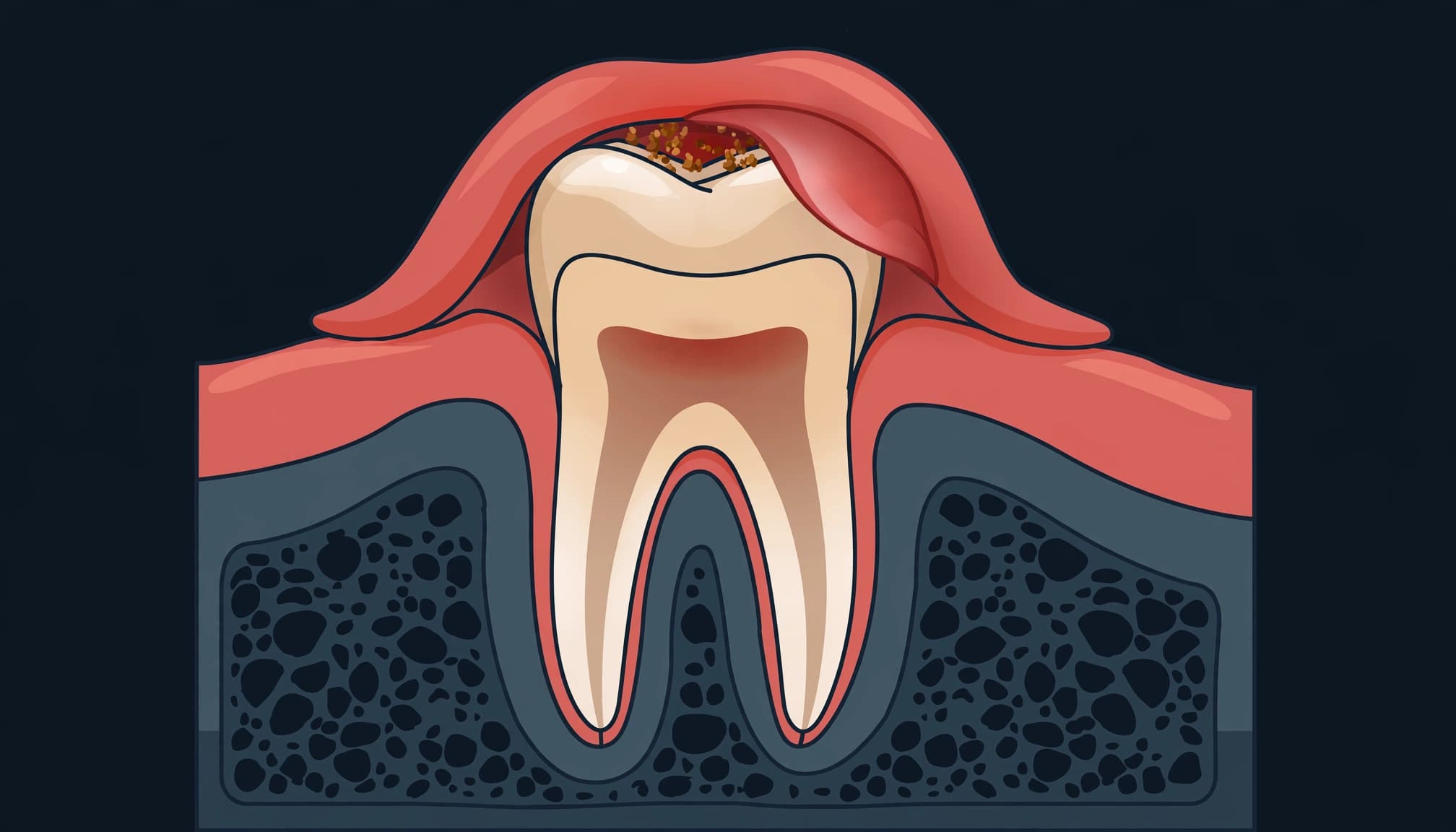
Mild symptoms may stay local to the gum. You might notice tenderness after eating and a sore spot that improves after gentle rinsing. Cleveland Clinic's overview of pericoronitis also lists bad breath, pus, and facial swelling among possible symptoms.
Once you have fever, worsening swelling, severe pain, or trouble opening your mouth, this is no longer a "wait and see" side quest. Infection can move beyond the gum and needs prompt care.
Pericoronitis Home Remedy Steps to Ease Pain and Keep the Area Clean
Home care is about reducing irritation while you arrange dental care if symptoms don't settle. Think gentle cleanup, not a DIY excavation mission.
Brush twice daily with a small-headed or soft toothbrush. Move slowly around the sore back tooth. If you can reach between teeth without forcing it, floss gently or use a small interspace brush to lift out food. Stop if it causes sharp pain or bleeding that won't quit.
Rinse after meals when brushing isn't realistic. An alcohol-free antibacterial mouthwash may be useful when used as directed. Don't use chlorhexidine unless a dental professional recommends it, and follow the product instructions exactly. It can be helpful in some cases, but it isn't a forever mouthwash.
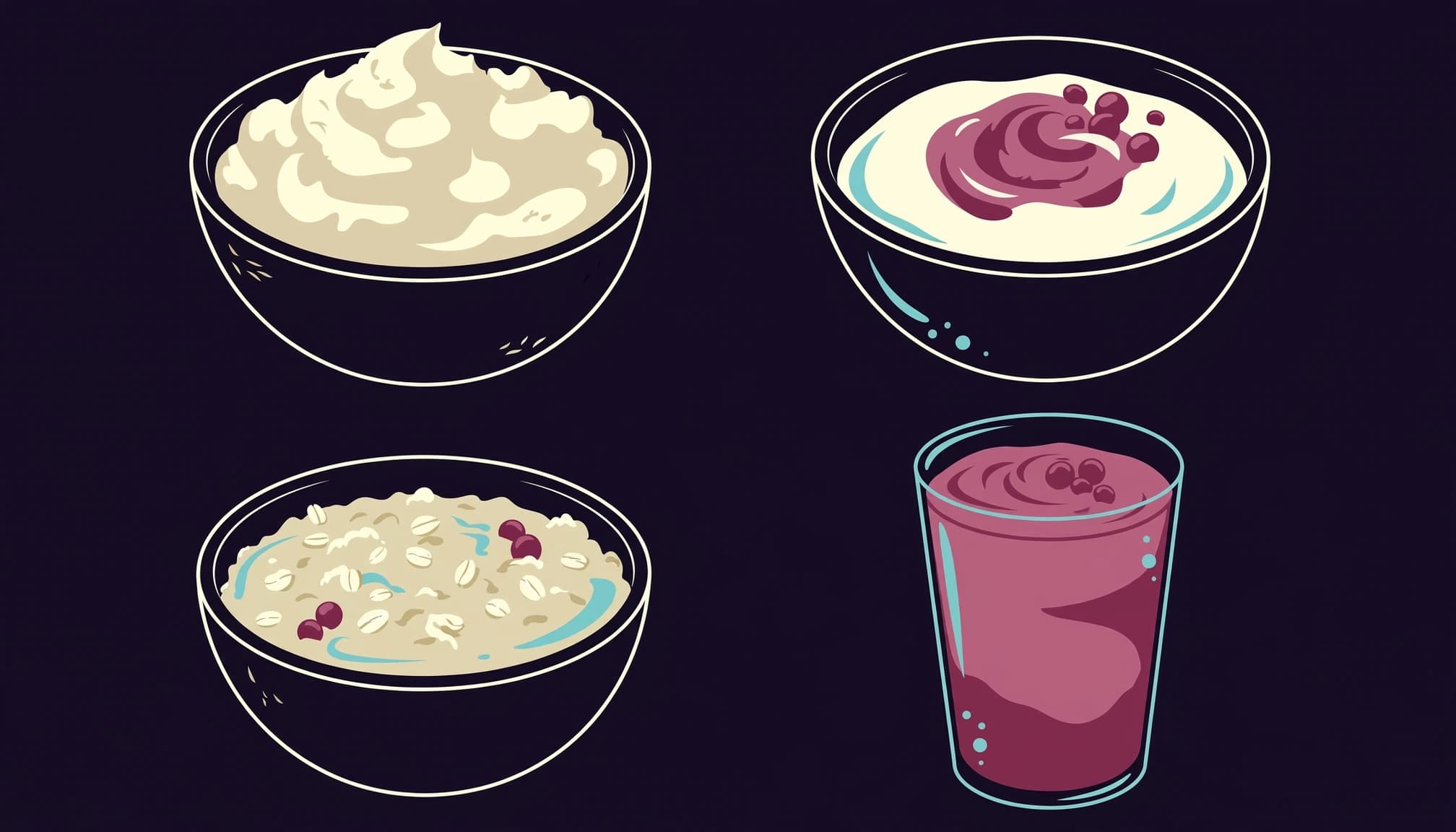
Choose soft foods for a day or two, such as yogurt, oatmeal, mashed potatoes, soup that has cooled down, or smoothies. Skip crunchy snacks, sugary foods, and anything very hot or ice-cold while the gum is angry.
Rinsing can flush loose debris around the gum flap, but it can't solve debris packed deep under it or a tooth that remains hard to clean.
How to Make and Use a Warm Saltwater Rinse
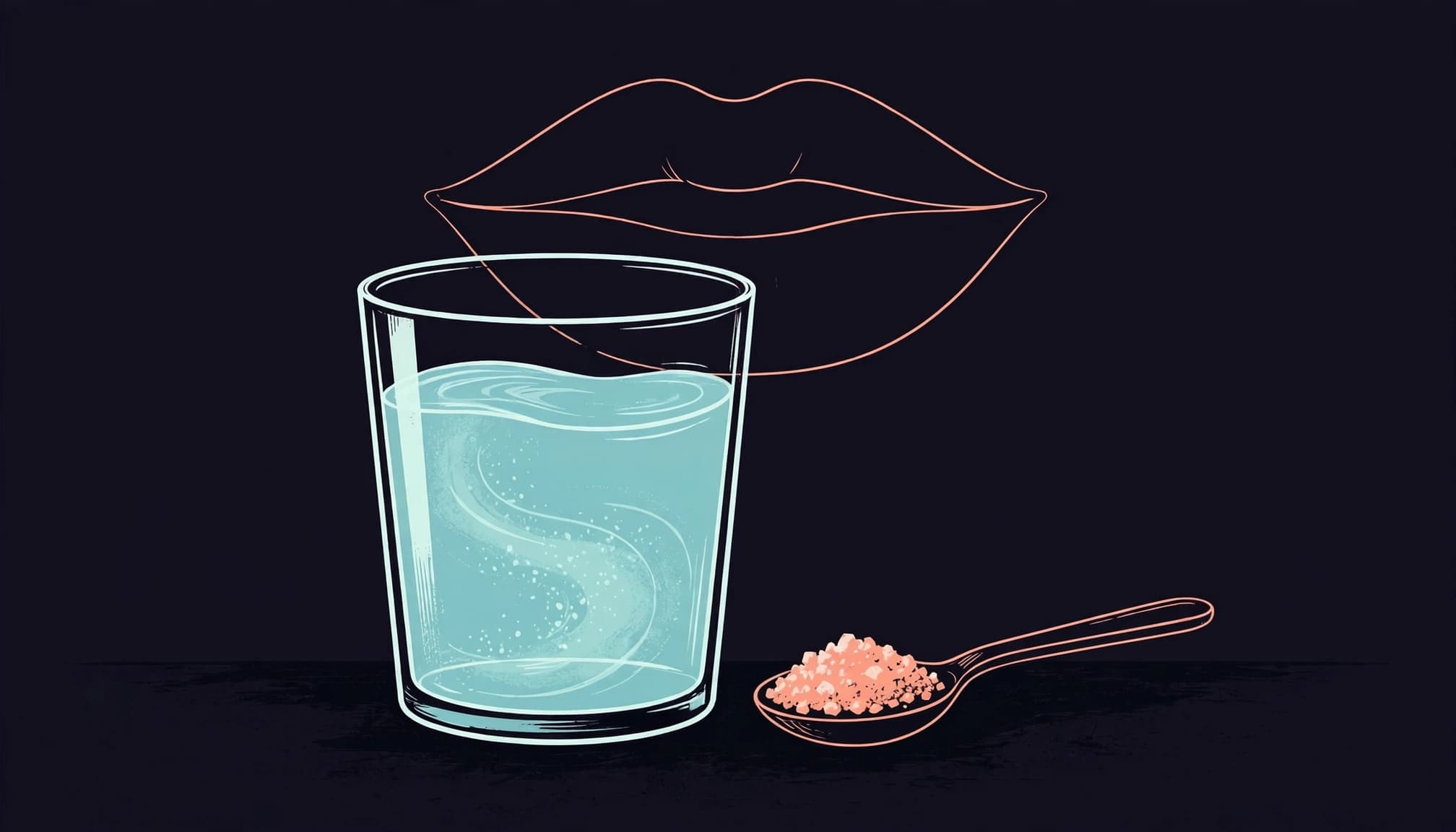
Mix salt into a glass of comfortably warm water. It should feel warm, not volcanic. Swish it gently around the sore area, then spit it out. Don't swallow the rinse.
Use a warm saltwater rinse three to four times daily, especially after meals. The goal is to help clear food and soothe tissue, not blast the gum flap with enough force to start a boss battle.
Pain Relief Options You Can Consider
Over-the-counter ibuprofen or acetaminophen can ease pain when you use them exactly as directed on the package. Check first if they're safe for you.
You may need different advice if you're pregnant, have stomach ulcers, kidney disease, liver disease, medication interactions, allergies, or another health concern. A pharmacist or clinician can help you sort that out.
Don't place aspirin directly on the gum. That old internet move can irritate or burn the tissue. Swallow medication only as directed.
What Not to Do When You Have an Inflamed Wisdom Tooth
Don't pop swelling, scrape under the gum flap, or poke it with a toothpick, pin, nail, or mystery object from your bathroom drawer. Sharp tools can cut the gum and shove bacteria deeper into the area.
Skip undiluted hydrogen peroxide and harsh household substances. They can irritate already inflamed tissue. Smoking and vaping are also bad timing, since they can slow healing and make irritation worse.
Don't use leftover antibiotics from an old illness. They may be the wrong medicine, the wrong amount, or unnecessary. StatPearls guidance on pericoronitis notes that local cleaning and hygiene are first-line care when symptoms are mild, while antibiotics are reserved for suspected spreading or systemic infection.
Persistent symptoms may need professional irrigation or debridement. If the tooth stays partly covered and keeps causing chaos, your dentist may discuss gum treatment, monitoring, or wisdom tooth removal.
When You Need a Dentist or Emergency Dental Care
Book a dental visit if pain, swelling, bad taste, or difficulty cleaning doesn't improve in a day or two, or if it keeps coming back. A dentist can inspect the tooth's position, clean out trapped food, and check whether the area can be managed long term.
Professional cleaning is often more effective than trying to reach under the gum yourself. Columbia University College of Dental Medicine explains that dentists can flush accumulated food particles and debris from the area.
Signs You Need Urgent Help
Get urgent dental or medical care if you have fever, feel seriously unwell, have worsening pus, swollen lymph nodes, facial or neck swelling, or severe pain that isn't controlled by suitable over-the-counter medicine.
Seek emergency medical help right away for trouble breathing, trouble swallowing, rapidly spreading swelling, or severe illness. Also act fast if you can't open your mouth normally, especially if the opening is less than about two fingers' width.
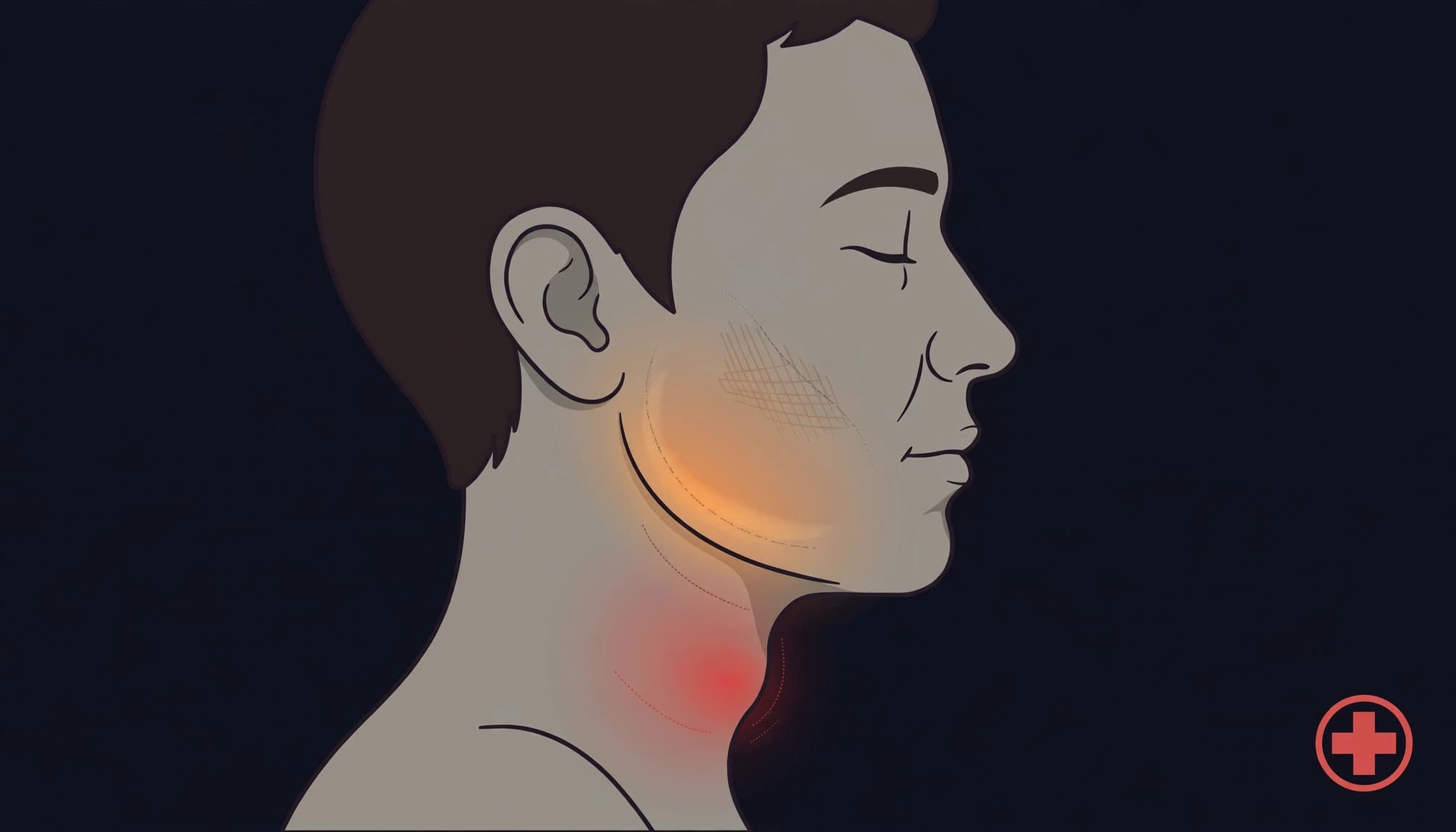
These signs can mean infection is moving beyond the gum into nearby facial or neck tissues, sometimes called cellulitis. That isn't a situation for another rinse and a hopeful scroll.
How to Prevent Another Pericoronitis Flare-Up
After symptoms calm down, keep the back molars on your daily cleaning list. Brush twice a day, clean between teeth once a day, and rinse after meals when you can't brush right away.

Keep scheduled dental visits, especially if that wisdom tooth has already caused trouble. Repeat flare-ups often happen because the tooth remains partly covered or sits in a position that's hard to clean.
Ask your dentist whether monitoring, better cleaning methods, gum treatment, or wisdom tooth removal makes sense for you. Home care can reduce repeat irritation, but it can't guarantee the gum flap won't become a bacteria hideout again.
Frequently Asked Questions
Can pericoronitis go away on its own?
Mild irritation may improve when food debris is removed and the area stays clean. The underlying issue can remain if the tooth is still partly covered. If symptoms return, you need a dental evaluation.
How long should I wait before calling a dentist?
Call sooner if pain or swelling is getting worse. If mild symptoms don't start improving after a day or two of gentle care, or keep returning, make an appointment rather than trying new home remedies.
Can I use mouthwash instead of brushing the area?
No. Mouthwash can support cleaning, but it can't replace careful brushing and cleaning between teeth. Use an alcohol-free antibacterial product if it's appropriate for you, and don't force a brush into painful tissue.
Does bad taste always mean there is pus?
Not always. Food debris and bacteria trapped beneath the gum flap can create an unpleasant taste or smell. A worsening taste with visible pus, swelling, fever, or feeling unwell needs prompt dental care.
Will every partially erupted wisdom tooth need removal?
No. A dentist considers your symptoms, the tooth's position, how clean you can keep it, and whether flare-ups keep happening. One mild episode doesn't automatically mean extraction, but recurring trouble deserves a real conversation.
Don't Let a Wisdom Tooth Run the Whole Server
Gentle cleaning, warm saltwater rinses, suitable pain relief, and soft foods can make mild pericoronitis more tolerable for a short time. They are support moves, not a cure for trapped debris, a difficult tooth position, or an infection that has started spreading.
Recurring or worsening symptoms need a dentist. Get emergency help for facial or neck swelling, fever, trouble swallowing, trouble breathing, or an inability to open your mouth normally. Contact a dentist instead of relying on home remedies alone.