

Plus Size Boudoir Outfits That Feel Like You
You don't need a particular shape, size, or experience level to enjoy a boudoir session, and your body doesn't need a pre-shoot patch update. When you're choosing plus size boudoir outfits, start with comfort and personal style, whether that means lace, velvet, or the shirt you've loved for years.
You can choose your coverage, ask for support, and skip anything that feels like somebody else's costume. A good wardrobe gives you room to move without constantly negotiating with straps, seams, or your own reflection.
Start with the mood you want, then check how each outfit feels before it earns a spot in your bag.
Key Takeaways
- Choose outfits by mood and preferred coverage, rather than following rules about what your body should wear.
- Check each brand's measurements, then sit, bend, and walk in your chosen pieces before the session.
- Prepare a manageable wardrobe, and confirm how many changes your photographer's schedule allows.
- Discuss privacy, posing, retouching, and image-sharing permissions before you book or sign anything.
- Keep your personality in the frame, whether you prefer dramatic lingerie, familiar clothing, or an everyday anime-inspired look afterward.
Plus Size Boudoir Outfits for Every Kind of Look
Your outfit can feel romantic, bold, playful, or comfortably familiar. These are choices, not assignments. You don't owe Pinterest a corset arc.
For a preparation overview, you can watch Emma Wood's "10 Tips on How to Prepare for a Boudoir Shoot."
Lingerie sets, bodysuits, and structured pieces
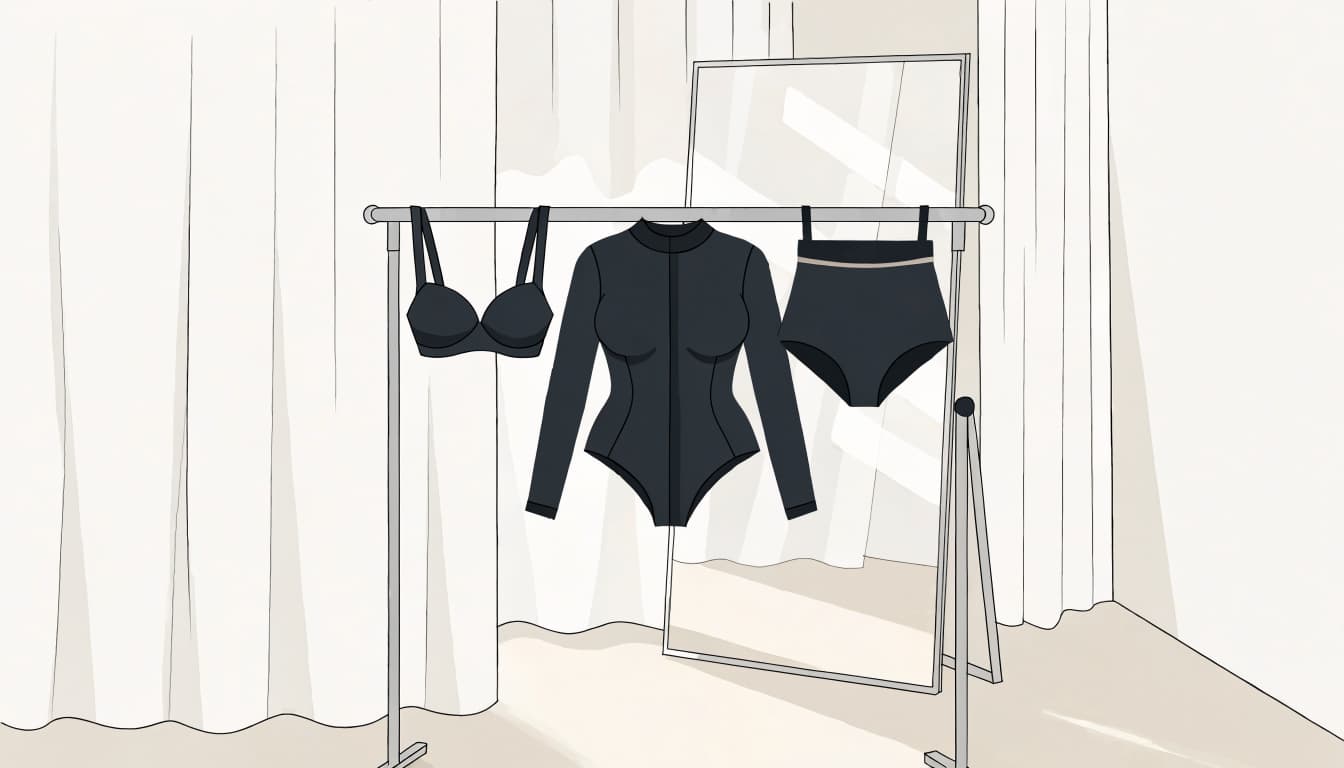
Try a bra with supportive straps and matching bottoms, or mix pieces that fit individually. Your top and bottom don't have to share a size.
A bodysuit gives you a one-piece option. Corsets and bustiers offer a more structured look, provided you can breathe and move comfortably.
High-waisted bottoms, longline bralettes, and garter belts offer different styling possibilities. Choose them because you like the look or coverage. If you're shopping for a bra, Cacique's bra-fit guide gives you a measurement starting point.
Robes, sheer layers, and textured details
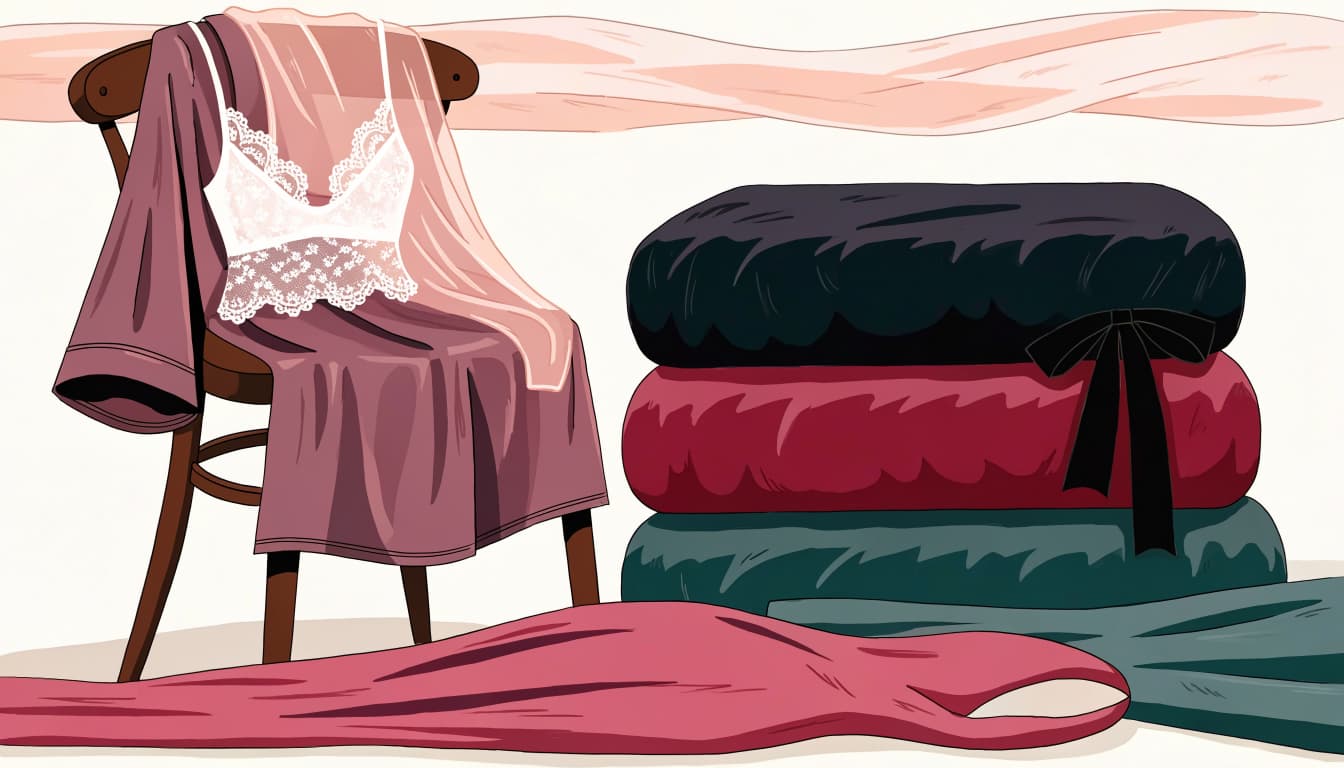
A satin or wrap robe lets you adjust coverage between photos. You can keep it tied, loosen it, or leave it open over another outfit.
Black lace, jewel tones, silk, and velvet create different moods. Pick what interests you rather than treating any color as universally flattering.
Mesh, fishnets, and subtle cutouts can add texture without requiring an entirely different outfit. Check closures and snag-prone details beforehand. Your robe should supply movement, not an unexpected wardrobe side quest.
Non-Lingerie Boudoir Looks With Actual Personality
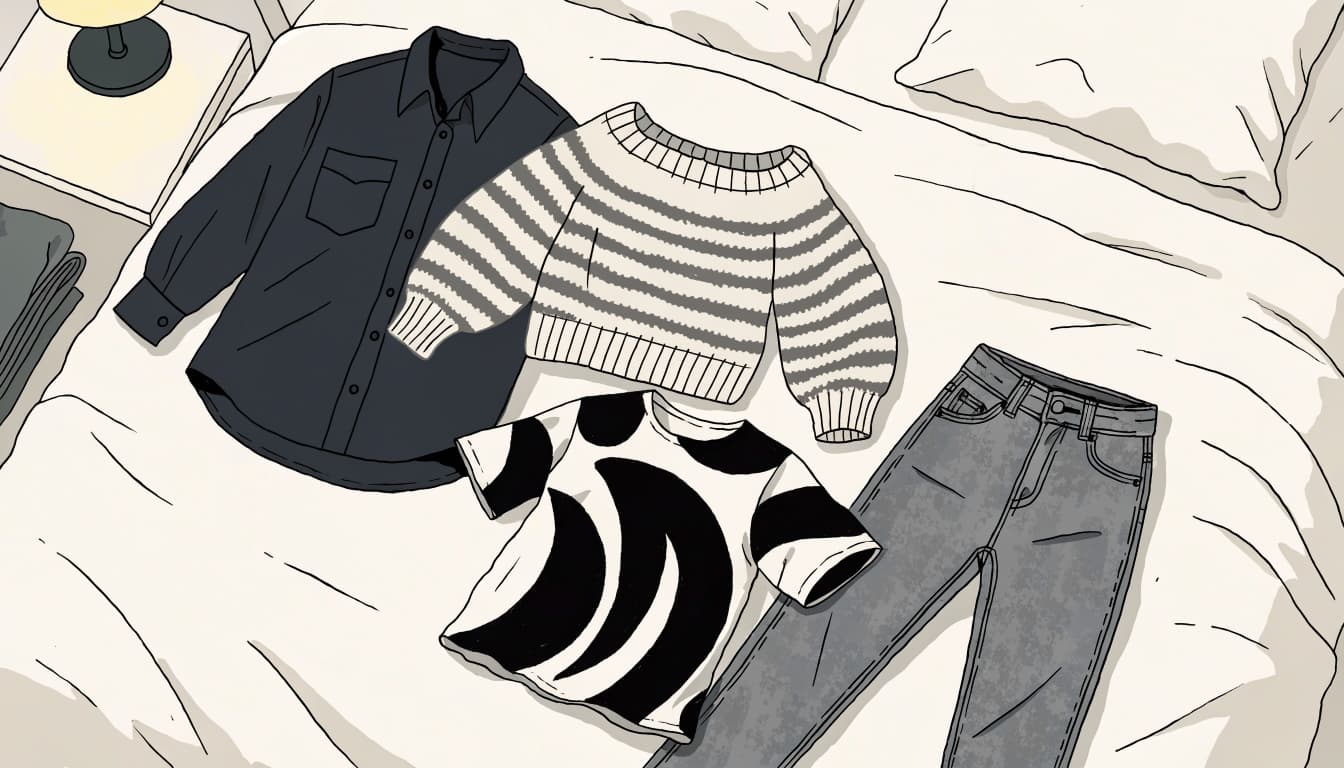
Your plus size boudoir outfits can include clothing you already own. An oversized button-down, off-the-shoulder sweater, or favorite tee can feel more personal than a matching lingerie set.
Try jeans with a fitted top if you enjoy that combination. A blazer offers structure and adjustable coverage. A jersey can bring your fandom into the session without requiring a whole character cosplay situation.
Choose pieces tied to your memories or personality. That might mean a concert shirt, your favorite team's jersey, or something you wear when you feel most like yourself. You get to decide whether sentimental, dramatic, or casually chaotic fits the mood.
Pay attention to proportions, too. A long oversized tee and a shorter boxy tee behave differently when you sit. This comparison of oversized and boxy T-shirt fits can help you choose the silhouette you prefer.
If your photographer offers outfit guidance, send a quick photo of these options beforehand. You can discuss how their studio lighting and backgrounds work with your clothing.
How to Choose Plus Size Boudoir Lingerie That Fits and Feels Good
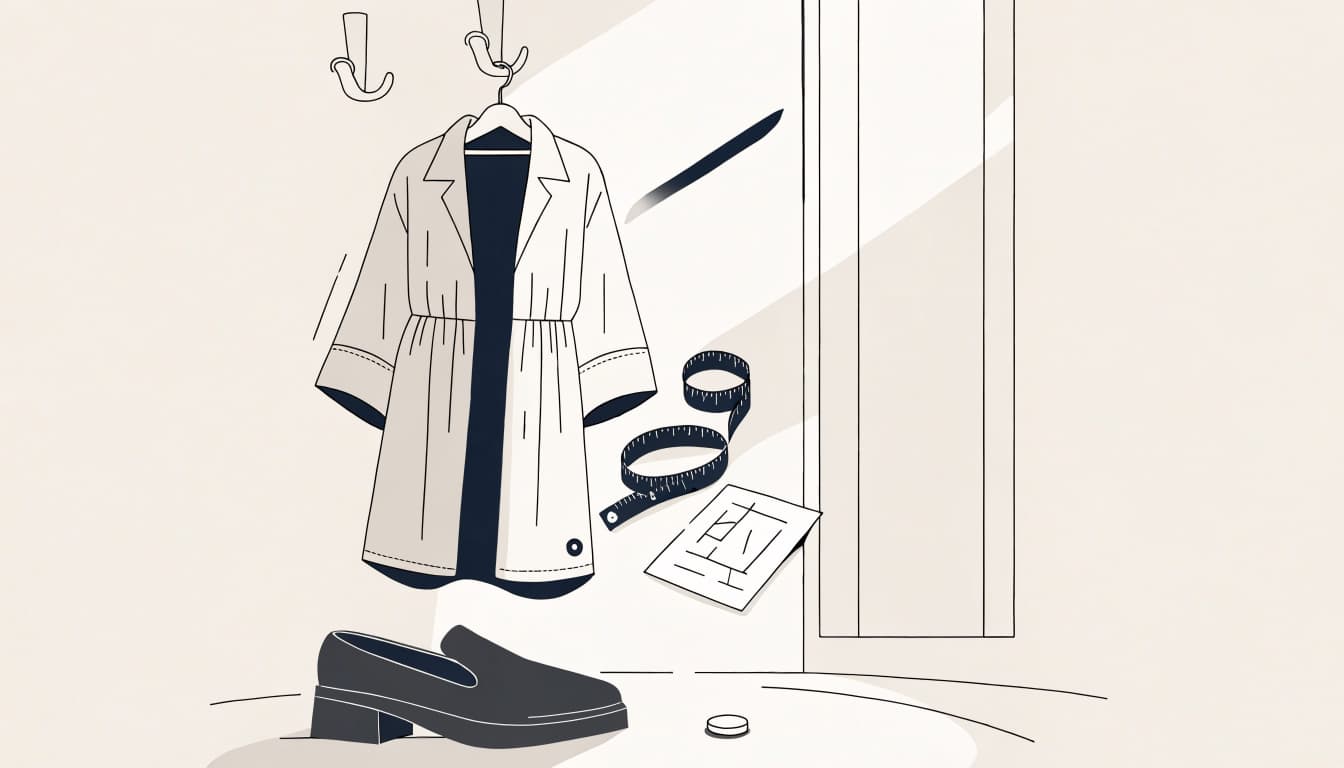
Fit is about comfort, support, and movement. You don't need to change your body to qualify for an outfit or a session.
Use the size chart, then test the outfit in motion
Check each brand's chart instead of assuming your usual size will transfer. For bras, the National Breast Cancer Foundation's measurement guide explains where to measure. Compare those measurements with the retailer's instructions.
Try everything on before shoot day. Sit, bend, raise your arms, and walk around. Notice gaping cups, rolling waistbands, digging seams, slipping straps, or restricted movement.
Keep the outfit on for several minutes. A piece that feels fine while standing may become uncomfortable when seated. Buy for your body as it is now. A hoped-for future fit has no useful role in your session bag.
Choose support and coverage on your own terms
Structured cups and wider straps can be options when you want more support. Bodysuits, high-waisted bottoms, and longline styles offer different amounts of coverage, depending on their construction.
Read the garment description, too. A sheer bodysuit and an opaque bodysuit can have similar silhouettes but give you different coverage. Stretch lace and rigid boning will also feel different.
Comfort doesn't require maximum coverage, and showing more skin doesn't prove confidence. You can prefer either, or change your mind between outfits.
If you need to hold a garment in place every time you sit, choose another piece before shoot day.
Your outfit should let you focus on the session rather than emergency strap management.
Plan Your Boudoir Wardrobe and Session With Confidence
A little preparation gives you fewer decisions on shoot day. Leave yourself room to change your mind without making the wardrobe complicated.
Bring a few outfits and try them on ahead of time
Consider preparing three to five options with romantic, bold, and casual moods. That's a flexible starting point, not an industry standard. Your photographer's schedule may allow fewer changes.
Bring only what feels manageable. One complete look you love beats a suitcase full of panic purchases.
Take quick phone photos during your try-on. Check how fabrics move, whether closures stay put, and how layers sit together. You don't need to recreate studio lighting.
Steam or prepare garments according to their care labels. Keep small accessories with the outfit they belong to. Before the session, avoid tight clothing if it tends to leave marks you'd rather not photograph.
Ask about the client closet, privacy, and image use
Ask whether the studio has a client closet, which sizes it includes, and how shared garments are cleaned. Find out whether you can preview pieces and use a private changing space.
Discuss coverage, poses, breaks, and wardrobe assistance. Ask how the photographer requests permission before adjusting clothing or positioning you.
State your retouching preferences, including whether you want your body shape left unchanged. Clarify who can access your gallery and how long files are retained.
RAINN's online image-consent guidance reinforces the importance of clear permission. Review written terms for portfolio, website, social media, and advertising use. Ask whether each use requires separate approval.
Streetwear & Casual Styling
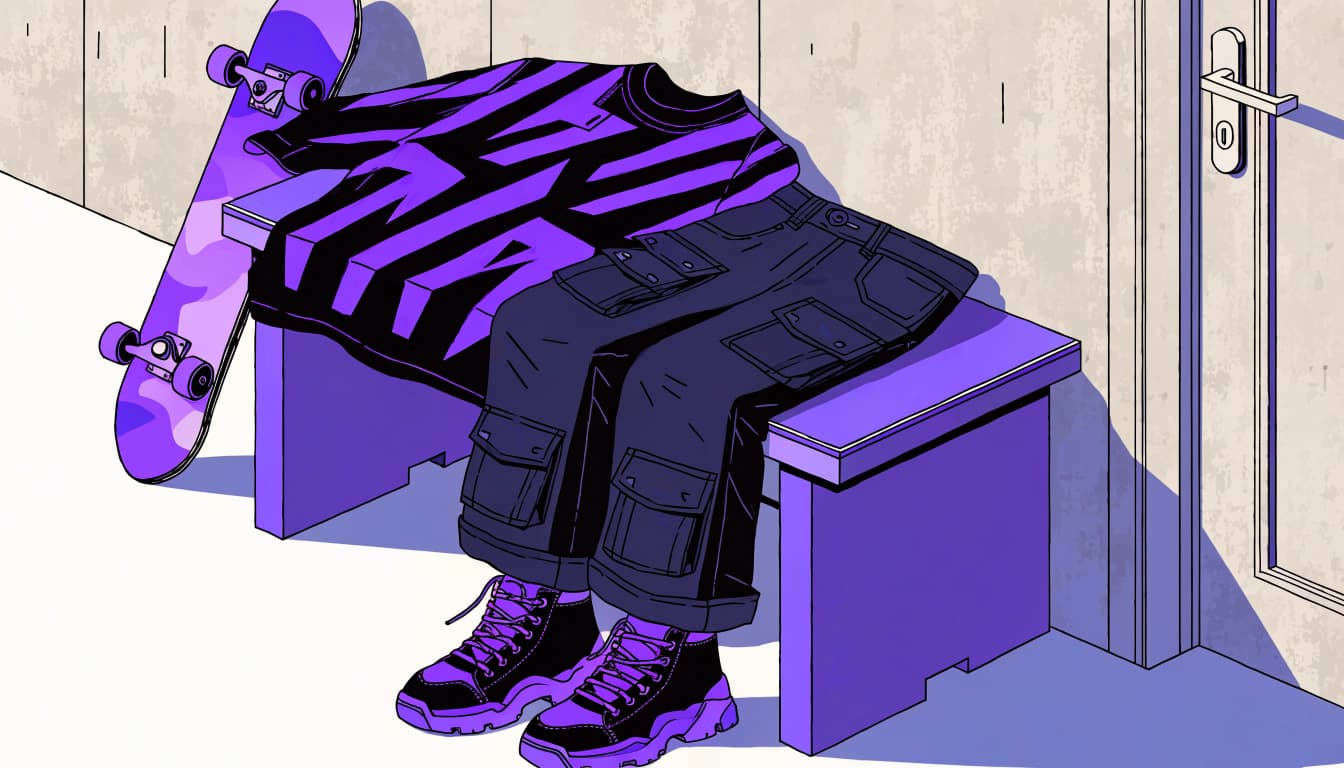
After the session, you can return to your everyday style without retiring the personality. This is an optional casual look, separate from your boudoir wardrobe.
Build it around TrendReactTees.STORE's Cyber-Brutalist Anime Graphic Tees. Pair bold artwork with relaxed cargos for a roomy silhouette. Dark-wash denim gives you another easy base, while an open overshirt or jacket adds a layer without covering the whole graphic.
You can choose the joke that matches your current operating system. "Goat Mode: Active" has competitive energy. "Pray For Max Chaos" suits your less supervised days. "I Ate The Zodiac" brings gloriously unreasonable fandom humor.
For more on the visual style, this guide to cyber-brutalist graphic tees breaks down glitch textures, distorted anime imagery, and bold layouts.
Keep the rest of your outfit as simple or layered as you like. Check garment measurements before choosing an oversized fit. Add sneakers or boots you already enjoy wearing, then let the artwork handle the conversation starter. Your shirt can have chaos energy while your waistband remains peacefully employed.
Frequently Asked Questions
How many outfits should you bring to a boudoir session?
Three to five prepared options can give you variety, but you may only photograph a few. Confirm your photographer's session schedule, changing time, and outfit-change plan before packing. If changes feel stressful, ask whether you can use layers to vary fewer outfits.
Can you do a boudoir shoot without wearing lingerie?
Yes, you can wear shirts, sweaters, jeans, robes, or other personal clothing. Ask to see examples of fully clothed sessions if you want reassurance about the photographer's approach. You can also keep the same coverage throughout rather than treating lingerie as an eventual requirement.
What should you ask a photographer before booking?
Ask about size-inclusive wardrobe options, privacy, comfort, consent, retouching, and image use. Request examples of their work with plus-size clients and clarify who will be present. Review gallery delivery and sharing permissions in writing; the FTC's unauthorized image-sharing guidance explains reporting options if your intimate images are posted without consent.
Should you buy a new outfit for your boudoir photos?
New lingerie is optional. A favorite item that fits well can give you familiarity and a personal connection to the photos. If you buy something, check return restrictions before ordering and leave enough time to try it on without a last-minute shopping boss fight.
Your Session, Your Wardrobe Settings
You get to set the tone, coverage, and comfort level of your session. Choose outfits that fit now and feel like something you'd want to wear, rather than something you think you're supposed to perform in.
Your strongest wardrobe can include lace, denim, a robe, or a deeply unserious favorite tee. Comfort belongs in the photos, whatever your style looks like.
Start with one outfit you genuinely like wearing. Build around it, discuss your boundaries, and leave the imaginary body requirements outside the studio door.