

Pork Cutlet vs Pork Chop: Which One Belongs on Your Plate?
Do you want a crisp dinner that cooks fast, or a thicker piece of pork you can grill or roast? That's the practical choice behind pork cutlet vs pork chop. The names can overlap, but thickness, bone, and preparation tell you far more than the package's main label.
A cutlet usually goes thin and quick. A chop gives you more meat to brown while the center cooks. Check what's in the package first, then pick the cooking method that fits it.
Key Takeaways
- Choose a cutlet when you want thin pork, quick cooking, and the option of a crisp breadcrumb coating.
- Choose a thicker chop for grilling, roasting, broiling, or a substantial pan-seared dinner.
- Either cut can be boneless; a boneless chop can become a cutlet when you slice or pound it thin.
- Check thickness and bone before buying, then use a thermometer instead of trusting a timer.
- Cook whole cuts of pork to 145°F and rest them for at least 3 minutes.
Pork cutlet vs pork chop: what actually sets them apart?
The easiest distinction is thin versus thick. A cutlet is usually a boneless piece prepared for a short cook. A chop is usually a thicker cut from the loin or rib area, sold with or without a bone. Neither name tells you everything about the meat in front of you.
As a shopping guide, cutlets are often about 1/4 to 1/2 inch thick. Chops commonly run around 3/4 to 1 1/2 inches, though you'll find cuts outside those ranges. A butcher may also sell thin-sliced chops that look ready for cutlet duty. The label is a clue; the side view of the meat is the evidence.
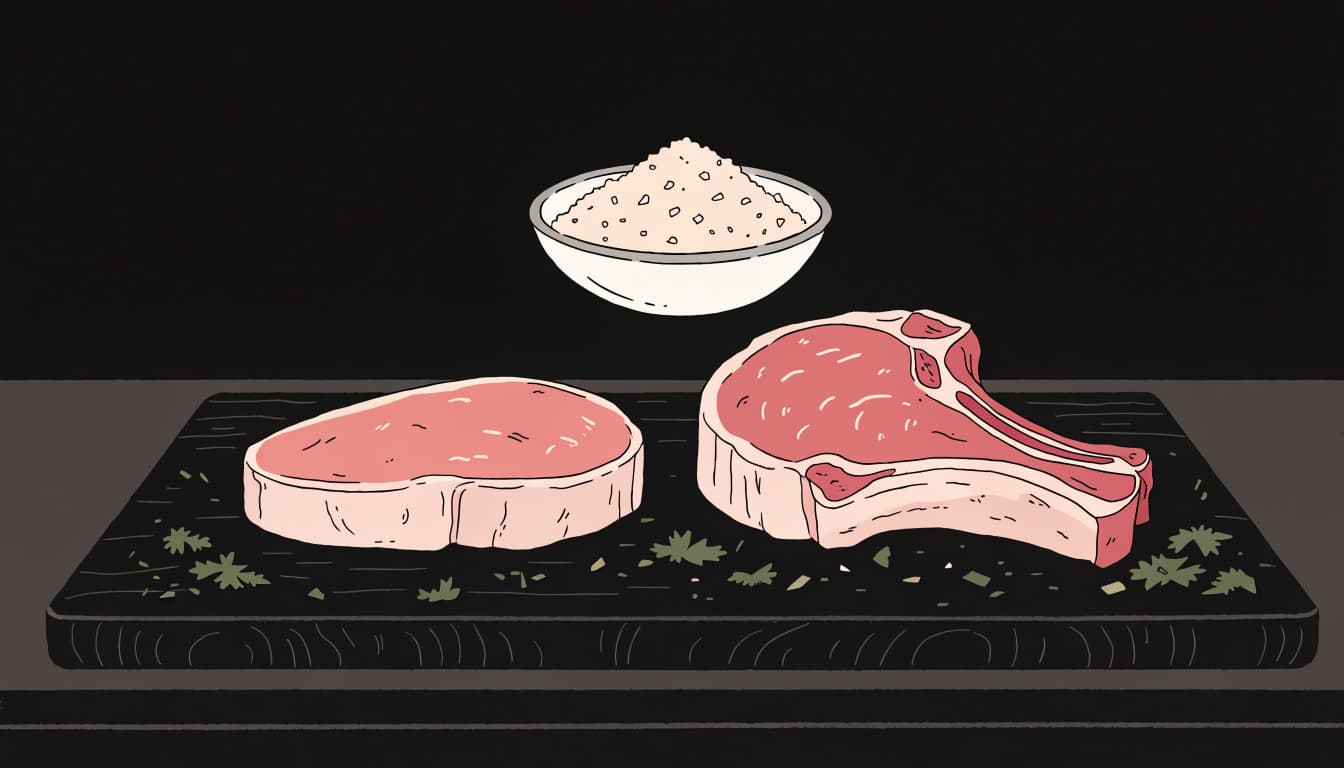
A cutlet is thin, usually boneless, and built for quick cooking
A pork cutlet can come from the loin or leg. It may be sliced thin, pounded thin, or both. Pounding also evens out thick spots, so one end doesn't finish cooking while the other end is still catching up.
Cutlets often get breaded because their broad, flat surface gives the coating plenty of room to crisp. Think schnitzel or pork Milanese. But a plain, seasoned cutlet is still a cutlet. Breadcrumbs aren't a membership requirement.
Because there's little distance between the pan and the center, a cutlet cooks fast. That's convenient on a weeknight and unforgiving if you leave it over the heat while you answer a group chat.
A chop is thicker and may include the bone
Pork chops are commonly cut from the loin or rib area. You can buy them bone-in or boneless. The thicker ones give you room to build a browned exterior without finishing the center the instant the meat hits the pan.
A boneless chop can also become a cutlet. Slice it thinner or pound it to an even thickness, and you've changed how it cooks. That overlap is why two packages with different names can be right for the same meal. Look at the meat, not just the sticker.
How cutlets and chops differ in flavor, texture, and cooking
Thickness changes the bite. A well-cooked cutlet can have a thin, tender center under a crisp shell. A well-cooked chop offers a thicker, meatier bite and more surface to sear. Neither is automatically juicier or more tender; heat and timing get a vote.
The pork cutlet vs pork chop choice gets easier when you picture dinner. Craving crunch? Go thin. Planning to stand at the grill and pretend you're running a cooking show? Give yourself a substantial chop.
Choose a cutlet for a crisp coating and a fast dinner
For schnitzel or pork Milanese, pat the cutlet dry and season it. Coat it in flour, dip it in beaten egg, then press it into breadcrumbs or panko. Shallow-fry it in a skillet until the coating turns golden and the pork reaches the safe internal temperature. You want enough oil to help the crust brown, not a pot for deep-frying.
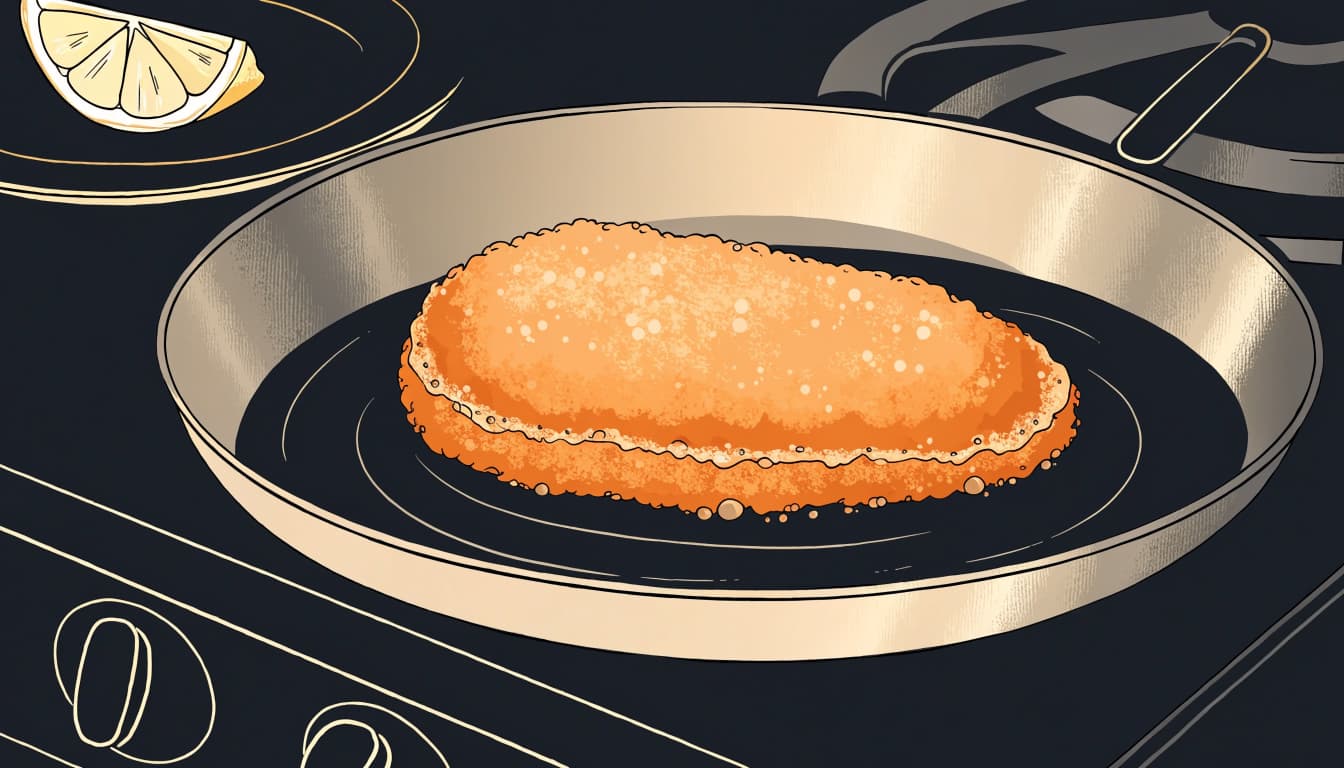
You can also skip the breading. Season a thin cutlet, pan-sear it, and serve it with lemon or a quick pan sauce. Either way, watch it closely. Thin pork can go from ready to dry while you're deciding what to stream. The National Pork Board's pork temperature guidance gives you a target that's more useful than judging the crust alone.
Choose a chop for a juicy center and a bigger sear
A thicker chop suits grilling, roasting, broiling, and pan-searing. Its center takes longer to heat, so you have more time to brown the outside. Turn the heat down or move the chop to a cooler part of the grill if the surface darkens before the center is ready.
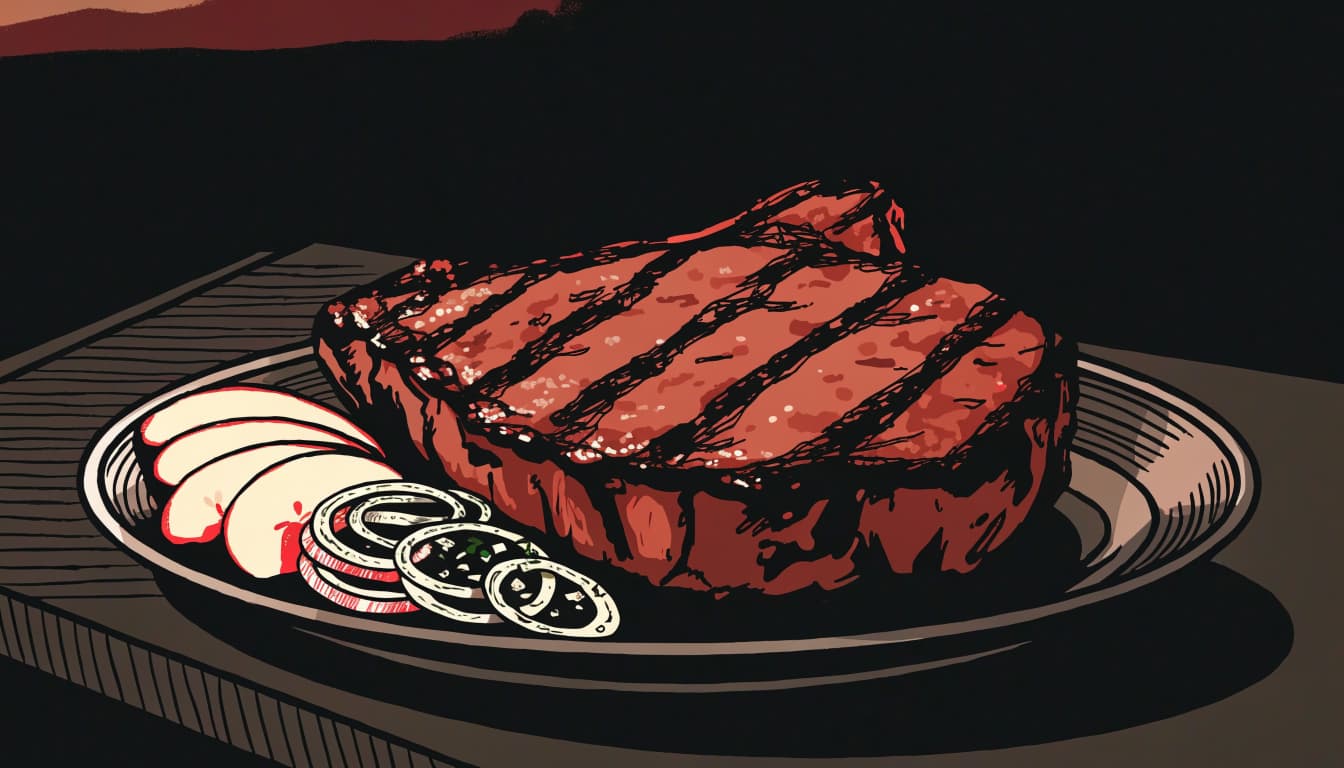
Bone-in chops can bring extra flavor around the bone, but the bone isn't a cheat code for a juicy dinner. Thickness, cooking temperature, and resting matter more. Try a grilled chop with a browned edge, or pan-sear one and finish it with apples and onions. You'll get a different texture than a breaded cutlet, even when both start with loin meat.
Which pork cut should you buy, and how do you cook it safely?
Start with your cooking plan, then inspect the package. You can make either cut work, but buying the right shape saves you prep and guesswork.
Match the cut to your meal, time, and cooking method
Buy cutlets if you want breading, crisp edges, and a short stint in the pan. Choose chops if you want to grill, roast, broil, or serve a thicker piece. If you're shopping for a recipe, compare its stated thickness with what's in the meat case before you commit.
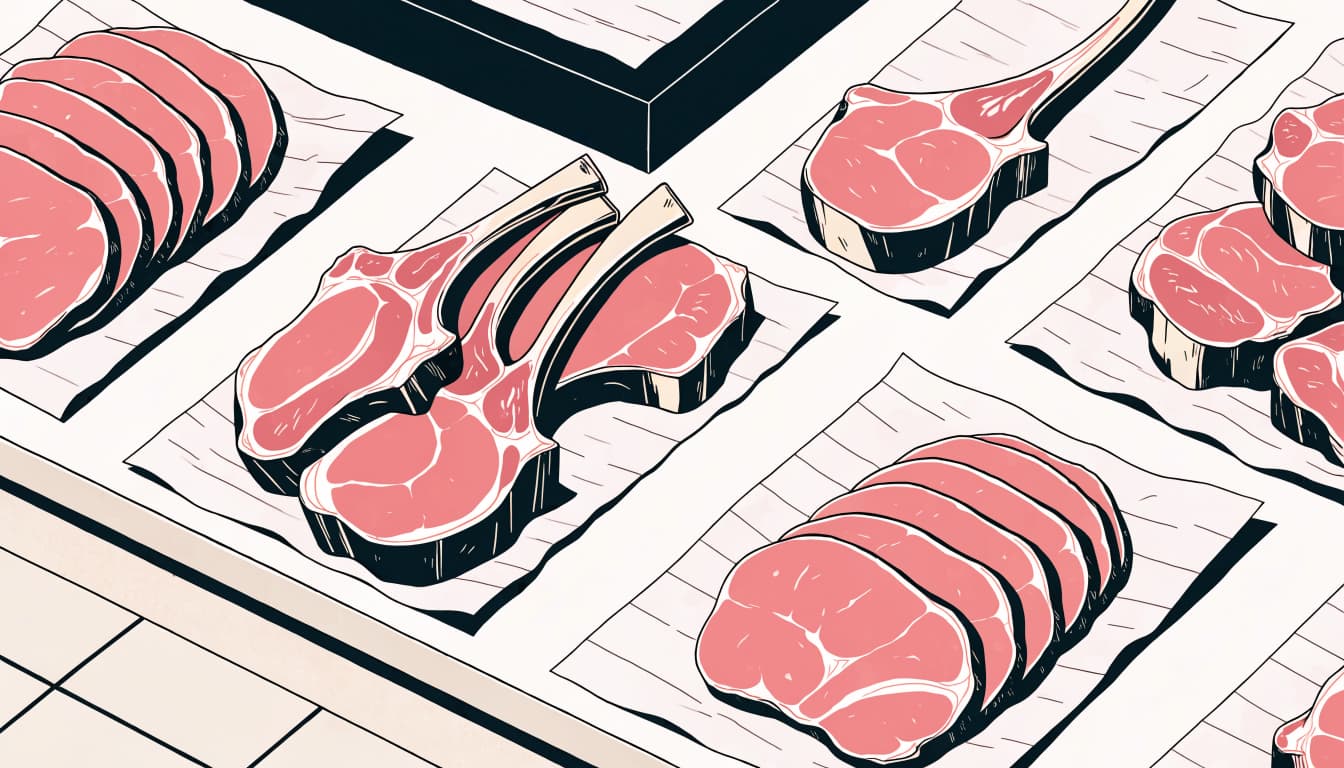
Check three things: bone, thickness, and tenderizing. A bone-in chop won't flatten like a boneless one. An already-tenderized cutlet may need no pounding. And a thin-sliced chop might be ready for your breadcrumb plan despite its official chop status.
The pork cutlet vs pork chop decision could fit on a graphic tee: "Crispy Speedrun" on one side, "Grill Boss" on the other. For dinner, though, thickness matters more than the slogan.
Turn a boneless chop into a cutlet at home
If you have boneless chops and a cutlet recipe, slice each chop horizontally into thinner pieces. You can also place a chop between sheets of parchment or plastic wrap and pound it gently to an even 1/4 to 1/2 inch. Work outward from the middle rather than smashing one spot into a tiny pork crater.
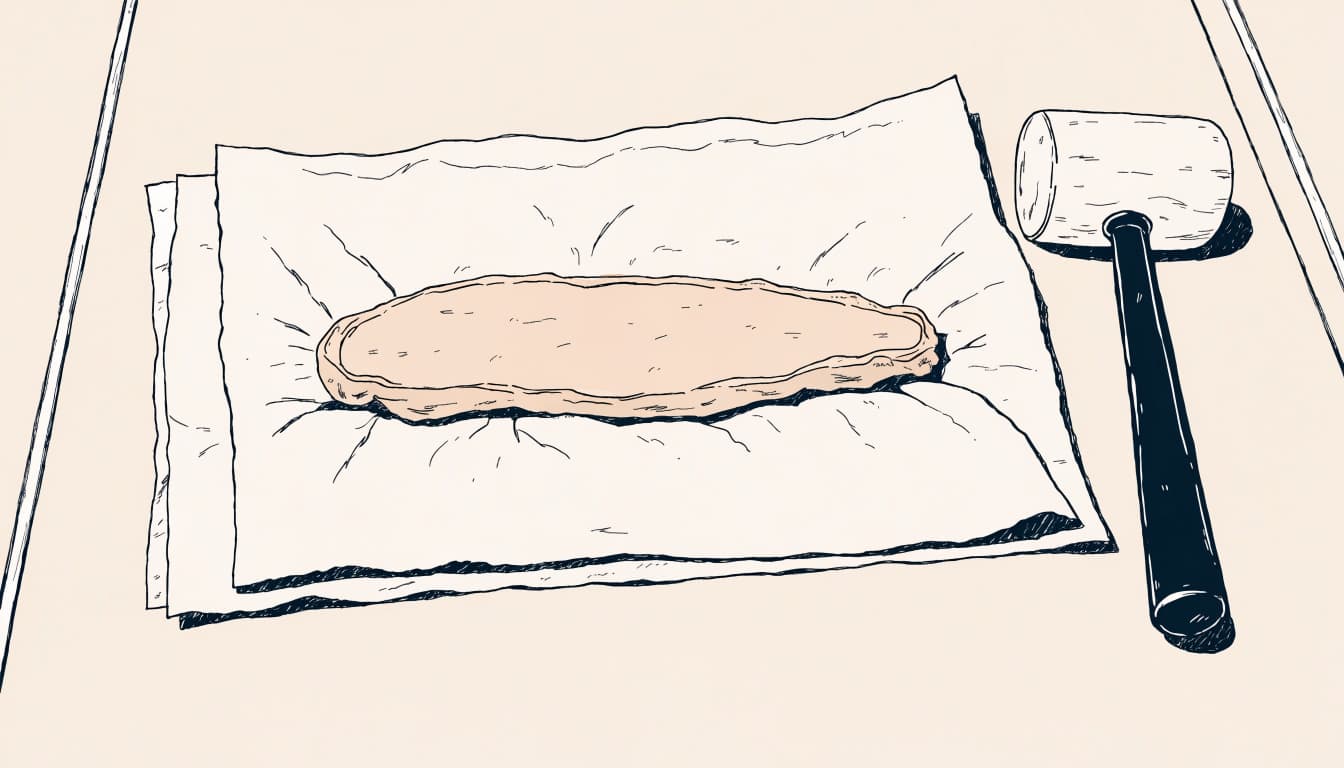
Even thickness helps every part cook at about the same rate. It's especially useful when you're breading: the crust can brown evenly while the pork beneath it cooks through. If the chop is thick, slicing first also keeps you from pounding one piece into an enormous, ragged sheet.
Use a thermometer to keep either cut tender and safe
The USDA's safe temperature chart calls for whole cuts of pork to reach 145°F, followed by a rest of at least 3 minutes. Check the thickest part with a food thermometer before removing the pork from the heat. Keep the probe away from bone, fat, and gristle; for a thin cutlet, insert it through the side toward the center.
A thin cutlet may reach 145°F quickly, even if a recipe's suggested cook time hasn't passed. A thick chop can need longer than expected. Neither a golden coating nor a dramatic grill mark tells you what happened in the middle.
For a quick visual refresher on the temperature target, watch the Illinois Pork Producers Association's pork chop explainer.
Frequently Asked Questions
Can you use pork chops instead of pork cutlets?
Yes, if the chops are boneless. Slice or pound them thin so they cook like the cutlets your recipe expects. A thick bone-in chop isn't a direct swap for a breaded cutlet; you'd need to remove the bone and change the thickness, or choose a cooking method suited to the chop.
Are pork cutlets always breaded?
No. Breading is common for schnitzel and pork Milanese, but it's optional. You can season an unbreaded cutlet and quickly pan-sear it. Keep an eye on its temperature because the thin meat won't wait around for your sauce to finish.
Which is more tender, a pork cutlet or a pork chop?
Tenderness depends on where the pork was cut, how thick it is, and how you cook it. A properly cooked thick chop can hold on to a juicy center. A cutlet can be tender, too, especially when it's evenly thin and cooked quickly rather than left to dry out. Use the USDA's fresh pork guidance for the safe temperature instead of treating either label as a promise of tenderness.
Can you bake breaded pork cutlets instead of frying them?
Yes. Put them in a hot oven on a lightly oiled pan or rack, with space between the pieces. The coating may be less crisp than a shallow-fried version, so a little oil helps it brown. Check the center with a thermometer rather than relying on the color of the crumbs.
Pick the Cut That Fits the Plan
If you want thin, crisp pork that cooks fast, reach for a cutlet. If you want a thicker piece for the grill, oven, or skillet, buy a chop. Either way, use a thermometer and give the pork its 3-minute rest.
The meat case gets less confusing once you stop treating the names like strict rules. Choose by thickness and cooking plan, and you'll know what to do when you get home.