

Why Your Puppy Sounds Congested When Sleeping
TrendReactTees.STORE TeamIf your puppy sounds congested when sleeping, a snore or snort can be alarming. An occasional sound that happens only during sleep may come from position or airway shape, but sound alone can't tell you what's causing it.
Pay attention to what changes: new or worsening noise, sounds while your puppy is awake, or visible effort to breathe deserve veterinary attention. For the non-medical side of puppy-parent life, our Dog Eats Custom Kibble Living On Ramen tee and My Therapist Is A Dog tee bring pet-parent humor to your casual rotation.
This post may contain affiliate links. If you make a purchase through these links, I may earn a small commission at no extra cost to you.
Key Takeaways
- A brief, occasional snore during sleep can relate to position or airway anatomy.
- Sound alone can't identify the cause; watch how your puppy breathes while awake.
- New, worsening, or awake-time noisy breathing warrants a call to your veterinarian.
- Labored breathing, gasping, collapse, or trouble settling calls for emergency care.
- Keep your puppy calm and cool, and don't give medication without veterinary direction.
Why Your Puppy Sounds Congested When Sleeping
Snoring and snorting often happen when air vibrates tissue in the nose or throat. A narrower airway can make that sound louder, but the noise itself doesn't tell you whether your puppy has irritation, an obstruction, or another problem. The Merck Veterinary Manual's explanation of respiratory sounds distinguishes stertor, a snoring or snorting sound, from stridor, a harsher, often higher-pitched noise. You don't need to identify either sound at home. Focus on when it happens and whether breathing looks difficult.
Sleep position and short-faced anatomy can affect breathing
A puppy curled into an awkward position may make a short snore that stops after shifting or waking. That pattern may be less concerning than persistent noise, but it doesn't prove everything is fine.
Short-faced breeds, including pugs and bulldogs, may have narrowed nostrils or a long soft palate that contributes to noisy breathing. The VCA guide to brachycephalic airway syndrome describes how these features can affect airflow. A breed or a particular sound still can't confirm a diagnosis.

Irritation, infection, or a blockage may also be involved
Swelling or discharge related to allergies or infection can make breathing sound congested. A piece of grass or another foreign object in the nose is another possibility. Less common causes can include excess weight or a growth affecting the airway.
These possibilities can sound alike from across the room. A veterinary exam may be needed to find the cause, especially if the noise is new, getting worse, or paired with other symptoms. Skip the home detective routine: a puppy's nose is not a place for fingers or improvised tools.
How to Tell Sleep Snoring From a Breathing Problem
The useful clues are timing and change, not simply volume. Ask yourself whether the sound happens only during sleep, whether your puppy breathes comfortably while awake, and whether the noise is becoming more frequent or intense.
A new sound deserves attention even if it seems mild. So does an old snore that suddenly changes character. The VCA guidance on pet snoring recommends veterinary attention for newly noticed regular snoring and for noise that comes with other signs.
A brief sound that stops when your puppy wakes may be less concerning
An occasional snore linked to a sleeping position, followed by comfortable breathing when awake, may be less urgent than noise that continues through the day. You can note whether it stops when your puppy shifts or wakes, but don't treat that as a diagnosis or a promise that the sound is harmless.
If this is a new pattern, happens regularly, or gets louder, contact your veterinarian for advice. A short, clear description of what you're seeing is more useful than trying to label the sound yourself.
Noisy breathing while awake or worsening sounds deserve a call
Call your veterinarian if the snoring is new or worsening, or if you hear noisy breathing while your puppy is awake. Wheezing, repeated sneezing or coughing, nasal discharge or bleeding, gagging, and reduced tolerance for exercise also warrant veterinary advice.
Notice whether symptoms get worse with heat or activity. Those changes matter even if your puppy settles down afterward. If breathing looks difficult, move to emergency care rather than waiting for a routine appointment.
Know When Your Puppy Needs Emergency Care
Seek emergency veterinary care now if your puppy has labored or open-mouth breathing at rest, gasps for air, shows marked effort, can't settle or lie down, collapses, or faints. Gray, blue, or unusually dark-pink gums are also alarming signs.
Don't wait for a gum-color change if breathing already looks difficult. The Merck Veterinary Manual's emergency triage guidance describes visible breathing changes and abnormal mucous membrane color as serious signs. A quiet-looking puppy can still be working hard to breathe.
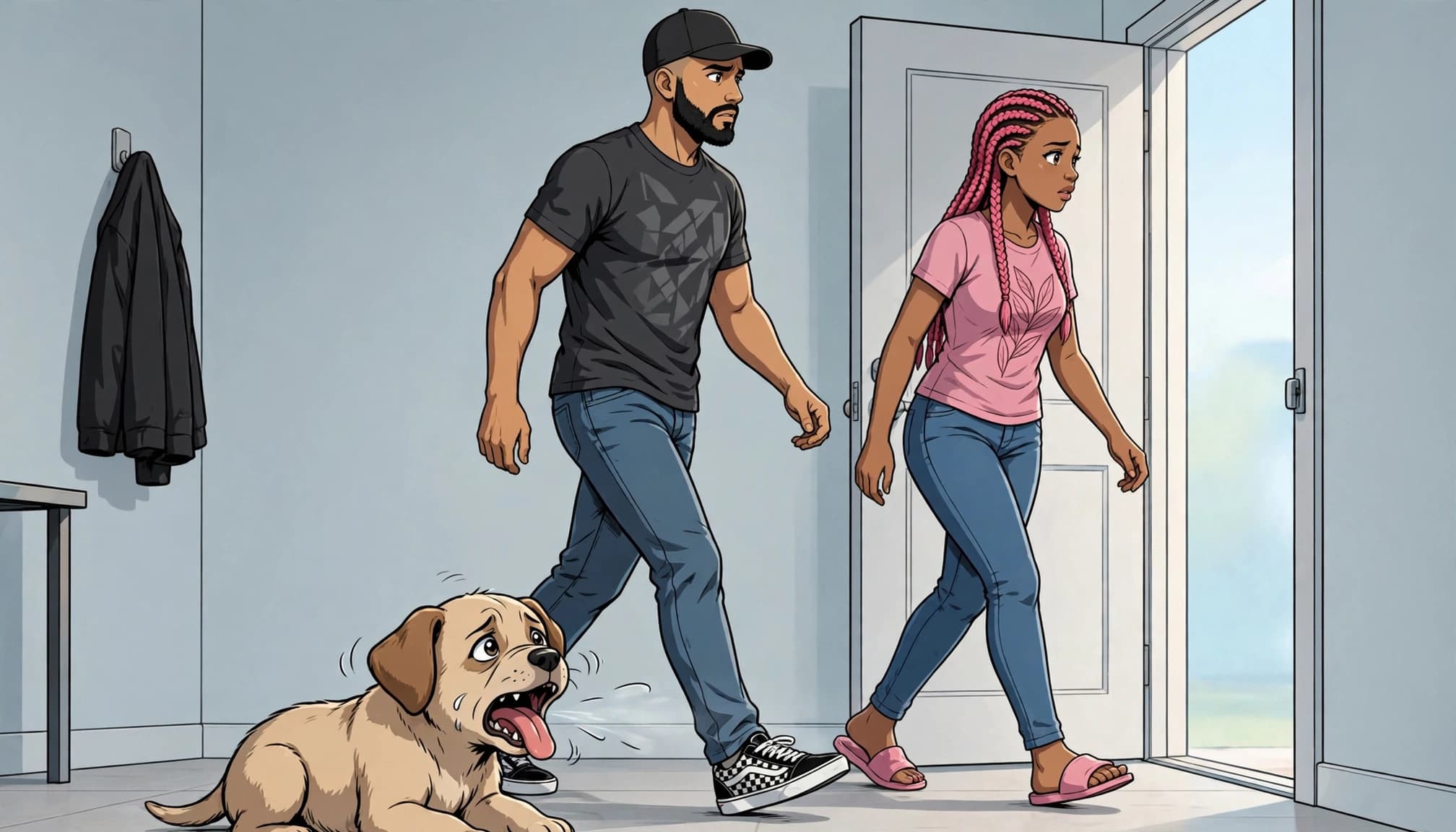
Breathing effort matters more than the sound alone
Watch for obvious struggle, such as strong effort with each breath, gasping, or an inability to rest comfortably. These signs need emergency care even if your puppy's gums still look normal. Don't wait to see whether the sound passes, and don't rely on a video to decide whether visible distress is serious.
A recording can help explain an intermittent sound during a non-urgent call. It isn't a substitute for urgent care when breathing is difficult.
Call ahead and keep your puppy calm on the way
Call the emergency clinic while you prepare to leave, so the team knows you're coming. Keep your puppy calm and avoid heat or exertion as much as possible during the trip.
Don't put anything into your puppy's nose or throat. If breathing is visibly difficult, your job is to get veterinary help, not to investigate the airway at home.
What You Can Safely Do While You Contact Your Vet
While you arrange veterinary advice, give your puppy a calm place to rest that's comfortably cool and well ventilated. Avoid exercise and heat. Keep smoke, sprays, and other potential airway irritants away.
These steps can reduce extra stress while you seek help, but they aren't treatment for the cause. If your puppy shows emergency signs, leave for emergency care rather than spending time trying home remedies.
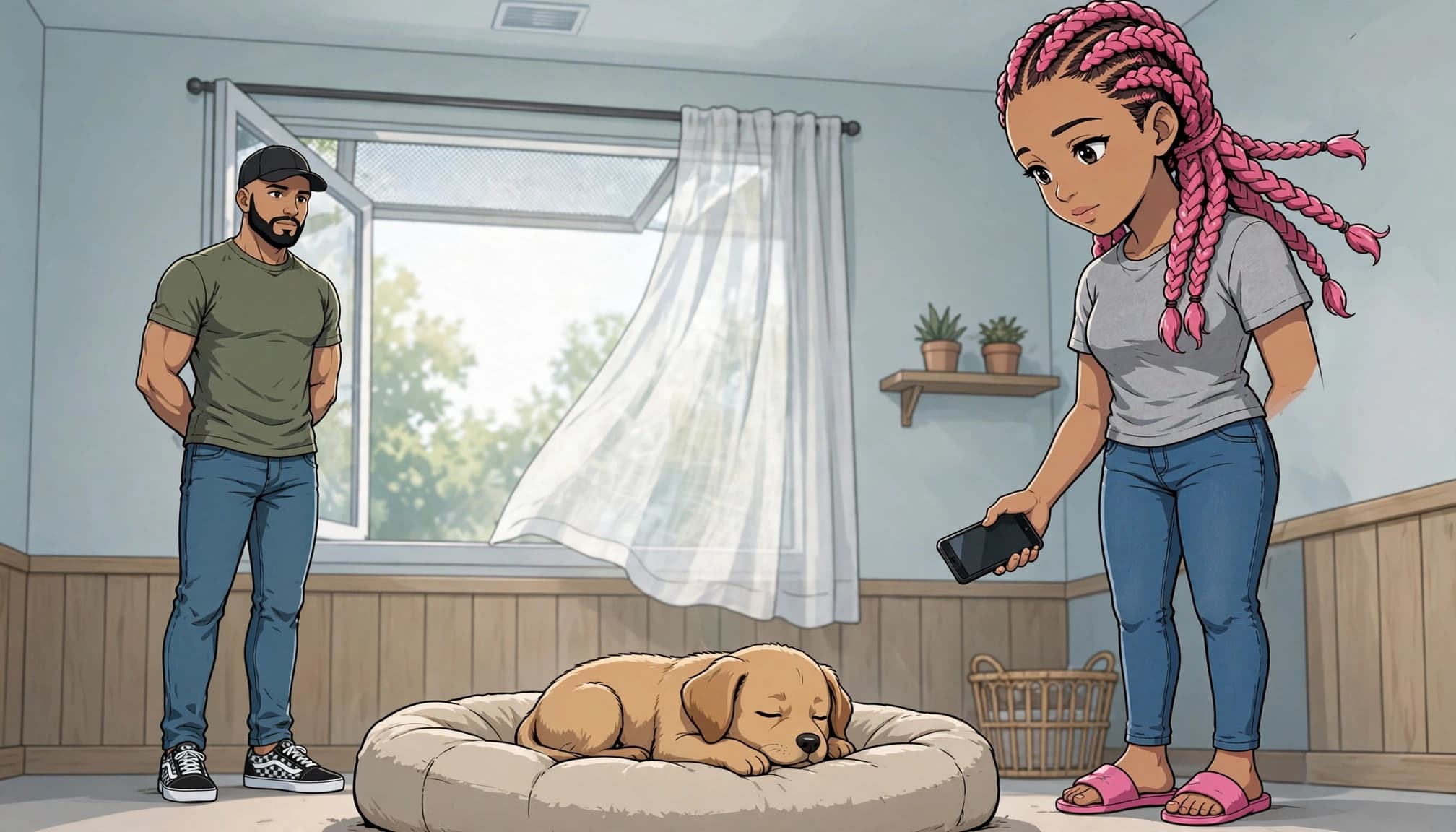
Record the sound and note when it happens
For a non-emergency call, note when the sound began, whether it happens only during sleep or also while your puppy is awake, and whether it's changing. Write down any coughing, sneezing, discharge, gagging, breathing effort, or trouble tolerating heat or activity.
A short recording may help your veterinarian understand an intermittent noise. Make one only if your puppy is breathing comfortably. Recording must never delay urgent care.
Avoid risky home remedies and nose checks
Don't give human decongestants or other medicines unless a veterinarian specifically directs you to. Don't put tools or fingers into your puppy's nose or throat, either. Those attempts can create more risk without identifying the cause.
Ask your veterinarian before trying any remedy. If breathing becomes difficult, skip the call for home-care tips and seek emergency care.
What to Expect When Your Veterinarian Checks the Noise
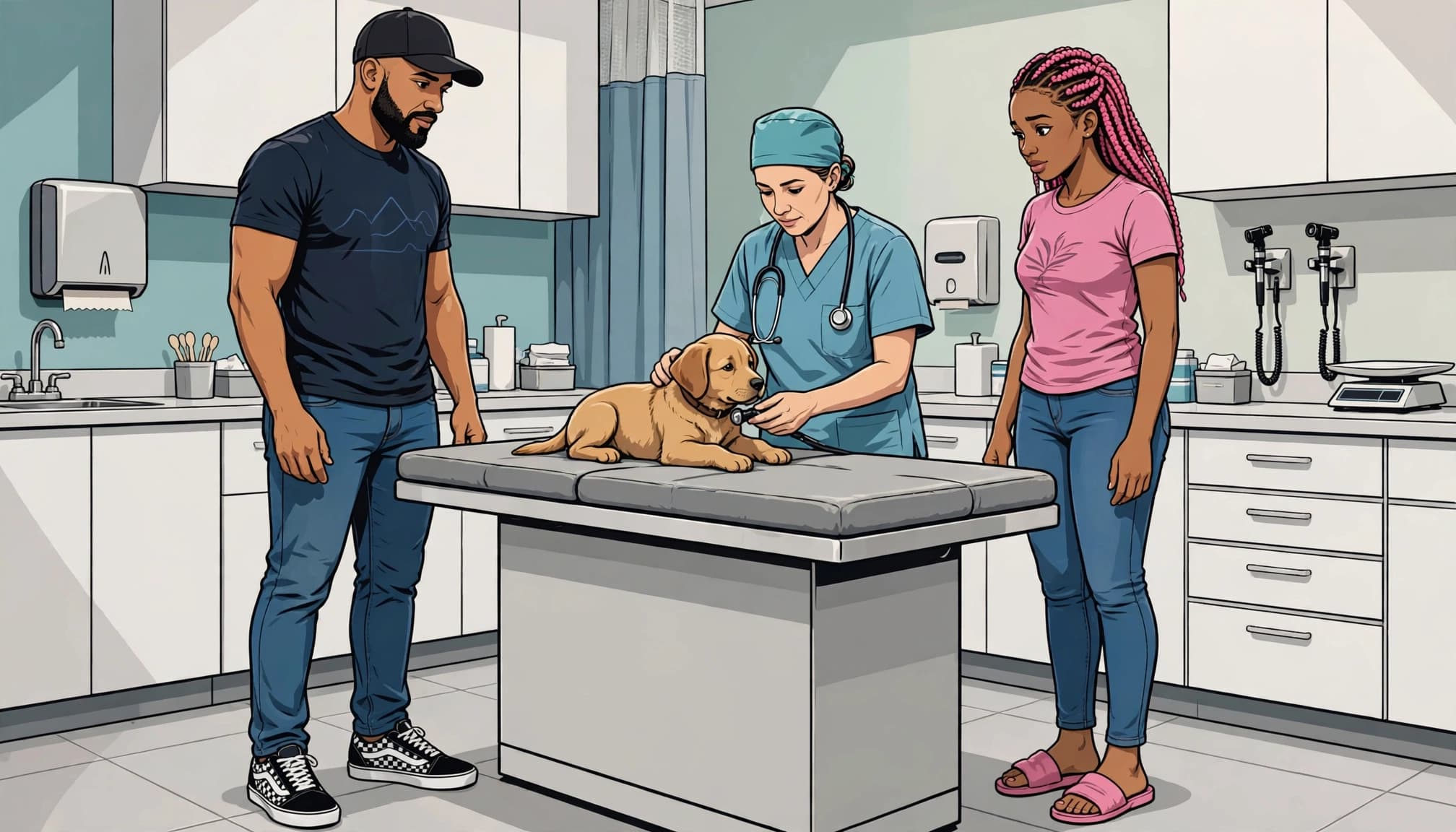
Your veterinarian may ask when the noise started, whether it's changing, and if it happens while your puppy is awake. Be ready to describe other symptoms, your puppy's health history, and any changes with activity or heat. A short recording can help if the noise doesn't happen during the visit.
The veterinarian will assess your puppy's breathing and overall condition, then examine the airway as needed. Further tests depend on what the exam shows and what cause the veterinarian suspects. No single test or treatment fits every puppy with noisy breathing.
Before you leave, ask what changes should prompt another call and what the follow-up plan is. That gives you a clear next step if the sound continues or changes.
Streetwear & Casual Styling
Puppy breathing gets the serious attention it deserves. Your everyday fit can keep the pet-parent bit playful: build around one graphic tee, then let the rest stay easy with jeans and sneakers. Our Scream At The Void My Human Understands tee and If They Could Use The Internet We'd Be In Trouble tee bring Cyber-Brutalist Anime Graphic Tees to dog-parent humor. Your puppy's health comes first; the outfit can wait until after the vet call.
Frequently Asked Questions
Can a puppy snore while sleeping and still be healthy?
Occasional sleep-only snoring can happen, including when a puppy's position affects airflow. A new, regular, loud, or worsening sound is worth discussing with your veterinarian, especially if you hear it while your puppy is awake.
Should I wake my puppy when the breathing sounds noisy?
Waking your puppy isn't a substitute for checking whether breathing looks difficult. If you see labored breathing, gasping, or an inability to settle, seek emergency care instead of waiting to see whether waking changes the sound.
Can a short-faced puppy make more noise during sleep?
Short-faced anatomy can contribute to noisy breathing, including during sleep. Persistent noise or troubled breathing still needs veterinary assessment; the breed alone doesn't tell you what's causing it.
Can I give my puppy a human decongestant?
No, unless a veterinarian specifically tells you to give that medicine. Call your veterinarian for safe guidance, and seek emergency care if your puppy is struggling to breathe.
A Calm Next Step for Noisy Puppy Breathing
A brief sleep-only snore is different from visible breathing distress, but new or worsening sounds shouldn't be brushed off. Watch how your puppy breathes while awake and note any changes or added symptoms.
Contact your veterinarian when the noise is concerning or changing. If your puppy struggles to breathe, gasps, collapses, or can't settle, seek emergency care right away.