

Red Standard Poodle Temperament: What to Expect
TrendReactTees.STORE TeamA red Standard Poodle generally has the active, intelligent traits associated with Poodles, but coat color doesn't set a dog's personality. The red standard poodle temperament you'll see in real life depends more on the individual dog, its health, social experiences, and everyday routine than on its shade.
If your dog has earned the role of household therapist, our My Therapist Is A Dog Tee gets the joke. For the dog parent whose budget is apparently kibble first, human food later, there's the Dog Eats Custom Kibble Tee. The dog still needs a sensible match, not a personality forecast based on fur.
This post may contain affiliate links. If you make a purchase through these links, I may earn a small commission at no extra cost to you.
Key Takeaways
- Red coloring doesn't establish a separate Poodle personality or energy level.
- Poodles are described as active and intelligent, but breed traits don't predict every dog.
- Regular activity, mental engagement, and positive training support a satisfying routine.
- Supervise children and pets, and let the individual dog's comfort guide interactions.
- A dog's history, health, and daily behavior tell you more than its coat shade.
What Is the Red Standard Poodle Temperament Really Like?
The Poodle Club of America's breed standard describes Poodles as very active and intelligent, with a proud, dignified presence. That's a summary of the breed, not a guarantee that every dog will behave the same way. One Poodle may be ready to learn a new trick; another may need a minute to decide whether a visitor has passed the vibe check.
The Poodle Club of America's AKC breed standard gives useful context, while the AKC's Poodle breed guide describes Poodles as loving their owners and usually friendly with strangers. Those broad tendencies can help you know what to look for. They can't tell you exactly how a particular dog will respond to your home, schedule, or neighbors.
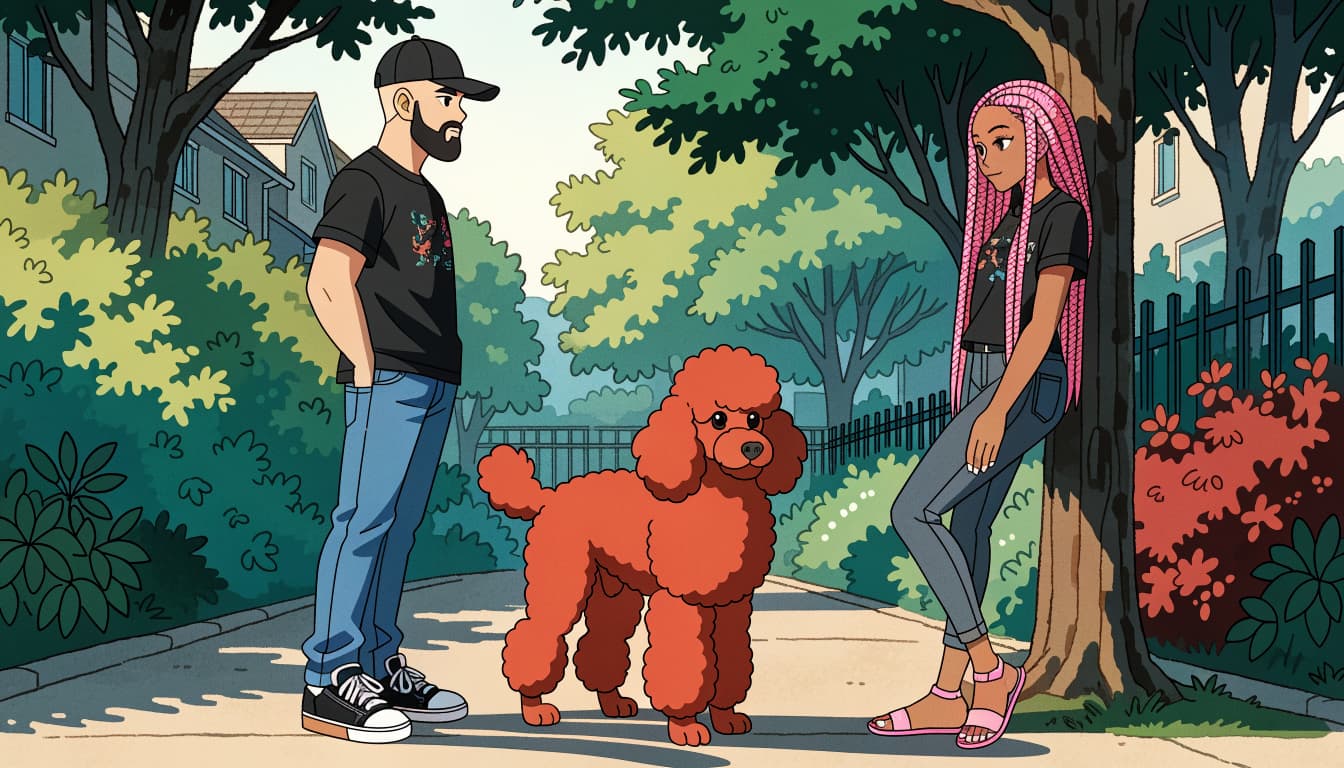
Why red coloring does not define personality
A coat shade is an appearance detail, not a behavior profile. Reliable breed guidance describes Poodle temperament without setting out a separate personality type for red dogs. So if you're comparing two Standard Poodles, their coat colors won't tell you which one is more affectionate, energetic, or comfortable around guests.
The more useful clues come from the dog's experiences and behavior. Consider its health, early care, training, and the way it handles ordinary situations. A striking coat can catch your eye, but it can't tell you whether the dog enjoys busy sidewalks or prefers a little more space.
Traits you may notice in your individual dog
You may see alertness, curiosity, affection, sensitivity, or enthusiasm for learning. These are possibilities to observe, not promises attached to a coat color or breed label. Notice what the dog does when it meets new people, hears a sudden sound, or encounters an unfamiliar object.
Pay attention to patterns over time, too. A dog who seems unusually withdrawn or reactive may be uncomfortable, stressed, or unwell. The context matters: a Poodle who settles easily at home may act differently in a crowded park. Your best guide is the dog in front of you, not a list of traits that assumes every Poodle got the same character build.
How to Meet a Red Standard Poodle's Need for Activity and Learning
A Standard Poodle's intelligence and activity level can make a dull routine feel especially dull. Most dogs benefit from regular movement and opportunities to use their minds, but there's no single exercise quota that fits every age, health profile, or personality. Adjust the pace to the dog, then notice how it recovers and behaves afterward.
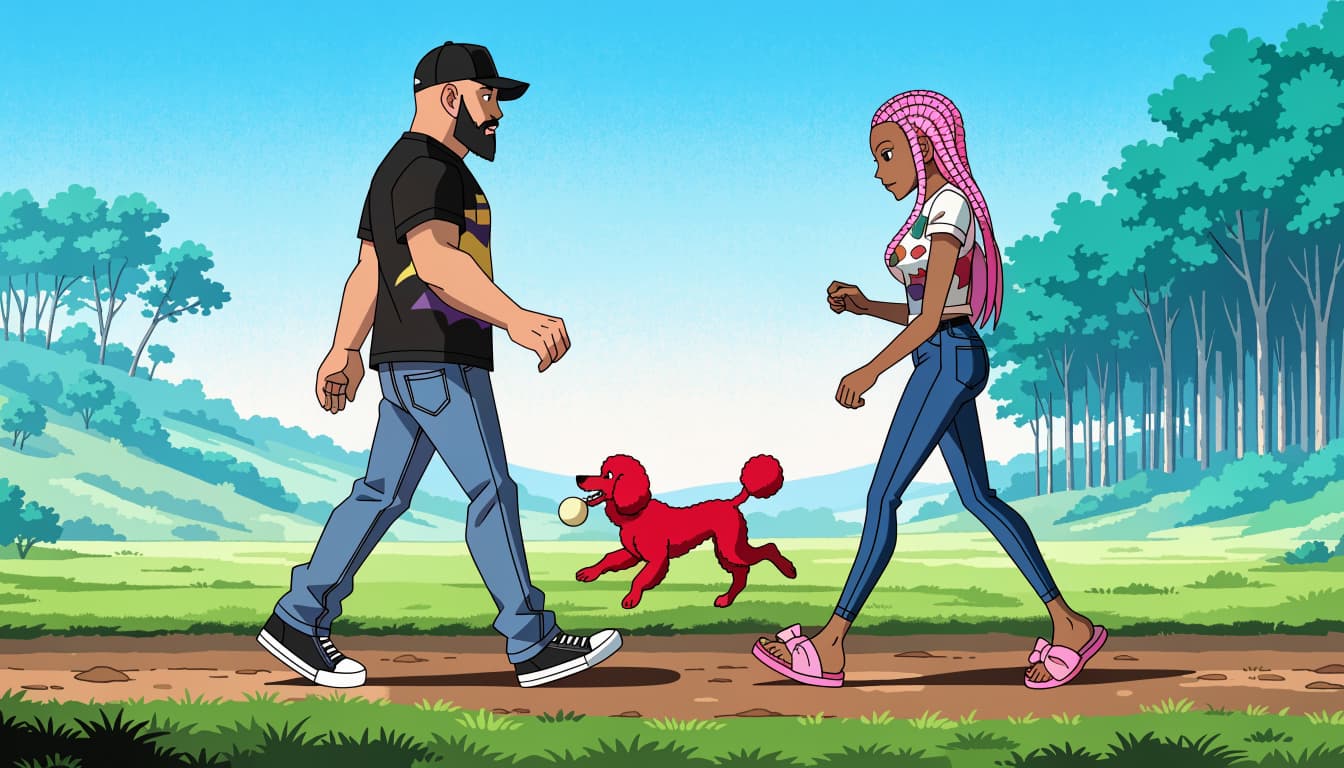
A walk can include sniffing and exploring, rather than speed-running the block like the dog has a quest timer. Fetch, swimming where it's safe, and hikes suited to your dog's fitness offer other ways to move. Short trick sessions and food puzzles add mental work at home. Mix activities around your schedule and your dog's response, rather than expecting one long outing to solve every need.
Use reward-based training to keep learning fun
Short, consistent practice is easier to fit into daily life than one marathon session. Reward the behavior you want, including calm responses, checking in with you, or returning when called. If distractions make a skill fall apart, practice somewhere quieter before adding the sidewalk's entire scent catalog.
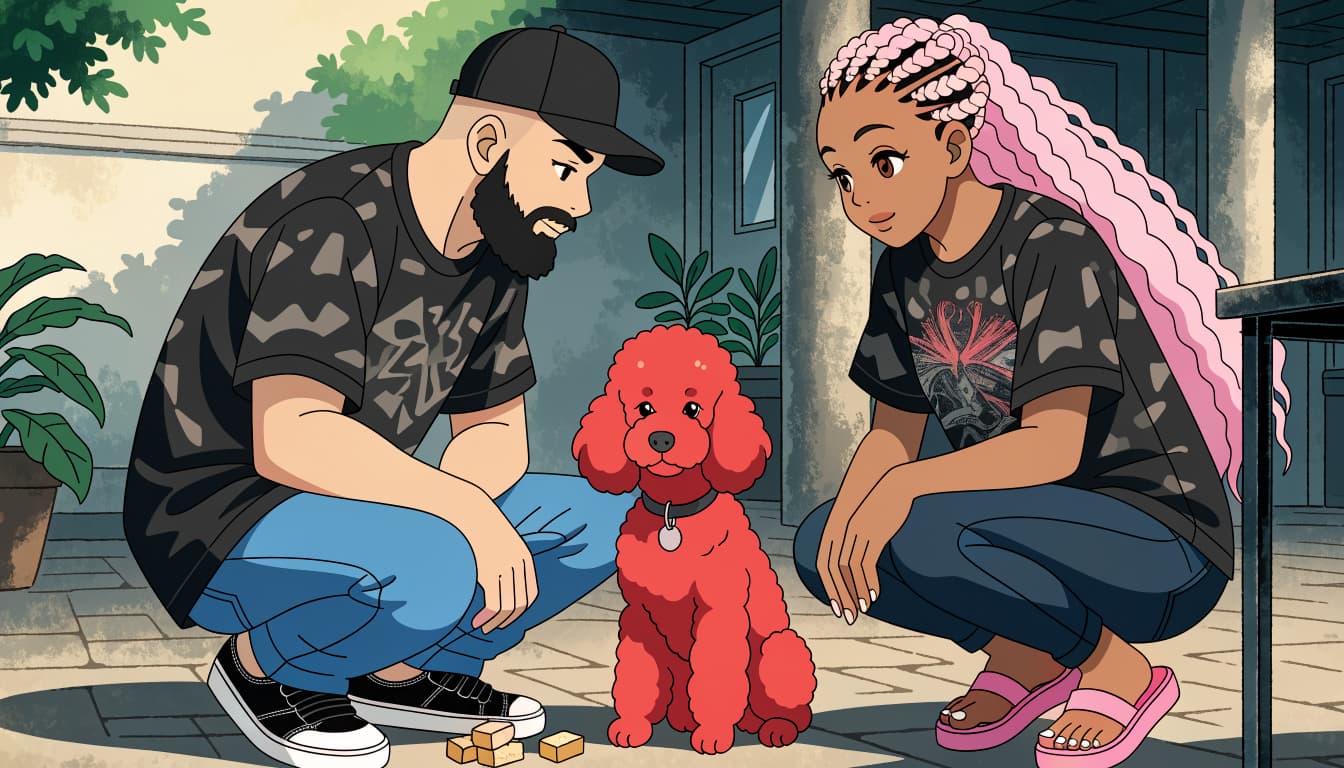
Training gives you a shared way to communicate. Keep sessions upbeat and end before your dog checks out. A reward can be a small treat, praise, or a chance to do something the dog enjoys. The goal is useful skills and a positive working relationship, not a flawless performance on command.
Build confidence through gentle socialization
Give your dog manageable, positive exposure to people, dogs, places, sounds, and everyday handling. Start at a distance or intensity where the dog can stay comfortable, then build gradually. A dog who feels overwhelmed doesn't need a louder introduction; it needs more space and a calmer setup.
Early socialization can support comfort in new situations, but it doesn't guarantee that every dog will enjoy every person or setting. For an adult dog, move at its pace and watch for signs of stress. Let the dog observe before expecting it to greet, play, or tolerate close contact.
Will a Red Standard Poodle Fit Your Home and Family?
A good match depends on your routine and the individual dog, not on a breed stereotype. Think through daily walks, play, training, grooming, visitors, and how long the dog will be alone. A house with a yard still needs a plan for attention and enrichment; an apartment can work if the dog's needs fit the schedule and the household can manage its activity.
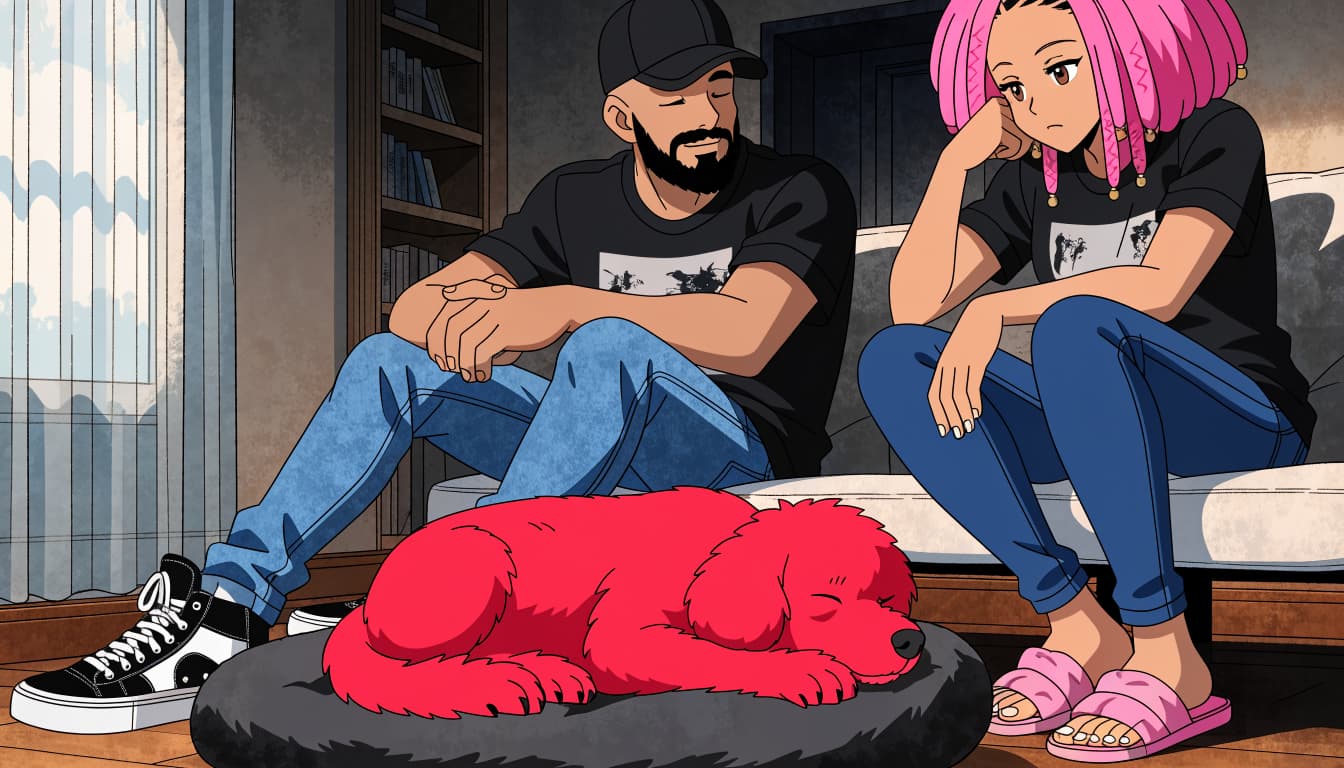
Map out who handles daily care before the dog comes home. Feeding, walks, grooming, and training all take time, so AKC family guidance recommends planning household responsibilities ahead of a puppy's arrival. And yes, the schedule should include the dog's needs, not only the humans' optimism.
What to look for around children and other pets
Introduce children and other animals gradually, with an adult supervising. Teach children to give the dog space while it eats or rests, and to avoid chasing, grabbing, or rough handling. A quiet retreat gives the dog somewhere to settle away from household commotion.
Many Poodles may do well with children, but no breed label guarantees a safe match with every child or pet. The AKC's advice on helping dogs feel comfortable around children emphasizes positive associations. Keep early interactions calm, brief, and appropriate for the dog's comfort.
How to judge the dog in front of you
When possible, meet the dog and ask its breeder, rescue, or caregiver about its behavior, early experiences, and daily routine. Ask how it handles walks, visitors, grooming, alone time, and other animals. Those details are more helpful than trying to predict personality from a photo or coat shade.
If persistent fear, distress, or behavior changes appear, talk with your veterinarian or a qualified reward-based behavior professional. Health can affect behavior, and professional support can help you understand what the dog needs. A good match is about what you can offer and what the dog is comfortable with.
Streetwear & Casual Styling
Dog-walk outfits can stay comfortable without looking like you dressed for a canine obstacle course. Build around one of our Cyber-Brutalist Anime Graphic Tees, then pair it with relaxed jeans or cargos and a simple layer. The graphic gets room to do its thing; the rest of the outfit doesn't need to start a second plotline.

For a sharp, graphic look, try the Scream At Void My Human Understands Tee. If your preferred pet-parent humor leans more internet-chaos, the If They Could Use Internet We'd Be In Trouble Tee fits the bit. Keep the layer simple, wear something you can move in, and let the print carry the visual noise.
Frequently Asked Questions
Are red Standard Poodles more energetic than other Poodles?
Red coloring doesn't establish a different energy level. Your dog's age, health, individual personality, and daily routine are more useful guides. Watch how the dog responds to its usual activity and whether it settles comfortably afterward.
Are red Standard Poodles easy to train?
Poodles are widely described as intelligent, but that doesn't make every training session automatic. Consistent, positive practice helps your dog understand what you're asking and gives you a clearer way to communicate. Keep expectations suited to the individual dog.
Are Standard Poodles good with children?
Many can do well with children, but no breed description guarantees a safe fit with every child. Supervise interactions, teach respectful handling, and give the dog space to rest. Pay attention to the dog's comfort instead of assuming it wants contact.
Does grooming change a Poodle's temperament?
Grooming maintains the coat; it doesn't determine personality. Gentle handling practice can help your dog get more comfortable with brushing and clipping over time. For coat-care guidance, see the AKC's Standard Poodle grooming advice.
Choose the Dog, Not the Color
A red Standard Poodle may share the active, intelligent traits associated with Poodles, but the individual dog is the one you'll live with. Its behavior, history, health, and comfort around your household matter more than a color-based prediction.
Think about the routine you can offer: regular activity, positive training, social experiences, and time to rest. When you judge the dog in front of you, you're choosing a real companion, not a coat shade with a personality preset.