

Remove Ink Stains From a Graphic Tee Without Spreading
TrendReactTees.STORE TeamTo remove ink stains from a graphic tee, blot the mark, put an absorbent layer inside the shirt, and use a cleaner suited to the ink. Rubbing spreads ink, and dryer heat can make a leftover stain much harder to remove.
If your favorite tee carries a loud anime panel or a joke that belongs in the group chat, an ink stain beside its artwork deserves careful treatment. Our Reading Total System Crash Tee and My Waifu Is Pepperoni Chan Tee are the sort of graphic-heavy shirts you want to keep looking sharp.
This post may contain affiliate links. If you make a purchase through these links, I may earn a small commission at no extra cost to you.
Key Takeaways
- Press gently; don't rub. Put a paper towel or light-colored cloth behind the stain to catch ink.
- Test any cleaner on a hidden seam or inside hem before treating the mark.
- Start with water, dish soap, or liquid laundry detergent for water-based ink. Rubbing alcohol is a common next option for ballpoint ink.
- Use stronger solvents cautiously. They can damage delicate or colored garments.
- Keep the shirt out of the dryer until the stain is completely gone.
Stop the Ink Before It Spreads
Blot and Add a Barrier
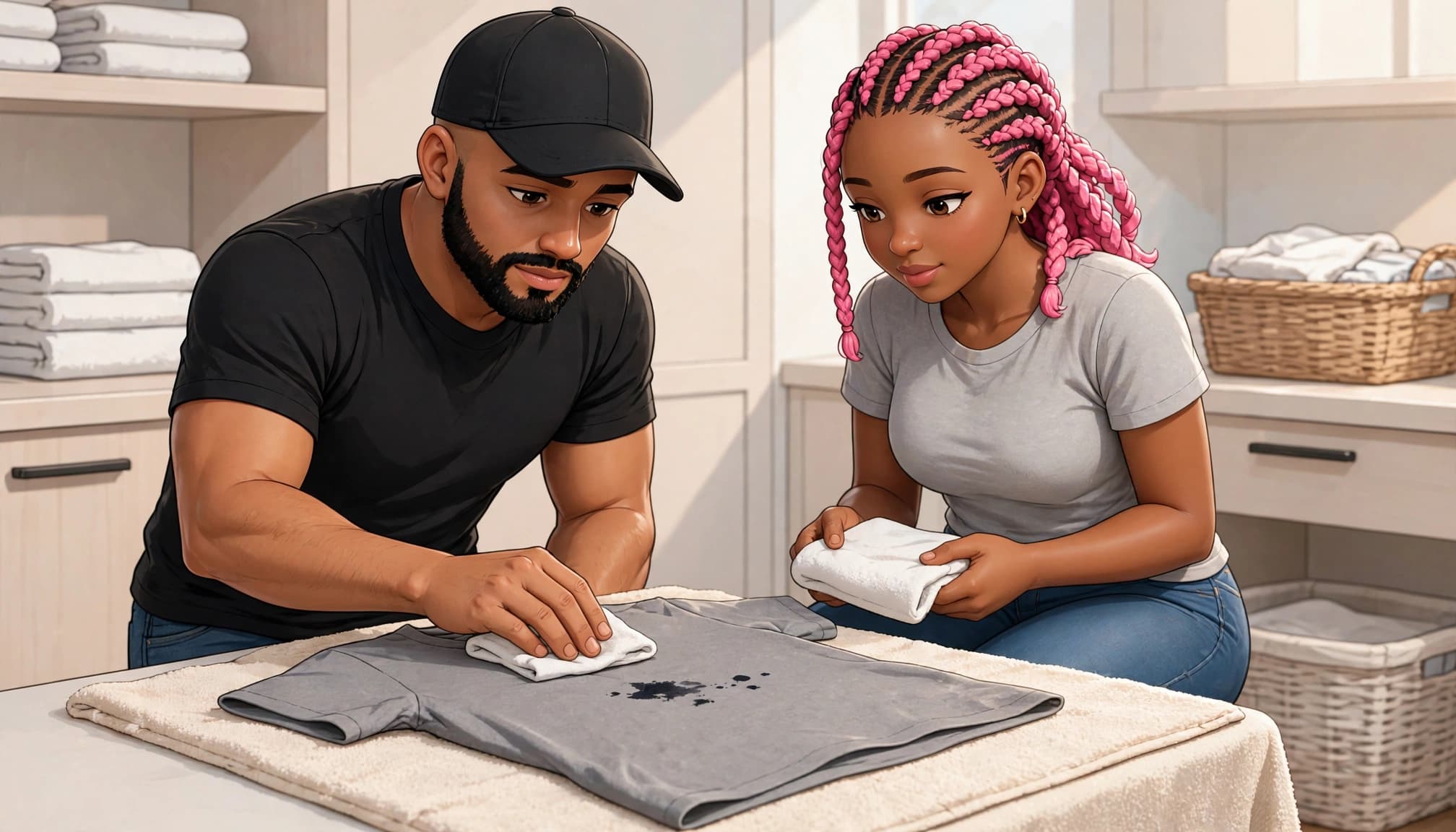
For wet ink, act quickly. Press a clean paper towel or cloth onto the stain to absorb what you can. Press gently; never scrub or rub. Rubbing can push ink deeper into the fibers and enlarge the mark.
Lay the tee flat, then put a paper towel, towel, or light-colored cloth underneath the stained area, inside the garment. That barrier catches ink as it lifts and helps stop it transferring to the back of the shirt. Replace it when it becomes stained.
Test Away From the Print
Read the care label, then test your cleaner on a hidden seam or inside hem. Wait a few minutes and check for fading or dye transfer. This test checks colorfastness and can reveal whether the shirt's dye transfers. A test on the graphic itself isn't a substitute: a cleaner that's safe for the shirt material may still harm a printed design.
Keep treatment focused on the affected garment area. If the ink touches the artwork, use extra-light pressure and avoid scraping across the print with a brush or abrasive sponge. A clean shirt with a damaged graphic is a deeply unnecessary trade.
Treat Water-Based Ink First
Water-based ink is usually the easiest to remove. Fountain-pen ink, washable markers, many gel pens, and some t-shirt printing inks fall into this broad category. If you know the mark is water-soluble, start with the mildest option instead of reaching for a strong solvent.
Dab the spot with water. If the mark remains, apply a small amount of dish soap or liquid laundry detergent and leave it for a few minutes. Rinse the fabric, then blot again with a clean cloth. The University of Illinois Extension's washable-ink guidance also describes using dishwashing detergent as part of ink treatment.
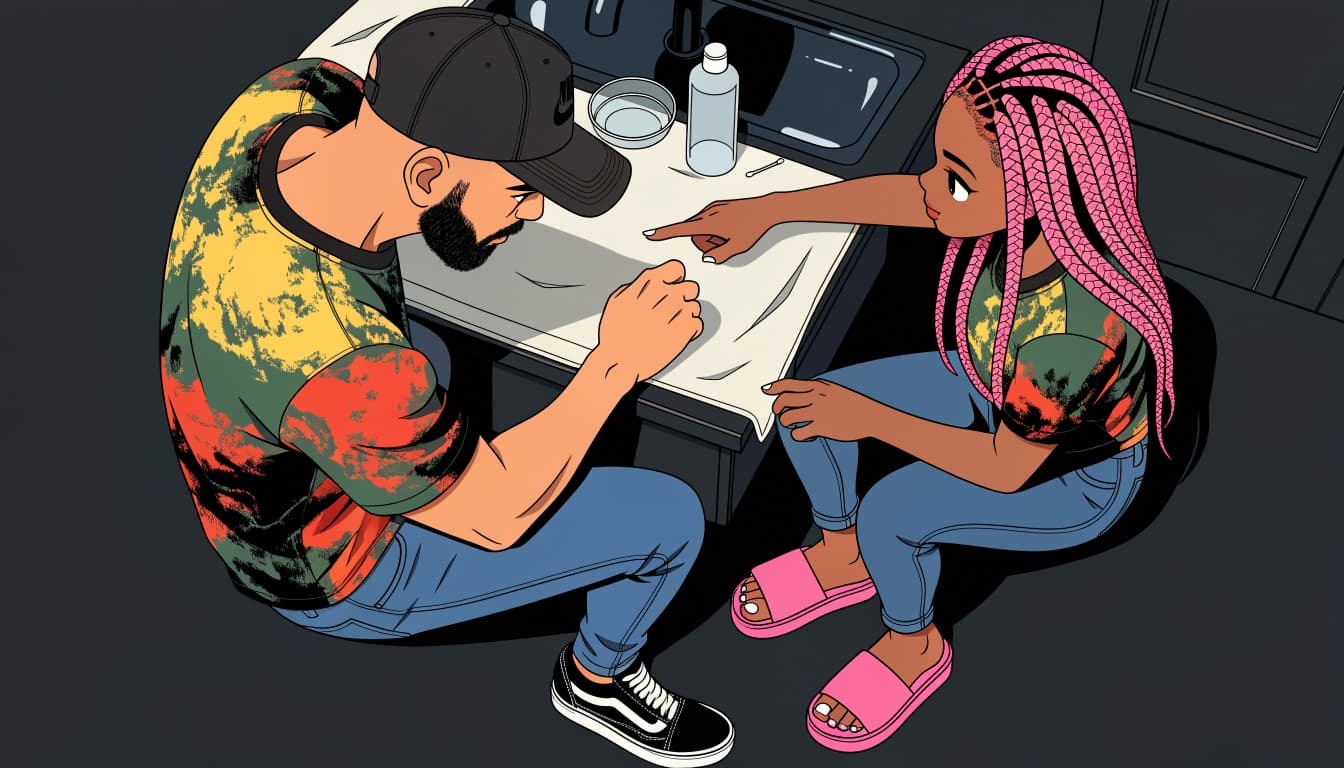
Use only enough liquid to work on the mark. Flooding the shirt can carry ink outward, which is exactly the side quest you don't need. If the stain doesn't lift with a mild approach, move on to the treatment for ballpoint ink.
Lift Ballpoint Ink With Rubbing Alcohol
Many ballpoint pens use oil-based ink, so water alone may not do much. Act quickly if the mark is fresh. After testing the alcohol on a hidden area, place a clean paper towel or cloth behind the stain. Apply rubbing alcohol to a cotton ball, then press it firmly against the mark. Keep the pressure controlled and lift the cotton ball straight up rather than dragging it across the fabric.
Repeat with a clean cotton ball as ink transfers. Keep going until no more ink comes off on the cotton. Replace the barrier underneath if it becomes saturated, and rinse the treated area when the transfer slows. Apartment Therapy's ink-removal method test found that isopropyl alcohol worked well for lifting ink; acetone-based nail polish remover also performed well, with more risk to delicate or dyed garments.
If rubbing alcohol isn't available, alcohol-based hand sanitizer may help as a cautious backup, but it isn't a guaranteed substitute. Test it on a hidden area, use it sparingly, keep it away from the graphic, and rinse thoroughly to prevent residue.

Treat Permanent Ink With Caution
Try Alcohol Before a Stronger Solvent
Permanent ink tends to be more stubborn than water-based ink. Start with the rubbing-alcohol method, after testing it on a hidden seam. Keep the absorbent cloth behind the stain and work in small, careful presses. If the ink continues to transfer, refresh the cotton ball and the barrier rather than rubbing harder.
A plant-based stain remover can follow the spot treatment. Apply it as directed and let it sit for 10 to 15 minutes, or for the time listed on its label. Seventh Generation's ink-removal instructions recommend treating the area before washing.
Treat Acetone as a Last Resort
This solvent can lift ink, but it carries more risk for dyed or delicate material. It may affect dyes, fibers, or nearby artwork. Don't use it on the graphic itself, and don't assume a successful hidden-seam test means every part of the tee will react the same way.
For a valuable, delicate, or vintage shirt, stop before escalating to harsher solvents. Repeating a gentle treatment is safer than dousing the print in a chemical mystery potion.
Wash Only After Treatment
Pre-Treat, Then Wash
Once the ink stops transferring, apply a garment-safe stain remover if needed. Follow the product directions, including the waiting time, then wash according to the garment's care label. Washing in cold water can reduce energy use, and it's a sensible choice for a graphic tee; keep the treatment stain-specific rather than relying on a hot wash to do the work.
Turn the tee inside out before machine washing. This reduces friction against the print, especially if the design has bold ink, glitter, or a raised texture. Use mild detergent and avoid applying a harsh stain stick directly to the artwork unless its label says it's suitable for printed fabric. Our guide to washing printed shirts without damaging the design covers the rest of the laundry routine.
Inspect Before Drying
Check the mark in good light while the shirt is still damp. If you can see ink, repeat the appropriate treatment and wash again. Do not machine-dry the tee until the mark is completely gone. Heat can set remaining ink and make another treatment less effective.
The University of Nebraska-Lincoln Extension's stain-removal guidance cautions against drying an item before confirming the stain is removed. Air-drying also puts less heat stress on the graphic. For more print-friendly washing ideas, see our tips for washing graphic tees without fading the print.
Why Ink Stains Can Be Stubborn
Ink can contain pigments or dyes, along with solvents and lubricants that help it flow and adhere. Those ingredients vary by pen and marker, so one cleaner won't suit every ink. Water-based inks often loosen with mild washing, while ballpoint and permanent inks can cling more stubbornly to fabric.
Ink stains are generally classed as inorganic stains, which are harder to remove than organic stains such as fruit juice or food. The label doesn't tell you exactly which solvent to grab, but stain removal depends on the pen's ingredients. A small, patient treatment can work better than an aggressive scrub.
Frequently Asked Questions
Can Pen Ink Permanently Stain Clothes?
It can, especially if the ink dries or the shirt is machine-dried before treatment. A fresh mark is easier to tackle, but no home method can guarantee that every ink and fabric combination will come clean.
What If the Ink Has Already Dried?
For an older ink stain, start with the same basics: test a hidden area, place an absorbent cloth behind the mark, and dab with the cleaner suited to the ink type. Dried ink may take several rounds to get ink out of clothes, and some old stains won't fully lift. Keep the tee away from machine drying while any mark remains.
Is Acetone Safe on Colored or Delicate Tees?
It can damage or discolor some fabrics and prints, so it's a higher-risk choice. Test it on a hidden seam first, keep it away from the graphic, and stop if the fabric or dye changes.
Why Does the Dryer Make Ink Harder to Remove?
Heat can set stain residue into fabric fibers. Drying a shirt while ink remains can make later treatment less effective, so inspect the mark before drying.
Streetwear & Casual Styling
Once the shirt is clean and fully dry, style the graphic rather than hiding it under a complicated outfit. A relaxed tee, straight-leg jeans, and simple skate shoes let the artwork take center stage. For a sharper cyber-brutalist anime look, use a dark overshirt or jacket as a frame, then keep the rest of the fit uncluttered.
Our Reading Total System Crash Tee and Best Friend Share Single Brain Cell Tee bring that graphic-first energy. Let the tee carry the joke or visual punch; your accessories don't need to start a competing subplot.

Keep the Graphic and the Tee in the Game
Blot first, contain the transfer, and match the cleaner to the ink. Give water-based marks a mild start; use rubbing alcohol carefully for ballpoint ink, and treat strong solvents as a risky last option.
The final rule is simple: no machine drying until the ink is gone. Your tee can return to the rotation without the stain getting a permanent cameo.