

How to Choose a Rifle Cover for Backpacking
TrendReactTees.STORE TeamHow can you cover and carry a rifle on a backpacking trip without adding needless bulk or risking damage? A rifle cover for backpacking should fit your rifle and optic, work with your pack, and suit the weather. It does not replace secure handling, and the right choice depends on your gear and the rules where you're going.
For camp or after the trail, our Nature Is My Wifi tee and Leave No Trace tee bring a little personality to the off-trail rotation. On the hike, focus on fit, retention, and lawful transport. Start by knowing what each carry option can actually do.
This post may contain affiliate links. If you make a purchase through these links, I may earn a small commission at no extra cost to you.
Key Takeaways
- A sleeve covers a rifle, but does not secure it to a pack or provide hard-case impact protection.
- Measure the rifle with its optic and accessories, then compare those dimensions with the cover's opening and length.
- Compare the weight and compatibility of the entire carry system, not only the scabbard.
- Follow the rules for the state, land manager, and route you're using.
- Test fit, retention, balance, and movement with a loaded pack before leaving.
What a Rifle Cover for Backpacking Can and Cannot Do
A cover can reduce exposure to dust, light moisture, and scratches during transport. The three common choices are a soft sleeve, a pack scabbard, and a hard case. They differ in how they carry the rifle and how much protection they provide.
A cover alone does not lock a rifle in place on a backpack. Secure attachment and retention depend on the pack and carry system. A sleeve also isn't a rigid impact barrier, so don't treat it like a hard case.
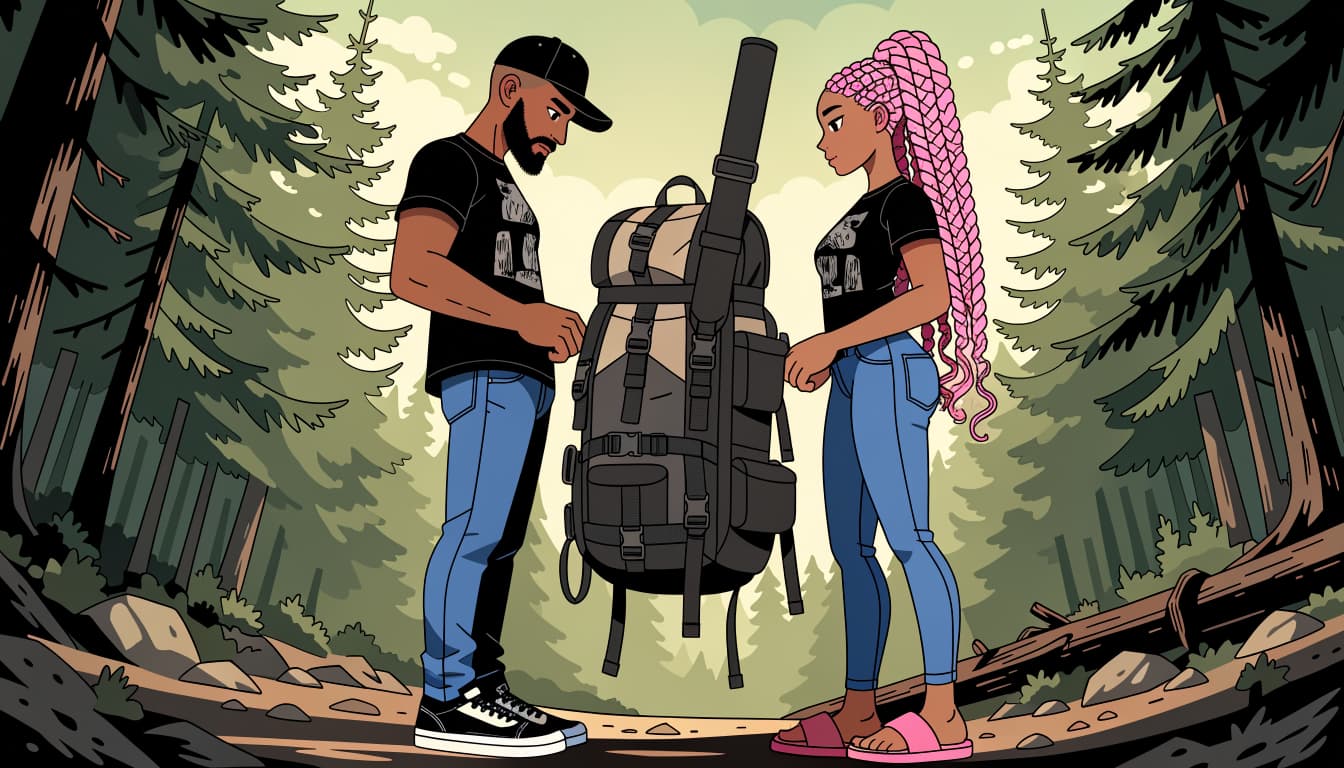
Choose Between a Sleeve, Pack Scabbard, and Hard Case
A soft sleeve is a straightforward choice for basic coverage or separate storage. It can be easy to carry when it's not attached to the pack, but the sleeve's presence doesn't stop a rifle from shifting if the pack has no suitable retention system.
A pack scabbard carries the rifle on a compatible backpack. It can keep the rifle accessible, but it adds bulk and must attach securely to that specific pack. A hard case offers a more rigid barrier against knocks, but its weight and shape can be awkward on a hiking pack. The route and transport needs matter as much as the case type.
Know What Weather and Impact Protection You Need
Rain protection depends on the fabric, seams, closures, and construction. Padding can soften some bumps, while a rigid shell offers a different level of impact protection. Neither feature automatically makes a cover waterproof or suitable for every kind of rough handling.
Check the maker's stated features and use precise terms. If a product lists water resistance, don't upgrade that claim to waterproof. For wet conditions, choose protection that matches the stated performance and keep the rifle secured as required.
Choose a Backpack Rifle Cover That Fits Your Rifle and Pack
A product name or a rough estimate won't tell you whether the rifle will fit. Measure the full setup, including the optic and anything that protrudes, then compare it with the maker's dimensions. Check the cover's opening, too. A rifle that fits its listed length may still be awkward to insert or remove if the opening is too narrow.
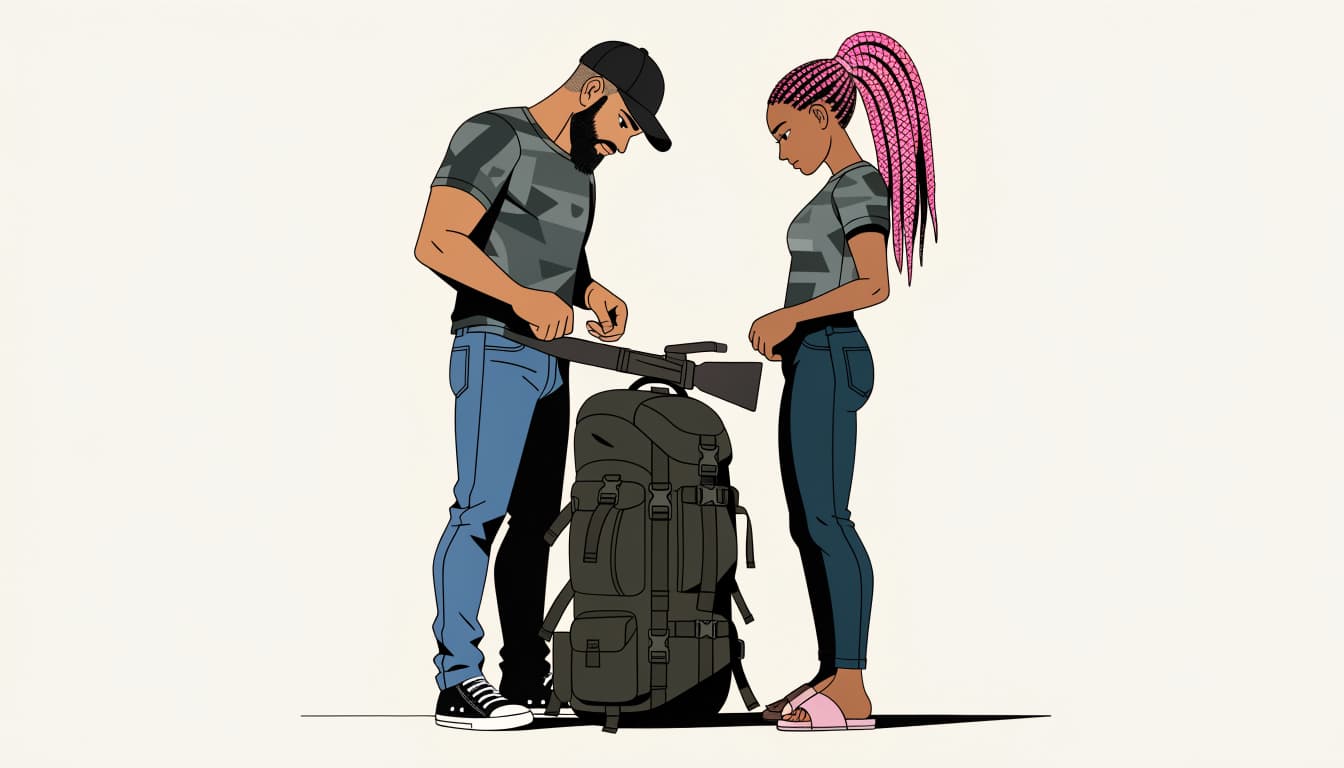
Measure the Rifle, Scope, and Protruding Parts
Start with the rifle's overall length. Then measure its height with the optic mounted, the objective bell's width, and the space needed for turrets or other accessories. Use the largest dimensions that affect how the rifle enters and sits inside the cover.
Compare those measurements with the published length and opening size. Leave enough clearance to put the rifle in and take it out without striking or pressing against the optic. Forcing a close fit can stress the scope or make removal awkward, which defeats the purpose of protective coverage.
Check Pack Fit, Retention, and Movement
Confirm that the scabbard is designed to work with your pack, and that its straps or attachment points hold the rifle without shifting. Pay attention to balance, access, and where the rifle sits relative to your body. A fit that looks tidy in a gear photo still needs to work when the pack is loaded.
Walk around on safe ground with the complete setup. Check for snags, rubbing, restricted head or arm movement, and interference with trekking poles. If the rifle shifts or catches during a short test, fix the setup at home rather than improvising on the trail.
Compare Backpack Scabbards by Weight and Carry Style
Published specifications help you narrow down options, but they don't guarantee a fit. Eberlestock's Bolt Action Scabbard is listed at 1 lb 5 oz, with dimensions of 34 × 7 × 3 inches and a 20-inch circumference opening. Those numbers give you a starting point for comparison, not a promise that your rifle and optic will fit.
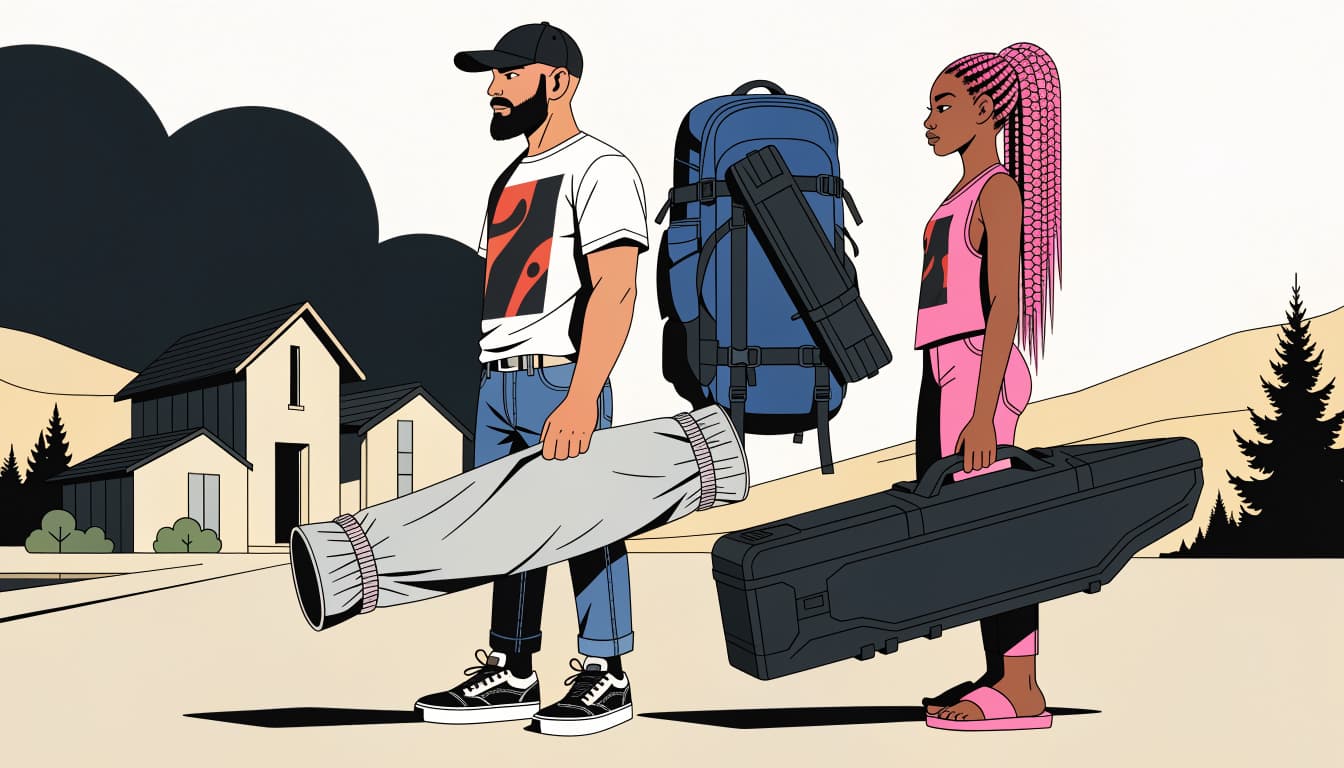
Use Published Dimensions as a Starting Point
For a larger system, Eberlestock lists the Prowl at 5 lb 12 oz. The Gunslinger II is listed at 6 lb 8 oz. Those weights show why comparing a scabbard by itself with a pack system can give you a misleading picture of what you'll carry.
Product models and specifications can change. Use current maker-published information, then compare the scabbard's dimensions and opening with your own rifle setup. A listed length that seems generous won't solve a tight opening or optic-clearance problem.
Compare the Whole Load, Not Just the Cover
A light scabbard may need a separate compatible pack, and that pack adds weight. An integrated system includes more of the carry setup, but can weigh several pounds before you add food, water, shelter, and the rest of your gear.
Compare the total system: pack, scabbard, cover, and any extra protective pieces. Then consider fit and comfort alongside weight. A lighter cover isn't a bargain if it leaves the rifle poorly secured, and a heavier system may be unnecessary for your route.
Carry and Transport Your Rifle Safely and Legally
A cover is a gear choice. The rules for transporting and carrying a rifle are a separate question, and they vary by state, location, and land manager. Plan around the current state wildlife regulations and the rules for the specific park, forest, or other land on your route.

Handle and Stow the Rifle With Care
A sleeve or scabbard doesn't make unsafe handling safe. Follow applicable unloaded-carry requirements, and know the rifle's condition before stowing or removing it. Secure the setup so it can't shift or snag during ordinary movement.
Keep handling deliberate and consistent with the rules that apply to your trip. If a cover makes it hard to control or safely stow the rifle, it's the wrong setup, regardless of how convenient it looks on the pack.
Check Rules for Roads, Parks, Forests, and Hunting Areas
National Park Service guidance says that firearm possession in national parks is generally governed by applicable state law. That does not override other restrictions, including rules that apply to people who may not legally possess a firearm. NPS also notes that firearms are generally prohibited in certain federal facilities. See the National Park Service firearms FAQ and its guidance on firearms in federal facilities.
National Forest land is not the same as a National Park unit, and park rules shouldn't be assumed to apply there. Requirements can also differ for roads, hunting areas, seasons, and other land uses. The relevant state wildlife agency and land manager set the rules for your route.
Test Your Rifle Cover Before You Leave
A quick home test can catch problems before they become trail problems. Use the same pack, cover, rifle setup, and load you plan to carry. Check the closure and retention, then see whether the full arrangement stays balanced when you move.
Run a Loaded-Pack Fit and Movement Check
Practice inserting and removing the rifle carefully. Watch for contact with the optic, resistance at the opening, or places where the setup catches on straps. Then walk with the pack loaded. Notice any shifting, rubbing, discomfort, or limits on normal movement.
Make adjustments before departure. Changing attachment points or removing unnecessary gear is easier at home than on a trail with a full pack and changing weather.
Keep Your Gear and Plans Ready for Changing Conditions
Check the forecast and choose a cover suited to the expected rain and handling. Don't assume that extra padding means rain protection, or that a water-resistant fabric can stand in for a sealed case.
Keep accessories useful and easy to carry. Every extra item adds weight and another thing to keep track of. Balance the rifle system against the rest of your backpacking load so the carry setup remains manageable.
Streetwear & Casual Styling
A graphic tee is a camp or after-the-trip choice, not a replacement for weather-ready layers or careful firearm handling. For an off-trail look, our Cyber-Brutalist Anime Graphic Tees pair naturally with jeans and a light layer. Keep the practical gear doing the practical work, then let your outfit show your fandom.
For a nature-minded camp fit, try our Nature Is My Therapist tee or the Nature Is My Only Group Chat tee. The trail kit gets the safety checklist. The tee gets the personality points.
Frequently Asked Questions
Can You Carry a Rifle in a Backpack Scabbard?
That depends on local law, land rules, the pack and scabbard design, and safe handling. A scabbard doesn't make a carry lawful if it would otherwise violate a rule.
Is a Soft Rifle Sleeve Enough for Rain?
Protection varies with the material and construction. Check the maker's stated weather protection rather than assuming every sleeve blocks rain.
Will a Rifle Cover Fit a Scope?
Compare the rifle's full dimensions, including the optic and turrets, with the cover's length and opening. There should be room to insert and remove the rifle without pressing against the optic.
Should You Use a Hard Case for Backpacking?
A hard case can provide more rigid protection, but it may be too heavy or bulky to carry on a backpacking pack. The right choice depends on your route, transport needs, and pack setup.
Conclusion
The right cover fits your rifle and optic, attaches securely to your pack, and offers the protection you need without adding needless weight. The total carry system matters, as do the rules for the land and route you'll use.
Test the complete setup before departure. Safe, comfortable carry beats choosing a cover for looks alone.