

River Outfits: What to Wear for Your Day on the Water
Your best river outfit depends on your plans, the air and water temperatures, and how much sun you'll face. Practical river outfits start with comfort and safety, because your favorite tee has zero authority over the current.
You need different clothes for tubing, rafting, swimming, fishing, and hanging out on a dry bank. Looking good is welcome, but staying warm, protecting your feet, and wearing the right safety equipment come first.
Start with your activity, then build an outfit that can handle splashes, sunshine, and the ride home without becoming a soggy side quest.
Key Takeaways
- Match your clothes to the activity, water temperature, weather, and time you'll spend outside.
- Choose quick-drying fabrics and secure footwear; save cotton tees and loose flip-flops for dry downtime.
- Wear a properly fitted PFD for rafting, and follow your outfitter's equipment rules.
- Pack sun protection, weather-appropriate layers, and a protected change of clothes for afterward.
- Keep your anime graphic tee dry so your post-river outfit doesn't arrive pre-soaked.
The Canadian Red Cross's rafting safety video is a useful reminder before you pack.
River Outfits for Tubing, Rafting, Swimming, and Fishing
Your outfit should match your time in the water, current, weather, and trip length. A shaded float and cold whitewater need different gear.
What to wear for tubing or a relaxed float
Start with a swimsuit, quick-dry shorts, and a rash guard or lightweight synthetic shirt. Add water shoes or heel-strapped sandals that stay attached.
A hat, strapped sunglasses, and sunscreen belong in your setup. Wear a PFD as required by local rules and your operator; your tube isn't safety equipment.
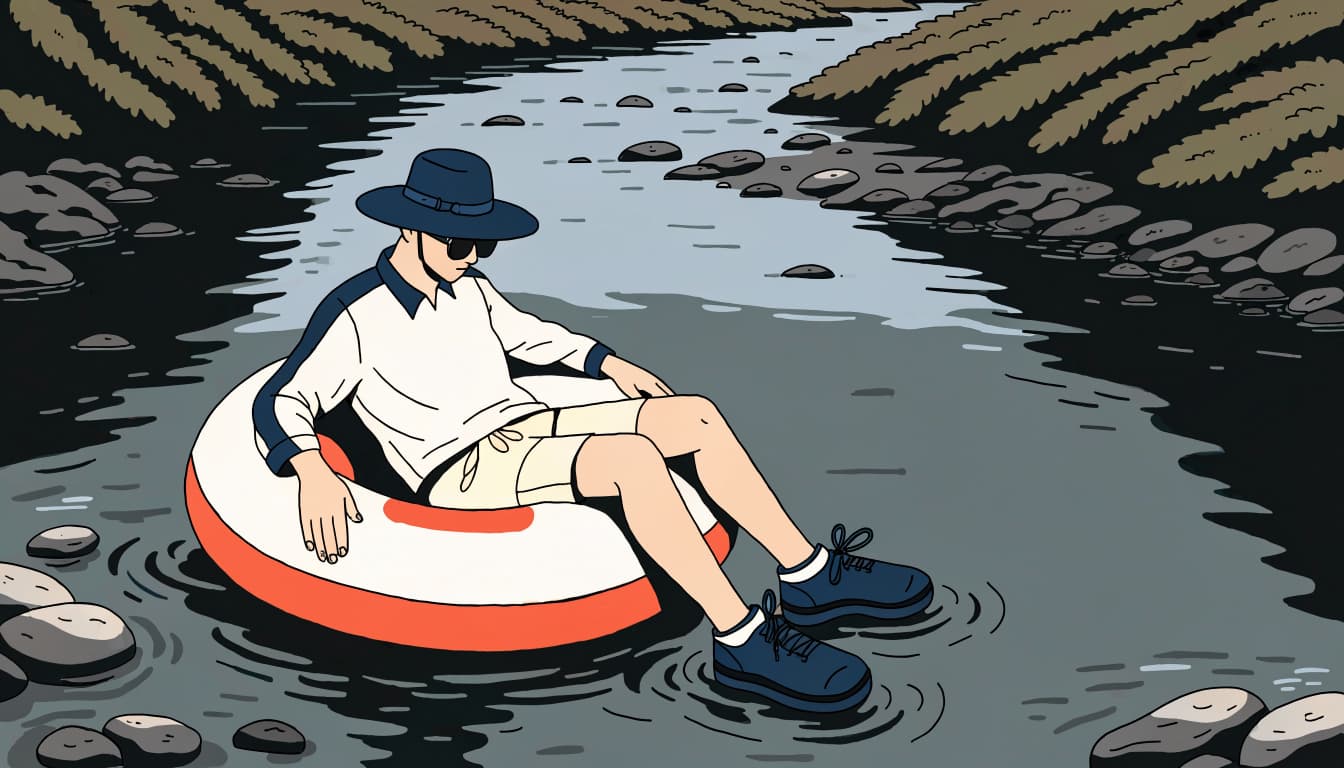
Pack a dry or warm layer for the ride back. Loose flip-flops can escape, while cotton can stay wet and feel cold.
How to dress for whitewater rafting
Wear swimwear or a quick-dry base layer, secure shoes, and layers suited to the conditions. Your PFD needs to fit snugly and stay fastened.
Confirm helmet requirements and supplied equipment with your outfitter. For cold water or cool weather, ask whether you'll need a wetsuit or dry suit.
REI's whitewater rafting clothing guide recommends a wetsuit or dry suit and booties below 70°F. Follow your outfitter's trip-specific guidance.
What works for river swimming or fishing
For swimming, choose swimwear, a quick-dry cover-up, sun protection, and footwear that stays on. Use designated swimming areas and follow local water-safety guidance.
For fishing, wear comfortable quick-dry layers and a sun-covering shirt. Choose shoes for the bank or boat: rocky access points and wet decks demand attention.
These are clothing suggestions, not a replacement for fishing equipment or local safety rules. Looking like an outdoors anime protagonist doesn't grant river expertise.
Choose River Clothes That Dry Fast and Stay Put
Good river outfits work when wet. Check the fabric, fit, and fastenings before you commit to several hours of splashes.
Pick fabrics that work when they get wet
Polyester and nylon usually dry faster than cotton. Merino wool can work for appropriate base layers, especially when you need warmth.
A rash guard or long-sleeved sun shirt adds coverage and can reduce rubbing beneath a life jacket. Check that seams and bunching fabric don't irritate your skin.
Fleece can provide warmth in cooler conditions. Avoid assuming a thick cotton hoodie will do the same job once soaked.
Wear shoes that will not float away
Water shoes offer coverage without much bulk. Old sneakers can work if your operator allows them, but they may stay wet longer.
Heel-strapped sandals are another option when permitted. Check their fit and sole grip before departure.
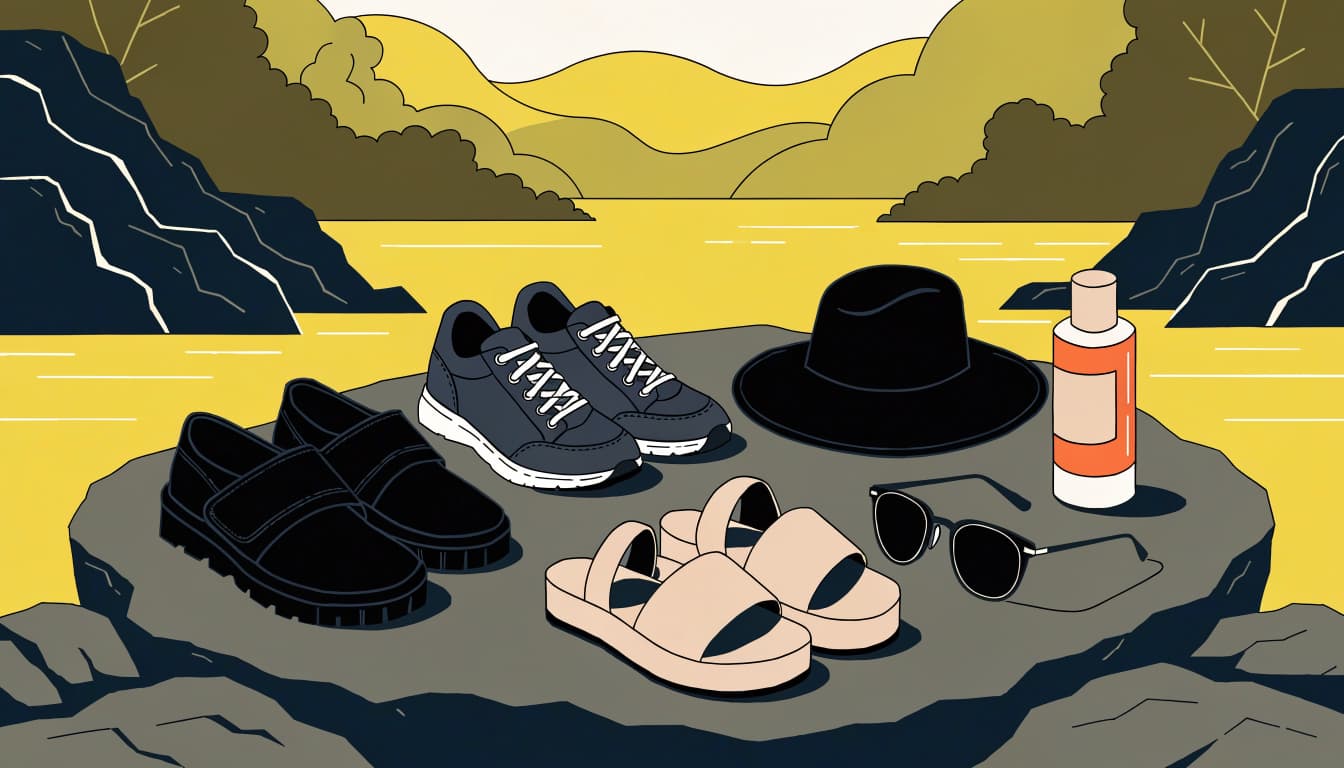
Bare feet offer little protection around sharp rocks. Loose flip-flops can shift or come off on slippery banks and in moving water. Your footwear should survive more than the parking lot.
Cover up from sun and pack for changing weather
Bring a hat, sunglasses with a retention strap, and broad-spectrum, water-resistant sunscreen. Reapply according to the label, including after swimming or towel drying.
For cool or changing weather, pack a protected dry layer. Add synthetic or merino base layers, fleece, or rain protection as conditions require.
Before leaving, check four things:
- Your shoes stay secure when you walk.
- Your clothing allows comfortable movement.
- Your sun protection is packed and accessible.
- Your dry clothes are protected from water.
Adjust Your Outfit to Water Temperature and Trip Conditions
Air temperature alone can't tell you whether the river is warm enough for light clothing. A hot afternoon can coincide with cold water.
Check local conditions and your outfitter's requirements. Longer trips also mean more exposure to sun, wind, and changing weather.
Build a simple warm-weather outfit
For a warm-weather trip where water conditions allow light clothing, start with swimwear or quick-dry shorts. Add a synthetic shirt or rash guard.
Finish with secure river shoes, a hat, strapped sunglasses, and sunscreen. Pick a comfortable fit that won't bunch beneath your PFD or restrict movement.
Bring a dry top anyway. After hours of splashes, shade and wind can make the return trip feel cooler than expected. Your outfit needs to work beyond the noon forecast.
Add layers when the water or weather is cold
A synthetic or merino base layer, fleece midlayer, and rain shell can help with cool air and wind. Cold-water exposure may require dedicated immersion protection.
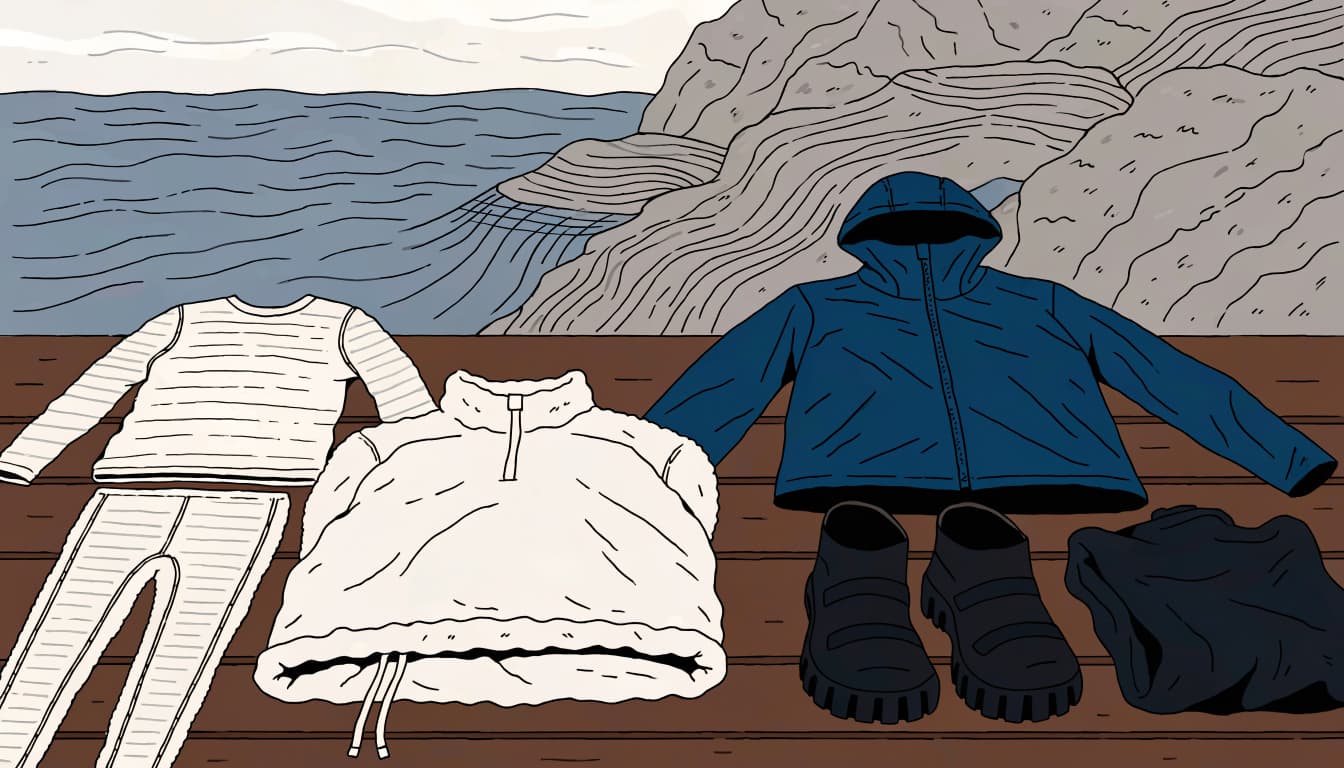
REI's kayaking layering guide advises a wetsuit or dry suit at 70°F or cooler, with exceptions for mild, protected conditions. Its rafting advice uses below 70°F.
Treat that temperature as a planning cue, not a universal safety cutoff. Your outfitter should assess the full conditions.
A rain shell blocks wind and rain; it doesn't replace the immersion protection of an appropriate wetsuit or dry suit.
Check the River Before You Pack
Your river outfits need to match the actual trip, not the weather app's most flattering screenshot. Read your booking instructions before assembling anything.
Ask what the operator supplies, what you must bring, and whether footwear restrictions apply. Confirm helmet and PFD requirements rather than assuming they'll match your last trip.
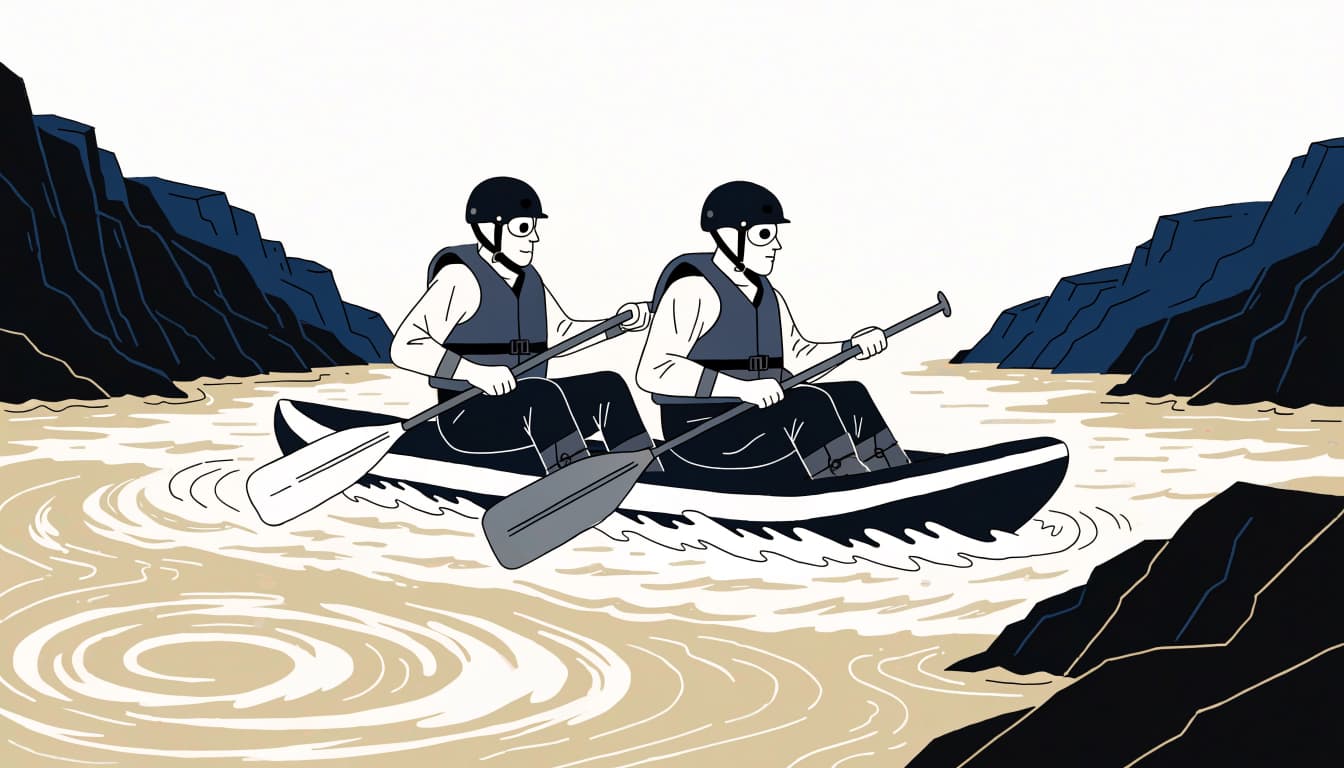
Try your clothes together before departure. Sit down, bend your knees, and raise your arms. Waistbands shouldn't dig in, and sleeves shouldn't limit movement.
Check where your dry bag will go. A bag left in your vehicle needs no river access, while anything carried aboard must follow the operator's storage instructions.
Leave unnecessary jewelry and valuables behind. Keep accessories simple, and ask about loose straps around equipment.
Finally, follow closures and local water-safety guidance. Clothing can't make unsuitable conditions safe. If your guide changes the plan, your outfit gets no veto power.
Streetwear & Casual Styling
Once you're dry and off the water, your clothes can focus on self-expression. A cotton graphic tee belongs here, away from splash duty.
Switch from water-ready gear to a dry casual fit
Keep a clean tee, dry bottoms, and comfortable shoes in a sealed bag or your vehicle. Change before the riverside hangout or ride home.
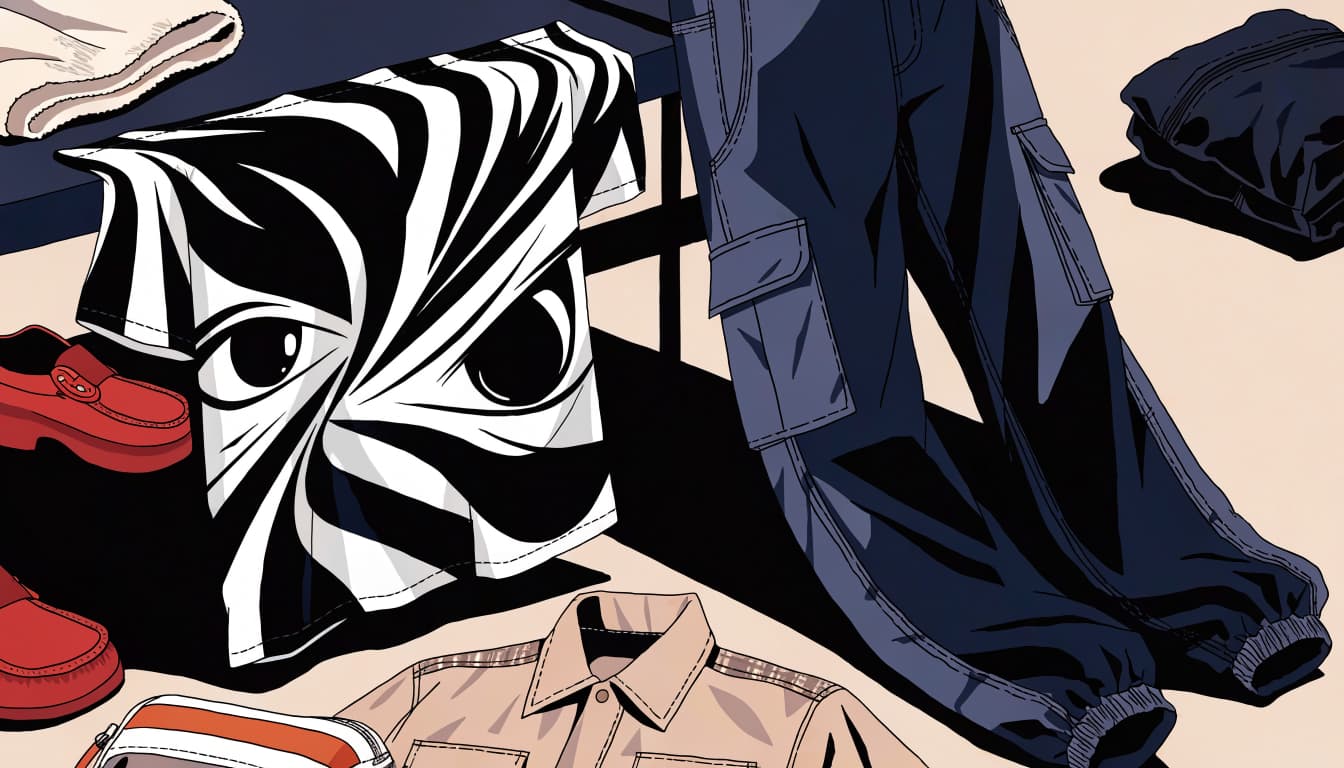
Cyber-Brutalist Anime Graphic Tees work as the focal point of your dry outfit. Pair bold artwork with relaxed cargos for a casual streetwear silhouette.
Keep your wet gear separate. Your clean shirt deserves better than sharing a bag with river-soaked shoes and their expanding lore.
Build the outfit around the graphic
Dark-wash denim gives a loud anime print a calmer background. A light overshirt adds coverage without hiding the artwork.
Choose simpler supporting pieces when the graphic is busy. Black sneakers, muted cargos, and one outer layer leave room for the design.
For more combinations, these graphic tee outfit ideas cover proportion and layering. If you choose olive cargos, use these shirt colors for green pants to keep the palette coherent.
Your fandom gets the spotlight. Every garment doesn't need its own boss battle.
Frequently Asked Questions
Can you wear cotton to the river?
You can wear cotton for dry downtime, but it dries slowly after getting wet. That can leave you uncomfortable in cool or windy conditions. Choose quick-dry layers for time in or near the water, and keep your cotton tee protected until afterward.
Are flip-flops okay for a river trip?
Flip-flops can come off and offer limited protection on rocky or slippery ground. Choose secure water shoes, old sneakers, or heel-strapped sandals, subject to your outfitter's rules. Check that older shoes still have intact soles and reliable fastenings before packing them.
What should you bring to change into after rafting?
Pack dry clothes, a towel, and a warm layer if the weather could cool down. Protect the clothes in a sealed bag or leave them in your vehicle. Bring a separate bag for wet items so they don't soak your clean outfit.
Do you need a life jacket on a river?
For rafting, a properly fitted PFD is essential and should be worn as directed by your outfitter. Follow local rules for your activity, including tubing or boating. Clothing, swimming ability, and inflatable recreational gear aren't substitutes for required safety equipment.
Pack for the Water, Then Dress for Afterward
Match your outfit to the activity, favor quick-drying clothes, and choose footwear that stays attached. Plan for sun, cold water, and changing weather rather than trusting warm air alone.
Follow your guide's equipment rules and keep safety gear separate from style decisions. Pack a protected dry outfit for afterward, when cargos and your anime tee can have their moment.
Your best river look gets you through the trip comfortably and arrives home with every shoe accounted for.