

Rupi Kaur Love Poems: Themes and Where to Start
TrendReactTees.STORE TeamRupi Kaur's love poems explore tenderness, heartbreak, self-worth, and healing in clear, spare language. They make room for the sweet parts of connection and the moments when you need to rethink what love asks of you.
If you're choosing a collection, the best place to start depends on your reading mood. You might want a book about heartbreak, a wider look at belonging, or a quieter conversation with yourself.
And if love is also your preferred outfit theme, our Free Love Cyberpunk Tee and Love Is My Glitch Tee bring two different moods to the mix. First, let's find your poetry match.
This post may contain affiliate links. If you make a purchase through these links, I may earn a small commission at no extra cost to you.
Key Takeaways
- Kaur's love poetry includes tenderness and closeness alongside heartbreak, boundaries, and self-respect.
- milk and honey organizes its poems into four sections that move through hurt, love, breaking, and healing.
- the sun and her flowers widens the view to include growth, roots, and belonging.
- Choose home body if you want a more inward-looking collection about acceptance, care, and change.
- Short lines and drawings shape the reading experience, but each poem deserves its own attention.
What Rupi Kaur love poems reveal about love and healing
Kaur's poetry gives you more than one way to think about love. You can find the excitement of feeling close to someone, the ache of losing that connection, and the slow work of understanding what you need.
Love as tenderness, trust, and being seen
Some poems focus on the feeling of being welcomed as you are. You may recognize the relief of being understood, the openness that comes with trust, or the pleasure of giving affection without hiding it.
Kaur often gives those feelings room through familiar language and images. You don't need a poetry decoder ring to enter the conversation.
That directness also leaves space for your own associations. A poem about closeness might remind you of a partner, a friendship, or a moment when someone made you feel less alone. Your reading can be personal without turning every poem into the same story.
Heartbreak, boundaries, and choosing yourself
Other poems sit with loss, disappointment, or relationships that cause harm. In those pieces, love isn't always a safe place, and wanting someone's care doesn't automatically make a relationship healthy.
You may find yourself thinking about the difference between holding on and honoring your own needs. Self-respect can mean recognizing hurt, setting a boundary, or giving yourself time to recover.
The wider work also addresses painful experiences beyond romance. The publisher's description of milk and honey includes violence, abuse, and femininity alongside love and loss. Healing is part of the picture, but you don't have to treat it like a timed mission with a victory screen.
How love appears across Rupi Kaur's poetry collections
Each collection offers a different entry point. Their themes overlap, but their structures give you different ways to move through them.
Milk and Honey moves from hurt toward healing
Kaur self-published milk and honey in 2014. Its four sections are "the hurting," "the loving," "the breaking," and "the healing."
That arrangement gives you a clear path through different emotional experiences. Love and heartbreak appear within a larger collection concerned with pain, relationships, and recovery.
The sections aren't a promise that every experience fits a neat timeline. They do make the book approachable if you like a collection with a visible structure. You can notice how the feeling changes as you move between chapters, rather than treating one poem as the whole story.
The Sun and Her Flowers connects love with growth and belonging
Published in 2017, the sun and her flowers has five parts: "wilting," "falling," "rooting," "rising," and "blooming." The plant imagery gives the collection a different shape and makes growth a recurring point of reference.
Here, love sits alongside questions of ancestry, migration, roots, and home. If milk and honey draws you toward the movement between hurt and healing, this collection offers a wider view of where belonging comes from.
It's a useful choice when you want to read about connection beyond one romantic relationship. Family, identity, and the idea of finding a home within yourself share space with love in its different forms.
Home Body turns inward toward acceptance and care
In home body, published in 2020, the focus becomes more reflective. The collection considers the past, the present, and the possibilities of the self, alongside love, acceptance, family, community, and change.
You might reach for it when you want a quieter reading session centered on your relationship with yourself. That inward focus doesn't erase other people. It makes room to consider how your surroundings and relationships shape the care you give and receive.
What makes her love poetry feel direct and memorable
Kaur's style is easy to recognize on a page, but the effect depends on the poem and the reader. Pay attention to the choices in front of you, then decide what they do for you.

Short lines and plain words leave room for emotion
Short lines can make you pause before the next thought arrives. Plain words can bring a feeling close without asking you to work through layers of unfamiliar language.
You may also notice lowercase letters and generous space around the text. On a quick scroll, a poem can look almost effortless. On a second read, the placement of a word or pause may change where you put the emphasis.
That doesn't mean every short poem will land for you. Read one aloud or revisit it later. You get to decide whether its directness feels revealing, too brief, or somewhere in between.
Drawings and page design add another layer
Kaur's books include simple line drawings, and she has an active role in the visual presentation of her work. She wrote, illustrated, and designed milk and honey, and illustrated home body.
A drawing can set a mood or give you another image to consider as you read. The space around it matters, too. Notice whether your eye moves first to the words or the illustration, then consider how the two feel together.
Hear Kaur reflect on writing from love
For another perspective, watch Lewis Howes's 2017 interview, "Rupi Kaur on Love and Pain, Suffering and Joy with Lewis Howes." Kaur discusses writing about love as well as pain, giving you context for the emotions you encounter in her work.
How to choose a Rupi Kaur collection for your mood
You don't need to read the books in publication order. Choose the one that matches the kind of company you want from a reading session.
Start with the theme you want to sit with
Pick milk and honey if you want a structured route through love, hurt, and healing. Its four-chapter format gives you distinct sections to return to as your mood changes.
Try the sun and her flowers if you're drawn to growth, roots, and the many forms belonging can take. Its five-part structure makes it a good companion when you're thinking about relationships and identity together.
Reach for home body when you want to spend more time with self-acceptance and care. These are starting points, not personality tests. You're allowed to pick a book because its title catches your eye and see where it takes you.
Read a short poem slowly and notice its choices
Give a poem more than the time it takes to scroll past it. Notice which words carry the feeling, where a line ends, and what image stays with you after the final pause.
Then read the surrounding pages. An isolated post can introduce you to a poem, but a full collection lets you see its place beside other pieces. An authorized edition also gives you the complete text and presentation.
Your interpretation doesn't need to match someone else's perfectly. If a poem leaves you with a question rather than a tidy answer, that can be worth sitting with, too.
Streetwear & Casual Styling
Poetry and personal style give you different ways to express a mood. One lives on the page. The other gets to accompany you to the bookstore, coffee shop, or wherever your day takes you.
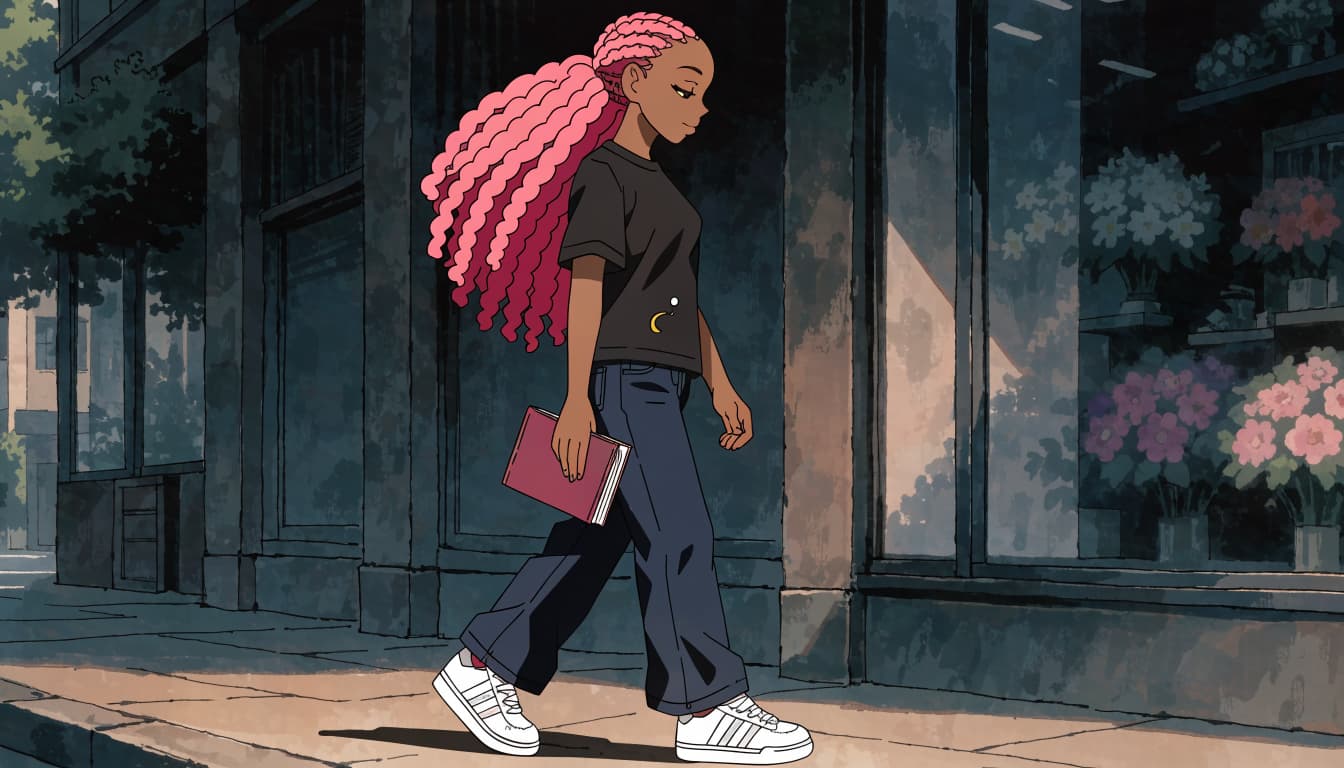
Build a casual outfit around one of our Cyber-Brutalist Anime Graphic Tees with jeans and sneakers. Add an open overshirt or a relaxed jacket when you want another layer. Let the graphic be the focal point, especially if the rest of your outfit has a quieter palette.
For a softer love-themed look, pair the Love Always Wins Valentine's Tee with light denim and your favorite everyday sneakers. If your affection comes with a side of sarcasm, the Love You. No Refunds. Tee works with darker jeans and a loose black layer.
Choose the mood that feels like you. A graphic tee can make a personality statement; the book still gets to do its own thing.
Frequently Asked Questions
Are Rupi Kaur's collections suitable for someone new to poetry?
Yes. Her concise language and short poems can give you an approachable place to begin, even if you haven't read much poetry before.
You can take one piece at a time and notice what it brings up for you. There's no required reading ritual or secret exam at the end.
Do you have to read the collections in order?
No. Each collection can be read on its own, so you can begin with the themes that interest you.
Reading them in publication order may help you notice differences between the books, but it isn't necessary for understanding an individual collection.
Are all of Kaur's poems about romantic love?
No. Her work also addresses family, identity, trauma, community, and other subjects.
If you're looking for romance, you'll find it within a broader range of experiences. Give the other poems room, too; they can change how you understand the collection around them.
Can you find illustrated editions of her poetry?
Yes. Kaur's collections include her illustrations, which are part of the reading experience alongside the poems.
If the visual presentation interests you, a print edition lets you see the drawings and page layout together. That can feel different from encountering a single excerpt on your feed.
Are the collections appropriate for every reader?
Some poems address abuse, violence, and other difficult experiences. You may want to approach them at your own pace, especially if those subjects feel personal.
You can pause, skip a piece, or return later. Your reading experience doesn't need to follow anyone else's timeline.
A collection for the mood you're in
Rupi Kaur's love poems make room for closeness, loss, self-respect, and healing. Each collection offers a different way into those feelings, whether you want a structured journey or space for inward reflection.
Choose the book that meets your mood, then give the poems their full context. A few spare lines can leave you with plenty to consider.