

Russian Outfits: Folk Dress Before the Streetwear Fit
Russian outfits cover centuries of clothing, regional folk dress, formal ensembles, and the everyday fashion you see now. If your reference board contains one red dress, one elaborate headdress, and a tracksuit, you've got a starting point, not the whole wardrobe.
You'll understand traditional layers more clearly when you know who wore them, where, and for what occasion. That context helps you borrow shape, texture, and contrast without treating millions of people as one costume preset.
Start with the historical garments, then bring the ideas into a modern outfit that survives your actual daily schedule.
Key Takeaways
- Russian folk clothing varied by region, period, occasion, and wearer; you won't find one universal historical outfit.
- Sarafans, shirts, skirts, and headwear formed different ensembles, with everyday versions alongside richly decorated festive clothing.
- Materials and hair coverings could communicate household resources, marital status, and local customs.
- Museum objects give you documented examples, but they preserve only part of clothing history.
- For modern streetwear, use balanced proportions, practical layers, and one graphic focal point.
What Russian Outfits Looked Like Across Time
When you browse historical Russian clothing, you're looking at garments connected to particular places and people. A wedding ensemble, a working shirt, and court dress belong to different contexts. Grouping them under one aesthetic deletes the useful information.
Many well-documented folk garments in museum collections date to the 18th and 19th centuries, with examples extending into the early 20th century. You can explore a wider chronology in the Metropolitan Museum of Art's History of Russian Costume.
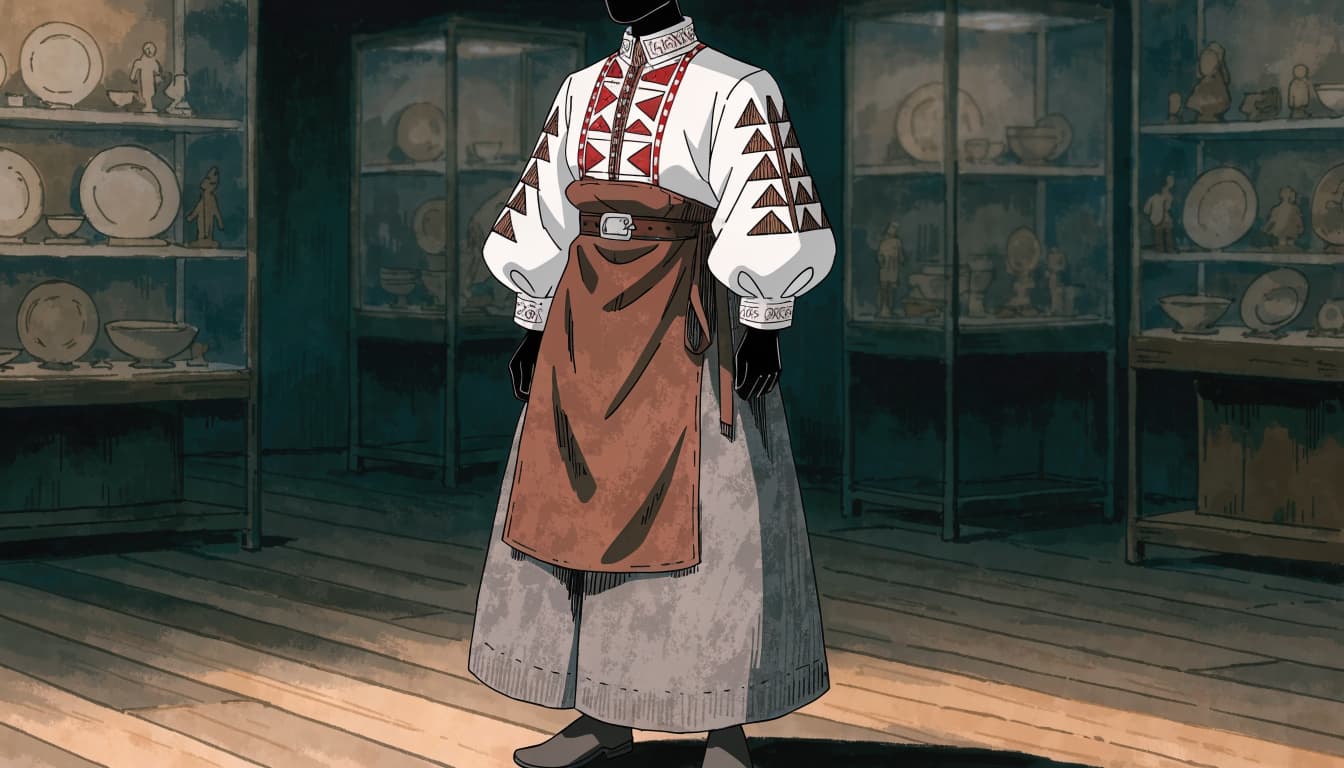
The State Hermitage Museum's collection includes more than 1,000 items, including roughly 500 headdresses. Its emphasis is women's clothing in northern and central European Russia, dated between the 18th and early 20th centuries. That's a substantial archive, but its scope matters when you interpret it.
This collection-focused video gives you another way to examine historical ensembles and headwear.
Present-day fashion belongs to another context. Your contemporary reference board might contain denim, tailoring, sportswear, or graphic tees. Those clothes don't become folk costume because someone wears them in Russia.
Keep the historical category separate from current personal styling. You'll get a clearer picture and avoid assigning centuries of dress history to one default character skin.
The Traditional Garments and Details You Should Know
Sarafans, shirts, and layered outfits
A sarafan is a long, sleeveless dress suspended from the shoulders, often worn over a rubakha, or shirt. The Russia and FAO museum description describes this layered combination, including decorated shirt sleeves.
Depending on place, period, and occasion, you might also see a belt, apron, short bodice, or shoulder garment. These additions changed the finished silhouette.
Sarafans weren't exclusively ceremonial. Simpler everyday versions existed alongside festive ones. The State Russian Museum documents a brocade example dated to the late 18th or early 19th century. That luxurious garment gives you one version, not everyone's daily loadout.
Kokoshniks and other kinds of headwear
A kokoshnik is a festive headdress with regional variations in shape and decoration. The familiar high, curved silhouette is only part of the story.

Historical collections also include headbands, povoiniks, and veils. In the Hermitage's examples, headbands are associated with unmarried girls, while povoiniks appear as coverings worn by married peasant women.
Hair covering could relate to marital status, but you need the local context before decoding an individual piece. An elaborate headdress alone doesn't tell you everything about its wearer.
Fabrics, color, and ornament that signaled occasion
You can encounter silk, brocade, velvet, damask, embroidery, gold thread, ribbons, beads, and mother-of-pearl. A State Russian Museum kokoshnik combines velvet with gold thread, mother-of-pearl, beads, and embroidery.
Expensive fabric and dense decoration could indicate household resources or a special occasion. Simpler clothing also belonged to the same broader history.
Red, blue, and gold appear in particular garments. Treat them as documented choices, not a mandatory national palette.
How Russian Folk Clothing Changed by Region and Wearer
Northern and central styles compared with southern dress
Sarafan-and-shirt combinations are especially visible in collections associated with northern and central Russia. Southern examples include other arrangements, so you shouldn't use the sarafan as a universal template.
The Sergiev Posad Museum documents a festive ensemble with an andarack, a skirt with lengthwise stripes. Its example dates to the late 19th or early 20th century.
The museum names Penza, Tambov, Oryol, Kursk, and Voronezh among provinces where this skirt was known in the early 20th century. Those place names give you a firmer reference than a broad "Russian costume" label.

Regional boundaries weren't absolute. The Moscow museum's exhibition on headdress traditions describes Central Volga clothing that combined northern-style sarafans and kokoshniks with southern-style ponyova skirts and kika headdresses.
What clothing could communicate about identity and means
You could read information through fabric, decoration, headwear, and the way pieces were combined. Region, marital status, life stage, occasion, and household resources all mattered.
Avoid a simple "peasants wore plain clothes, elites wore fancy clothes" split. Festive rural garments could contain costly materials, while a person's clothing changed with the task or event.
These examples mainly concern women's dress. You can't transfer their headwear conventions or garment combinations to men's clothing.
Museum collections also preserve only part of the broader history. Their holdings depend on what survived and what collectors acquired. A heavily decorated ensemble deserves attention, but it can't speak for every neighboring household.
Read a Historical Outfit Without Guessing Its Story
Before you save a museum image to your outfit board, read the record beside it. The date, place, materials, and garment name are more useful than a caption announcing "traditional vibes."
Look for whether the record describes an everyday garment, festive clothing, or a complete ensemble. A sarafan displayed alone doesn't show you every layer originally worn with it. A headdress photographed separately may hide its fastening or associated covering.
The Hermitage's regional emphasis is a good reminder to check collection scope. A large archive can still concentrate on certain places, periods, or garment types.
A richly decorated museum piece doesn't establish what everyone wore on an ordinary workday.
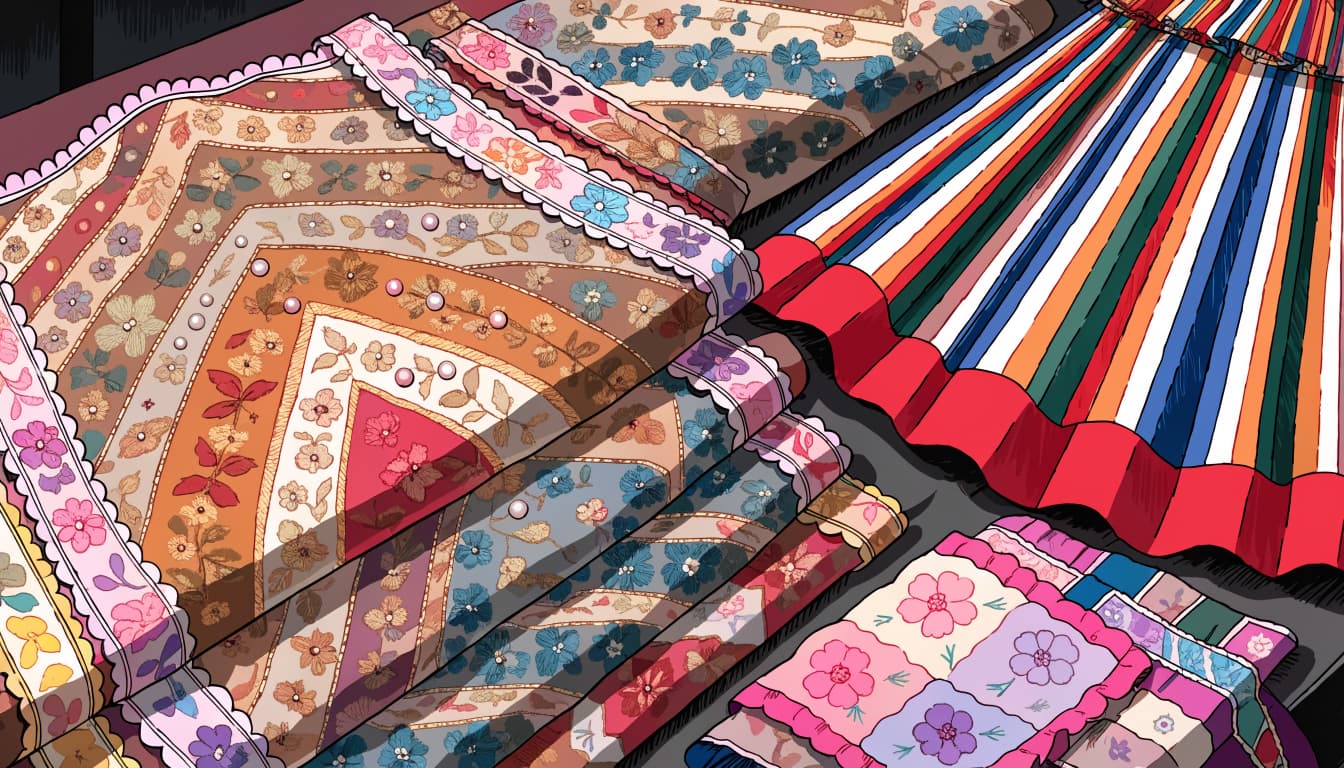
Material names help you compare pieces without guessing their price or social meaning. Velvet, brocade, and embroidered cloth can look similar in a small image, especially when lighting flattens the surface. Let the catalog identify the fabric.
Watch the dates, too. An object dated to the 19th century documents that example; it doesn't establish when the garment type first appeared. You don't need a dramatic origin story to appreciate a well-recorded piece.
When you collect references, save the museum name and object information alongside the image. You'll remember which detail attracted you and whether it belongs to one garment, one region, or a wider clothing practice. Your mood board gets actual context instead of increasingly confident guesswork.
Streetwear & Casual Styling
Build a modern outfit around shape, layers, and one focal point
For everyday Russian-outfit inspiration, keep the historical references separate from contemporary streetwear. Borrowing an interest in layering or texture doesn't establish a direct connection between a modern brand and folk traditions.
Start with relaxed cargos or loose, dark-wash denim. Add a boxy tee and an open overshirt, hoodie, or cropped jacket. Sneakers or boots give roomy pieces some visual weight.
A restrained palette makes one vivid accessory easier to wear. Charcoal, off-black, fog gray, or muted plum can support a red or electric-blue detail. You don't need every item auditioning for the lead role.

Make the look your own with anime-inspired graphics
Cyber-Brutalist Anime Graphic Tees give you a modern direction built around bold artwork, glitch effects, and strong contrast. TrendReactTees.STORE's cyber-brutalist, anime-aesthetic approach belongs in this contemporary styling conversation, separate from historical Russian dress.
Pair the graphic with simple cargos or dark-wash denim. Choose a boxy fit that lets the artwork sit clearly; excessive fabric can fold away the detail you bought it for.
Keep your outer layer open when you want the front print visible. For a back graphic, remember that a jacket will cover it.
Repeat one accent from the artwork in your shoes, bag, or jewelry. Then stop adding competing graphics. Your outfit should survive class, errands, and the group chat's questionable evening plans.
Frequently Asked Questions
Can you use these references if you're not Russian?
You can study the clothing and use historical references thoughtfully. If you're recreating a named regional ensemble, keep its context attached rather than presenting it as a universal Russian look.
Is Soviet-era clothing the same as folk costume?
You should treat Soviet-era clothing as a separate historical category. It includes everyday, occupational, formal, and military clothing, so you'll need a more precise reference than "Soviet outfit."
How should you handle unfamiliar garment spellings?
You may encounter different English transliterations of Russian names. Keep the spelling used by the museum record when saving a reference, and compare the description before assuming two labels identify different garments.
What should you check before buying a reproduction?
Ask for garment measurements, material details, and a clear description of the historical reference. If a seller claims accuracy, look for a named region, period, or museum example rather than relying on decorative trim.
Choose References With Context, Then Dress for Yourself
Russian clothing varies across regions, eras, occasions, and people. One sarafan, headdress, or streetwear photo can't carry that whole history.
You can appreciate the original garments without turning every reference into an authenticity claim. Keep the documented details attached to historical pieces, and call contemporary styling what it is.
For your own wardrobe, prioritize wearability and personal expression. Balanced layers, practical shoes, and one strong graphic give you plenty of room for personality without requiring a costume preset.