

Security Outfits for Work, Halloween, and Streetwear
"Security outfits" can mean three different things: clothes you wear on a shift, a Halloween costume your friends recognize instantly, or streetwear with a utility edge. Buy for the wrong one and you might end up with a costume vest at work, or a stiff uniform shirt at a party. Neither is the plot twist you wanted.
Your setting decides the nonnegotiables. Work calls for approved clothing and comfort that lasts a shift. A costume needs a clear visual cue. Everyday wear gets to play by your rules. Once you know which look you're after, the outfit gets easier to build.
Key Takeaways
- For work, check your employer's uniform rules before buying shirts, footwear, badges, or outerwear.
- A costume can read "security" with a clear graphic, dark pants, and a cap; it doesn't need professional equipment.
- Streetwear gives you room to experiment with oversized graphics, cargos, shorts, and boots.
- Comfort and durability matter more when you'll wear the clothes for full shifts.
- Reflective-looking details aren't a substitute for required safety apparel.
What Do You Mean by Security Outfits?
The search results might show you a guard's uniform beside a Halloween vest and an oversized graphic tee. Those pieces share visual cues, but they're built for different jobs. Decide where you're wearing the outfit before the algorithm convinces you they're interchangeable.
Work uniforms that look professional and feel practical
For a real shift, you might wear a black or navy polo, a uniform shirt, durable trousers, and an approved vest or jacket. The exact combination depends on your employer. A venue guard, retail loss-prevention employee, and outdoor event worker won't necessarily dress alike.
Clear identification helps people find the right person when they need assistance. Useful pockets keep approved gear accessible. Breathable fabric and room through the shoulders matter when you're moving, standing, or bending for hours. A shirt that looks crisp in a product photo still has to survive your actual Tuesday.
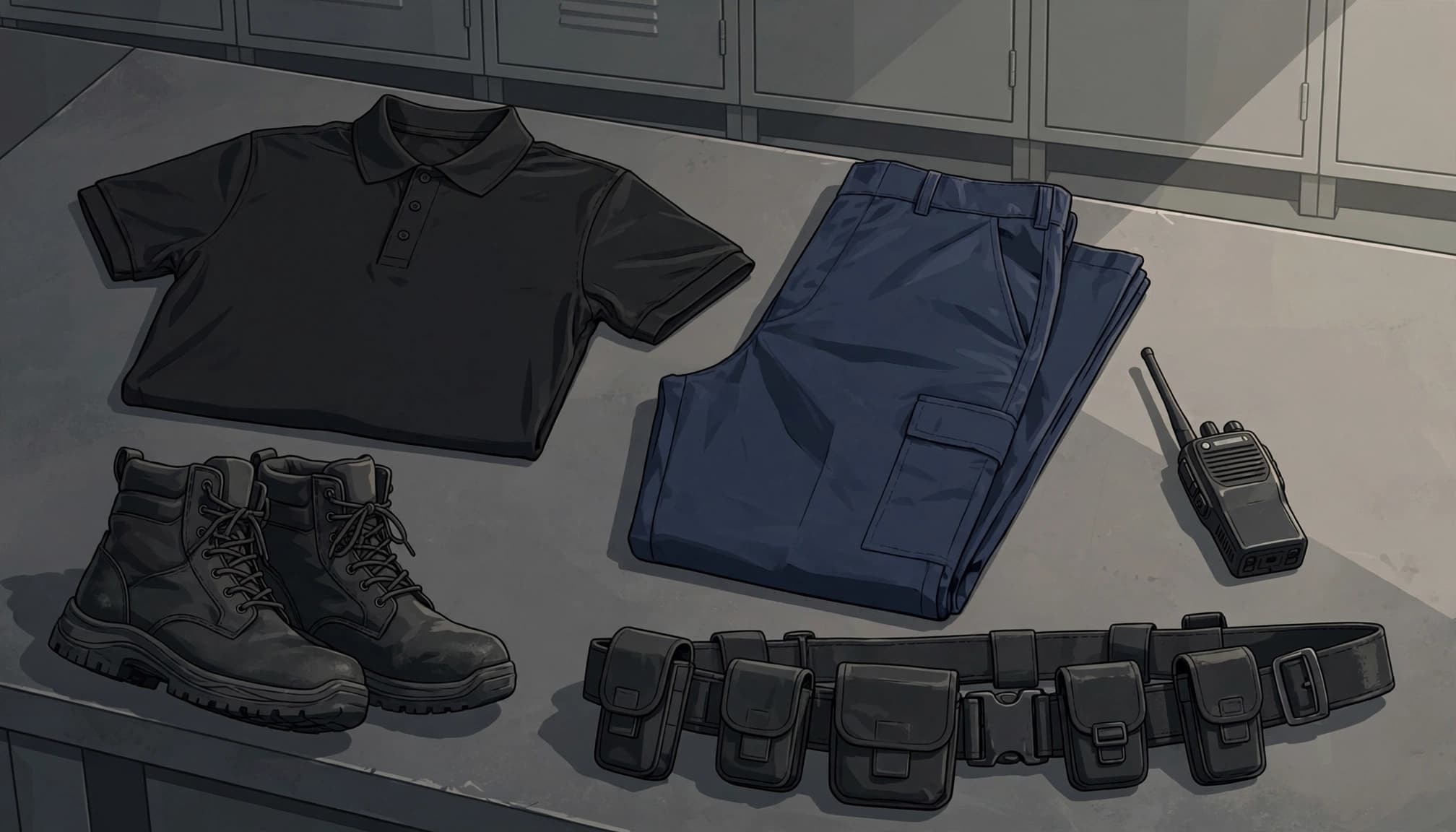
For a closer look at how a short-sleeve shirt and pants work together, this compact uniform overview shows the basic silhouette.
Costumes and streetwear that use the security look
A bold "SECURITY" graphic, black vest, dark pants, and cap can communicate a costume before you've said a word. Keep the accessories simple. The flashlight can stay in your pocket; you don't need to cosplay an entire equipment catalog.
Fashion takes a looser route. An oversized tee, sleeveless hoodie, matching shorts, or chunky boots can borrow the utility vibe without pretending to be shift-ready. You can go full black-on-black or break it up with a graphic that looks at home in your regular rotation. A cool outfit isn't an approved uniform, even if the pockets look suspiciously official.
Build a Security Outfit for the Setting
You can start with dark clothing for all three looks. What you add next makes the difference: approved identification for work, familiar cues for a costume, or proportions and graphics for streetwear.
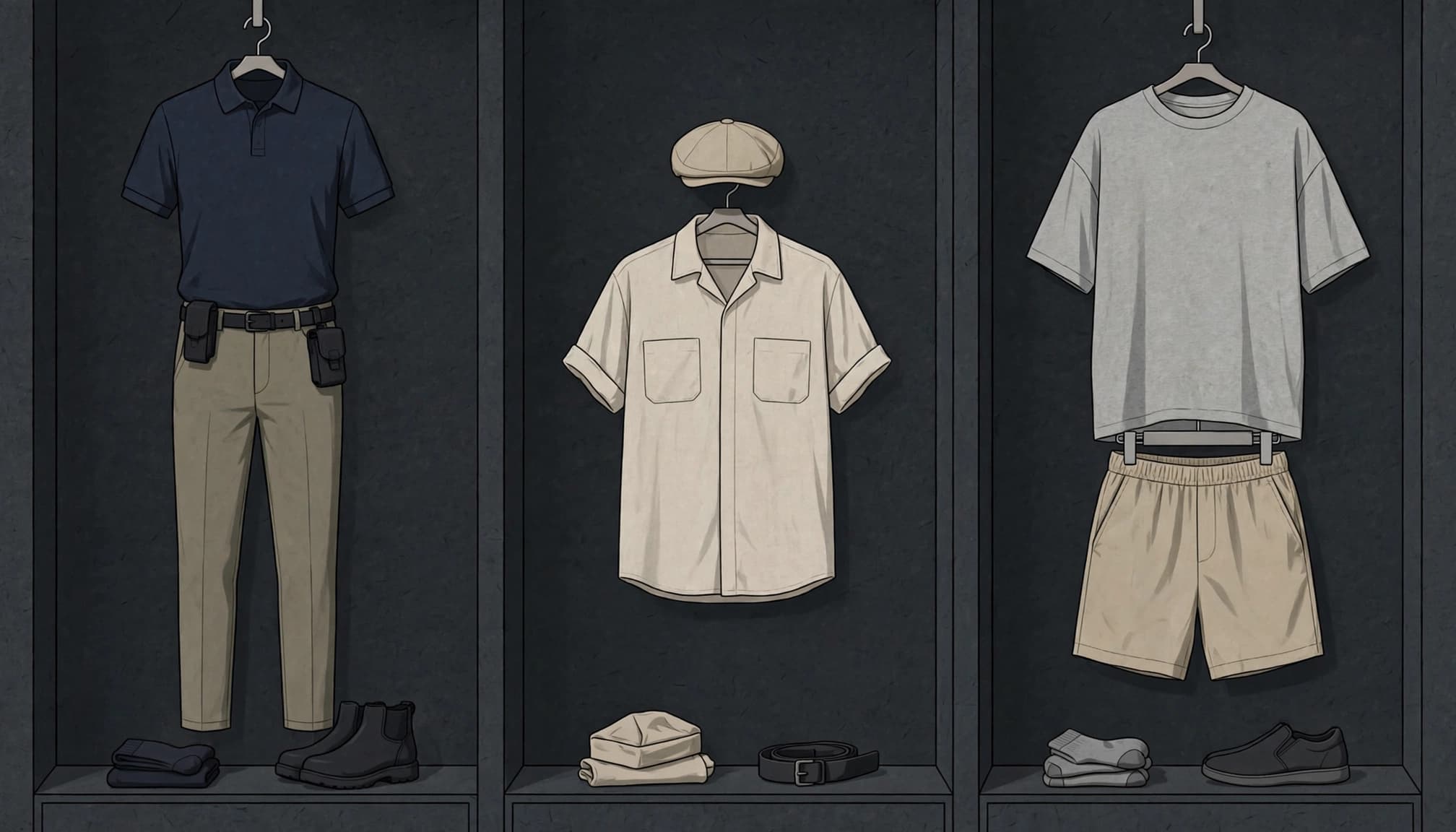
Choose workwear for your shift and workplace
Pair your required shirt or polo with durable pants and footwear your employer allows. Add an approved outer layer if you'll work outside. Don't let a jacket cover the identification people need to see.
Climate changes the plan. A breathable short-sleeve shirt might suit an indoor venue, while an outdoor post may call for weather protection. If your site requires high-visibility apparel, the black tactical-looking vest in your cart won't solve that problem. Check the site rules first, then choose the clothing.
Put together a clear, easy-to-recognize costume
Start with a legible "SECURITY" shirt or vest. Add dark pants you already own and a plain cap. A flashlight can finish the look without sending you on a late-night shopping side quest.
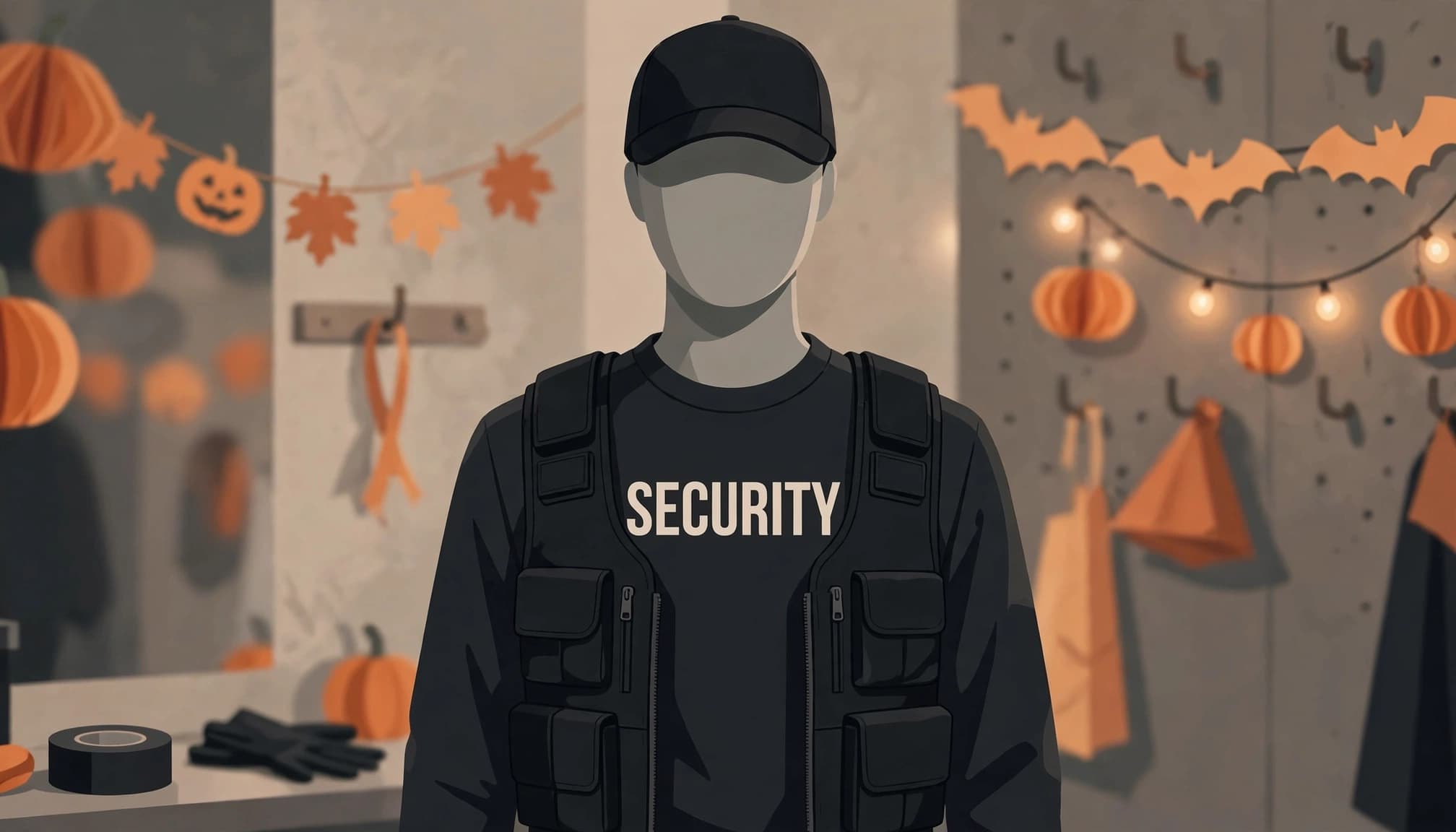
You can skip realistic badges and venue-specific logos. They add confusion, not costume points. If a party or event has its own security staff, keep enough distance in your styling that nobody mistakes you for someone who's working.
Wear security-inspired pieces as streetwear
Try an oversized graphic tee with relaxed cargos and boots. For warmer days, swap in matching shorts or a hooded tank. Utility pockets add texture, but your graphic can do the loud talking.
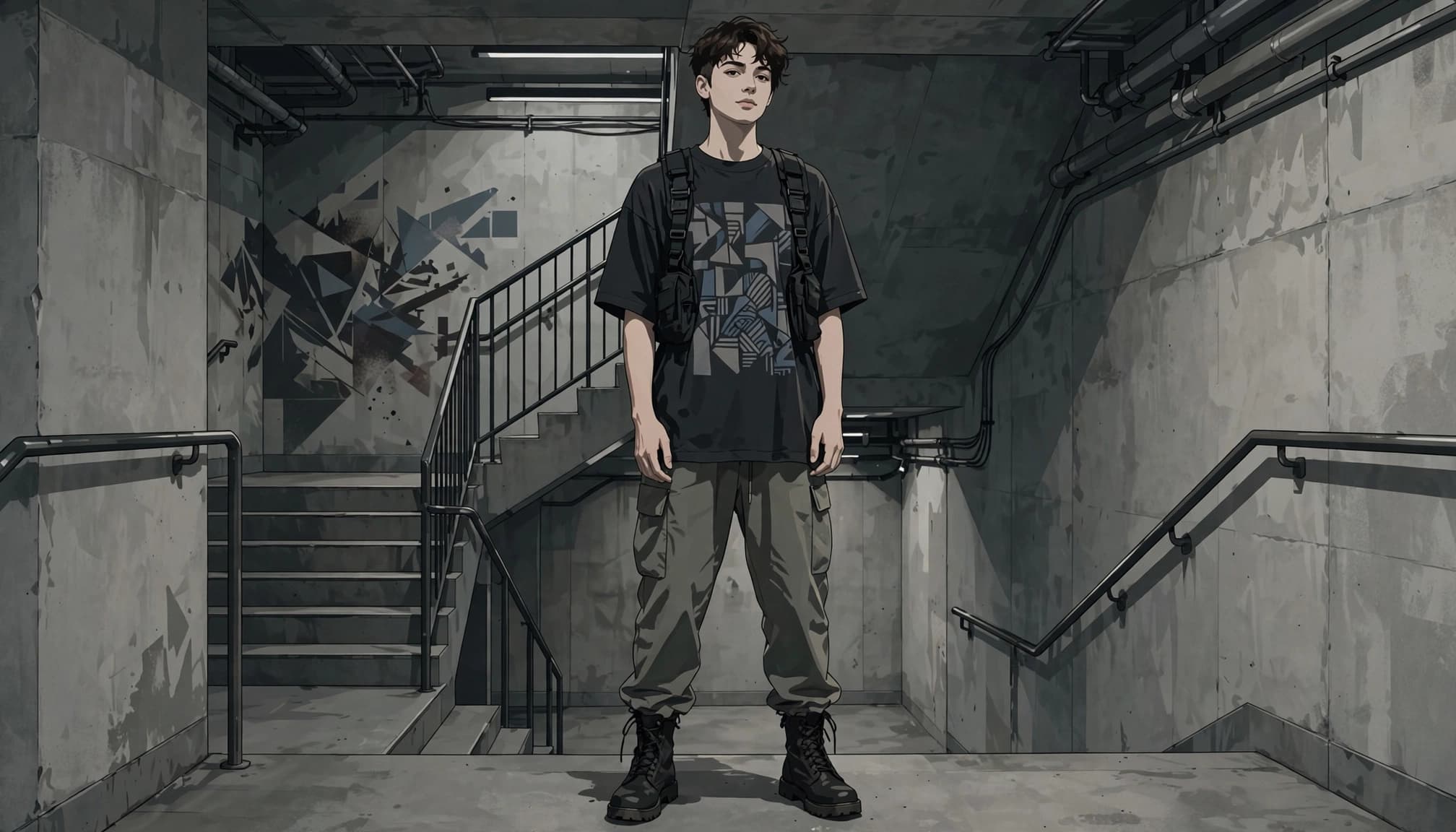
If you like a darker silhouette, black and white graphic tee outfit ideas can help you balance an oversized top with cargos and layers. Choose the fit you'd wear outside a themed event. A shirt that only works for one photo has a short career in your closet.
Where the Costume Ends and Safety Gear Begins
A vest can mean three things: part of a uniform, part of a costume, or a layer chosen for visibility. You shouldn't have to guess which one you've bought. Product photos may show reflective-looking strips or lots of pockets, but neither tells you whether a garment meets your workplace's requirements.
If your job puts you near traffic, ask what apparel the site requires. OSHA's guidance on high-visibility clothing addresses particular traffic-related work situations. Your supervisor can tell you which rules and hazards apply to your post. Don't treat a decorative strip on a black vest as a safety plan.
If your shift calls for high-visibility gear, buy for the site requirement, not for how "tactical" the product photo looks.
The same boundary matters at events. A costume badge isn't work identification, and a party prop doesn't give you access to staff areas. Keep the joke readable without borrowing someone else's authority. That's better for you and for the people trying to find an actual guard.
How to Choose Security Clothing That Fits Your Needs
Before you buy, picture the outfit in motion. You'll learn more by imagining a full shift, a crowded party, or a normal day out than by staring at a perfectly posed product image.
Check comfort, movement, pockets, and visibility
For work, look at fabric, seams, and the cut around your shoulders and knees. Can you reach, walk, and sit comfortably? Are the pockets useful for items you're approved to carry, or are they decorative rectangles performing pocket theater?
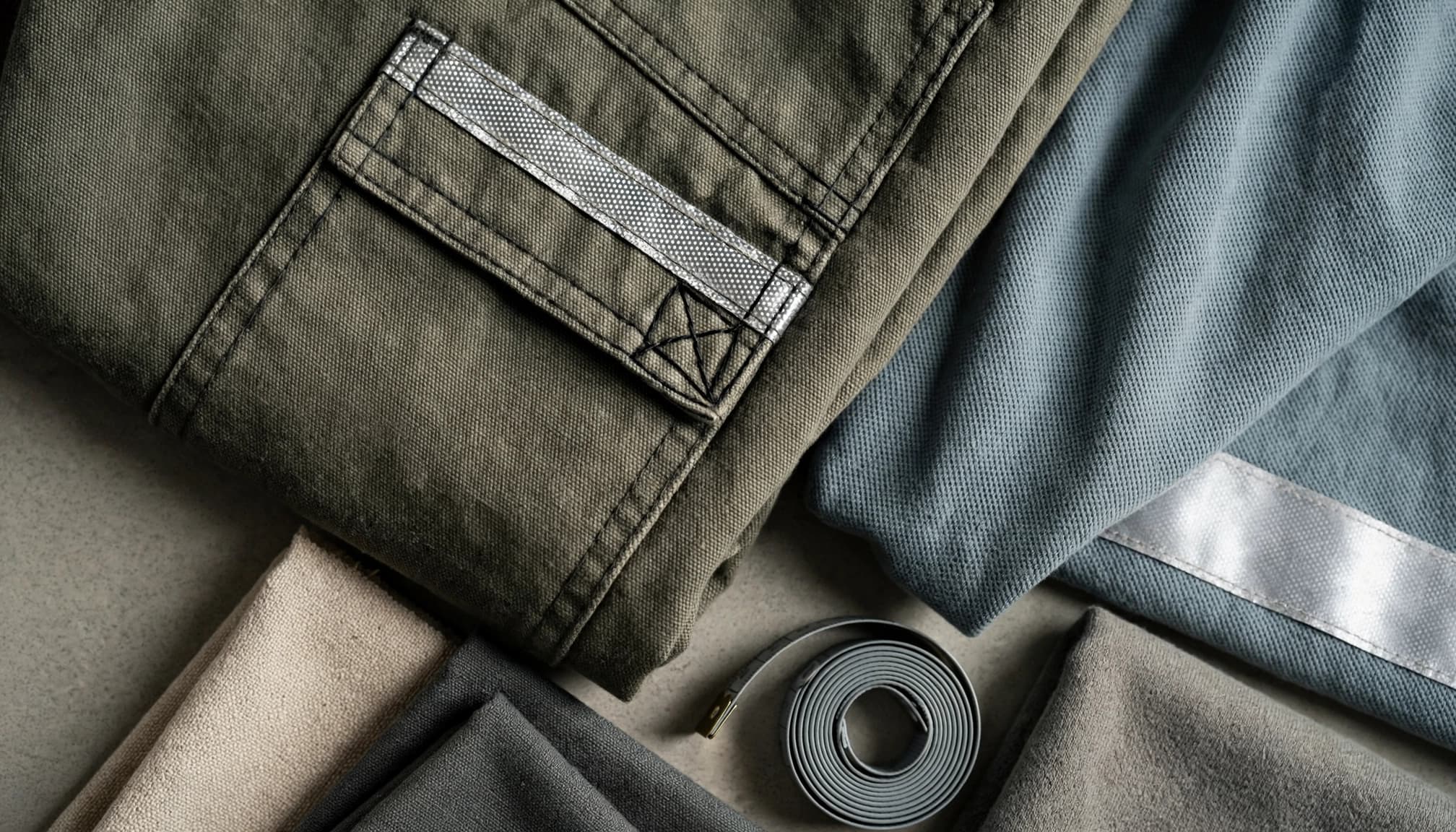
If visibility is part of your role, check the required garment type with your workplace. ANSI's overview of high-visibility safety apparel explains the ANSI/ISEA 107-2020 standard. A casual top with a shiny detail shouldn't be treated as compliant gear by default.
Confirm uniform rules before you buy
Ask your employer or event organizer about approved colors, logos, badges, shoes, and outerwear. Check whether they issue clothing or expect you to purchase it. Getting that answer first beats owning three slightly different black polos that all fail the dress code.
Protective gear deserves its own question. Decorative badges and costume accessories can't replace official identification or required equipment. If the role has an equipment list, use that list rather than a costume listing's "complete the look" suggestions.
Compare value for work, costumes, and casual wear
Clothes worn repeatedly on long shifts earn their keep through comfort and durability. For a one-night costume, a graphic top and pants from your closet may be plenty. Spend where the outfit needs to perform.
With streetwear, judge the print, fit, care instructions, and whether the piece works with clothes you own. If your everyday wardrobe already runs on cargos and bold graphics, choosing a gamer graphic tee that fits your style follows the same logic. Your regular rotation is the real test, not the product page.
Buying Online Without Getting Size-Chart Catfished
Fit names aren't universal. One brand's "relaxed" tee is another brand's regular fit with extra confidence. Check the garment measurements, not only the size label. Compare them with a shirt or pair of pants you already wear and like.
For work trousers, pay attention to the waist, inseam, and room at the thighs. For an oversized streetwear top, look at the chest width and length. You want a deliberate silhouette, not a hem that swallows your shorts. If you're buying a vest to layer, measure over the clothing you'll wear underneath.
Zoom in on product photos for stitching, pocket openings, and print placement. Then read the care label and return policy before checkout. A work shirt that needs fussy treatment may be a poor match for frequent wear. A costume you can't return after trying it on deserves a closer look at the size chart. Five minutes of checking beats the arrival-day boss fight.
Frequently Asked Questions
Are tactical pants required for security work?
There's no universal answer for every security job. Your employer's dress code decides whether tactical-style pants are allowed, required, or too casual. If they're permitted, focus on a comfortable fit and pockets you can use.
Can you wear sneakers with a security uniform?
That depends on the site and your employer's footwear rules. Some roles may allow plain sneakers, while others call for a different shoe or boot. Ask before you buy, especially if your shift involves long periods on your feet.
Do security guards have to wear black?
No single color works for every employer or assignment. You may see black, navy, or another approved color, depending on the workplace. Follow the issued uniform standard instead of treating a familiar costume look as the rule.
Can you wear a security costume to a concert?
Check the venue's costume and prop policies before you go. A shirt that makes you look like staff could confuse other guests or create a problem at entry. Keep the styling playful and avoid venue logos or realistic credentials.
Does a security-style graphic work for the gym?
Sure, if the garment fits your workout and the gym's dress code. A sleeveless top or loose tee can give you the look without a bulky vest. Choose fabric you don't mind sweating in, and save restrictive accessories for somewhere that doesn't involve a squat rack.
Choose the Job Before the Jacket
The same dark pants can anchor a shift uniform, a costume, or a streetwear fit. What changes is what you need the outfit to do. Start with the setting, then check the rules, fit, and comfort before you buy.
That small pause keeps your workwear practical, your costume recognizable, and your everyday clothes feeling like yours.