

Shih Tzu Pekingese Mix: Size, Care, and Temperament
TrendReactTees.STORE TeamIf you searched for a "shih tzu pekingnese mix," you're looking for a Shih Tzu-Pekingese cross, often called a Shinese. It's a crossbreed, so its looks, adult size, coat, and personality aren't guaranteed by the name. The parent breeds offer clues, but the individual dog is the actual character sheet.
For pet-parent humor to go with your new sidekick, check out the My Therapist Is A Dog Tee or the If They Could Use Internet We'd Be In Trouble Tee. First, though, know what daily care a Shinese may need.
This post may contain affiliate links. If you make a purchase through these links, I may earn a small commission at no extra cost to you.
Key Takeaways
- A Shinese is a Shih Tzu-Pekingese cross, not a standardized pure breed.
- Online size estimates are rough; ask about the parents and assess the individual dog.
- Long coats may need frequent brushing, while short faces can bring breathing and heat concerns.
- Plan for patient training, regular companionship, grooming, and veterinary care before bringing one home.
What to Expect From a Shih Tzu Pekingese Mix
A Shinese is a cross between a Shih Tzu and a Pekingese. It isn't a standardized pure breed with an official size, appearance, or temperament. The name tells you who the parents are, not exactly what the puppy will become.
Both parent breeds are small, short-faced companion dogs. A Shinese may inherit traits from either one, or end up with a combination that doesn't look like a neat half-and-half blend. Coat texture, body shape, facial features, and behavior can vary even among puppies from the same litter.
That variation matters when you're choosing a dog. A breed profile can help you know what to ask, but it can't promise that your Shinese will be a certain size, easy to groom, quiet at home, or free of inherited health concerns.
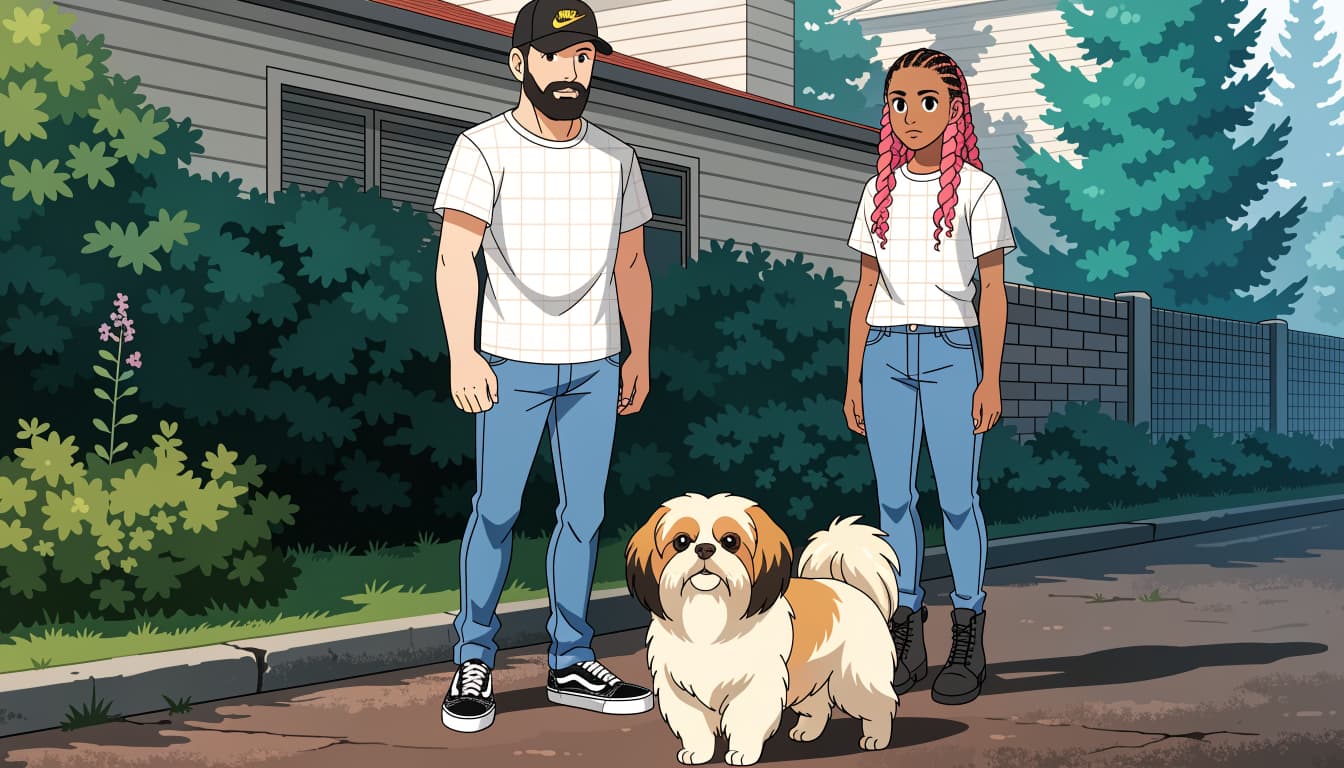
How Big Might Your Shinese Get, and What Could Its Personality Be Like?
Published estimates often place a Shinese around 10 to 16 pounds and 8 to 12 inches tall. Those are informal ranges, not a breed standard or a promise about your dog's adult measurements. Ask about both parents' adult size, then consider the dog's current build and growth.
Size, coat, and appearance can take after either parent
Some Shinese dogs have long coats, facial furnishings, and a compact build. Others may have different coat textures, coloring, or proportions. You could see features that remind you strongly of one parent, rather than a predictable midpoint between the two.
Coat and body shape are practical details, not just photo-day trivia. A long coat may need frequent brushing, and the shape of your dog's face and body can affect grooming choices and equipment fit. Meet the dog when possible and learn what care its current coat actually needs.
Affectionate company does not mean a fixed temperament
A Shinese may be playful and attached to its people, or more independent and strong-willed. Those are possibilities, not a personality guarantee that comes bundled with the mix.
Ask how the dog behaves during handling, around visitors, and when left alone. Notice whether it settles after excitement and how it responds to ordinary activity. A short introduction won't tell you everything, but the dog's history and behavior are more useful than a breed label trying to predict its whole personality.
Plan for Coat Care, Exercise, and Patient Training
Your routine depends on your dog's coat, comfort, age, fitness, and health. A long coat may need frequent brushing to avoid tangles; a shorter trim can make home care easier. Check for dirt, knots, and changes to the skin, especially around the face and under areas where a harness or collar sits.
Bathing frequency and grooming tools depend on coat condition. Shih Tzu care can offer a useful reference, but it isn't a universal schedule for every Shinese. The American Kennel Club's Shih Tzu care guidance also notes that the breed's heavy coat and small face can make heat difficult.
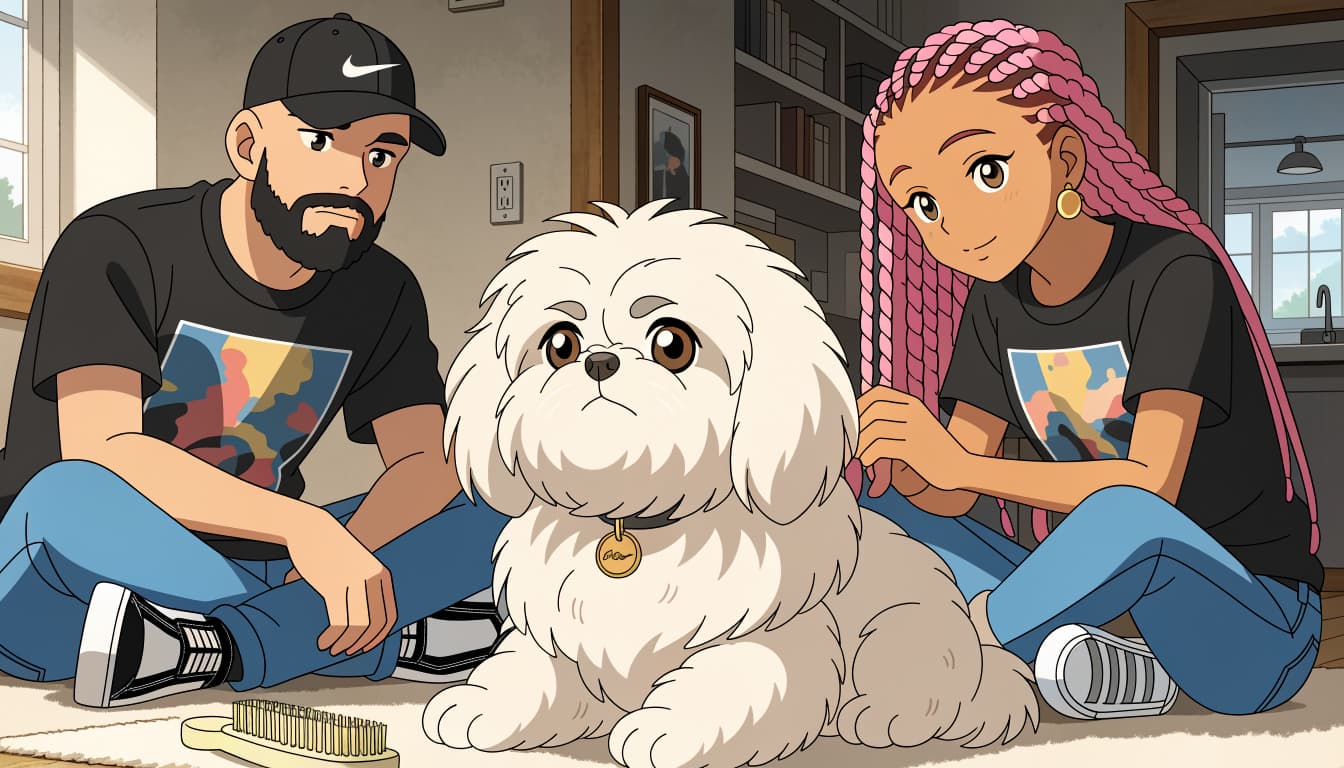
Keep a long coat free of tangles and eye irritation
Daily brushing may be needed if your Shinese inherits a long coat. Keep hair away from the eyes and check facial folds and skin for irritation. If you choose a shorter trim, ask a groomer about an approach that suits your dog's coat and skin.
Shih Tzu grooming advice is a parent-breed reference, not a rulebook for every cross. Let your dog's coat condition and comfort guide the routine.
Use short walks and calm training that fit your dog
Choose low-impact walks and brief, positive training sessions. Give your dog breaks when needed, and adjust activity to its breathing, fitness, age, and the weather. There's no exercise quota that fits every Shinese.
Use rewards and patience rather than turning training into a battle of wills. Companionship needs vary, too. Some dogs may struggle with long periods alone, so build independence gradually and arrange company or care when needed.
Know the Breathing, Heat, and Eye Risks to Watch For
Both parent breeds have short faces, so a Shinese may inherit breathing or heat-related risks. The degree varies by individual. Noisy or labored breathing, difficulty keeping up during ordinary activity, overheating, or persistent eye irritation are reasons to seek veterinary advice.
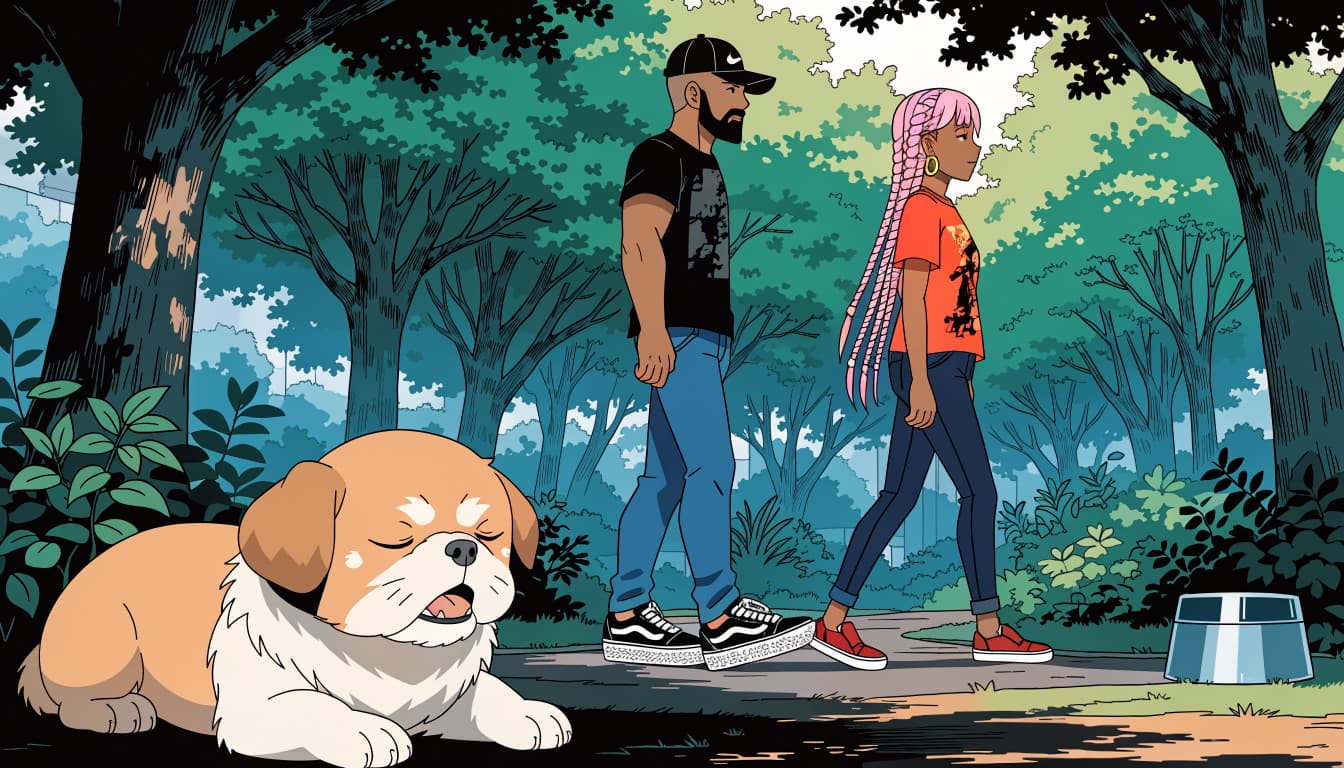
Short-faced structure calls for heat and breathing awareness
Pay attention to how comfortably your dog breathes during everyday activity. Avoid strenuous exercise in hot weather, and let your dog rest in shade when needed. Labored breathing or signs of heat distress need prompt veterinary attention.
Parent-breed risks don't diagnose your individual dog. The American Kennel Club's Pekingese health and care information discusses the breed's short muzzle, breathing concerns, and eye protection. Those details are useful context when you talk with your veterinarian.
Ask about eye care and the parents' health history
Short faces and facial folds can make eye irritation a concern, but that doesn't mean every Shinese will develop an eye problem. Ask about the parents' health history and any records available for the dog. Arrange a veterinary check to discuss breathing, eyes, and preventive care.
Online lifespan estimates for Shinese dogs vary, and there isn't a firm, authoritative lifespan figure for this cross. A number in a breed profile can't promise how long an individual dog will live.
Decide Whether a Shinese Fits Your Home Before You Commit
A small dog can still come with substantial care needs. Think about grooming time, patient training, veterinary costs, and how much company you can provide. You'll also want to be comfortable managing potential short-faced breathing and heat risks.
When considering a breeder, rescue, or current caregiver, ask for the dog's medical and behavior history. Ask about the parents' health and adult size, the dog's coat-care routine, and how it handles being alone and ordinary activity. If you're looking at a puppy, ask about socialization and meet the mother where feasible.
Questions to ask a breeder, rescue, or current caregiver
Ask what the dog enjoys, what makes it uncomfortable, and how it responds to handling and visitors. Find out whether it has had grooming, any skin or eye concerns, and what its breathing is like during normal activity. Ask to review available veterinary records and learn how the parents behave and what they weigh as adults.
Shelters and rescues are worth considering alongside breeders. Whichever route you choose, arrange a veterinary exam after bringing the dog home. A cute face is an excellent opening scene, but the dog's history and care needs matter more for the long run.
Streetwear & Casual Styling
Once the care plan is handled, your dog-walk outfit can be the low-stakes side quest. Build around a Cyber-Brutalist Anime Graphic Tee, then add comfortable layers, useful pockets, and shoes suited to actual walking. A graphic shirt brings the personality; a practical jacket keeps treats and keys from staging a dramatic escape.
Try the Scream At Void My Human Understands Tee or the Dog Eats Custom Kibble Living On Ramen Tee. For more anime-inspired dog-walking outfits, keep the look easy to move in. Your clothing is personal expression. Your dog's leash, safe equipment, and care come first.
Frequently Asked Questions
Is a Shinese a recognized breed?
Shinese is a common name for a Shih Tzu and Pekingese cross. It isn't a standardized pure breed with an official breed standard for size, appearance, or temperament.
Does a Shinese shed a lot?
Shedding varies with the coat your dog inherits. Don't count on a low-shedding or hypoallergenic coat based on the mix name; ask the current caregiver what they see in that individual dog.
Can a Shinese live in an apartment?
Apartment living can work if your dog gets regular outings, company, training, and suitable care. Its behavior, comfort with hallway noise, and daily routine matter more than its small footprint.
How long can you leave a Shinese alone?
It depends on the individual dog and its training. Companion dogs may not do well alone for long periods, so build alone time gradually and arrange care when needed.
Choose the Dog in Front of You
A Shinese can be a loving companion, but its name can't guarantee its size, coat, temperament, or health needs. Meet the dog, ask clear questions, and make room in your routine for grooming, veterinary care, and daily company.
The best match comes from the individual dog, not the label on a profile. A little less guessing now means a better-informed decision later.