

Short-Haired Maine Coon Mix: Coat and Care Guide
TrendReactTees.STORE TeamA short-haired cat may have Maine Coon ancestry, but its coat alone can't confirm it. Maine Coons are known for semi-long coats, while mixed-breed cats can inherit a wide range of traits.
This post may contain affiliate links. If you make a purchase through these links, I may earn a small commission at no extra cost to you.
If your cat already has main-character status in your home, our Cat Mom Legend Tee and Reassuring My Cat Good Boy Tee are made for that energy. Before assigning your cat a breed label, though, take a closer look at the individual behind the fur.
Key Takeaways
- A short-haired cat can have Maine Coon ancestry, but appearance can't confirm its family tree.
- Mixed-breed cats vary in size, face shape, ears, tail, and coat. There's no single look you should expect.
- Short hair is generally dominant, and kittens inherit coat-related variants from both parents.
- Your cat may need regular brushing, dental care, play, and veterinary visits regardless of its ancestry.
- Coat-gene tests and breed estimates provide different information, and neither replaces a documented pedigree.
What a Short Hair Maine Coon Mix May Look Like
A short-haired Maine Coon mix doesn't come with a standard character design. You might see a sturdy body, a broad face, large ears, or a long tail. Your cat might also look like a fairly typical domestic shorthair with no obvious Maine Coon features.
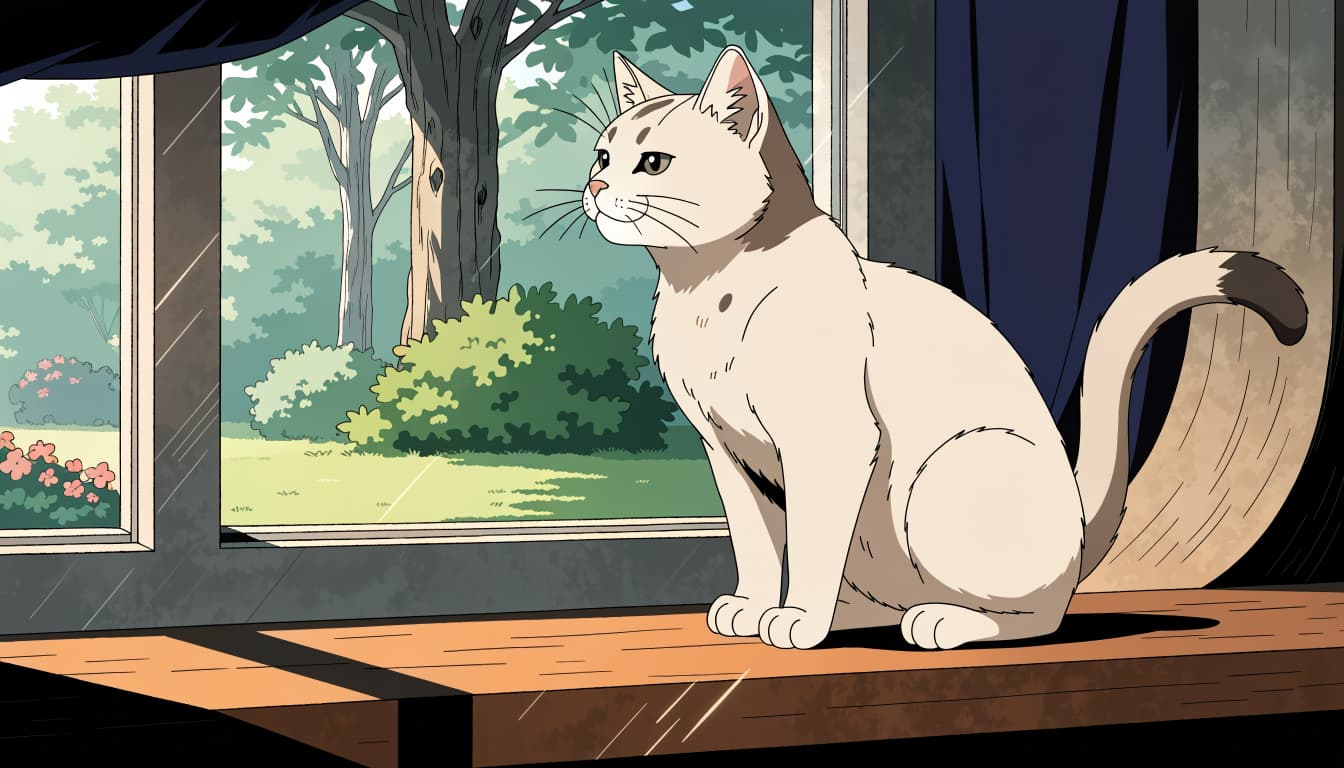
Size varies, too. A large cat may remind you of a Maine Coon, but plenty of cats grow big without a known connection to the breed. Ear tufts and a fluffy tail are fun details, not a certificate of ancestry.
Look at the whole coat
Your cat's fur may lie close to the body, feel dense, or have a little extra length around the tail and hind legs. A mix can inherit different combinations, so a short coat doesn't have to look identical all over.
Uneven length isn't proof of mixed ancestry, either. The Cat Fanciers' Association describes the Maine Coon coat as shorter over the shoulders and longer on the stomach and hind legs. Even a purebred cat can have a coat that changes across its body.
Treat features as clues, not receipts
A square-looking muzzle or tufted ears can give you a reason to wonder about your cat's background. Those traits also appear in cats without a documented Maine Coon parent.
Enjoy the dramatic silhouette. Just keep the family-tree theory separate until you have reliable information about the parents or pedigree.
How a Short Coat Can Happen in a Maine Coon Mix
Coat length comes down to inherited variants, not a rule that every kitten must match the fluffiest parent. A Maine Coon mix can inherit a short coat from its other parent.
How coat-length genes work
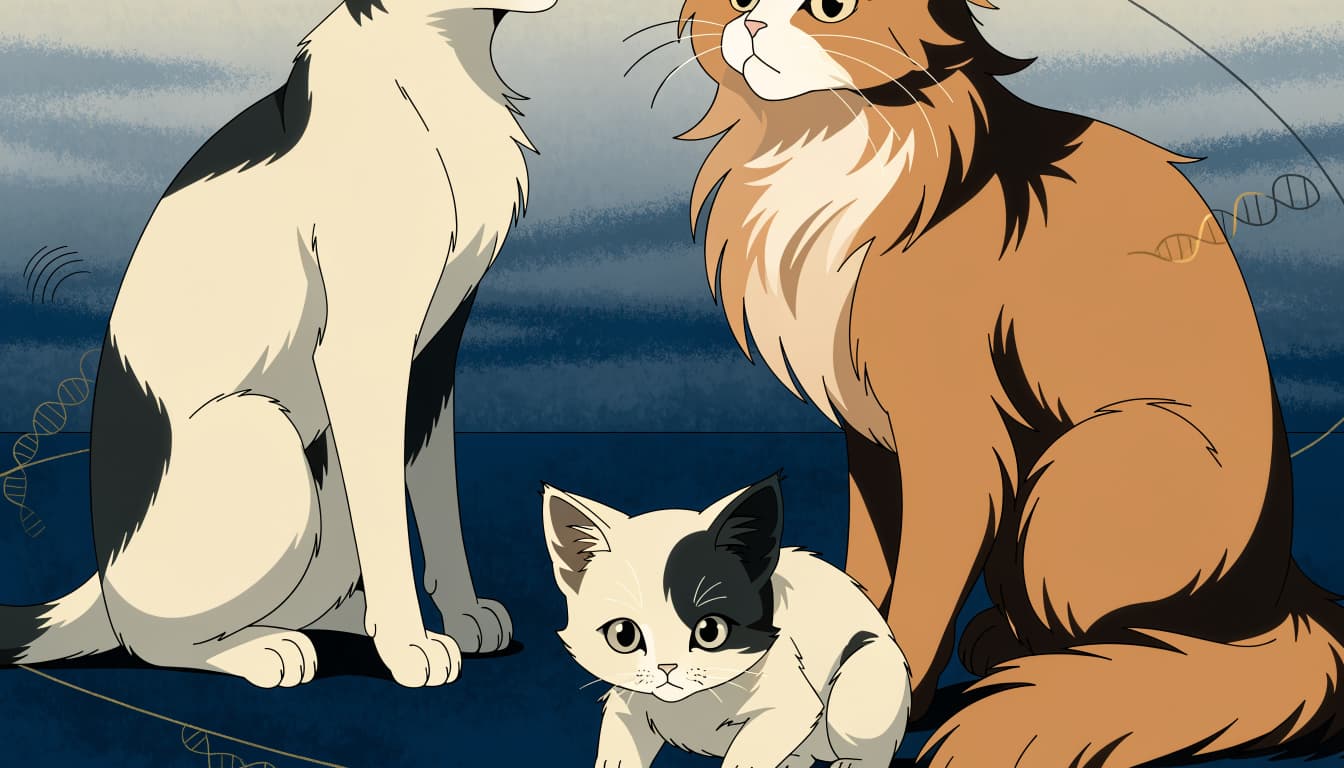
Short hair is generally dominant, while long hair is usually recessive. That means a short-haired cat can carry a long-hair variant without having a long coat itself.
Kittens inherit coat-related variants from both parents. For example, a kitten can inherit a long-hair variant from a Maine Coon parent and a short-hair version from the other parent, then grow a short coat.
The gene FGF5 is linked to feline hair length. UC Davis describes four known long-hair variants, so the simple dominant-and-recessive explanation is a useful starting point rather than the entire genetics story.
Your cat's age and coat history matter, too. A kitten's coat may still be developing, seasonal changes can affect fullness, and a clipped coat needs time to grow back. A short-looking coat on one visit doesn't tell you what your cat's coat will always look like.
For a closer look at feline genetics, the Royal Society of Biology's From Felis to Felix: The Genetics of Domestic Cats discusses coat traits and the genes involved.
Why looks and DNA results do not prove breed ancestry
A coat-length test looks for particular genetic variants. Its result can tell you about those variants, but it doesn't map your cat's complete family tree or establish a registered Maine Coon pedigree.
Different tests also assess different variants. The University of Missouri's feline genetic testing guidance explains why the breeds and variants studied matter when interpreting results. Treat an ancestry label as an estimate unless documented pedigree records support it.
What You Can Expect From Your Cat's Coat and Daily Care
Your cat's actual coat deserves more attention than the breed label attached to it. Build a routine around what you can see, feel, and comfortably maintain.
Brushing, shedding, and skin checks
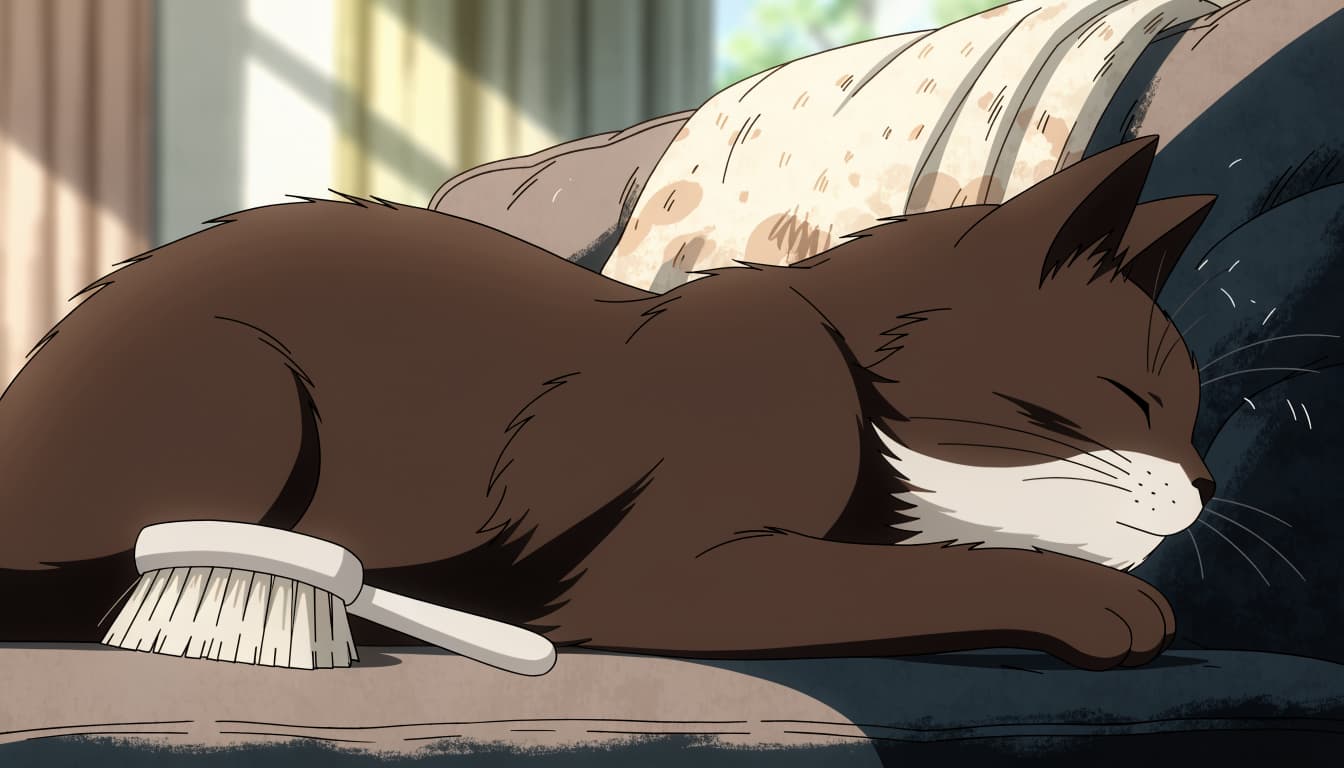
Short fur often needs less combing than a dense, longer coat. It can still shed, though. Your black clothes may remain loyal subscribers to cat hair.
Brush gently as needed, and pay attention to how your cat responds. During heavier shedding, more frequent sessions may help remove loose hair. If your cat has longer areas, check around the hind legs, belly, and behind the ears for tangles or mats.
Look at the skin as you groom. Sudden hair loss, irritated patches, or persistent scratching deserve a conversation with your veterinarian rather than a stronger brushing session.
Everyday health beyond the coat
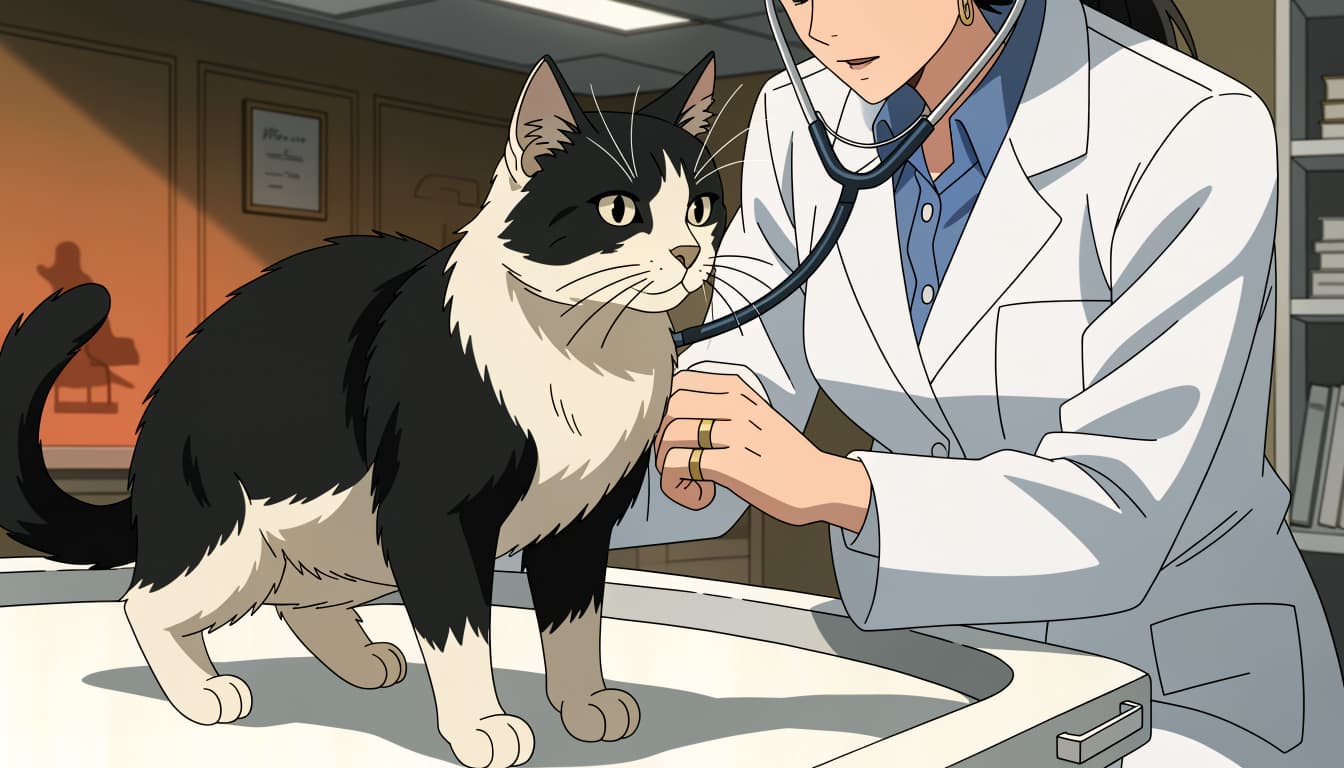
Make room for measured meals, play, dental care, and regular veterinary checkups. Your vet can help you assess body condition and choose a feeding routine that fits your cat's age and activity level.
Maine Coons are associated with hypertrophic cardiomyopathy, a heart condition often called HCM, and hip problems. A possible family connection doesn't mean your cat has either condition. Discuss its history and any concerns with your veterinarian, who can recommend care or screening for your individual cat.
Watch for changes in appetite, movement, breathing, or behavior between visits. Those details are more useful to your vet than a confident guess based on ear fluff.
How to Choose and Care for the Cat in Front of You
A mix label can be interesting, but your future roommate's habits matter more than its supposed character class. Ask the breeder, rescue, or current caregiver what they know before you bring the cat home.
Ask about history and handling
Find out the cat's age, known parentage, and whether its coat has always been short. Ask about previous grooming, shedding, skin concerns, and available health records. If the cat was clipped, that history can help explain its present appearance.
Learn which brushes and handling the cat tolerates. A calm introduction to grooming can make future care easier, especially if you know where your cat prefers not to be touched.
When possible, spend time with the cat rather than relying on a photo. Notice how it approaches you, responds to gentle interaction, and settles in its surroundings. A single meeting won't reveal every habit, so ask what the caregiver sees at home, too.
Plan for the personality you meet
Activity level, adult size, and temperament vary between mixes. A cat with Maine Coon ancestry isn't guaranteed to enjoy being held, love every visitor, or become a giant fluffy sidekick.
Ask how the cat behaves around other animals, children, and time alone. Give it a quiet place to retreat and plan gradual introductions to the household. After adoption, arrange a veterinary visit to discuss preventive care, nutrition, and any records you received.
Your goal is a good fit for both of you. The cat in front of you gets the final casting decision.
Streetwear & Casual Styling
Cat care and outfit choices are separate missions. Still, you can absolutely let your cat-parent personality show when you leave the house.
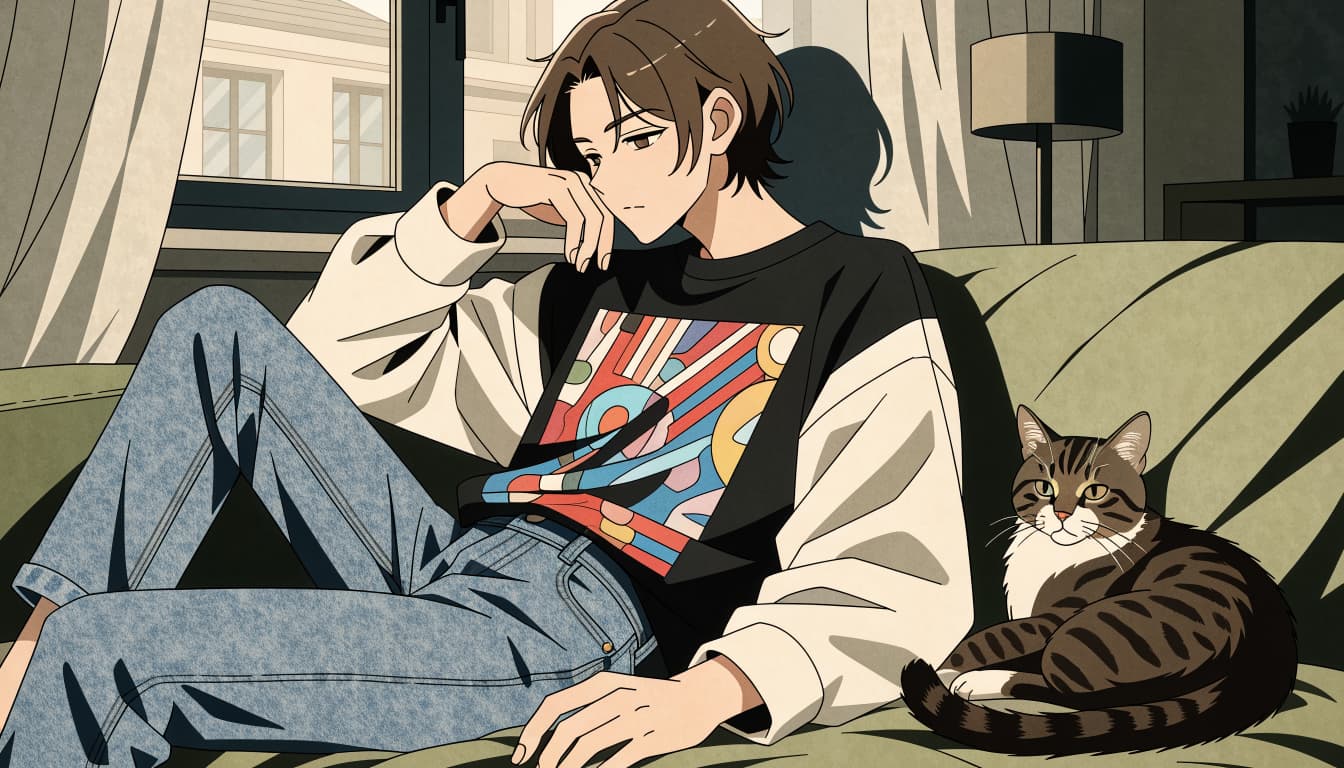
Build a relaxed look around a Cyber-Brutalist Anime Graphic Tee, straight-leg jeans, and an easy overshirt. The Cat Needs Alone Time Tee fits the mood when your cat demands solitude and also expects you to attend.
For a gaming-inspired option, pair the Cats Virtual Life More Fulfilling Than Mine Tee with comfortable layers and your favorite sneakers. Add a lint roller if your outfit shares a sofa with the household's actual protagonist.
Frequently Asked Questions
Can a purebred Maine Coon have short hair?
Maine Coons are described as semi-longhaired, although coat length and fullness can vary with age, season, condition, and grooming. The Governing Council of the Cat Fancy's breeding policy also recognizes that kittens and young adults may have shorter coats. A short-looking coat alone doesn't prove mixed ancestry.
Will a short-haired Maine Coon mix shed less?
Fur length doesn't reliably predict how much hair you'll find around your home. Coat density, shedding cycles, and grooming all affect cleanup. Ask the current caregiver what shedding looks like for that cat rather than expecting short fur to keep your sofa spotless.
Can a DNA test tell me if my cat is a Maine Coon mix?
Some tests estimate breed ancestry, while others look for coat-related genetic variants. An ancestry estimate can offer clues, but its result isn't a registered pedigree. A coat-gene result tells you about the variants tested, not whether your cat has a Maine Coon parent.
How often should you brush a short-haired mix?
Adjust brushing to your cat's coat, shedding, and comfort. Gentle, regular coat checks help you notice loose hair and skin changes, and your cat may need more brushing during heavier shedding. Ask your veterinarian for advice if you notice irritation or sudden hair loss.
Plan for Your Cat, Not the Label
Your short-haired cat may have Maine Coon ancestry, but its appearance can't settle the question. A tufted ear is an excellent accessory, even without a family-tree reveal.
Focus on the cat's coat, health, behavior, and history. Those details help you build a routine that fits your actual companion, rather than a breed guess with impressive hair.