

Short Hairstyles for Fat Faces and Double Chins Over 60: A Flattering Style Guide
Key Takeaways
A flattering short cut is less about hiding your face and more about shaping movement, height, and focus around it.
- Choose height and length that create a longer-looking outline.
- Keep the widest part of the haircut away from the cheeks and jaw.
- Adapt layers and volume to your natural hair texture.
- Use side-swept details, soft texture, and dimensional color thoughtfully.
- Prioritize a cut you can comfortably style and maintain.
How to choose a flattering short haircut
When you are considering short hairstyles for fat faces and double chins over 60, begin with the overall silhouette rather than a single trend. A good cut creates gentle direction through the hair, so the eye moves up, down, or diagonally instead of stopping at the widest point of the face. Your natural texture, glasses, styling habits, and comfort should all influence the final shape.
Use vertical shape to visually elongate the face
Height through the crown can make a short haircut feel more balanced on a rounder face. This does not mean creating stiff, towering volume; a softly lifted top with tapered sides is usually more natural. A pixie with longer crown pieces, a softly raised bob, or a side part can all introduce vertical movement.
Think of the haircut as a frame. When the top has a little direction and the sides lie closer to the head, your face can appear less compressed from top to bottom.
Balance fullness with strategic volume
Volume is useful when it is placed deliberately. Too much fullness directly beside the cheeks can make the face look wider, while a little lift at the crown and movement below the chin creates a more considered line. Ask your stylist to remove weight where the hair balloons outward, not everywhere.
A useful way to discuss the shape is to identify where you want the eye to travel. You might prefer movement toward the eyes, along an angled fringe, or down through longer front pieces. Placement matters more than quantity when you are balancing fullness.
Identify features you want the haircut to highlight
Your favorite haircut should do more than minimize one feature. You may want to bring attention to your eyes, cheekbones, smile, earrings, or the line of your glasses. Face-framing pieces can finish around those areas without forming a heavy outline across the cheeks.
Before your appointment, collect photos that show the front, side, and back of a cut. A flattering round-face hairstyle guide can help you compare silhouettes, but your stylist still needs to adjust the shape for your hair density and daily routine.
Best short haircut shapes for rounder faces
Short hair can look polished, playful, or softly elegant on a rounder face. The most useful distinction is not whether a style is technically short, but where its volume, length, and movement sit. Look for shapes that create a little height, diagonal direction, or length below the fullest part of the face.
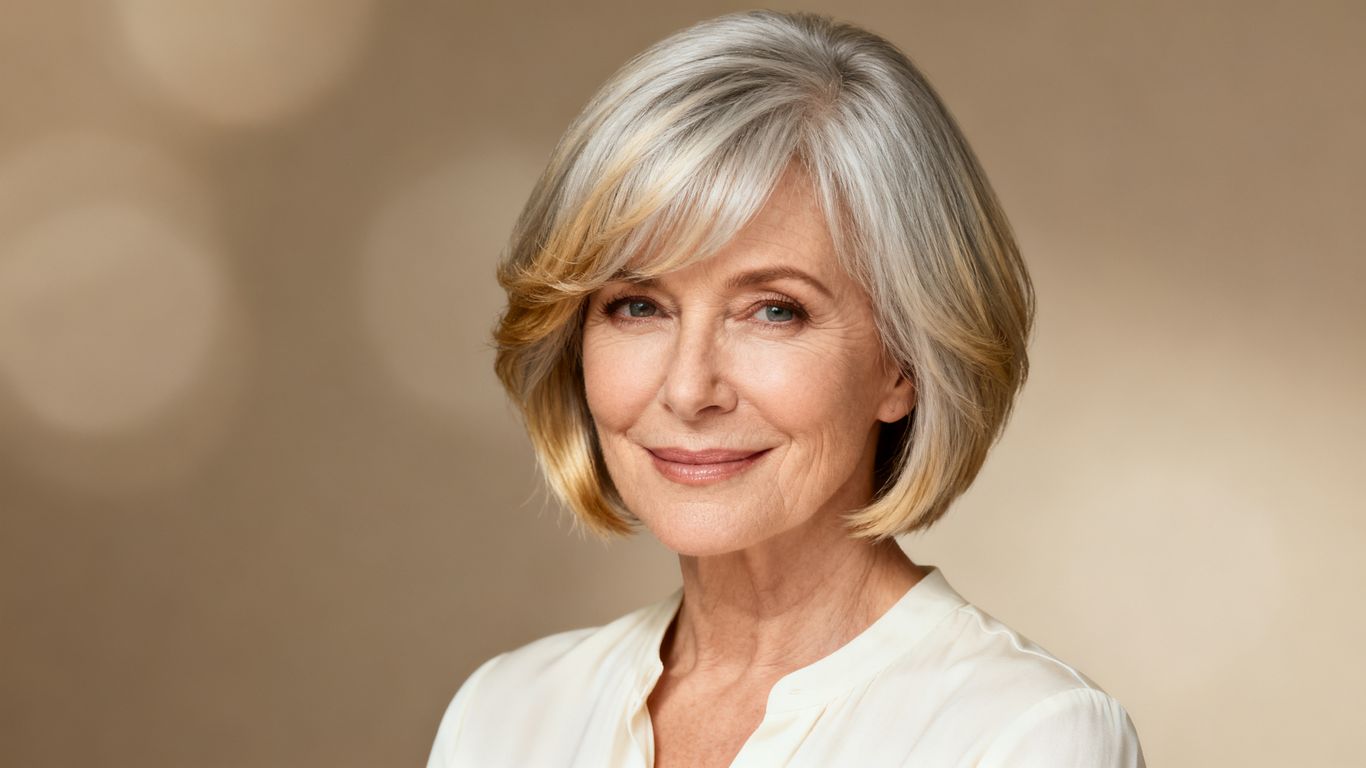
Layered pixie cuts with height at the crown
A layered pixie can be especially effective when the crown remains long enough to style upward or slightly to one side. Keep the sides neat without making them severe, and allow a few pieces near the temples to soften the transition. This gives you a compact haircut with visible direction.
If you prefer a relaxed finish, ask for piecey layers rather than a perfectly sculpted top. A small amount of cream or wax can separate the ends while keeping the shape touchable.
Textured bobs that fall below the chin
A bob that ends just below the chin can create a longer vertical line than one that stops at the jaw. Soft texture keeps the perimeter from looking blunt, while a side part or subtle angle prevents the cut from appearing like a solid horizontal band.
You can also consider a slightly longer front with a shorter back. This shape keeps the nape tidy while giving the front enough length to skim past the widest part of the face.
Graduated cuts that create a slimmer silhouette
Graduation builds a stacked shape at the back and can make the sides look more controlled. The key is to keep the graduation smooth rather than overly rounded at cheek level. A gentle stack paired with longer front pieces gives the haircut structure without creating a helmet-like outline.
Show your stylist how much styling you realistically want to do. A dramatic graduation may need more frequent shaping, while a softer version can grow out more quietly.
Side-swept crops with soft, face-framing movement
A side-swept crop gives the eye a diagonal path, which can feel more flattering than a strict center line. Leave enough length in the fringe to sweep across the forehead and blend it into the side layers. Wispy ends help the look stay light.
For another low-fuss direction, see this textured crop with soft waves. The useful idea is the upward, tousled movement—not copying every detail of a pictured cut.
Short hairstyles that work with a double chin
A double chin does not rule out short hair. You simply need to think carefully about where the cut ends and how the front pieces move around the jaw. A stylist can create softness and direction without making the haircut look as though it is trying to conceal you.
Choose lengths that avoid ending at the widest point
A blunt line that lands exactly at the fullest part of the jaw can draw attention to that area. Instead, choose a length that finishes above it with a tapered edge or extends below it with enough movement to continue the vertical line. Even a small change in length can alter the balance.
Try looking at the haircut from the side as well as straight on. The side view often reveals whether the perimeter is supporting the face or forming a visual stop beneath it.
Add angled layers to draw the eye downward
Longer pieces near the front can begin around the cheekbone and continue toward the collar area, depending on how short you want the overall style. These angled layers guide the eye downward instead of leaving a single heavy line at the chin.
The layers should still connect to the rest of the haircut. Disconnected pieces can look accidental unless you enjoy a deliberately edgy finish and are comfortable styling them.
Use asymmetry to create visual balance
A slightly uneven part, longer fringe, or longer front corner can make a short style feel less circular. Asymmetry does not need to be dramatic. A subtle difference between the two sides often provides enough direction while remaining easy to wear.
You can reinforce the effect by sweeping the hair toward the shorter side. Keep the finish soft, since a very sharp angle may compete with your features rather than complement them.
Soften the jawline with tapered sides and wispy ends
Tapered sides reduce bulk around the lower face, while wispy ends prevent the perimeter from looking dense. This combination works particularly well when your hair is thick or tends to expand around the jaw. The goal is a clean outline with air around it.
Avoid cutting every strand to the same length around the face. Small variations in length create movement and make the style easier to refresh between appointments.
Adapting the cut to your hair texture
The same haircut can behave completely differently on fine, thick, curly, wavy, or straight hair. Your stylist should consider how your hair dries naturally, not only how it looks after a salon blow-dry. Texture-aware cutting usually gives you a more reliable shape and less daily correction.
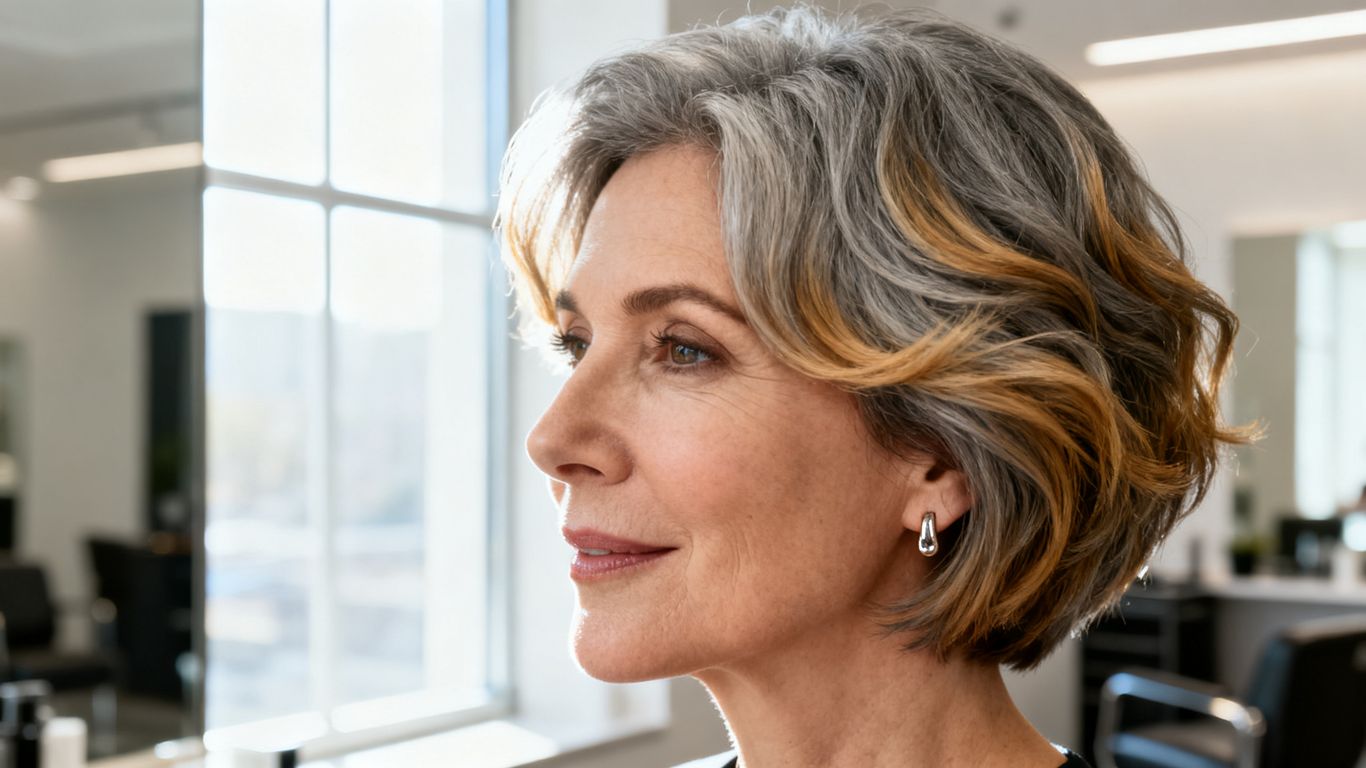
Fine hair: build fullness without adding width
Fine hair benefits from a strong underlying shape and carefully placed layers. Too many short layers can make the ends look sparse, while a softly graduated cut can create the impression of fullness. Keep some weight at the perimeter and use crown lift rather than broad side volume.
A lightweight mousse or root-lifting product may help, but start with a small amount. Heavy creams can flatten fine hair and make the haircut lose its shape before the day is over.
Thick hair: remove bulk while preserving movement
Thick hair often needs internal weight removed so it does not form a wide shelf around the cheeks. Ask for controlled debulking and blended layers instead of simply thinning every section. Over-thinning can leave coarse hair frizzy or uneven as it grows.
The best result feels lighter but still has a clear outline. Your stylist can decide whether scissor work, razor work, or a combination suits your texture and condition.
Curly and wavy hair: shape the cut around natural volume
Curly and wavy hair should be assessed in its natural pattern whenever possible. Shrinkage can make a short cut appear much shorter once dry, and the curl’s strongest volume may not sit where you expect. A rounded shape with carefully controlled sides can preserve bounce without adding width at cheek level.
Bring your usual styling routine to the conversation. If you mostly air-dry, the cut needs to work with that choice rather than depend on a smooth blowout.
Straight hair: create texture with layers and styling
Straight hair shows the outline of a cut clearly, so blunt edges and uneven growth can be especially noticeable. Light layering, an angled front, or a textured fringe can prevent the style from looking flat. You can also create separation with a small amount of styling paste on the ends.
Keep texture selective. If every section is heavily piecey, the haircut may look thinner instead of fuller, especially around the crown.
Styling techniques that enhance the haircut
Small styling changes can make a well-cut shape look more balanced. You do not need a complicated routine; the goal is to direct the hair so it supports the cut’s natural lines. Work with the crown, fringe, and ends first, then decide whether you need additional product.
Create lift at the crown with the right drying direction
To add height, dry the crown in the opposite direction from where it naturally falls, then let it settle into place. Use moderate heat and keep the airflow moving so the roots do not become stiff. A round brush can help, but your fingers may be enough for a short cut.
Once the hair cools, gently loosen it rather than brushing all the lift away. This creates a softer result that still has shape.
Sweep bangs diagonally instead of cutting a blunt line
A diagonal fringe can open the forehead and create movement across the face. Side-swept bangs are often easier to blend than a heavy straight fringe, especially if you want a style that grows out gracefully. Ask for a soft edge rather than a thick block of hair.
Curtain-style bangs can also work when the center opening is gentle and the shortest pieces do not finish at the widest part of the cheeks. The exact length should follow your hair’s behavior.
Add loose texture for a lighter, modern finish
Texture spray, mousse, or a small amount of styling cream can separate layers and keep the haircut from appearing too compact. Apply product to damp hair first, then add a tiny amount to dry ends only if they need definition.
Use this simple sequence when you want a quick finish:
- Dry the roots with the crown lifted.
- Direct the fringe diagonally or slightly away from the face.
- Add a small amount of product to the mid-lengths and ends.
- Loosen the shape with your fingers instead of brushing it flat.
This routine preserves movement without making the sides puffy. If you enjoy a more expressive clothing style, TrendReactTees.STORE publishes a Kawaii Streetwear Styling Guide that likewise discusses balancing contrast and proportion—an idea that applies neatly to coordinating hair with the rest of your look.
Avoid volume concentrated at the cheeks and jaw
When the sides expand directly beside the cheeks, the face can appear wider even if the haircut itself is attractive. Smooth that area lightly with your hands or a small brush, then redirect volume toward the crown or the lower front pieces.
Do not flatten everything in response. A short style needs some air and movement; just keep the strongest volume away from the broadest part of the face.
Bangs, layers, and color details to consider
Once the main shape is chosen, smaller details can make it feel personal. Bangs, layers, color, glasses, and earrings all interact with the face and haircut. Aim for coordination rather than having every detail compete for attention.
Compare side-swept, curtain, and wispy bangs
Side-swept bangs create a strong diagonal and are often simple to blend into a pixie or bob. Curtain bangs open near the center and can soften the forehead when they are long enough to connect with the sides. Wispy bangs offer the lightest effect, but they may need more frequent trimming to stay intentional.
Consider how much styling you want each morning. A fringe that looks beautiful only after careful reshaping may become frustrating if you prefer to wash, dry, and go.
Place layers to frame the eyes and cheekbones
Face-framing layers can direct attention toward the eyes and cheekbones, provided they do not end as a heavy shelf across the cheeks. Ask for blended pieces that move when you turn your head. The shortest layer should be chosen with your natural texture and desired softness in mind.
If you wear glasses, try the haircut with your frames on during the consultation. The temples, fringe, and side layers need enough room to sit comfortably together.
Use dimensional color to add depth and movement
Subtle variation in color can make layers easier to see and give a short haircut visual depth. This might come from highlights, lowlights, or a softly blended change around the face. Keep the placement natural to your base color and maintenance preferences.
Color should support the shape, not distract from it. If your hair is delicate or dry, discuss its condition before adding a chemical service.
Coordinate the hairstyle with glasses and accessories
Glasses, earrings, scarves, and collars can change how short hair reads around the face. A swept fringe may leave room for bold frames, while a close crop can make statement earrings feel especially intentional. Balance one noticeable detail with quieter choices nearby.
For a playful wardrobe reference, TrendReactTees.STORE’s oversized graphic tee guide discusses how proportion and length affect an outfit silhouette. TrendReactTees.STORE also offers a Cyber Brutalist tee styling guide, focused on balancing a bold graphic with intentional fit and layering; the same restraint can help when pairing expressive accessories with a detailed haircut.
Making a short hairstyle practical after 60
A flattering haircut should fit your real life, including your schedule, hand strength, vision, and willingness to use styling tools. Short hair is not automatically low maintenance; some precise shapes need frequent trims or daily shaping. The most successful choice is one that still feels good on an ordinary morning.
Match the haircut to styling time and dexterity
Tell your stylist how you usually dry your hair and which tools you can comfortably handle. If you prefer air-drying, choose a shape that supports your natural texture. If you enjoy styling, you can consider more crown height, layered movement, or a sharper perimeter.
Ask for a demonstration before leaving the salon. One clear drying direction and one dependable product may be more useful than a long list of techniques.
Plan trims around the shape of the cut
A close pixie, precise bob, or tapered neckline can lose its intended outline as it grows. Softer layers and textured crops usually tolerate a little more time between appointments. Discuss an interval that fits your budget and calendar.
Take a quick photo when the haircut looks its best. It can help you and your stylist identify which areas need reshaping at the next visit.
Choose products that support mature hair
Mature hair may be drier, finer, coarser, or more delicate than it once was, so product choice matters. Look for lightweight moisture, flexible hold, and heat protection when needed. Apply less than you think at first; you can always add another small amount.
Avoid piling several products onto the roots. Clean lift and soft definition usually look fresher than a heavily coated finish.
Discuss face shape, hair changes, and maintenance with a stylist
Bring photos, but treat them as conversation starters rather than promises. Explain what you like about each example, whether that is crown height, cheekbone-framing movement, or a neat neckline. Then ask how those features can be adapted to your density, texture, face shape, and maintenance needs.
A good consultation should leave you with a clear understanding of length, styling time, and upkeep. That makes the haircut feel chosen for you—not merely copied from a picture.
Conclusion
The best short haircut for a fuller face and double chin is one that gives your features direction without making you feel disguised. Look for controlled volume, movement away from the cheeks, and a length that supports your jawline. When the shape suits your texture and your daily routine, confidence becomes part of the style.
Frequently Asked Questions
What is the most flattering short haircut for a round face over 60?
A layered pixie, textured bob below the chin, or softly graduated crop can all work well. Choose the option that gives you some crown height and avoids excessive width at the cheeks.
Should short hair end above or below a double chin?
Either can work, depending on the shape. A tapered cut above the jaw or a longer front that extends below the fullest point is often easier to balance than a blunt line ending exactly there.
Are bangs flattering on a fuller face?
Yes, especially when they are side-swept, wispy, or softly parted. Avoid a very heavy straight fringe if it makes the face look shorter or adds weight across the cheeks.
Can a pixie cut work with a double chin?
A pixie can work when the crown has gentle height, the sides are controlled, and the front has enough length to create movement. A very rounded, bulky shape may add width instead.
How should fine hair be cut for a fuller face?
Keep enough weight at the perimeter to prevent see-through ends, then add lift at the crown. Too many short layers at the sides can make fine hair look wider without making it look fuller.
What haircut works best for thick hair and a round face?
A graduated or layered cut can remove excess bulk while preserving movement. Ask for blended weight reduction rather than aggressive thinning throughout the hair.
How often should a short haircut be trimmed after 60?
It depends on the precision of the style. Close pixies and sharp bobs may need more frequent trims, while textured crops and softer layers can usually tolerate a little more growth.