

Silver Point Siamese Cats: Color, Care, and Personality
TrendReactTees.STORE TeamThis post may contain affiliate links. If you make a purchase through these links, I may earn a small commission at no extra cost to you.
For cat-person style, you can keep it lucky with the Lucky Cat Charm Tee or bring the caffeine energy with the Right Meow Brew Tee.
A silver point Siamese cat may have a silver-tabby pattern, a smoke pattern, or a pointed coat someone describes informally as silver. The phrase is a coat description, and its meaning depends on who's using it.
That distinction matters when you're looking at breed standards or considering a cat for your home. Here's how to read the color label and get to know the cat behind the aesthetic.
Key Takeaways
- "Silver point" can describe several looks, so ask what pattern the term means for an individual cat.
- CFA lists four Siamese colors, while TICA accepts a broader range of pointed colors and patterns.
- Siamese cats often enjoy company, play, and climbing, but each cat has its own personality.
- A short coat usually needs little grooming, and food portions should fit your cat's individual needs.
- Coat color alone doesn't establish pedigree or health. Available records and a conversation with the caregiver offer better context.
What Does "Silver Point" Mean on a Siamese Cat?
"Silver point" describes a pointed cat with a silvery look, but it isn't a Siamese color name accepted by every registry. The phrase may refer to a silver tabby point, a smoke point, or a cat whose coloring someone informally calls silver.
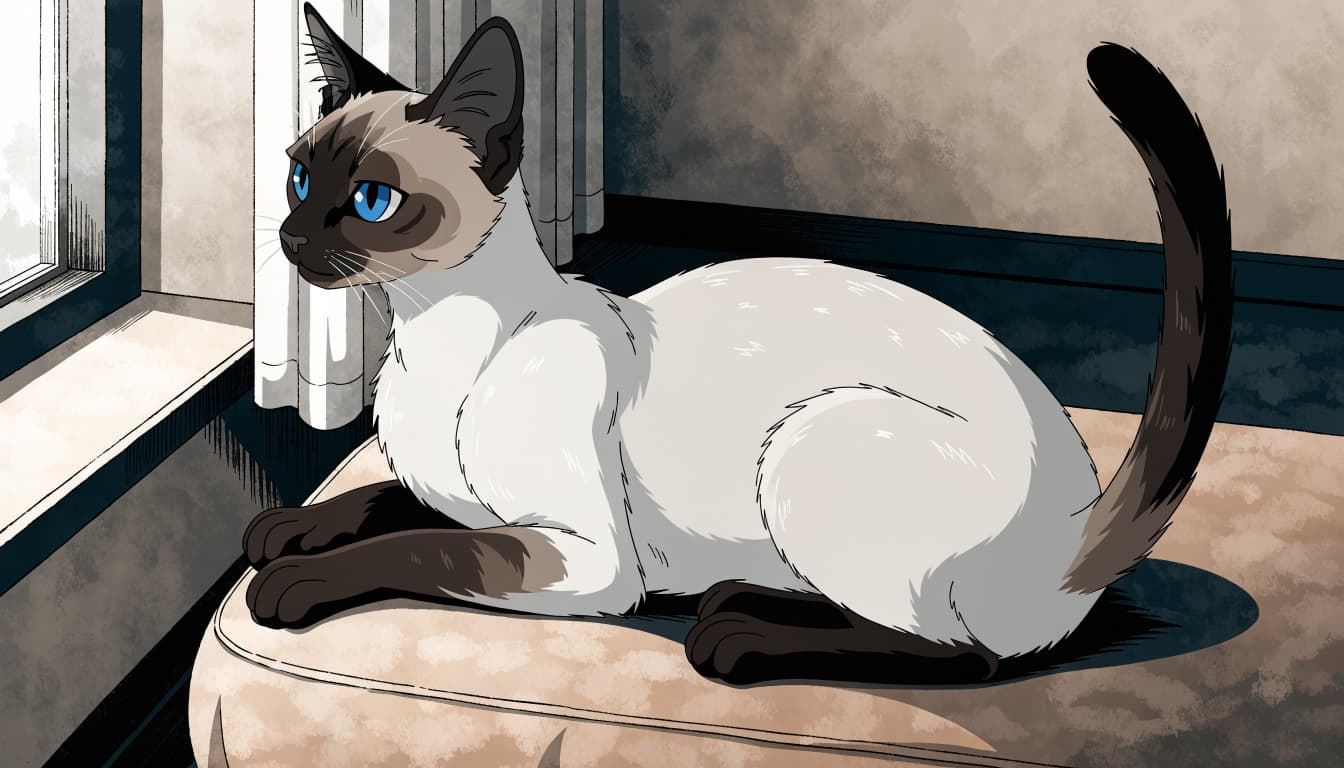
Those descriptions aren't interchangeable. A silver tabby point combines a silvered appearance with tabby markings on the points. A smoke point has a different pattern, with a lighter hair base beneath darker coloring. Someone might also use "silver" to describe a cool-looking shade without referring to either pattern.
The Cat Fanciers' Association, or CFA, names seal, chocolate, blue, and lilac as its Siamese colors. The International Cat Association, or TICA, accepts a wider range of colors and patterns in the pointed category. TICA says silver tabby points and smoke points were accepted in 1989.
That doesn't mean every cat called silver point has the same registry classification. A description in an adoption listing tells you what someone sees. Registration documents can tell you more about a cat's recorded background and classification.
The term also doesn't prove a cat is a pedigree Siamese. Plenty of cats have darker points and pale bodies, and a striking coat doesn't come with a pedigree certificate attached.
For a closer look at Siamese appearance and personality, Veterinary Network's breed video offers a useful starting point.
How to Recognize a Silver-Pointed Coat as Your Cat Grows
A pointed coat gives you a lighter body paired with darker coloring on the extremities. The amount of contrast and the details within those darker areas depend on the cat's color and pattern.
Look at the Points, Body Color, and Eye Color
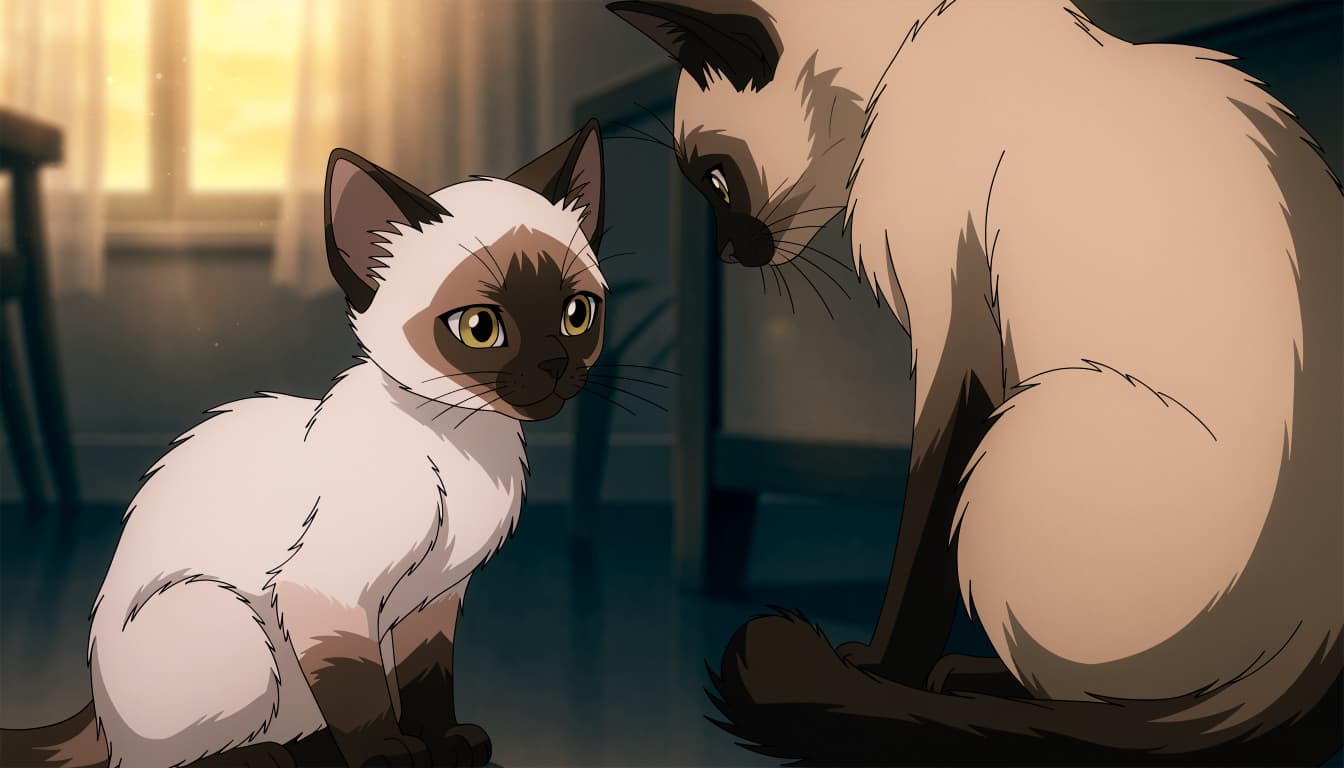
Look at the mask, ears, legs, feet, and tail. Those areas make up the points, and they stand out against the lighter body. On a silver tabby point, you may notice striping in the darker areas.
A cat described as silver could look different from another cat with the same informal label. Lighting and photographs can also make shades look warmer, cooler, or more dramatic than they do in person.
The CFA Siamese standard calls for deep, vivid blue eyes. They're a memorable part of the look, but blue eyes alone can't establish a cat's breed or registration.
Expect the Coat to Develop Over Time
A kitten's coat isn't a fixed preview of its adult wardrobe. Siamese coats can darken as cats mature, and an adult may look darker than it did as a kitten.
VCA Animal Hospitals describes this as a general breed characteristic. It doesn't establish an exact timeline for a particular kitten or promise a certain change in a silver pattern.
If you're drawn to a kitten's pale coloring, leave room for the possibility that its appearance will change. Ask the caregiver about the cat's current pattern and background, but choose a companion you'll love even if its color settings shift.
What Living With a Siamese Cat Is Really Like
Siamese cats often have a reputation for being affectionate, active, and vocal. You may find yourself sharing your space with a cat who has opinions about dinner, closed doors, and your availability for play.
That reputation is a starting point, not a personality guarantee. Your cat might be talkative and outgoing, more reserved, or somewhere in between. Pay attention to the individual in front of you.
Plan for Company, Play, and Climbing
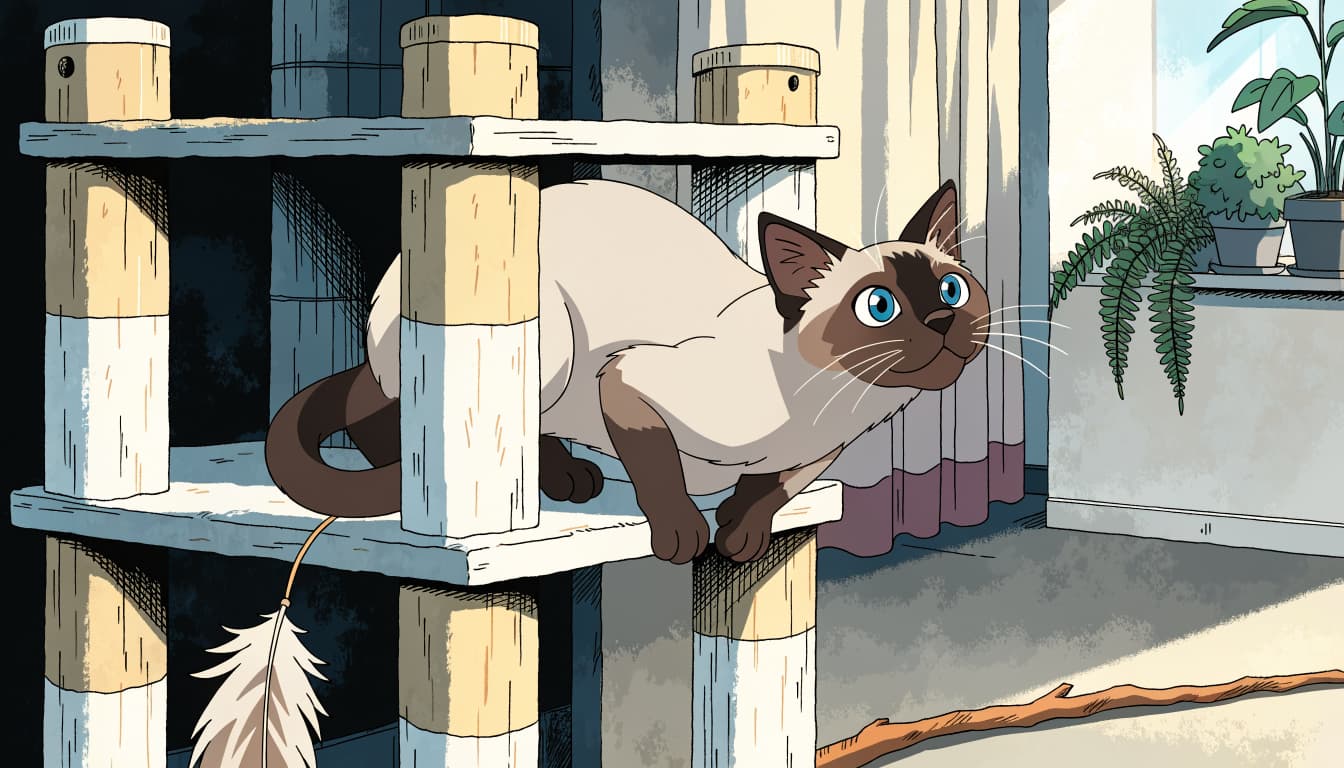
Many Siamese cats enjoy being involved in household life. Make time for interactive play and give your cat opportunities to climb, watch the room, and retreat when it wants a break.
A sturdy cat tree or secure shelves can give a climber somewhere appropriate to go. Rotate toys and notice which ones hold your cat's interest. The cardboard box may still win. That's a decision your cat is entitled to make.
Some Siamese cats may enjoy another cat's company, including another Siamese. A second cat isn't an automatic fix for loneliness, though. Consider both cats' temperaments and introduce them gradually, with separate spaces available.
Long stretches alone can be stressful for some cats. Changes such as persistent overgrooming deserve a conversation with your veterinarian rather than an assumption that every Siamese reacts the same way.
Keep Grooming and Feeding Simple and Individual
The Siamese coat is short and usually easy to maintain. A quick weekly comb is often enough, and baths are rarely needed. Your cat's skin, coat, and comfort may call for a different routine, so adjust when needed.
Choose food and portions around your cat's age, health, and individual needs. Your veterinarian can help you build a feeding plan that fits. One universal serving size for every cat would be convenient, but your cat didn't come with a standardized settings menu.
Regular veterinary visits and attention to changes in appetite, behavior, or grooming belong in the routine too.
How to Choose a Silver Point Siamese Cat Responsibly
A beautiful face might get your attention first. Your next move is finding out whether the cat's background and daily needs fit your home.
Ask What "Silver Point" Means in This Cat's Case
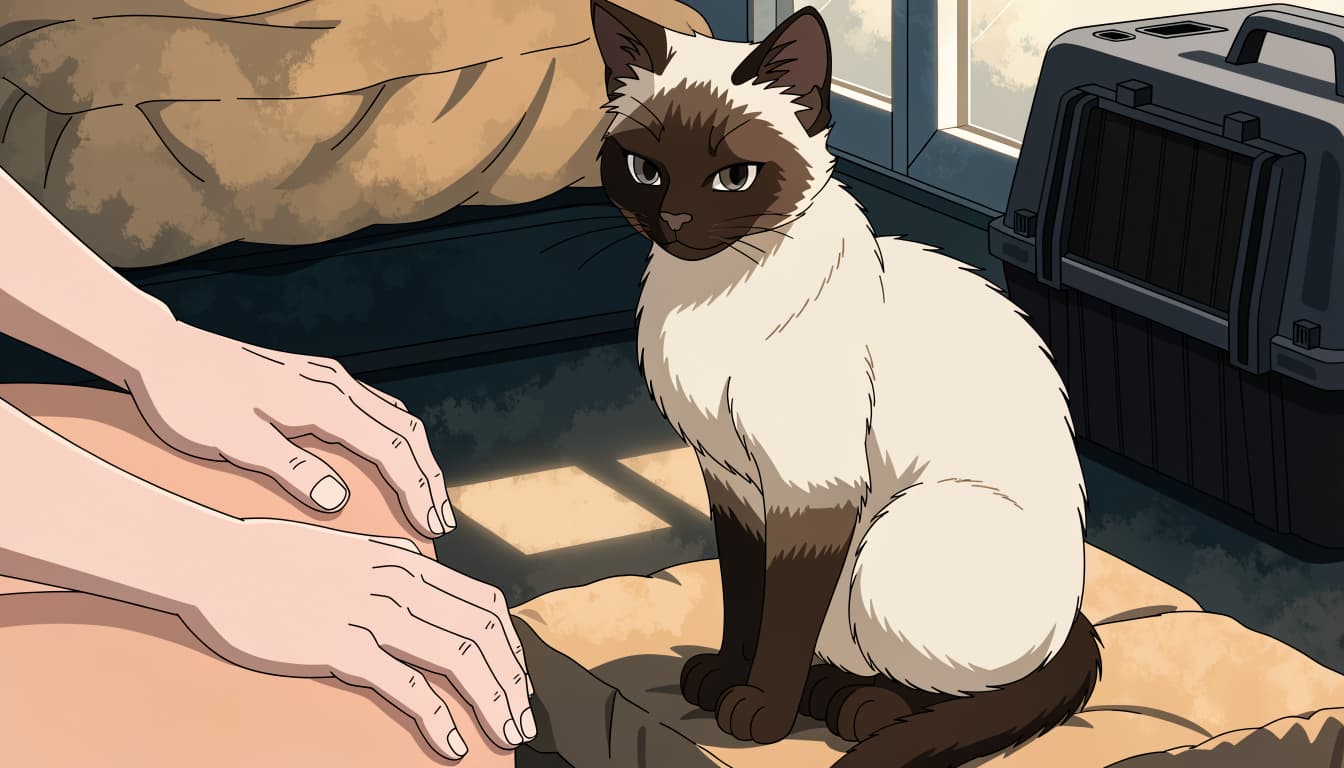
Ask the breeder, rescue, or current caregiver what they mean by "silver point." Are they describing a silver tabby point, a smoke point, or simply a silvery-looking coat?
If pedigree status matters to you, request the available registration records and the registry's exact color or pattern description. CFA and TICA use different standards, so the registry name matters when you interpret the paperwork.
You don't need to treat an informal color description as a problem. You do need to understand what it tells you. A label can describe the look you love without establishing ancestry, registration, or health.
Review Records and Meet the Cat's Needs
Ask to see available veterinary records, preventive-care history, and any known health information. Talk about the cat's food, grooming routine, favorite activities, and reactions to everyday handling.
Behavior across familiar situations can tell you more than one brief greeting. Ask how the cat responds to visitors, time alone, and other animals. If you have children or pets, consider their routines and comfort too.
Give a new cat a quiet place to retreat, and keep introductions gradual and supervised. If fear or persistent distress develops, your veterinarian can help you decide what support is needed.
Silver coloring doesn't predict a medical condition. Choose with the cat's individual history and needs in mind, not a promise attached to its coat.
Streetwear & Casual Styling for Cat People
A silver-pointed cat has contrast built in: a lighter body, darker points, and a face that looks ready to judge your entire outfit. You can borrow that light-and-dark balance for your own casual look.
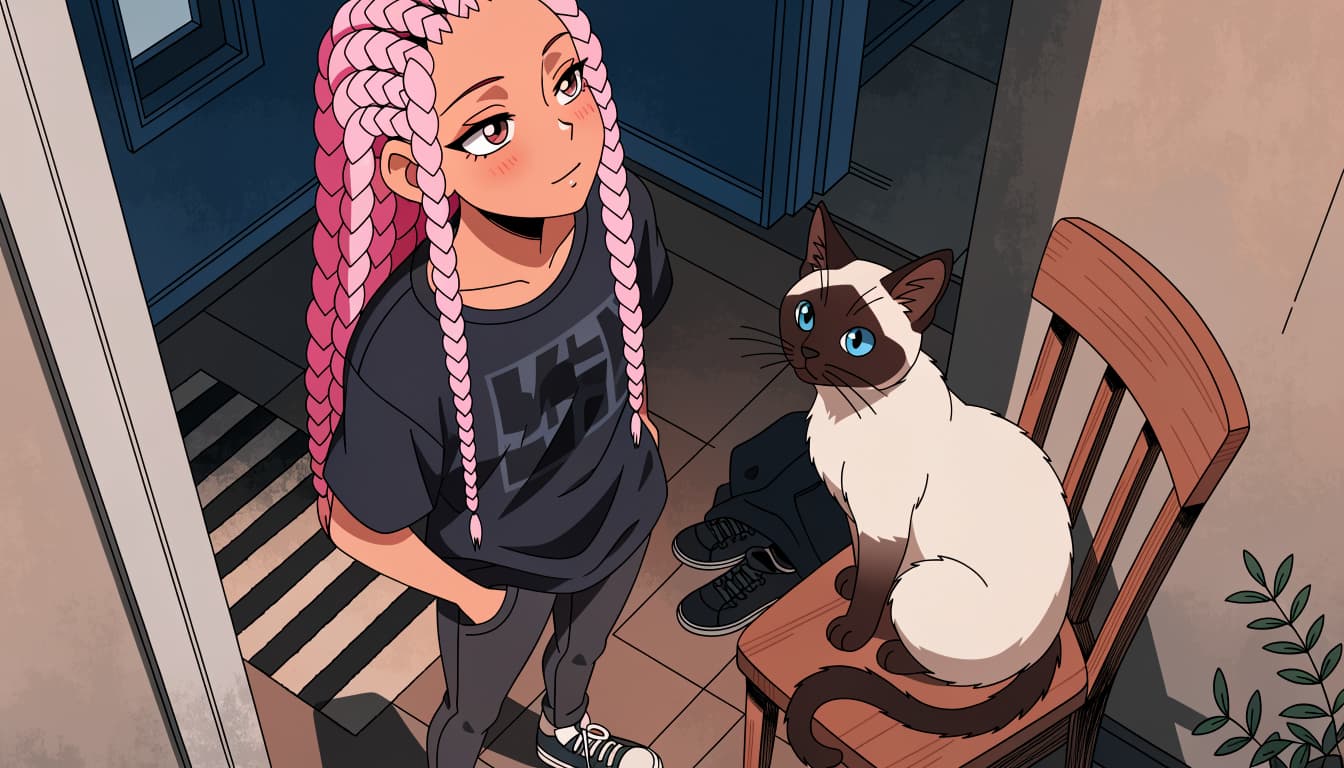
Start with Cyber-Brutalist Anime Graphic Tees and keep the rest simple. Black jeans, a gray overshirt, and neutral sneakers give the graphic room to do its job without turning your outfit into a crowded character-select screen.
The Cat Needs Alone Time Sit in Dark Tee fits an understated, darker look. Add a light jacket when you want a little more contrast.
For a gaming-inspired option, pair the Cats Virtual Life More Fulfilling Than Mine Tee with relaxed jeans and an open neutral layer. Your cat may ignore the reference, but your fellow cat people will get it.
Frequently Asked Questions
Is Silver Point an Official Siamese Color?
Recognition depends on the registry and the exact pattern. CFA names seal, chocolate, blue, and lilac for Siamese cats, while TICA accepts a broader range of pointed colors and patterns, including silver tabby and smoke.
Can You Tell if a Cat Is Pedigree Siamese by Its Coat?
A pointed coat or a "silver point" description can't prove pedigree. If pedigree status matters to you, registration documents are more useful than appearance alone.
Will a Silver-Point Siamese Kitten Get Darker?
Siamese coats can darken with age, so a kitten may look darker as an adult. That general tendency doesn't guarantee a particular change or timeline for an individual silver-pointed cat.
Do Silver-Point Siamese Cats Need Special Grooming?
A short Siamese coat generally needs little upkeep, and a quick weekly comb is often enough. Your cat's coat and skin may need different attention, so discuss concerns with your veterinarian.
Choose the Cat, Not Just the Color
"Silver point" can describe more than one look, and registries don't all classify pointed patterns the same way. Ask what the description means for the cat you're considering, then look at its available background and care information.
The coat may be what catches your eye. The individual cat, its personality, and the routine you can share are what make the match work.