

Smoking After Wisdom Teeth Removal: When Is It Safe?
You should avoid smoking and vaping for at least 48 to 72 hours after surgery. Waiting 5 to 7 days is safer, especially after difficult extractions, impacted lower teeth, or multiple removals. The blood clot in each socket is tiny but important, and the first few days are when it is easiest to disturb.
Smoking after wisdom teeth removal can raise your risk of dry socket, irritation, delayed healing, and a miserable pain spike nobody ordered. Your oral surgeon's instructions always win over general advice, so follow their timeline first. Here's how to protect the healing area, handle cravings, and spot problems early.
Key Takeaways
- Avoid cigarettes, vapes, cigars, hookah, and cannabis smoke for at least 72 hours.
- Waiting 5 to 7 days, or longer if your surgeon says so, gives the socket more protection.
- Suction, heat, smoke, and nicotine can mess with the blood clot.
- Worsening pain after initial improvement can point to dry socket or infection.
- Skip straws, forceful rinsing, and crunchy foods while the socket is healing.
Smoking After Wisdom Teeth Removal: How Long Should You Wait?
The practical minimum is 72 hours without smoking or vaping. That covers the most fragile part of early healing, when your blood clot is still trying to stay put and do its job.
Some oral surgery offices advise at least 48 to 72 hours without tobacco, while others recommend a minimum of five days. Siouxland Oral Surgery's dry socket guidance includes cigarettes, cigars, vaping, and chewing tobacco in that early no-go zone. PNW Oral and Maxillofacial Surgery's post-op instructions recommend avoiding smoking for at least five days.
If you can hold out for 5 to 7 days, do it. If you had impacted lower wisdom teeth, stitches, several teeth removed, or a surgery that felt like a boss battle, your surgeon may want a longer break. Their instructions override every generic timeline on the internet.
Why the First Few Days Matter Most
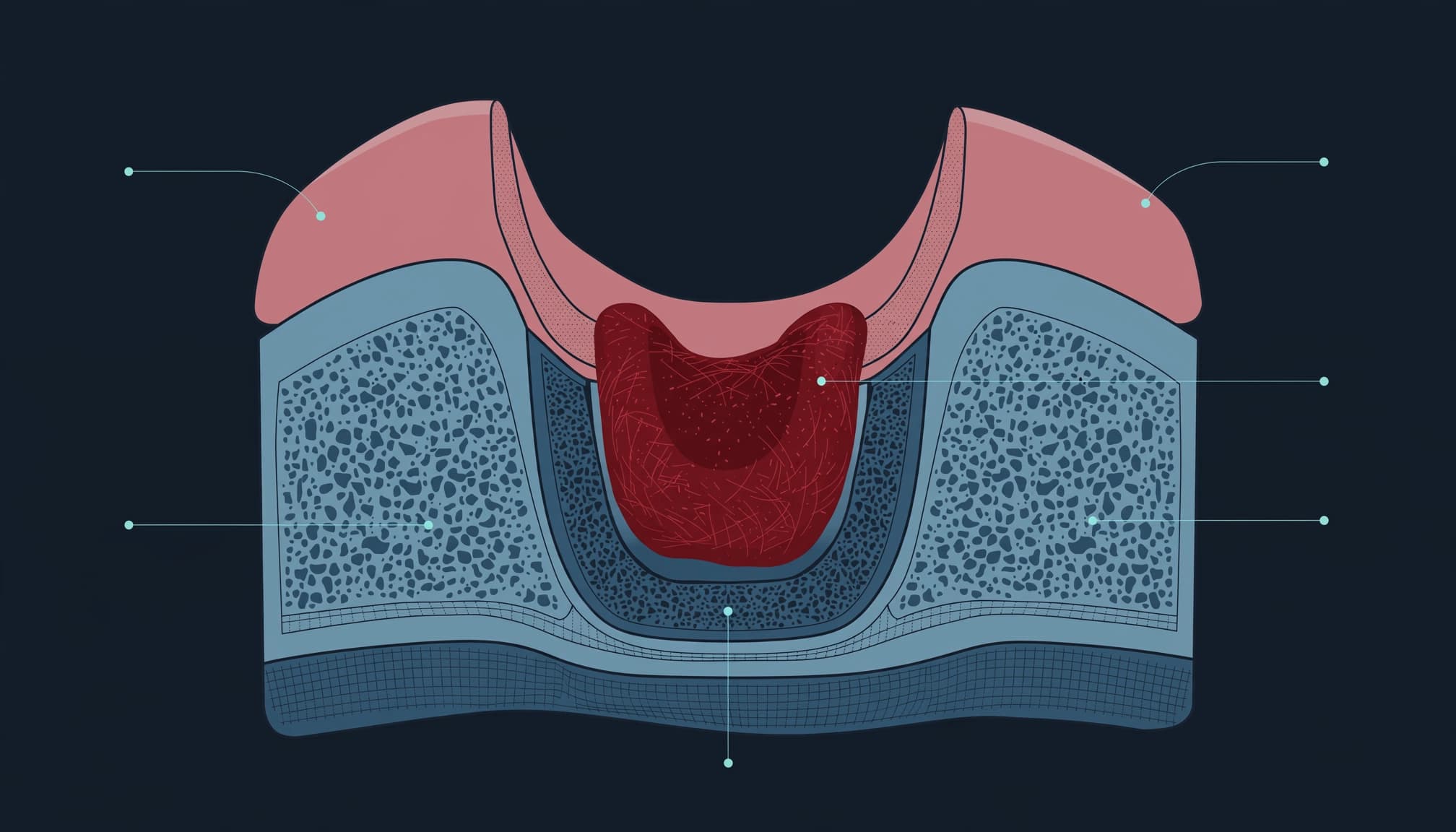
After a tooth comes out, a blood clot forms in the empty socket. It covers exposed bone and nerves while gum tissue begins to heal. Think of it as the socket's temporary shield.
Smoke and heat can irritate the area. Nicotine can reduce blood flow, and the pulling motion of inhaling creates suction near the wound. That combination can dislodge the clot or interfere with healing. A cigarette smoked "gently" is still bringing heat, smoke, nicotine, and suction to a fresh surgical site.
The first 24 to 72 hours are the high-alert window. Keep the socket boring. Boring is good here.
Is Vaping Safer Than Smoking After an Extraction?
No. Vaping isn't a loophole in the post-op rules.
Even nicotine-free vape products still involve inhaling, heat, and chemicals that may irritate healing tissue. Nicotine vapes add the same blood-flow concern as cigarettes. The suction part is also a problem, because your mouth doesn't care whether the pull came from a cigarette, a vape pen, a hookah hose, or a dramatic anime villain's fog machine.
Avoid cigarettes, cigars, hookah, cannabis smoke, and vape devices during the same healing period. Your socket gets no prize for identifying the delivery system.
What Can Happen If You Smoke Too Soon?
Smoking too early doesn't guarantee a complication. It does raise the odds, and this is not a side quest worth taking. The biggest concern is dry socket, also called alveolar osteitis.
Dry socket happens when the blood clot is lost, breaks down too soon, or doesn't form properly. The underlying bone and nerves are left exposed, which can cause sharp, throbbing pain and slow the recovery process. NHS inform's wisdom tooth removal advice notes that dry socket is more likely when you don't follow the aftercare instructions given by your dentist.
You may also deal with more irritation, delayed healing, bleeding, swelling, or an infection that needs extra treatment. Some pain and swelling are normal after wisdom tooth surgery. The NHS recovery guidance says they should usually begin improving after a day or two. The problem is pain that starts to level up after it had started calming down.
Dry Socket Symptoms to Watch For
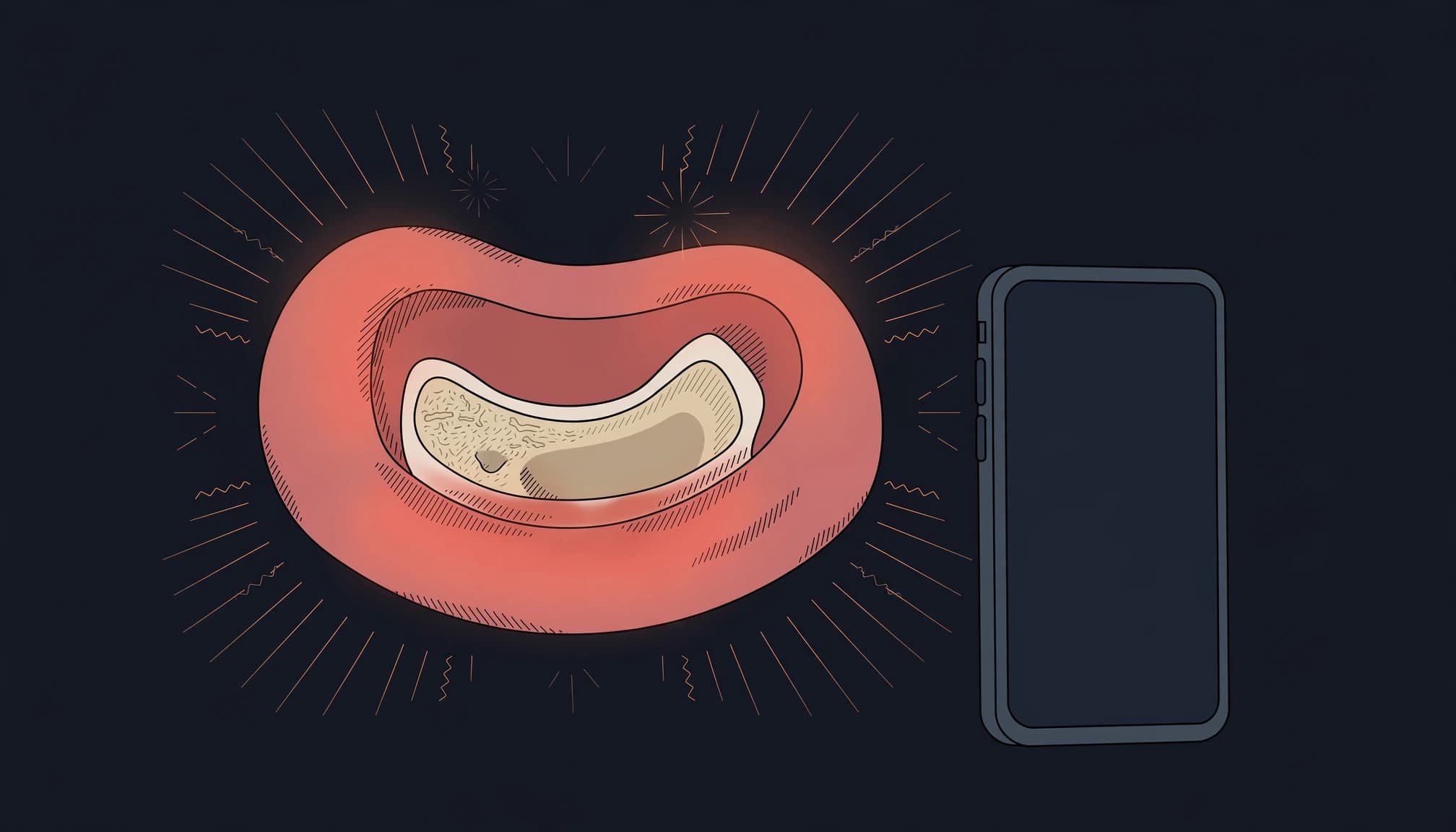
Dry socket pain often gets worse one to five days after the extraction. It can feel severe, throbbing, or deep in the jaw, and it may spread toward your ear, temple, eye, jaw, or neck.
Other warning signs include bad breath, a foul taste, and a socket that looks empty or has visible bone. Don't poke it, scrape it, or repeatedly inspect it under your phone flashlight. That can irritate the area more.
Call your dental office promptly if this pattern shows up. Dry socket is treatable. Guy's and St Thomas' dry socket information explains that treatment can include carefully cleaning the area and placing an antiseptic dressing.
When Pain, Swelling, or Fever Needs Urgent Help
Some tenderness, jaw stiffness, and swelling are expected early on. Contact your dentist or oral surgeon if pain worsens after 48 to 72 hours, swelling keeps increasing, or you notice pus, fever, chills, a foul taste, or trouble opening your mouth.
Trouble breathing, trouble swallowing, or rapidly spreading swelling needs urgent medical care. Don't try to self-diagnose from a mirror selfie, and don't take leftover antibiotics from some ancient bathroom cabinet stash.
Pain that improves, then suddenly gets worse, deserves a call to the dental office.
How to Protect the Blood Clot While You Heal
Your job is to leave the socket alone while it heals. No straws. No forceful spitting. No vigorous rinsing. No aggressive swishing like you're trying to defeat mouthwash in a PvP match.
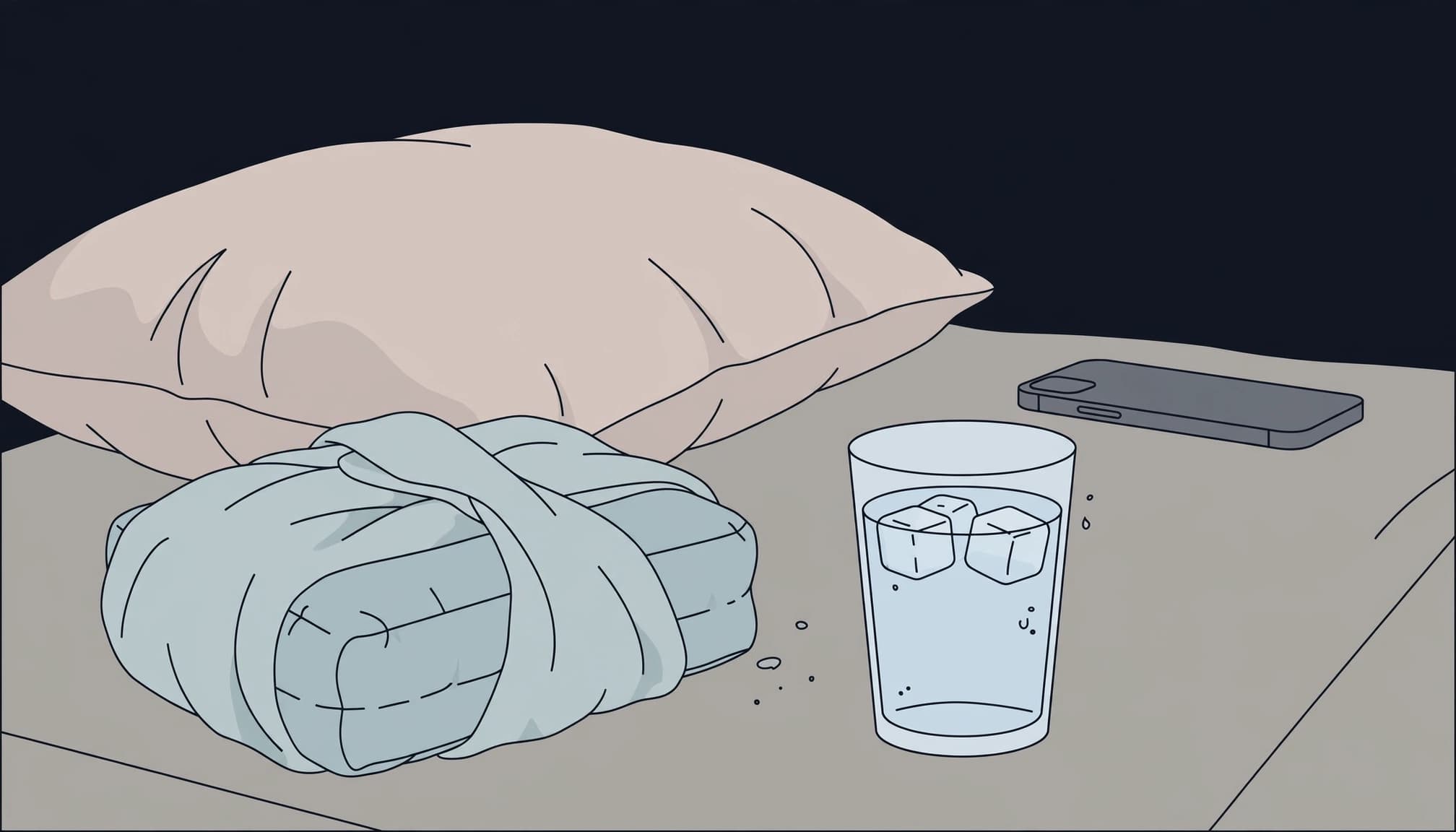
Rest on the first day, drink water, and use cold packs against the outside of your face as directed. Take prescribed or recommended medication exactly as your dental team instructed. Avoid alcohol and hot drinks if they told you to avoid them.
After 24 hours, your dentist may approve gentle warm salt-water rinses. A common mix is one-half teaspoon of salt in 8 ounces of warm water, but use it only if your post-op instructions allow it. Let the water roll around softly, then let it fall out of your mouth. No dramatic spit take.
What to Eat and Drink Instead of Smoking
Keep food soft and low-effort for the first few days. Water is the default drink, taken in small sips from a cup.
Good options include smoothies eaten with a spoon, yogurt, applesauce, mashed potatoes, scrambled eggs, oatmeal, soup once it has cooled, and other soft foods your jaw can handle. Chew away from the extraction site when possible.
Skip straws, hot food, spicy meals, crunchy snacks, and seeds early on. Tiny food particles in a healing socket are pure nuisance energy, and sharp chips are not helping anybody.

How to Handle Nicotine Cravings During Recovery
Cravings can be rough, especially when you're already tired and sore. Keep water nearby, avoid your usual smoke breaks, put on a game or show, and take a short walk if your surgical team says activity is okay.
Plan ahead if you can. Ask your dental team before surgery about temporary nicotine support that fits your health needs. Don't swap smoking for vaping, and don't place nicotine products near the wound without professional advice.
Nicotine gum and lozenges may irritate the mouth. Patches, gum, lozenges, and other options are worth discussing with a dentist, pharmacist, or healthcare professional before you use them after surgery.
Frequently Asked Questions
Can I Smoke One Cigarette After Wisdom Teeth Removal?
It's best not to. Even one cigarette exposes the healing site to smoke, heat, nicotine, and suction. Protect the clot instead of trying to bargain with the number of cigarettes.
Can I Smoke If I Have Stitches?
Stitches don't fully shield the socket from smoke, suction, or nicotine. The same waiting period still applies, and your surgeon may ask you to wait longer depending on the extraction and how you're healing.
Can I Use a Straw After Wisdom Tooth Removal?
No, not during the early healing period. Straw suction can loosen the blood clot and raise your risk of dry socket. Take small sips from a cup unless your dental team gives you a different timeline.
What If I Already Smoked After My Extraction?
Don't panic, but stop smoking now and avoid further suction or irritation. Follow your post-op instructions, keep an eye on worsening pain, foul taste, bad breath, fever, or swelling, and call the dental office if symptoms appear.
Does Cannabis Smoke Affect Wisdom Tooth Healing?
Yes. Cannabis smoke can create the same heat, smoke, and suction concerns as tobacco smoke. Edibles may not be suitable right after surgery either, especially if you're nauseated, sedated, or taking pain medication, so ask your healthcare provider first.
Give Your Socket the Quiet Recovery It Needs
Avoid smoking and vaping for at least 72 hours. Holding out for 5 to 7 days, or longer when your surgeon advises it, gives the blood clot a better shot at staying where it belongs.
Follow your surgeon's instructions, protect the area from suction, and call the dental office when pain starts getting worse instead of better. A few smoke-free days can save you from a much nastier recovery arc.