

Swimming at Lake Powell: Beaches, Safety, and What to Pack
TrendReactTees.STORE TeamSwimming is allowed in many parts of Lake Powell, but not in marinas, launch areas, or Rainbow Bridge National Monument. There are no lifeguards, and water quality, beach access, and conditions can change, so check current National Park Service alerts before you head out.
After your swim, dry-land gear can bring the outdoorsy energy without turning your shirt into a soggy side quest. Try our Nature Is My Wifi graphic tee or Nature Is My Therapist graphic tee for the ride back.
This post may contain affiliate links. If you make a purchase through these links, I may earn a small commission at no extra cost to you.
Key Takeaways
- Swimming is allowed in many areas, but avoid marinas, launch areas, Rainbow Bridge National Monument, and the main channel.
- Wahweap Swim Beach has a buoy-marked swimming zone; Lone Rock is a multi-use beach with camping.
- No lifeguards are on duty, so swim with a buddy and keep children close.
- Conditions shift with weather, lake levels, visitor use, and algae. Check alerts before you go.
- Pack secure water shoes, sun protection, and a complete dry change of clothes.
Swimming at Lake Powell: Find a Beach That Fits Your Trip
Lake Powell has several places to swim, but each offers a different mix of access, facilities, and activity. Choose your shore based on how you're getting there and what you want to do. Beach access, road conditions, and facilities can change, so check current NPS updates before leaving.
Choose Wahweap Swim Beach for a Marked Swimming Area
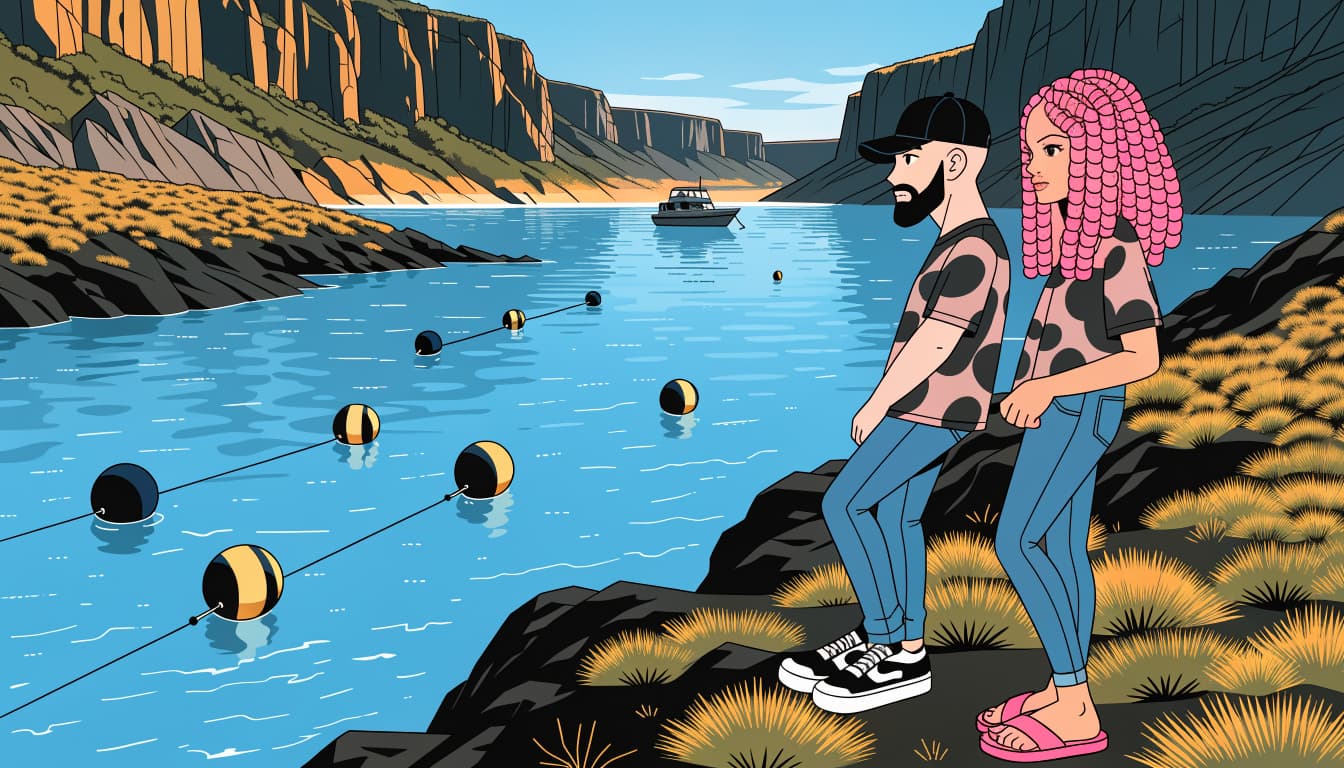
Wahweap Swim Beach is a day-use area marked by buoys. Motorized boats aren't allowed past the buoys, though kayaks and paddleboards are permitted. It's the only downlake swimming spot where motorized boats are prohibited, which makes the boundary clear without making the whole lake a no-boat zone.
Parking is on Lakeshore Drive, between the Picnic Area and Stateline Launch Ramp. The approach includes a gravel parking area and a sandy walk to the shore, so it isn't a paved, mobility-device-accessible route. Use the NPS notice about the relocated swim beach if you've seen older maps pointing to a different Wahweap location.

Visit Lone Rock Beach for Swimming and Beach Camping
Lone Rock Beach is a multi-use shoreline for swimming, day visits, beach camping, and off-road vehicles. Entrance and camping fees apply, and camping is first-come, first-served, with no reservations. Expect an open, informal beach rather than a dedicated swimming area with lifeguards.
Seasonal facilities may include restrooms, outdoor showers, running water, and an RV dump station. Those amenities aren't guaranteed to operate year-round, so plan for the possibility that you'll need to bring what you need.

Know the Bullfrog and The Chains Swimming Options
Bullfrog has no official swim beaches. Hobie Cat Beach is popular with swimmers, and visitors also swim near Stanton Creek Primitive Campground. The Chains is another NPS-listed swimming area.
These are not lifeguarded beaches, and conditions can vary by location and lake level. Treat "popular swimming spot" as a place description, not a safety rating.
Pick the Best Time and Prepare for Lake Powell Conditions
Your swim depends on more than the season. Water, weather, sun exposure, road access, and launch-ramp status can all affect the day. Check NPS alerts and local conditions shortly before departure rather than relying on an old report or a forecast you saw a week ago.
Plan Around Summer Heat, Sun, and Changing Water
Lake Powell's water can rise above 80°F in summer, but the actual temperature varies by place and date. Warm air doesn't guarantee warm water, either, so consider how you'll feel if you're wet for longer than planned.
The desert sun can hit hard, especially when there's little shade on the water. NPS recommends limiting direct sun from 10 a.m. to 4 p.m., using sunscreen of at least SPF 15, drinking water often, and wearing sunglasses that block at least 90% of UV sunlight. Reapply sunscreen after swimming, sweating, or toweling off.
Check Water Quality, Weather, and Access Before You Go
Storms, heavy visitor use, changing lake levels, and algal blooms can affect water quality and access. Check current NPS alerts before swimming, then confirm road, ramp, and facility status close to your trip. The NPS spring-runoff safety guidance also warns visitors to approach shore carefully when water and shoreline conditions are changing.
Don't enter water with floating algal scum. NPS harmful-algae guidance explains why scummy water is a reason to stay out, not a weird lake texture to investigate. Conditions can change, so an older advisory doesn't tell you what's happening at your beach today.
Stay Safe While Swimming in Lake Powell
There are no lifeguards at Lake Powell or on the Colorado River. Swimming is at your own risk, and the main channel is unsafe for swimming because boats travel through it. Pick a suitable area, stay alert, and don't let a flotation toy convince you it's a substitute for good judgment.
Keep Clear of Boats, Docks, Launch Ramps, and Cliffs
Stay out of marinas and launch areas, avoid the main channel, and never swim near moving boats. Propellers can cause catastrophic injuries, and electrical faults around vessels or docks can electrocute swimmers. Buoys help define the Wahweap swim area, but they don't make every other part of the lake safe for a casual dip.
Cliff jumping and diving from cliffs, ledges, or structures are prohibited. NPS doesn't recommend jumping or diving, even if the water looks deep enough from above. A pretty view is not a depth gauge.
Use Life Jackets, Swim With a Buddy, and Watch Kids Closely
Swim with a buddy and keep children within close reach. Children 12 and younger must wear a life jacket while at a marina, on a vessel, or in Lake Powell waters. For young children and inexperienced swimmers, choose a properly fitted U.S. Coast Guard-approved life jacket. NPS's Wahweap swim-area update also covers swimming rules and flotation requirements.
If you're swimming from a boat, secure it first. Never start its engine while anyone is in the water. Swim sober, too. Alcohol and open water are a bad pairing, even when the shoreline looks calm.
Protect Your Feet and Avoid Irritating Water
Wear sturdy water shoes. Sand can burn your feet, and glass, quagga mussel shells, and other sharp objects can cut them. Glass containers are prohibited at Wahweap Swim Beach, so leave them out of your beach kit.
Wash your hands before eating and shower with soap after water play. Skip swimming if you have open cuts or sores. If you spot floating algal scum, stay out and keep pets away from it; the NPS harmful-algae advisory outlines the risks of entering affected water.
What to Wear and Pack for a Lake Powell Swim
A hot air forecast doesn't promise warm water, and your outing may include a wet walk back to shore or a breezy boat ride. Choose clothes for the chance of getting wet, the sun exposure, and the trip afterward. Pack the dry clothes before you need them, not after you discover your one spare shirt is already damp.
Choose Quick-Drying Swimwear, Sun Coverage, and Secure Shoes
Wear swimwear or quick-drying clothes, plus a rash guard or lightweight sun-protective shirt. Secure water shoes help protect your feet on shore. Add a hat and UV-protective sunglasses, and reapply sunscreen after swimming, sweating, or toweling off. Ears, neck, and the tops of your feet need coverage too.

Bring Warm Layers and a Dry Change of Clothes
Pack a dry bag with a full change of clothes, including underwear and socks, plus a warm layer for the ride back. A spare shirt alone won't help much if your jeans, underwear, and socks are soaked too.
If changing layers means removing a PFD, return to shore first. Keep the dry bag accessible so the warm layer doesn't end up buried beneath the entire expedition's snack supply.
Streetwear & Casual Styling
Cotton graphic tees and casual streetwear belong after swimming, not in the water. Wet cotton can feel heavy and uncomfortable, so change into dry clothes before the fit check begins.
Build a relaxed post-swim look around our Cyber-Brutalist Anime Graphic Tees, dry shorts or jeans, and comfortable shoes. The Leave No Trace graphic tee brings trail humor to a beach-town outfit, while the Pack It Out graphic tee keeps the outdoorsy message on dry land. Wet gear goes in the dry bag. Your shirt gets to stay in its intended habitat.

Frequently Asked Questions
Are there lifeguards at Lake Powell?
No. There are no lifeguards at Lake Powell or on the Colorado River, so you're responsible for managing your own safety. Choose a swim area carefully and stay within your abilities.
Can you swim at Lake Powell in spring or fall?
You can swim if the water temperature, weather, and your comfort level make it a sensible choice. Seasonal averages don't tell you the conditions on your specific day, so check current conditions before entering.
Can you swim near your boat?
Swimming from a secured boat may be possible, but stay clear of its engine. Never start the engine while anyone is in the water, and keep away from other moving vessels.
Are there swimming areas near Bullfrog?
Bullfrog has no official swim beaches, but Hobie Cat Beach is a popular swimming area. Visitors also swim near Stanton Creek Primitive Campground, where swimming remains at your own risk.
Make Your Lake Powell Swim a Safer One
Choose a swimming area that fits your trip, check current conditions, and protect yourself from sun, boats, sharp shoreline debris, and changing water quality. Lake Powell's beaches can be beautiful, but neither a buoy line nor an inflatable toy can make decisions for you.
A good day on the water starts with sound judgment and ends with dry clothes waiting on shore.