

Tortoiseshell Siamese Cats: Coat, Breed, and Care
TrendReactTees.STORE TeamA tortoiseshell Siamese cat usually means a tortie-point cat: a light-bodied colorpoint with red or cream mottling on its darker points. The name describes a striking coat, but it doesn't automatically tell you the cat's registered breed or show eligibility.
If your camera roll is already under feline management, our Lucky Cat Charm Tee and Reassuring My Cat Good Boy Tee offer the human a small cat-person uniform. First, let's sort the coat pattern from the breed label.
This post may contain affiliate links. If you make a purchase through these links, I may earn a small commission at no extra cost to you.
Key Takeaways
- "Tortoiseshell Siamese" usually refers informally to a tortie-point coat pattern.
- Colorpoint shading and tortoiseshell mottling are separate traits that can appear together.
- CFA lists four Siamese show colors; tortie-point colors appear in its Colorpoint Shorthair standard.
- Coat color doesn't predict a cat's personality or call for a special care routine.
- Choose based on the individual cat's needs, comfort, and history, not a color-based promise.
What Is a Tortoiseshell Siamese Cat?
People commonly use "tortoiseshell Siamese" to describe a tortie-point cat. It has the colorpoint pattern associated with Siamese-type cats, plus patches of tortoiseshell color on the darker areas. The body is typically pale, while the face, ears, legs, feet, and tail carry more pigment.
That description is about appearance. A cat can look Siamese-like without its looks alone establishing Siamese breed status. "Tortie-point" describes the coat pattern; registration and pedigree are separate questions.
The terminology can also vary by registry. The Cat Fanciers' Association (CFA), for example, includes tortie-point colors in its Colorpoint Shorthair standard, a breed related in appearance to the Siamese but classified separately by CFA. That distinction helps explain why a seller's casual label may not match the name used in a registry standard.
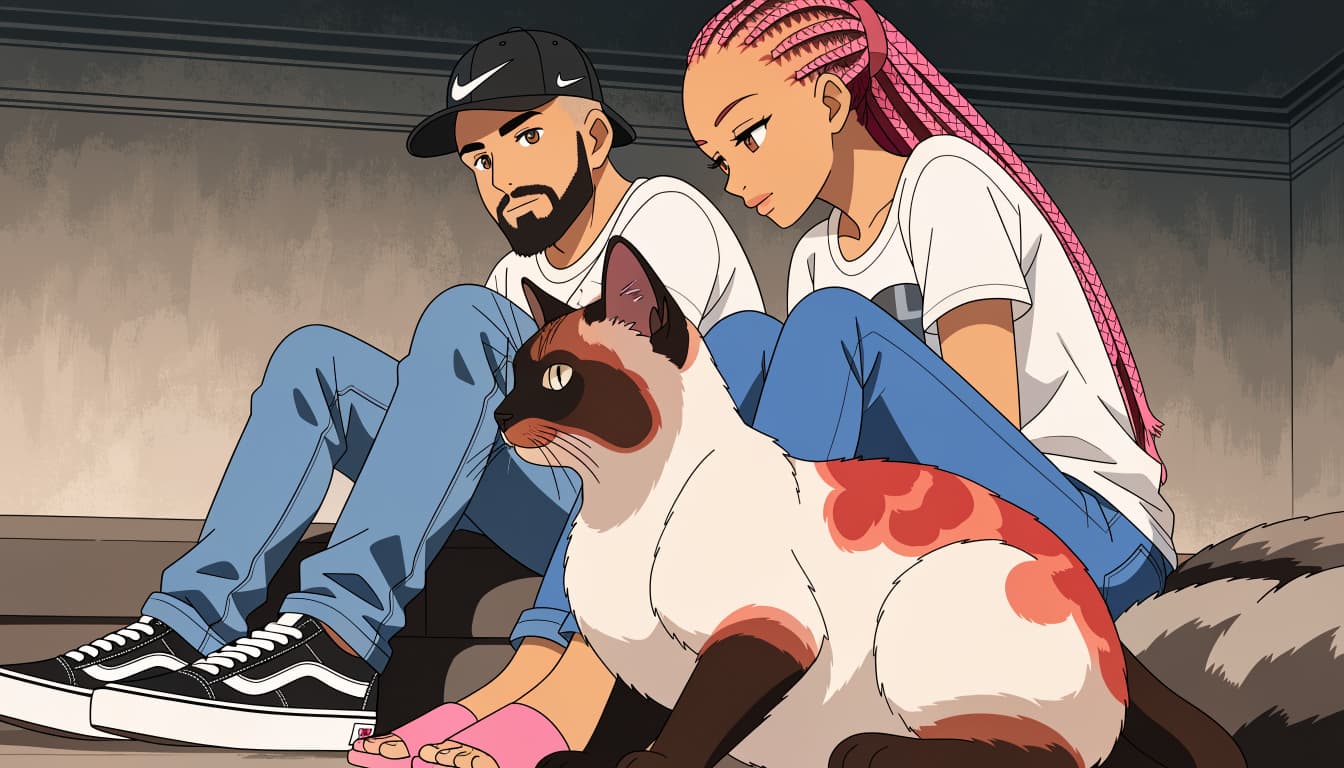
How the Tortie-Point Coat Gets Its Distinctive Look
A tortie-point coat combines two recognizable patterns. You'll see a lighter body and darker color on the face, ears, legs, feet, and tail. On those darker areas, tortoiseshell mottling adds patches of red or cream among the base point color.
The result can look dramatic, but the pattern isn't one single coat-color trait. Colorpoint shading creates the contrast between body and extremities. Tortoiseshell coloring creates the patches of different colors. Put them together, and you get a cat who looks like the color palette got permission to improvise.
The Colorpoint Pattern and Tortoiseshell Mottling
Colorpoint pigment tends to show more strongly on cooler parts of the body, such as the ears, feet, and tail. The body stays lighter by comparison. CFA's Colorpoint Shorthair standard describes seal-tortie points with seal-brown color mottled by red and/or cream. Chocolate-tortie points use a warmer brown base with similar mottling.
Those names refer to the underlying point color plus the tortoiseshell pattern. Terms may differ across registries, so one label doesn't necessarily map neatly to every breed standard. CFA also notes that Siamese coats tend to darken with age, which can change the contrast you notice between a young cat's body and points.
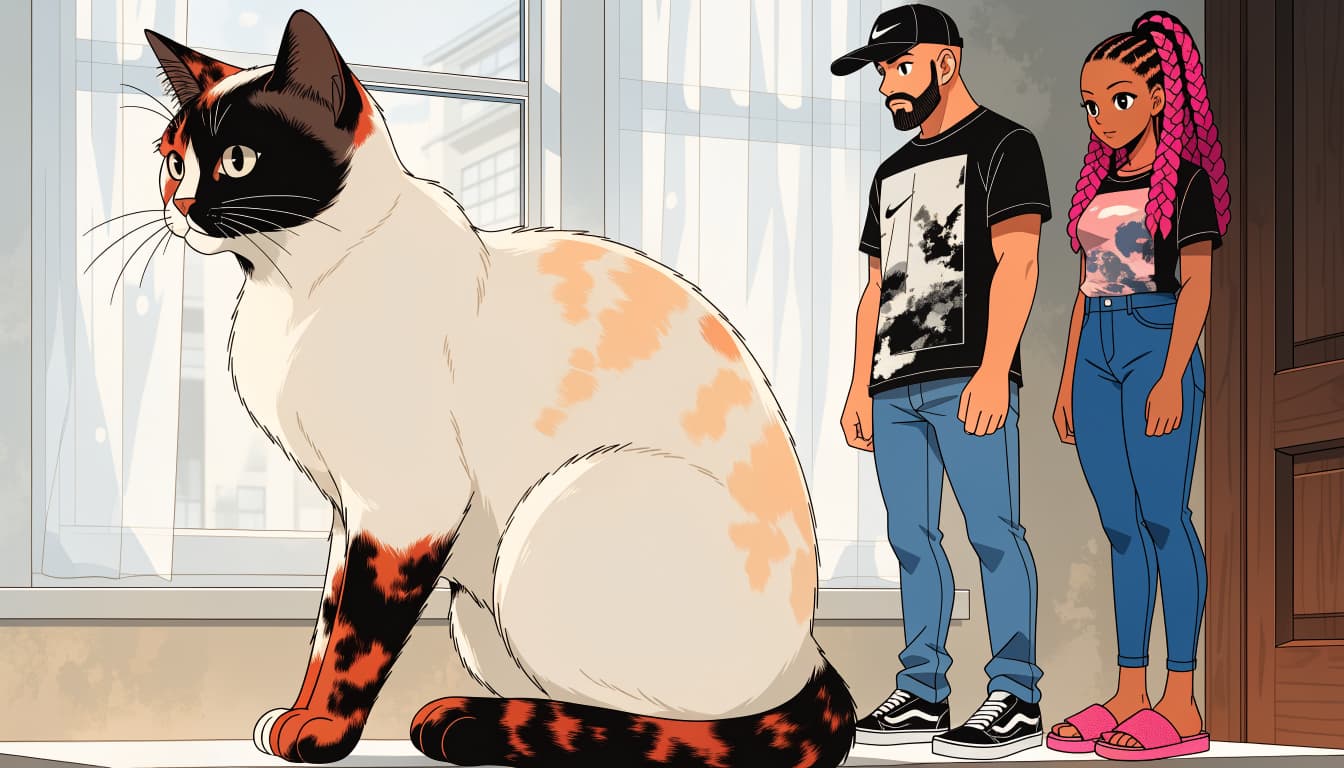
Why Most Tortoiseshell Cats Are Female
The usual tortoiseshell pattern comes from orange and non-orange coat-color variants carried on two X chromosomes. In cats with two X chromosomes, random X-chromosome inactivation means different skin and hair cells express different color variants. That creates the characteristic patches.
Most tortoiseshell cats are female because this pattern usually involves two X chromosomes. Male tortoiseshell cats are uncommon. Some have an XXY chromosome pattern, though that isn't the only possible explanation for a male tortoiseshell coat. The Merck Veterinary Manual's explanation of tortoiseshell genetics lays out the X-linked color relationship.
Are Tortoiseshell Siamese Cats Recognized as Siamese?
A coat pattern, a breed identity, and show eligibility are three different things. CFA lists seal, chocolate, blue, and lilac as Siamese show colors. Its Siamese breed information describes those four recognized colors, while tortie-point colors appear in CFA's separate Colorpoint Shorthair standard.
So a cat may have a Siamese-like colorpoint appearance and tortoiseshell markings without being eligible to show as a Siamese under CFA's color rules. Another registry may use different classifications. The important point is that the words "tortoiseshell Siamese" in an informal description don't, by themselves, establish a cat's registration or pedigree.
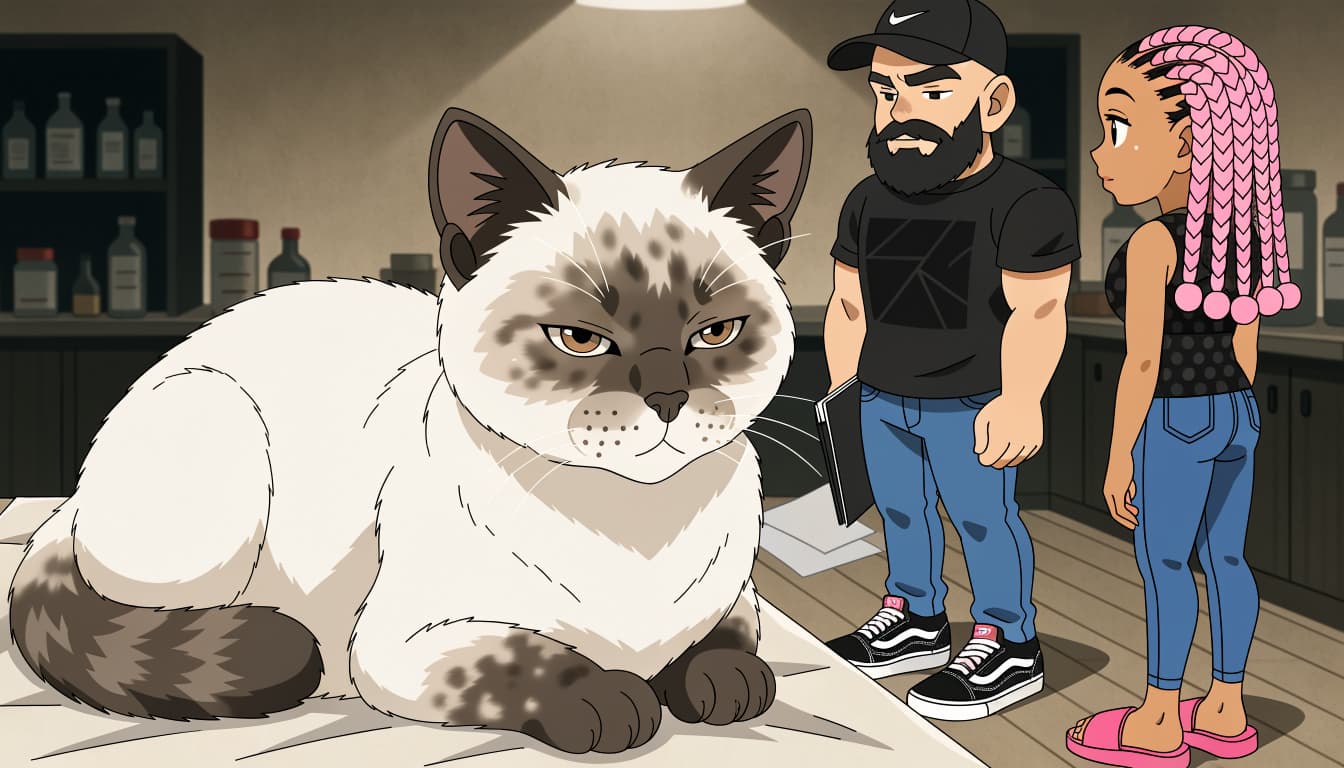
What to Ask About Registration and Pedigree
If you're talking with a breeder, ask which registry and breed standard they mean when they use the label. You can also ask whether the cat has registration papers and whether the parents' records align with the breed description.
Keep the conversation practical and specific. "What registry is the litter recorded with?" gets you more useful information than trying to decode a confident caption or a particularly convincing kitten photo. The coat can be beautiful and the label still needs context.
Appearance and Breed Records Answer Different Questions
Photos are useful for seeing the coat pattern, but they can't show registration details. Warm indoor lighting, shadows, and a kitten's changing coat can also affect how the colors look from one picture to another. A photo may help you describe what you see; it can't settle the formal breed label.
That distinction is useful whether you're choosing a pet or reading a show description. You can appreciate the cat's appearance while treating pedigree and registry language as separate information.
Personality, Health, and Everyday Care
A coat color doesn't set a cat's personality. "Tortitude" is a popular stereotype, not a reliable behavior forecast. Some people read confidence or mischief into tortoiseshell markings, but color alone can't tell you whether a particular cat will be outgoing, cautious, playful, or happiest supervising from the top of a bookshelf.
The tortoiseshell pattern itself doesn't call for special care. Your routine should fit the individual cat: offer a balanced diet, regular play, grooming suited to the coat, and routine veterinary visits. A cat's age, coat length, health history, and needs matter more than the color pattern.
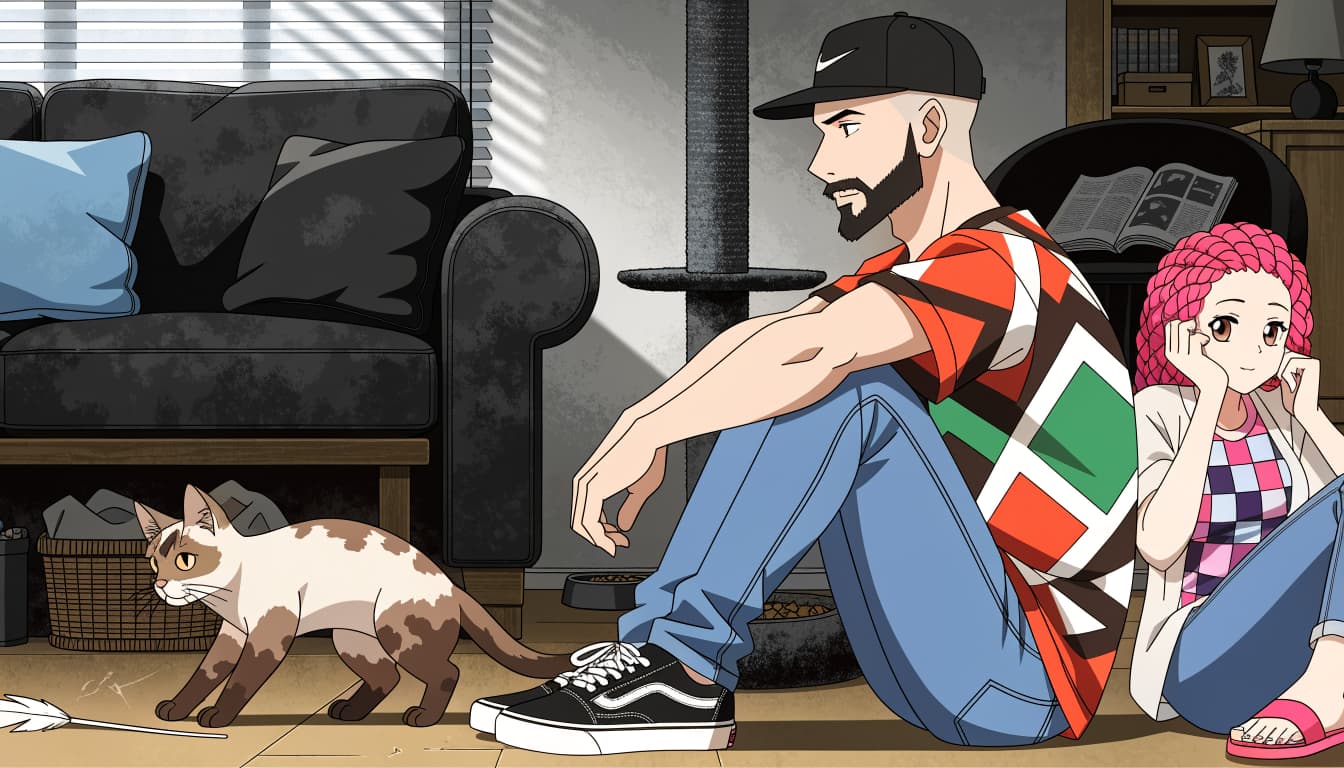
Choose for Temperament, Not a Color Myth
Spend time with the cat if you can. Notice how it responds to people, whether it seems comfortable in the setting, and how it plays or settles. Ask about its social history and everyday routine, since those details give you a clearer picture than a coat-based nickname.
Think about the fit with your household, too. A quiet home, a busy family, and a home with other animals can create different demands. No color guarantees a certain personality, and a cat's individual behavior deserves more attention than a stereotype with a catchy name.
Keep the Routine Matched to the Cat
A short coat and a long coat don't ask for identical grooming. Brush as needed to keep the coat in good condition, and pay attention to changes in skin, coat, appetite, or behavior. Your veterinarian can help you make sense of concerns tied to that particular cat's health history.
Play and enrichment matter in ordinary cat care. Give your cat opportunities to move, explore, and interact in ways that suit its comfort level. The goal isn't a special "tortie" regimen; it's a routine your cat can actually live with.
Streetwear & Casual Styling
The mix of dark points with warm red and cream patches has plenty of visual character. If you want your own outfit to carry some of that expressive energy, a graphic tee can do the loud part while jeans and sneakers keep the rest easy. Our Cat Needs Alone Time Sit In Dark Tee brings introvert-cat energy; the Cat Has Better Credit Score Tee takes the household power dynamic in a different direction.
Pair a Cyber-Brutalist Anime Graphic Tee with dark denim, simple sneakers, and a light jacket. Let the shirt's graphic lead, rather than assembling an outfit with the subtlety of a final-boss entrance. For more ideas, browse our graphic tees for cat people and subtle cat lover streetwear.

Frequently Asked Questions
Can a tortie-point cat have blue eyes?
Blue eyes are common with the colorpoint pattern, though an individual cat's appearance can vary. Eye color doesn't prove that a cat is Siamese or establish its pedigree.
Can a tortoiseshell Siamese kitten's coat change as it grows?
Yes. Colorpoint coats can darken with age, and lighting can make the same coat appear different in photos. A visual change alone can't confirm a particular genetic or breed label.
Can a male cat have a tortoiseshell coat?
Yes, though male tortoiseshell cats are uncommon. Some have an XXY chromosome pattern, but a coat pattern alone doesn't reveal the reason for an individual cat's coloring.
Does a tortie-point coat need special grooming?
No special routine is needed because of the color pattern. Grooming depends more on coat length and condition, so use an ordinary routine suited to your cat.
Enjoy the Pattern, and Get to Know the Cat
A tortie-point coat is a distinctive mix of colorpoint shading and tortoiseshell mottling. Breed labels and show rules depend on registry standards and records, not appearance alone.
Enjoy the pattern, then get to know the cat wearing it. Your best match comes from the individual animal's comfort, history, and needs, not a coat-color promise.