

Tuxedo Maine Coon Mix: Coat, Size, and Care
TrendReactTees.STORE TeamA tuxedo Maine Coon mix is a cat described by a black-and-white coat pattern and a possible Maine Coon ancestry claim, not a formally recognized breed. That distinction matters: you can see the markings, but a coat can't show you the family tree. You can still get a useful sense of possible appearance, size, grooming, and health questions without treating ear tufts or a dramatic tail like a pedigree certificate.
If your cat has claimed the couch and half your camera roll, our Cats Virtual Life More Fulfilling Than Mine Tee and Cat Needs Alone Time Sit In Dark Tee put the joke on your outfit. For the cat, focus on the individual in front of you and ask what supports the ancestry label.
This post may contain affiliate links. If you make a purchase through these links, I may earn a small commission at no extra cost to you.
Key Takeaways
- Tuxedo describes a black-and-white coat pattern, while Maine Coon mix describes possible ancestry.
- Maine Coons can have bicolor coats, but markings alone can't confirm or rule out ancestry.
- Size, coat length, and body shape vary; breed averages aren't predictions for a mix.
- Grooming depends on coat texture, while health screening concerns relate to documented ancestry.
- Ask for useful history and veterinary records, then choose the cat whose needs fit your home.
Tuxedo Maine Coon Mix: What the Name Really Means
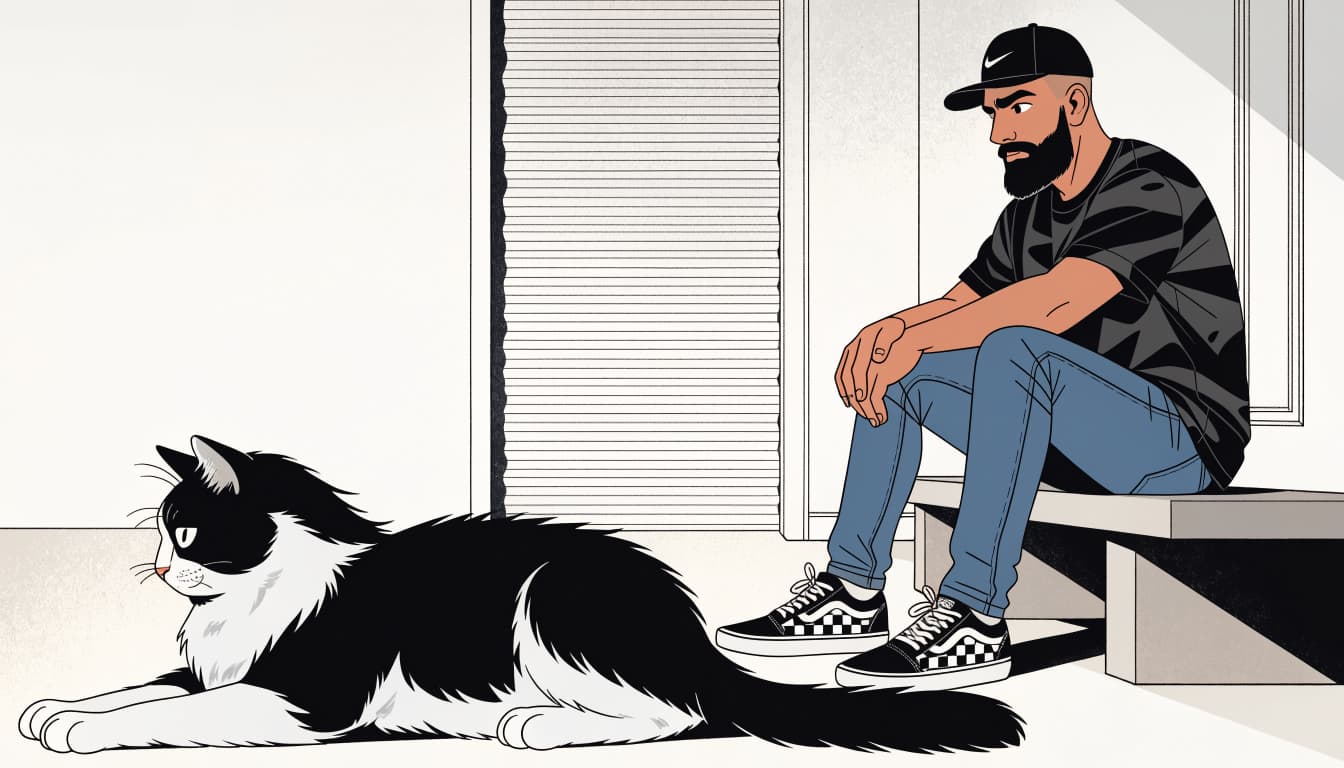
"Tuxedo" is a casual name for a black-and-white coat pattern, often with white on the chest, paws, or face. "Maine Coon mix" is an informal description of possible ancestry, not a recognized crossbreed category with a predictable appearance or set of traits.
Maine Coons can have bicolor coats, so tuxedo markings neither prove nor disprove a Maine Coon connection. A cat may have the pattern and no known Maine Coon parent. Another may have documented Maine Coon ancestry and wear a very different coat.
The useful distinction is simple: you can identify the coat pattern by looking; you can't confirm parentage from looks alone. If a cat's history is unknown, "tuxedo-pattern domestic cat" describes what you can actually see. If there's a known parent or credible history, the mix label has better support.
For a quick primer on tuxedo markings, here's Steve Cooper's video, "Why Tuxedo Cats Are Different From Every Other Cat."
What Your Cat Might Look Like, and How Large It May Get
A cat with possible Maine Coon ancestry can inherit some traits associated with the breed, but there isn't a reliable mix-and-match formula. One cat may be long-haired and broad-bodied; another may have a shorter coat and a more compact build.
Expect varied markings, coat length, and body shape
Tuxedo markings vary. White may cover the chest and paws, climb the face, or appear in a different arrangement altogether. The word describes the black-and-white look, not a fixed pattern that every cat must wear.
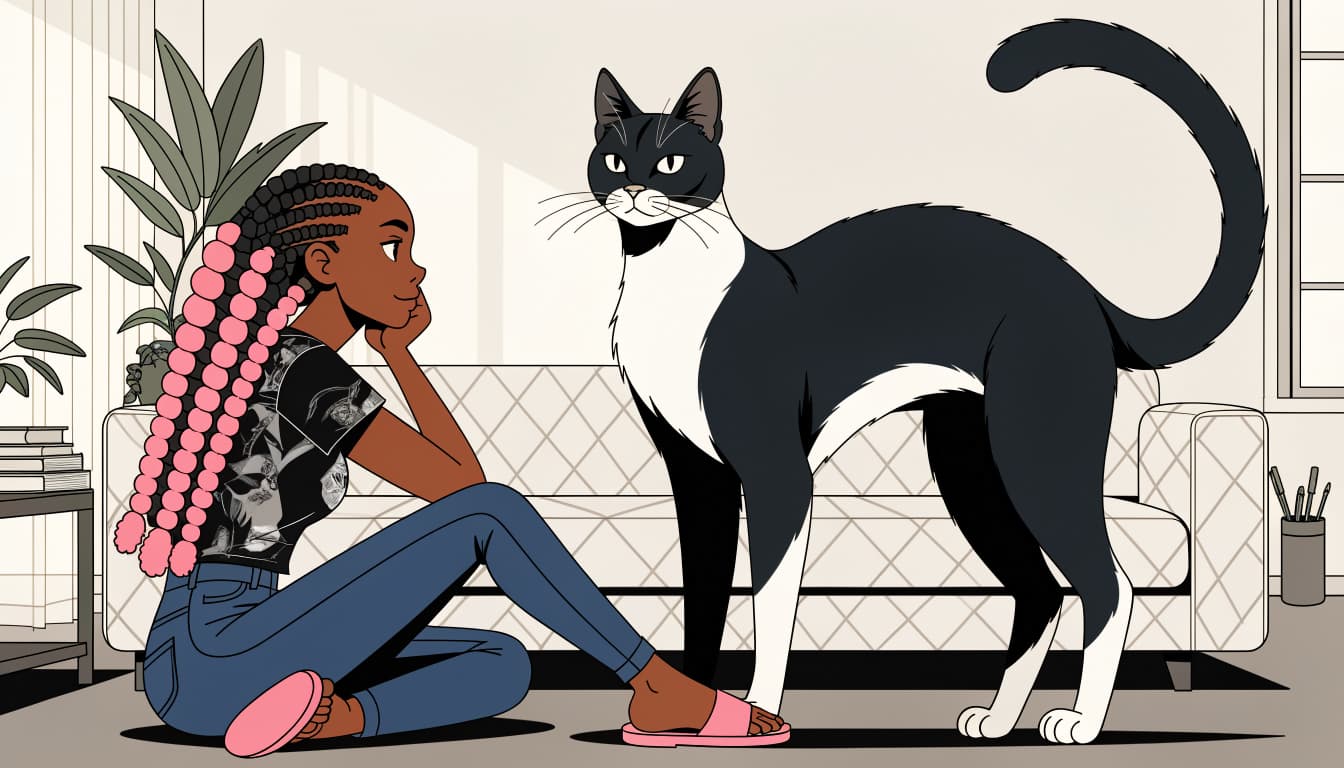
Maine Coons are known for a substantial frame, long body, large feet, and flowing tail. A mix may inherit some, several, or none of those visible features. Long fur, ear tufts, a large frame, and a bushy tail can make a cat look Maine Coon-like, but none proves ancestry. Photos can show those features, not the cat's family history.
Coat length and body shape also affect everyday care. A longer coat may need more combing, while a larger cat may need roomier resting spots and a sturdy carrier. Let your cat's actual build and coat guide those decisions rather than shopping for a "Maine Coon mix" checklist.
Use adult Maine Coon averages carefully
TICA lists adult Maine Coon weight averages of about 13 to 18 pounds for males and 9 to 13 pounds for females. Those figures offer breed context, not a weight forecast for a mixed-ancestry cat. Your cat's sex, build, health, and parentage all matter. TICA's adult Maine Coon information covers the breed's typical size and features.
Maine Coons mature slowly. TICA describes full size as taking about three to five years, so a kitten's current weight isn't a dependable guide to its adult size. For a mix, the uncertainty is even greater. Use regular veterinary visits to track healthy growth instead of trying to calculate the future from oversized paws.
How to Care for the Coat and Protect Your Cat's Health
The tuxedo pattern doesn't call for special grooming or signal a special health risk. Coat care depends on length and texture. Breed-related health questions matter when there's credible Maine Coon ancestry, not because the cat has white socks.
Build a grooming routine around the actual coat
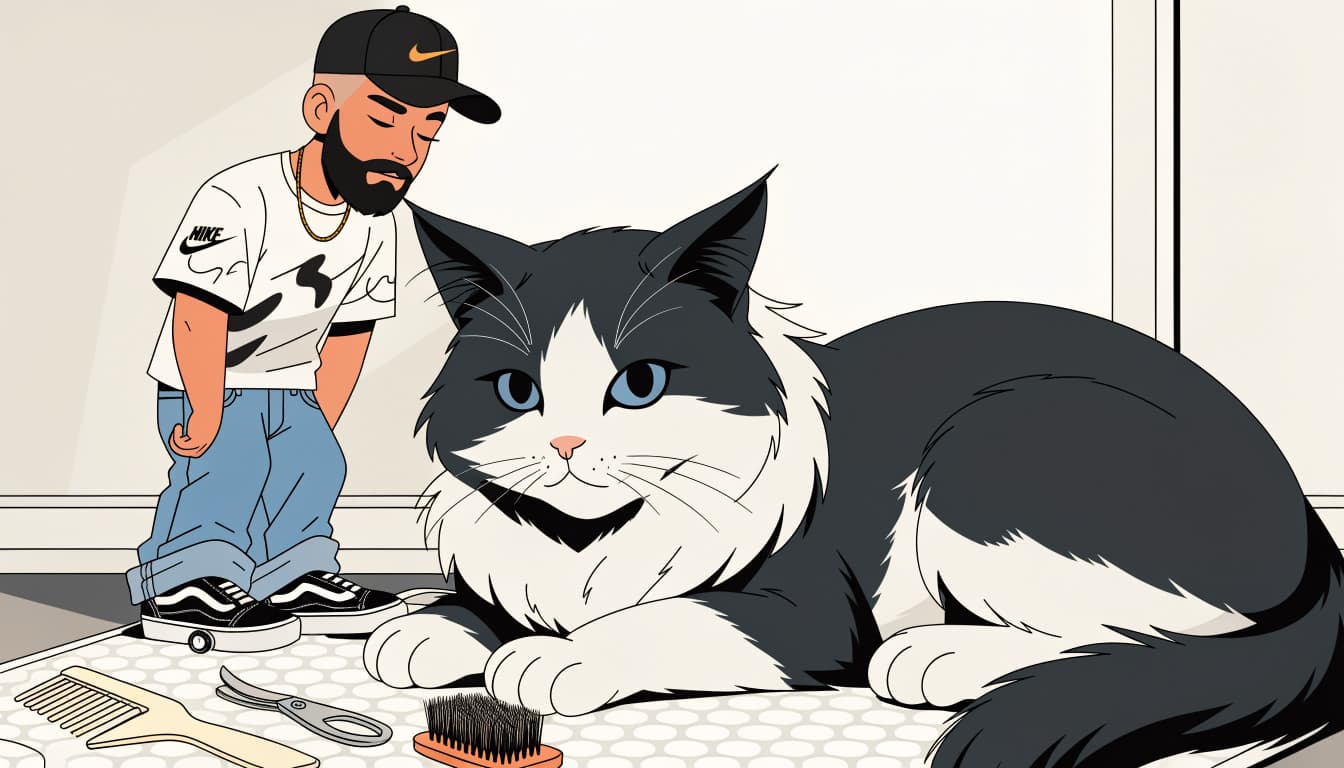
A short coat may need little more than occasional brushing. Long or dense fur can tangle, form mats, shed more noticeably, and contribute to hairballs when loose hair gets swallowed during grooming.
For a long-haired cat, start with several gentle combing sessions a week. Increase the frequency if you find tangles or mats, especially where fur rubs together. TICA notes that coat texture changes grooming needs: some Maine Coon coats may need daily combing, while silkier coats need less. Start gently when your cat is young, if possible, so grooming doesn't arrive later as an unexpected boss battle.
Keep an eye on nails, too. TICA's guidance suggests trimming kittens' nails about weekly and adult cats' nails every two to three weeks. Your veterinarian can show you a safe approach if your cat resists or you're unsure how much to trim.
Ask about breed-related screening without assuming a diagnosis
Maine Coon health discussions include hypertrophic cardiomyopathy (HCM), a heart condition, and hip dysplasia. Screening may also cover spinal muscular atrophy and pyruvate kinase deficiency. Those are breed-related health topics, not consequences of tuxedo markings.
For breeding cats, TICA describes HCM evaluation that includes genetic testing and periodic echocardiograms. A DNA test alone can't rule out every heart risk, so ask what screening has been done and discuss the records with a veterinarian. A cat's mix label isn't a diagnosis, and an unknown family history doesn't tell you whether a particular cat is healthy or ill.
How to Check Ancestry and Choose a Cat Responsibly
An ancestry label can be a helpful clue when someone can explain where it came from. It can also be a guess based on a fluffy tail and photogenic ears. Ask about the history in a friendly, direct way, then make your decision around the cat's needs.
Ask what supports the Maine Coon mix label
If no parentage or history is known, "tuxedo-pattern domestic cat" is the clearest description. For a cat advertised as a Maine Coon mix, ask whether the claim comes from documented parentage, known history, or appearance alone. Those are different kinds of evidence.
A photo can capture size, markings, coat length, and body shape. It can't establish who the cat's parents were. Breed-like traits may be interesting, but they don't turn a guess into a family record.
Get useful records from a shelter, rescue, or breeder
At a shelter or rescue, ask what is known about the cat's background, veterinary care, behavior, grooming needs, and current weight. Ask how the cat responds to handling and whether staff have seen it around children, other cats, or dogs. Those details help you picture daily life far better than a breed label alone.
If you're considering a breeder's claimed purebred Maine Coon, ask for pedigree records and health screening information for the parents, including HCM evaluation. A breeder should be able to explain what testing was performed and share the relevant records. Whatever the source, choose based on the individual cat's health, temperament, and care needs. A cat's paperwork matters, but so does the actual roommate arriving with whiskers.
Streetwear & Casual Styling
Your cat can keep the fur; your outfit gets the graphic. A Cyber-Brutalist Anime Graphic Tee works with straight-leg jeans for a simple everyday look, or under an open overshirt when the weather is doing its usual unpredictable side quest. Add a hoodie and sneakers for a relaxed fit that still has a point of view.
For the cat-parent punchline, the Cat Has Better Credit Score Tee brings finance-adjacent feline confidence. The Reassuring My Cat Good Boy Tee is for the devoted pep-talk department. Keep the styling human-sized, especially if your cat has already vetoed outfits.
Frequently Asked Questions
Can a purebred Maine Coon have tuxedo markings?
Yes. Maine Coons can have bicolor coats, including black-and-white markings. The pattern alone can't establish whether a cat is purebred.
Can you tell if a cat is part Maine Coon from a photo?
A photo can show coat, build, and visible features, but it can't confirm ancestry. Reliable history or parentage records are more useful than a resemblance to breed photos.
Does a tuxedo pattern affect a cat's personality?
No dependable personality forecast comes with a coat pattern. Spend time learning how the individual cat behaves and what kind of home suits its needs.
How often should you comb a long-haired mix?
Several times a week is a practical starting point for a long coat. Increase combing if you find tangles or mats, since coat texture and condition determine the right routine.
Choose the Cat, Not Just the Label
Tuxedo describes the markings; Maine Coon ancestry needs credible support. Keep those two ideas separate, and you can appreciate the striking coat without treating it as a family record. Focus on your cat's health, temperament, coat, and everyday needs. The best description is the one that fits what you know, and the best care plan fits the cat sharing your home.