

How to Choose the Right Unisex Graphic Tee Fit
A graphic tee can have the most unhinged anime-core art imaginable and still lose the fight if the fit feels cursed. The right shape decides whether your shirt looks intentional, relaxed, or like you panic-bought it during a 3 a.m. scroll session. People comparing unisex graphic tee fits are usually choosing among standard, relaxed, oversized, and fitted silhouettes.
A good unisex graphic tee fit starts with measurements, fabric, and styling goals, not the letter printed on the tag. Choose a unisex fit based on those details, not the size label alone. Get them right, and your favorite design gets to do its actual job: broadcasting your interests before you've said a word.
What a Unisex Graphic Tee Fit Actually Means
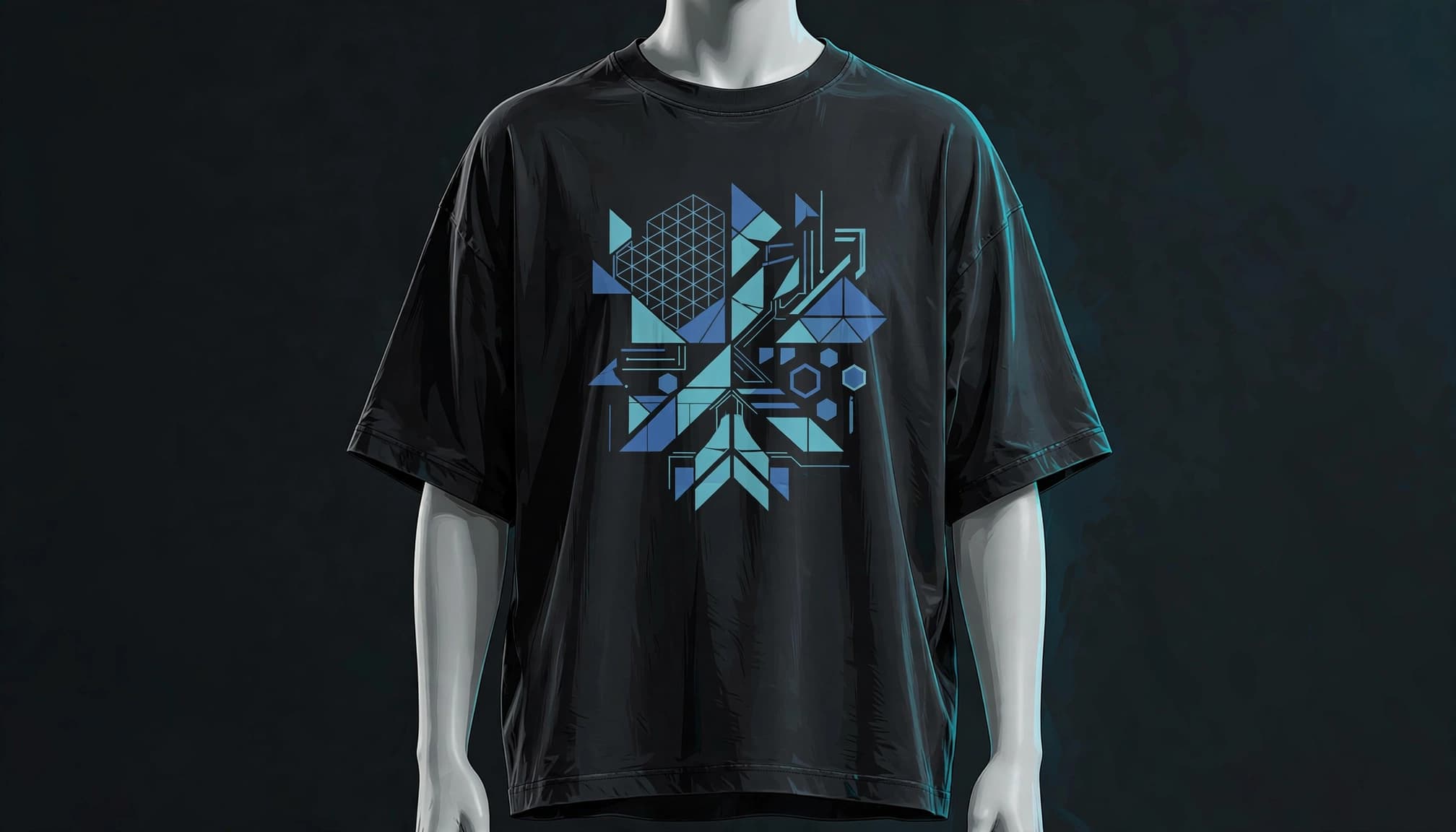
A unisex tee usually has a straight torso, a less-shaped waist, and sleeves around the mid-upper arm. It isn't automatically oversized. A standard fit keeps the shoulder seam near your natural shoulder for a classic fit, with enough room for different body types.
A quick comparison: graphic tees unisex fit uses a straighter shape than a shaped cut. A relaxed shape adds room through the body and sleeves without creating a dramatic silhouette. An oversized fit intentionally drops the shoulder seam and lengthens the shirt.
A fitted option comes from choosing closer garment measurements. The shirt still shouldn't pull across your chest or distort the graphic. Your shoulder width, chest measurement, torso length, and preferred shirt length matter more than a gendered label.
Straight Doesn't Mean Boxy
A straight torso means the shirt doesn't taper aggressively at the waist. That makes it easier to wear loose, half-tucked, layered under an open flannel, or paired with cargos when you're going for main-character-in-a-dystopian-arc energy.
The shoulders still matter. A shoulder seam close to your natural shoulder gives you a clean classic fit. A seam that falls farther down creates an intentionally roomier look. Too far down, though, and the tee can look borrowed from a giant instead of styled.
The Tag Is Not a Prophecy
A Medium in one brand can fit nothing like a Medium in another. Blank manufacturers use different body widths, lengths, collars, and fabric weights. Your usual size is a starting point, not sacred lore passed down by the wardrobe gods.
Check the product's size chart every time. For example, BELLA+CANVAS fit and size charts list measurements by garment style. The brand's chart is the deciding reference, not the label alone.
A unisex fit is a garment shape, not a promise that every shirt with the word "unisex" will fit the same way.
How the Same Tee Fits Different Bodies
A unisex fit gives you room to choose how much structure you want. These options work across different body types, not as rules tied to gender or a specific clothing category.
If You Usually Wear Fitted Women's Tees
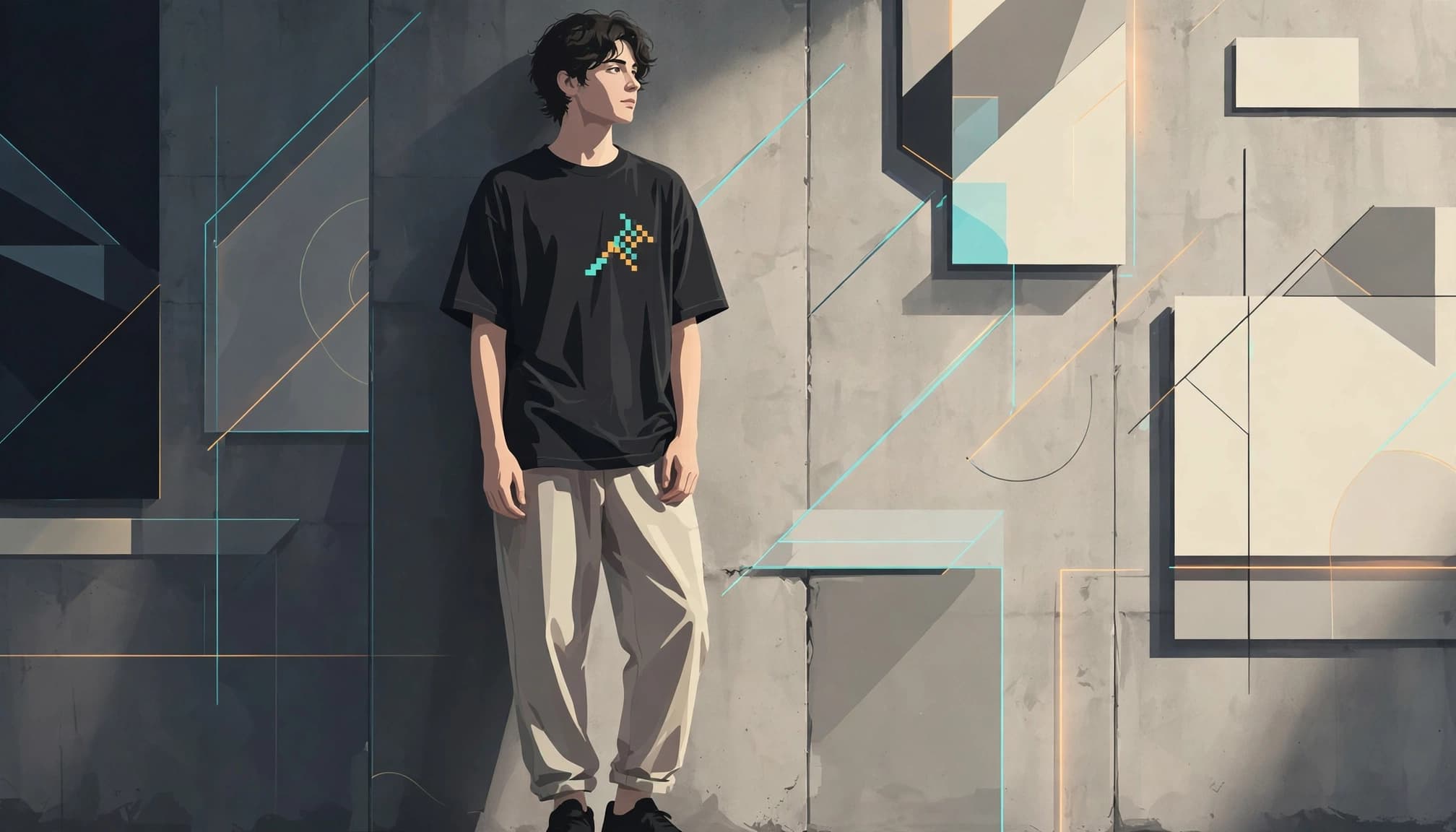
If your reference point is the “women fitted” tee category, a unisex shirt often feels wider through the waist and hips. The sleeves may run longer, and the hem may sit lower. That's useful for an easy streetwear silhouette or a graphic tee that sits flat instead of stretching across the front.
Choose your usual size for a relaxed fit. Size down only after checking your chest and shoulder measurements. For fitted styling, try the tee under a jacket, or pair a standard fit with jeans for casual wear. Comfort and personal preference matter more than assumptions based on past clothing categories.
If You Usually Wear Men's Casual Tees
If your reference point is “mens standard” tees, a unisex shirt may feel familiar in the shoulders and torso. The difference usually comes down to the blank itself: lighter jersey cotton drapes more, while a heavyweight blank holds a squarer outline.
Your usual size often works for everyday wear. Go up one size for an oversized fit, with dropped shoulders, longer sleeves, and layering space. A relaxed fit works well with cargos or layers, while an oversized tee looks balanced with a shorter or cleaner bottom layer. These are styling options for adult t-shirts, not fixed rules.
Why Fabric Weight and Brand Change the Result
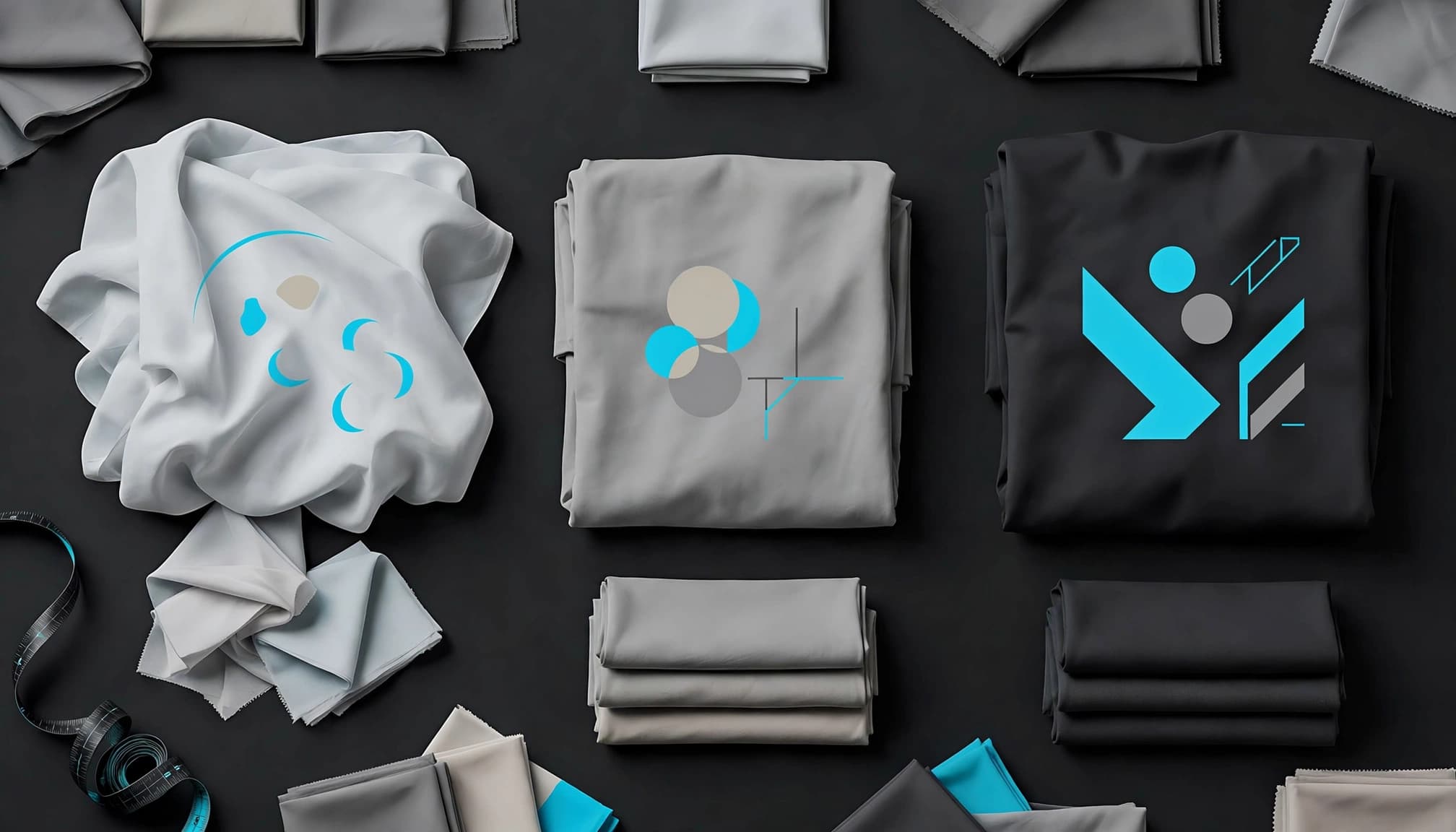
The unisex label tells you the cut. Fabric tells you how that cut behaves on an actual body. A thin, soft tee and a heavyweight cotton tee can share measurements yet create completely different outfits.
Stretch also changes the unisex fit. Fabric with more give feels less restrictive across the chest and shoulders, while low-stretch cotton feels less forgiving.
Soft Cotton Falls Closer to the Body
Lightweight, combed cotton jersey tends to drape and move with you. It works when you want a graphic tee that feels broken-in without looking like it survived three respawns and a washing machine war.
TrendReactTees describes its Bella Canvas 3001 shirts as soft, lightweight, breathable unisex tees. If that sounds like your preferred vibe, look at the store's premium unisex anime shirts and compare the listed chart with a tee you already love.
The same measurements can look different on a shorter torso, longer torso, broader shoulders, or fuller chest. Consider those proportions alongside the size chart.
Heavier Fabric Holds Its Own Shape
Heavier cotton feels more structured. It creates a wider, straighter silhouette and lets bold graphics look more like a poster you can wear. Low-stretch or heavyweight cotton may hold that shape, but it won't feel as forgiving.
A two-inch jump in chest width can be noticeable, especially on heavier tees. Shrinkage can reduce both chest room and shirt length, so review the care instructions before choosing between sizes.
For a closer reference point, the graphic tee size measurement guide recommends comparing both chest width and length with a favorite shirt. Allow for expected fabric shrinkage when your measurements fall between sizes.
Measure Before You Enter the Checkout Void
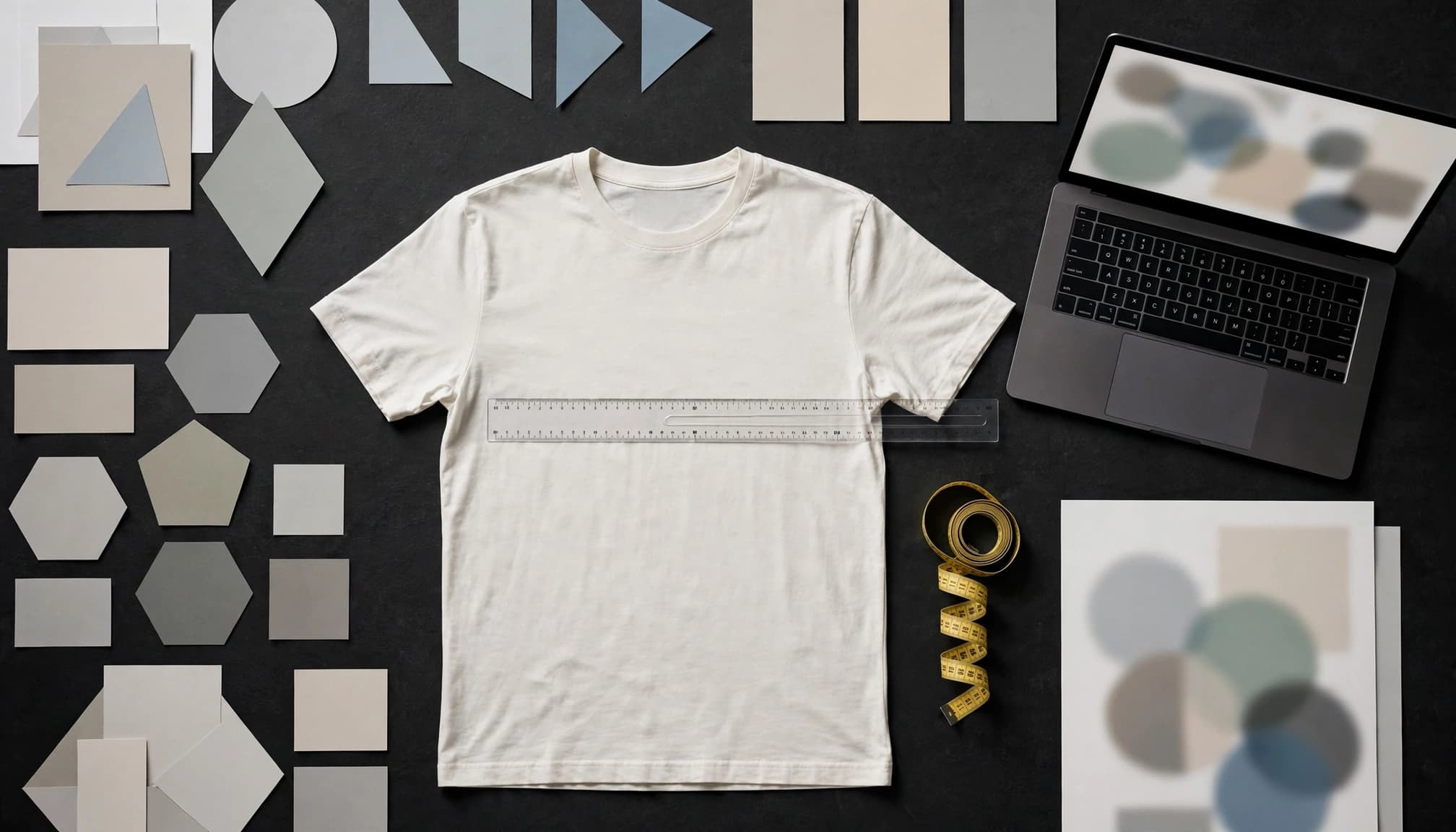
You don't need a tailoring studio, a cursed tape-measure ritual, or a degree in garment physics. Grab a shirt that already fits the way you want, lay it flat, and measure across the chest just below the armholes.
Also measure your chest around its fullest point, keeping the tape level and comfortably snug. Measure shoulder width from seam to seam, or across your body if the seams aren't clear. For torso length, measure from the high shoulder point down to your preferred hem.
Match Chest Width First
Chest width is the fastest way to predict comfort. Compare the flat width of your favorite tee with the size chart for the shirt you're considering. If the measurements are within about an inch, you're likely in familiar territory.
Compare your body measurements and garment measurements with the brand's size chart. Check whether the sizing chart lists body measurements or finished garment measurements, since those numbers mean different things.
Then check length. A tee can fit perfectly across the chest and still feel wrong if it lands too high with low-rise jeans or too low under a cropped jacket. Use your favorite garment to find your preferred shirt length, then compare it with the brand's finished measurements.
Pick a Silhouette on Purpose
Before selecting a shirt size, decide which version of you is leaving the house. A unisex fit can look balanced, relaxed, or oversized depending on the cut and your styling choices.
Use this quick fit checklist:
- Check for enough chest room without excess fabric or pulling.
- Make sure the shoulder seams sit where you want them.
- Confirm the torso and shirt length suit your outfit proportions.
- Check that the sleeve opening feels comfortable around your arm.
- Notice how the graphic tee sits when you reach, bend, and move.
Then match the fit to your goal:
- A standard fit works for balanced everyday wear.
- A relaxed fit gives you more movement and room for layering.
- An oversized fit creates dropped shoulders and a streetwear shape.
- A fitted style gives a neater silhouette without chest or print tension.
A relaxed fit works well with cargos, sneakers, and layered overshirts. Standard or fitted proportions can sit neatly under a cropped jacket without bunching.
The best choice is the one that feels comfortable and matches your preferred proportions. Your usual shirt size may be right, but sizing up or down can create the shape you actually want.
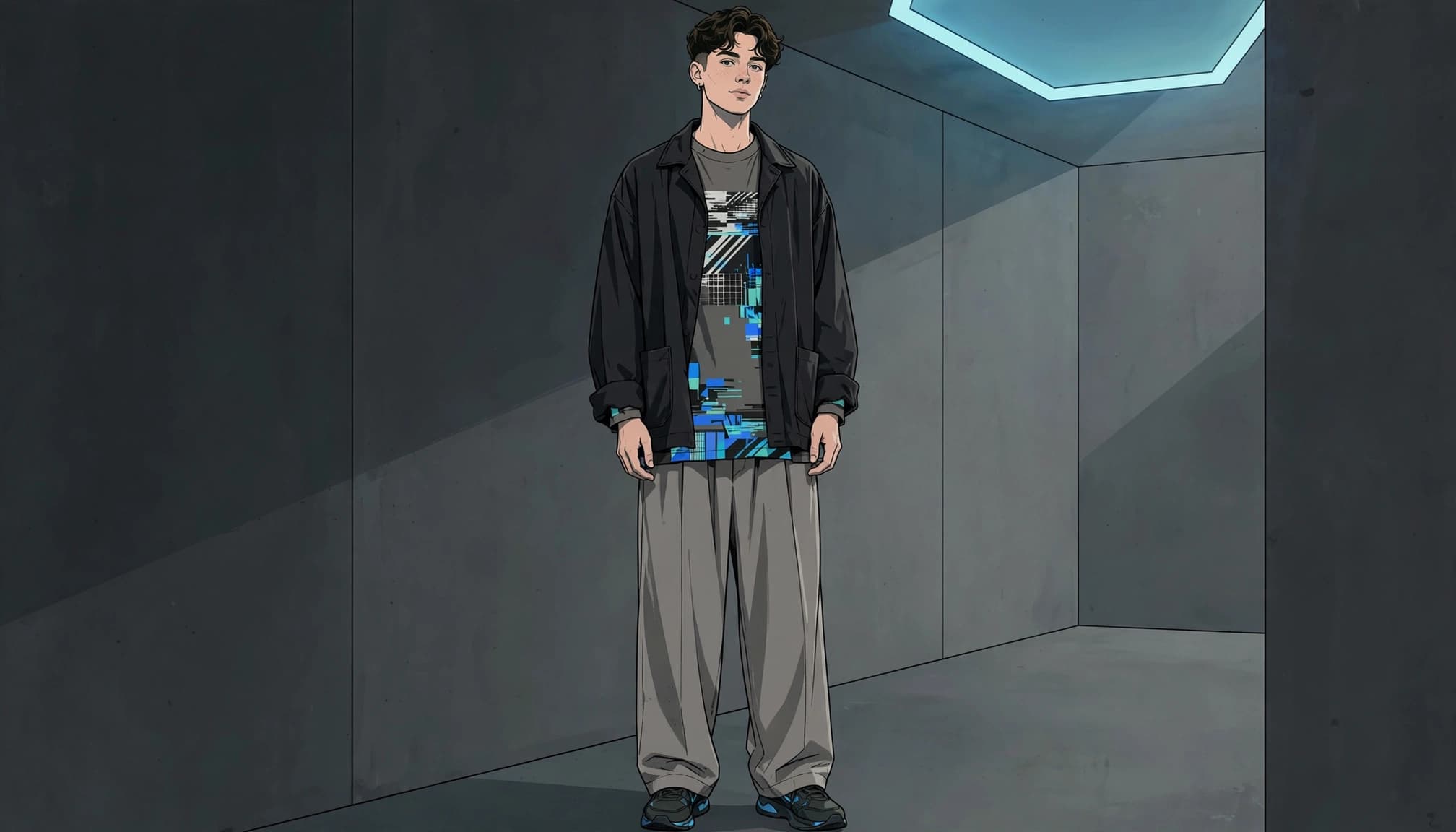
If you want outfit ideas after you've nailed your measurements, this gamer graphic tee style guide gets into how structured and oversized fits change the mood of a print.
Size the Graphic, Not Just the Shirt
Custom apparel has two fit problems: the shirt has to fit you, and the artwork has to fit the shirt. A tiny print on a 3XL can look like it spawned in the wrong map. A giant graphic on a Small can swallow the whole front. A unisex fit can shift both results when the shoulder seams drop or the torso runs longer.
Choose Placement Before Width
Center chest is the safe all-rounder. On an oversized fit, dropped shoulder seams can make that mark sit lower than expected. Printful lists common center-chest designs around 6 by 6 to 10 by 8 inches, with 8 by 8 inches a common choice. Their T-shirt design placement guide places that artwork roughly 3 to 3.5 inches below the collar.
A full-front graphic has more chaos budget. It can suit anime art, cyber-brutalist layouts, and dense game-inspired visuals. A longer torso may give the composition more breathing room, while a shorter torso can make it feel crowded. Back prints also give custom tees a larger canvas, especially when the front has a small chest mark.
Treat DTF Artwork Like a Real File, Not a Screenshot
For direct-to-film printing, build the artwork at its final physical size and use 300 DPI. DTF transfer resolution requirements lists a 10 to 12-inch full-front print as roughly 3,000 to 3,600 pixels wide at that resolution.
Don't stretch a small web image until it becomes a pixel cemetery. Use a high-resolution original, keep transparent edges clean, and ask the printer for the product template or printable area.
Change the Print for the Garment
A single design width doesn't fit every shirt size. Small tees have less usable front space. Larger shirts can handle more width, but that doesn't mean every 3XL needs a billboard.
Check the artwork against the garment's chest, shoulder, and hem proportions, not just its size label. A graphic tee can sit differently when the shoulders drop or the wearer chooses an oversized fit. Keep the visual proportions consistent. A compact center-chest icon can stay fairly similar across sizes. Full-front art often needs separate size ranges so it doesn't look cramped on smaller garments or oddly tiny on larger ones. Check the printer's limits before changing anything.
Key Takeaways
- A unisex fit has a straighter shape, but it isn't automatically oversized. Choose a standard fit for balance, a relaxed fit for movement, an oversized fit for layering, or fitted styling for a closer outline.
- Compare chest measurement, shoulder width, torso length, and preferred shirt length with a favorite shirt. Then check the brand's size chart before ordering.
- Soft, lightweight cotton drapes closer to the body, while heavier fabric keeps a bolder, more structured outline. Check fabric stretch and expected fabric shrinkage, too.
- For a graphic tee, check center chest and full-front artwork against the garment's printable area. Match the design proportions to the available space.
- Treat a Small and a 3XL as different canvases. Scale custom graphics with intention, not panic.
- Choose your size around the silhouette you want, whether that's standard, relaxed, oversized, or fitted. Comfort and personal preference matter, since no single shape works for every body.
Fit Questions You Probably Asked in the Group Chat
Should You Size Down for a Graphic Tees Unisex Fit?
Size down only if your measurements support a closer silhouette. Check your chest measurement, shoulder width, torso length, and preferred shirt length against the brand's size chart. Then choose your shirt size based on those details, not habit alone.
A standard style suits everyday outfits, while relaxed or oversized cuts work well for layering and a stronger streetwear look. Choose fitted styling when you want cleaner lines. Comfort and personal preference are valid deciding factors, too.
Are Unisex Graphic Tees Good for Everyday Wear?
Yes. A standard unisex tee works for daily wear because the straight cut doesn't demand much styling effort. Wear it with jeans, cargos, shorts, or layered under a jacket. Fabric stretch, fabric weight, and possible shrinkage after washing can change the feel, so check the care instructions before buying.
Is Center Chest or Full Front Better?
Center chest works for small symbols, simple jokes, and a cleaner look. Full Front works when the artwork is the event, like detailed anime-inspired compositions or dense glitch graphics. Neither is better by default. Match the placement to the design's actual energy.
Can You Use One DTF File for Every Shirt Size?
You can for a small chest print, but larger artwork often needs adjustments. A fixed-width design may overpower a Small or disappear on a 3XL. Ask for the printer's printable area and create size groups when the visual difference is obvious.
Make the Fit Part of the Statement
The right shirt shouldn't make you think about the shirt all day. It should feel comfortable, sit where you want it to sit, and leave the graphic free to cause the appropriate amount of chaos.
Measure the tee you already wear on repeat, check the exact chart, then choose the silhouette that feels like you. Your shirt can be the joke, the fandom signal, or the glitch in the matrix. It doesn't need to fit like an accident.