

What Age Can Puppies Chew Antlers? The Safety Answer
TrendReactTees.STORE TeamThere is no proven safe age for puppies to chew antlers. Even after adult teeth come in, a hard antler can fracture them. If you're looking for something to satisfy your puppy's chewing habit, a flexible, appropriately sized toy is a better direction.
For your own puppy-parent downtime, our Dog Eats Custom Kibble Tee and Best Dog Mom Tee bring some humor to the daily routine. First, though, let's sort out what belongs in your puppy's mouth. This information is general and doesn't replace advice from your veterinarian.
This post may contain affiliate links. If you make a purchase through these links, I may earn a small commission at no extra cost to you.
Key Takeaways
- Veterinary guidance doesn't identify a safe minimum age for antler chews, and adult teeth can fracture too.
- Hard, non-bending chews can damage baby teeth or permanent teeth, even when your puppy shows little obvious pain.
- Look for an appropriately sized puppy toy with some give, and supervise every chewing session.
- A suspected tooth injury or swallowed antler piece calls for veterinary advice. Dental chews also don't replace regular tooth brushing.
What age can puppies chew antlers? No age is proven safe
If you've seen advice to wait until your puppy is six or seven months old, that number can sound reassuring. It usually refers to tooth development, not evidence that antlers become safe at that age.
VCA's puppy teething guidance says most puppies have their adult teeth by six to seven months. It also says veterinary dentists generally advise against hard chews for puppies and older dogs because both baby and permanent teeth can break.
The video below offers another look at the antler safety question.
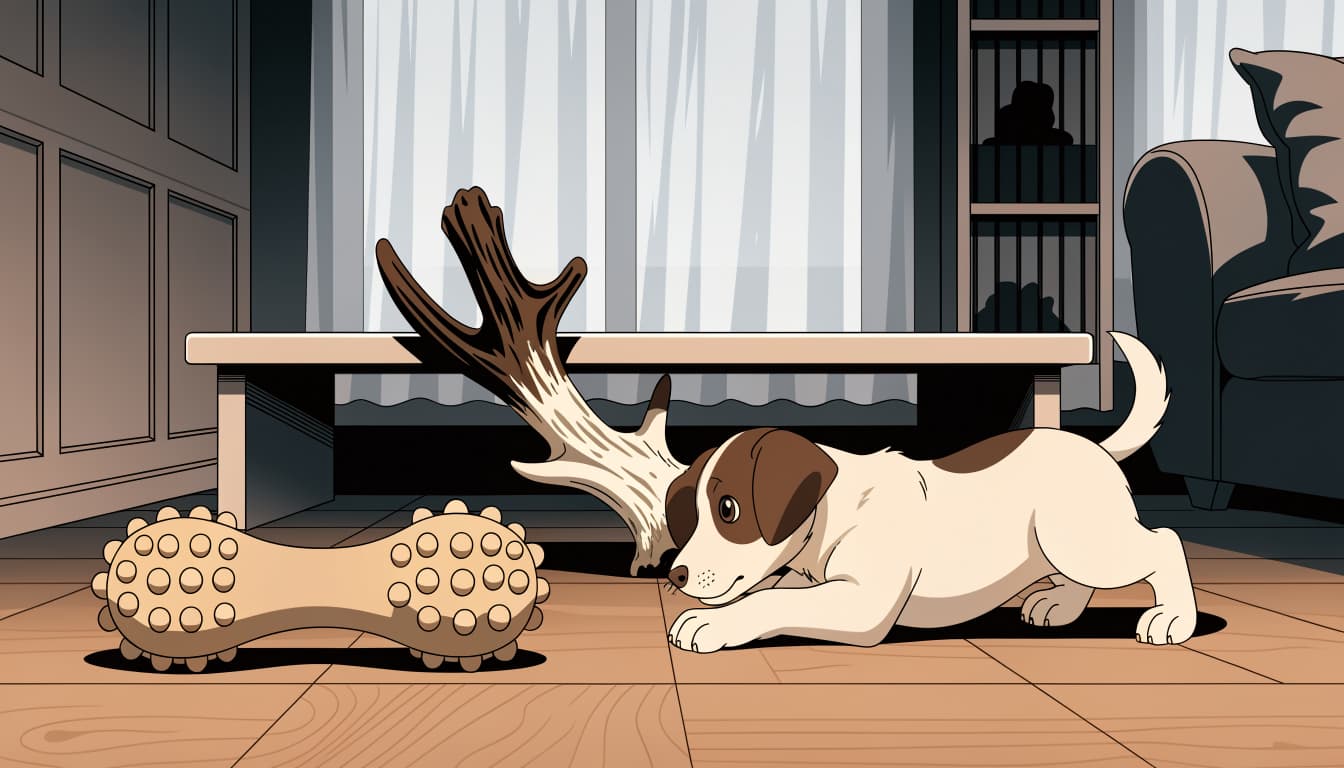
Why adult teeth do not remove the risk
Your puppy's adult teeth are meant to last, but they aren't indestructible. When a dog bites down on a chew that doesn't give, the force can damage a tooth instead.
That doesn't mean every dog who chews an antler will break one. It does mean a full set of adult teeth isn't a safety upgrade for a hard, non-bending object.
What to make of age recommendations
An age suggestion on a package or website can tell you when a seller expects a product to be used. It doesn't establish that the chew is safe for your puppy's teeth.
If you already have an antler at home, put it out of reach and choose another toy for chewing sessions. You don't need to wait for a birthday to make that switch.
Why antlers can crack your puppy's teeth
Antlers are appealing because they last a long time. The same hardness that makes them durable is the concern: they don't readily bend when your puppy bites down.
VCA includes antlers among the hard objects that can fracture dogs' teeth. A fracture may be easy to see, but it can also be hidden toward the back of the mouth. Your puppy may continue eating or playing despite an injury.
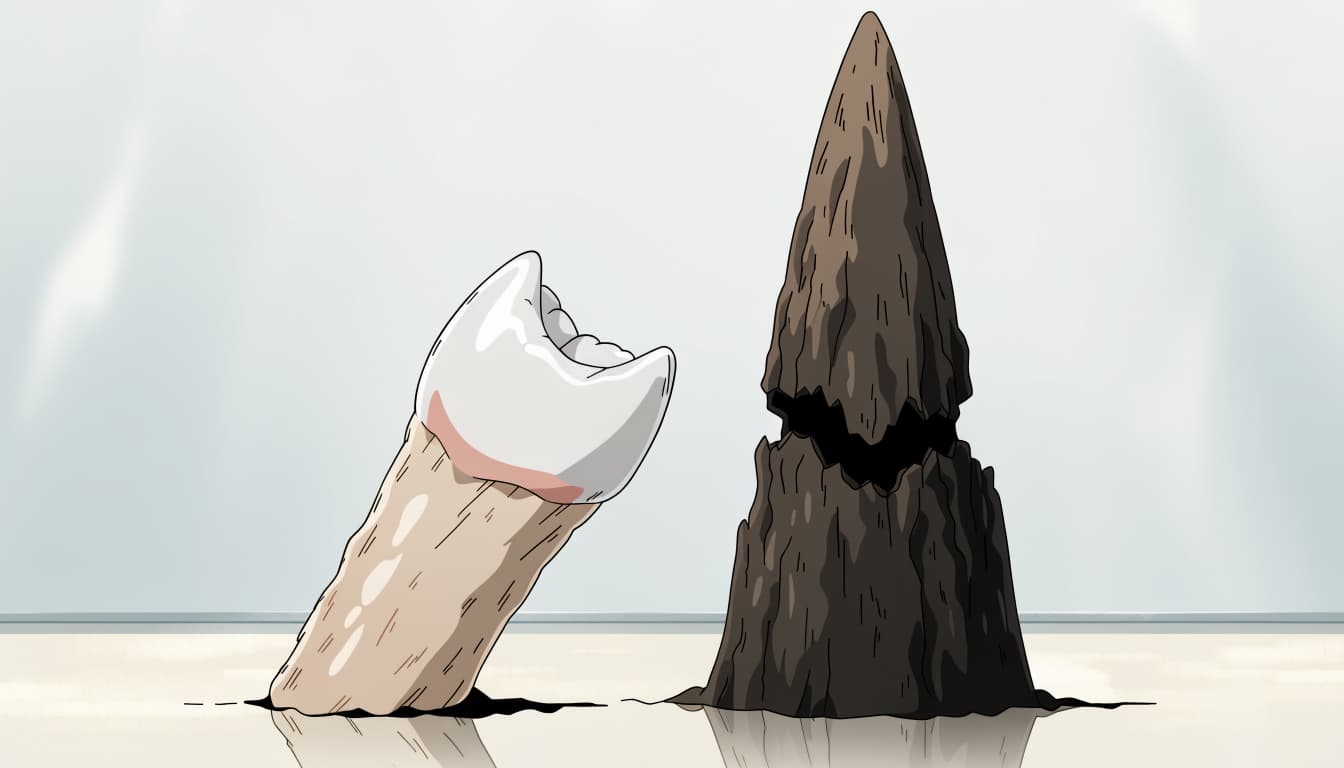
Baby teeth need attention too
It can be tempting to dismiss a damaged baby tooth because it will eventually fall out. Your veterinarian still needs to assess a suspected injury rather than assuming everything will sort itself out.
The same applies when you can't tell which tooth is affected. A puppy's mouth is small, and a quick look at the front teeth won't reveal every problem. Avoid forcing the mouth open if your puppy is uncomfortable.
Signs your puppy may have a damaged tooth
Watch for a change in how your puppy eats or chews. Possible signs include chewing on one side, dropping food, avoiding hard food or toys, pawing at the mouth, drooling more than usual, or visible tooth damage.
Those signs don't prove a tooth is fractured. They do give you a reason to contact your veterinarian and arrange an exam.
Some dogs show few obvious signs of pain. If you see a chip or suspect a fracture after an antler session, don't wait for your puppy to stop eating before asking for help.
Choose softer puppy chews instead of antlers
Your puppy still needs appropriate things to chew. Flexible puppy teething toys and puppy-safe rubber toys can give you a better starting point than an antler.
Choose a toy suited to your puppy's mouth and chewing style. It should be large enough that your puppy can't swallow it, while still being manageable to carry and chew. A toy that works for a small puppy may need replacing as that puppy grows.
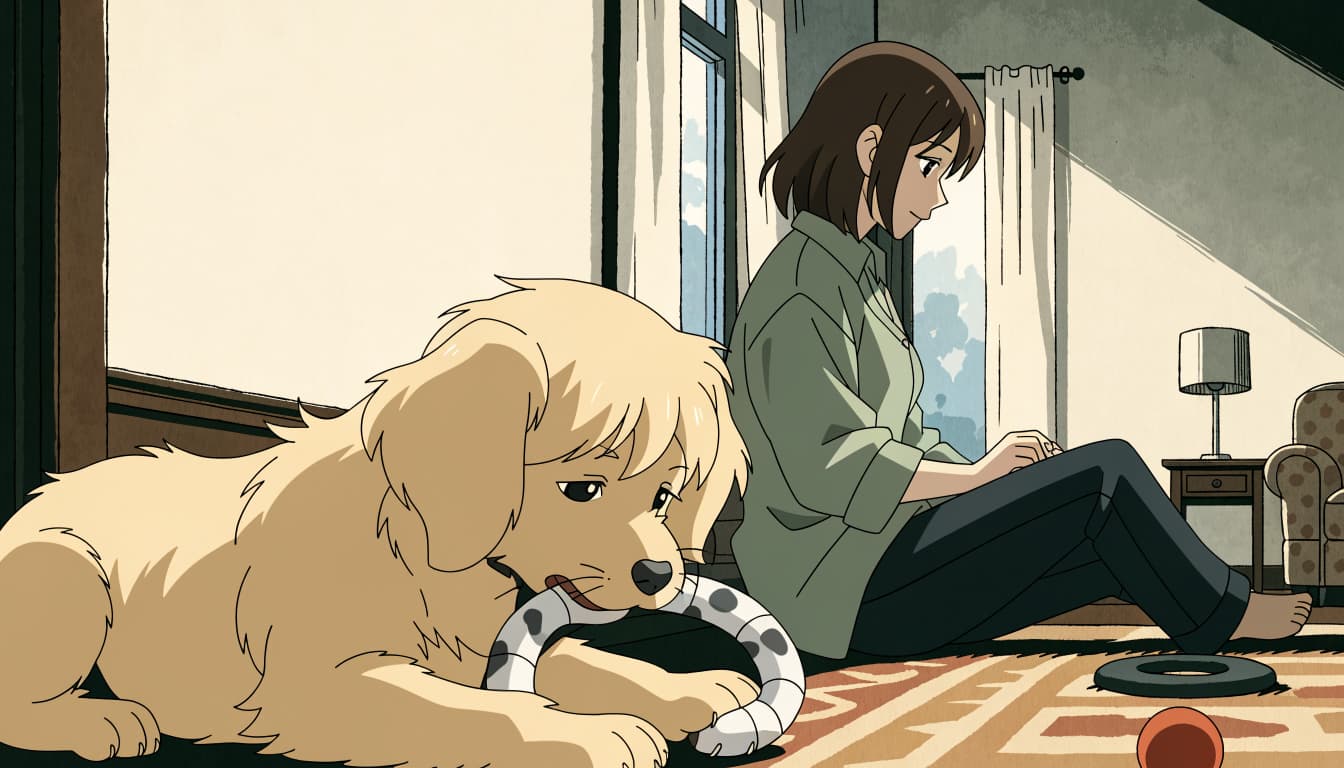
Use the chew test as a quick screen, not a promise
VCA's teething toy guidance points you toward toys with a little bend or material you can indent with a fingernail. If an item won't bend, leave it out of the chew rotation.
Think of that check as a first filter. A toy that passes can still be torn, swallowed, or used in a way that causes injury. Your puppy's size, enthusiasm, and dental health all matter.
If you're unsure what fits, ask your veterinarian for options. Bring the toy or a photo of it to an appointment so you can discuss the actual item, rather than a vague description of "the blue one."
Keep chewing sessions supervised
Stay nearby and watch how your puppy uses the toy. You want to see chewing, not a determined attempt to shred and swallow the whole thing.
Take the toy away if it starts breaking apart, sheds pieces, or becomes small enough to swallow. If a piece is missing and you think your puppy ate it, contact your veterinarian for advice.
Don't leave your puppy alone with a chew, even one that passed the bend test. Supervision lets you spot damage before a normal chew session turns into a missing-piece mystery.
Ask your veterinarian about dental chews and teething needs
A product labeled for puppies isn't automatically right for every puppy. Your veterinarian can help you weigh the toy's size and firmness against your dog's chewing behavior and any dental concerns.
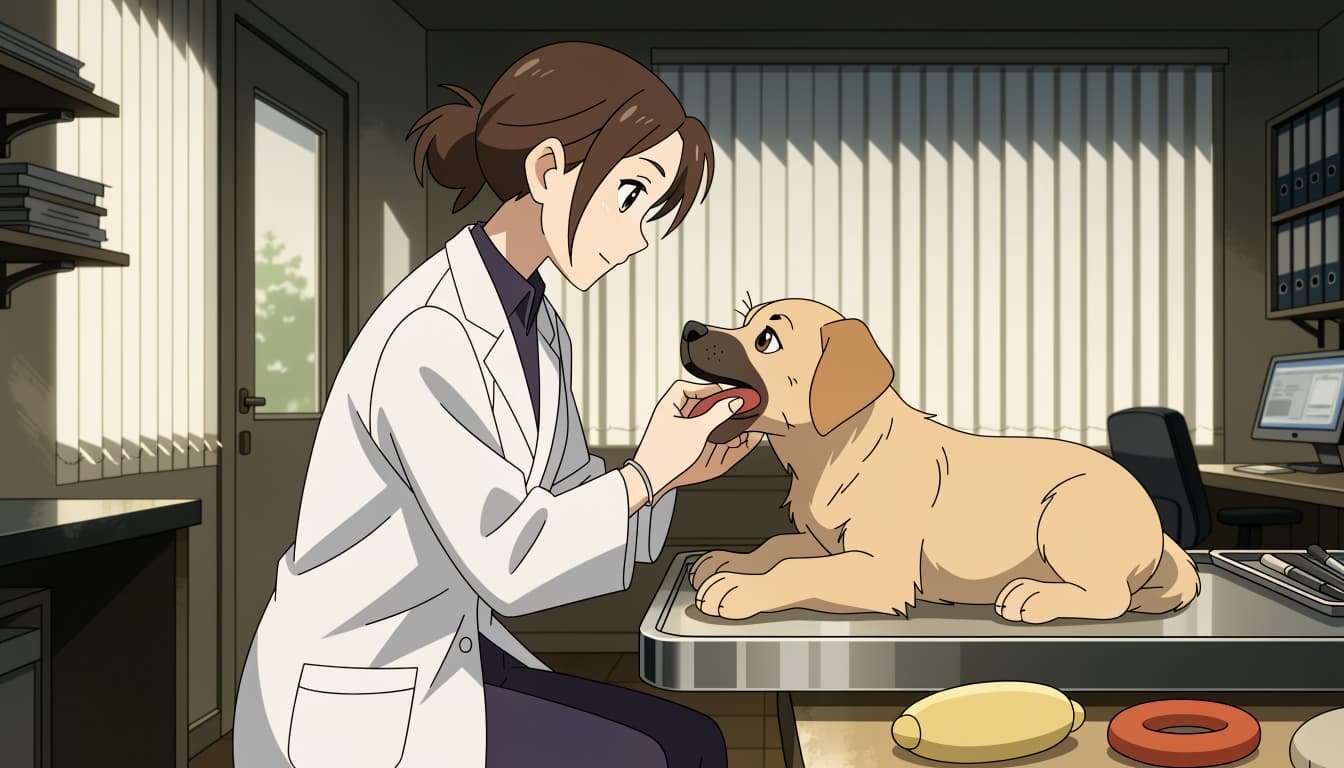
Choosing a dental product
If you're shopping for a product intended to reduce plaque or tartar, ask your veterinarian about suitable choices or look for the Veterinary Oral Health Council seal. The VOHC accepted-products list identifies products that have earned it.
The seal applies to accepted dental products and their stated plaque or tartar claims. It isn't a blanket endorsement of antlers, and it doesn't mean every accepted product fits every puppy.
Keep the rest of your puppy's dental routine in view, too. Dental chews don't replace regular brushing with dog toothpaste or dental checks during veterinary visits.
Streetwear & Casual Styling
Once the puppy has a suitable toy and you're settled in to supervise, your outfit can stay low effort. Pair our Scream At Void My Human Understands Tee with relaxed jeans and sneakers for a casual dog-parent look.
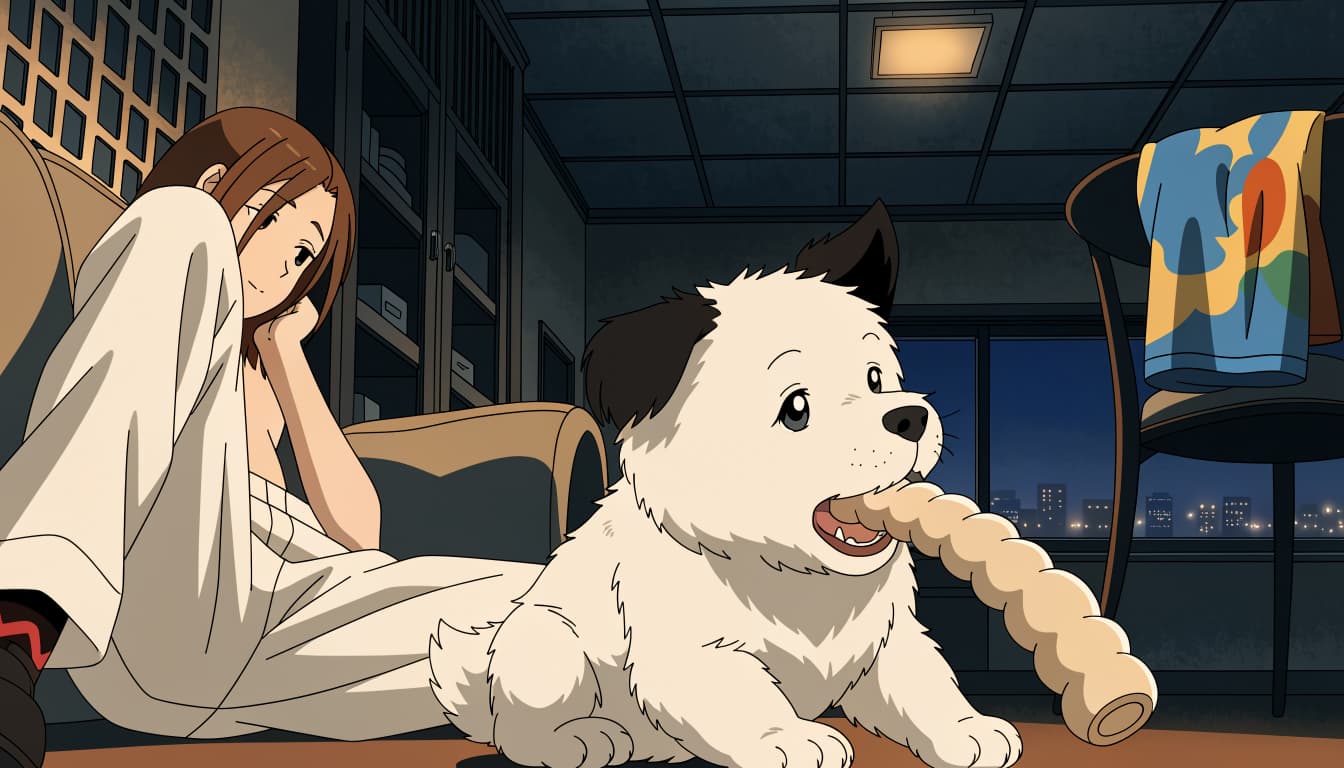
For a cyber-anime spin, wear our If They Could Use Internet Tee with dark joggers and a simple jacket. Your puppy supplies the chaos; your graphic tee supplies the commentary.
Frequently Asked Questions
Are antlers safe once a puppy has all its adult teeth?
Adult teeth can still fracture on a hard, non-bending antler. Choose a flexible, appropriately sized alternative instead. If your puppy has already chewed an antler and shows signs of mouth pain, contact your veterinarian for an exam.
Can a small piece of antler be safer?
A smaller piece is still hard enough to damage teeth. If it's small enough to swallow, it can create another concern. Skip antlers as puppy chews, regardless of their size.
What should you do if your puppy swallowed an antler piece?
Contact your veterinarian promptly, even if your puppy seems normal. Tell the veterinary team what happened and share the approximate size of the piece if you know it. Gagging, retching, vomiting, or trouble breathing warrants emergency veterinary care, so don't wait for symptoms to worsen.
Does a VOHC seal mean an antler is safe?
The VOHC seal applies to specific accepted dental products, not antlers as a category. It relates to a product's plaque or tartar claims and isn't a promise that the item suits every puppy. Ask your veterinarian about any dental product you're considering.
Choose the Chew, Not an Age
There's no proven age when an antler becomes a safe puppy chew. Adult teeth don't erase the risk of a fracture from a hard object.
Choose a flexible toy that fits your puppy, supervise chewing, and ask your veterinarian about dental needs. The chew's hardness and your puppy's behavior matter more than a date on the calendar.