

What Does a Normal Puppy Belly Look Like?
TrendReactTees.STORE TeamA puppy's belly can look a little round, especially after a meal. If you're wondering what does a normal puppy belly look like, focus on your puppy's comfort and how their shape changes, not on a perfectly flat outline.
A belly that stays enlarged, keeps growing, or seems painful deserves a call to your veterinarian. Other signs, such as poor appetite, vomiting, diarrhea, or low energy, matter too.
For the puppy-parent uniform side of life, check out the My Therapist Is a Dog Tee and the Dog Eats Custom Kibble Tee. These are casual style picks, separate from the health advice below.
This post may contain affiliate links. If you make a purchase through these links, I may earn a small commission at no extra cost to you.
Key Takeaways
- A mildly rounded belly can be normal, but there's no single ideal puppy shape.
- Comfort, appetite, energy, stool, and growth give useful context.
- Ongoing or increasing swelling, pain, or a new navel bump warrants a vet call.
- Sudden painful swelling, unproductive retching, collapse, breathing trouble, or abnormal gum color needs emergency care.
- Don't give human pain medicine or dewormers without veterinary direction.
What Does a Normal Puppy Belly Look Like?
A puppy's abdomen runs from just behind the ribs to the area before the hind legs. Its shape varies with age, build, and whether the puppy has recently eaten. Some puppies look a bit round through the middle, while others have a less noticeable curve. A flat belly isn't a health requirement.
A single glance can't tell you whether your puppy is healthy. Look at the whole picture: Is your puppy eating, playing, growing, and passing stool as usual? Do they seem comfortable when picked up or handled gently? A round belly paired with normal behavior means something different from a belly that is tense, painful, or changing fast.
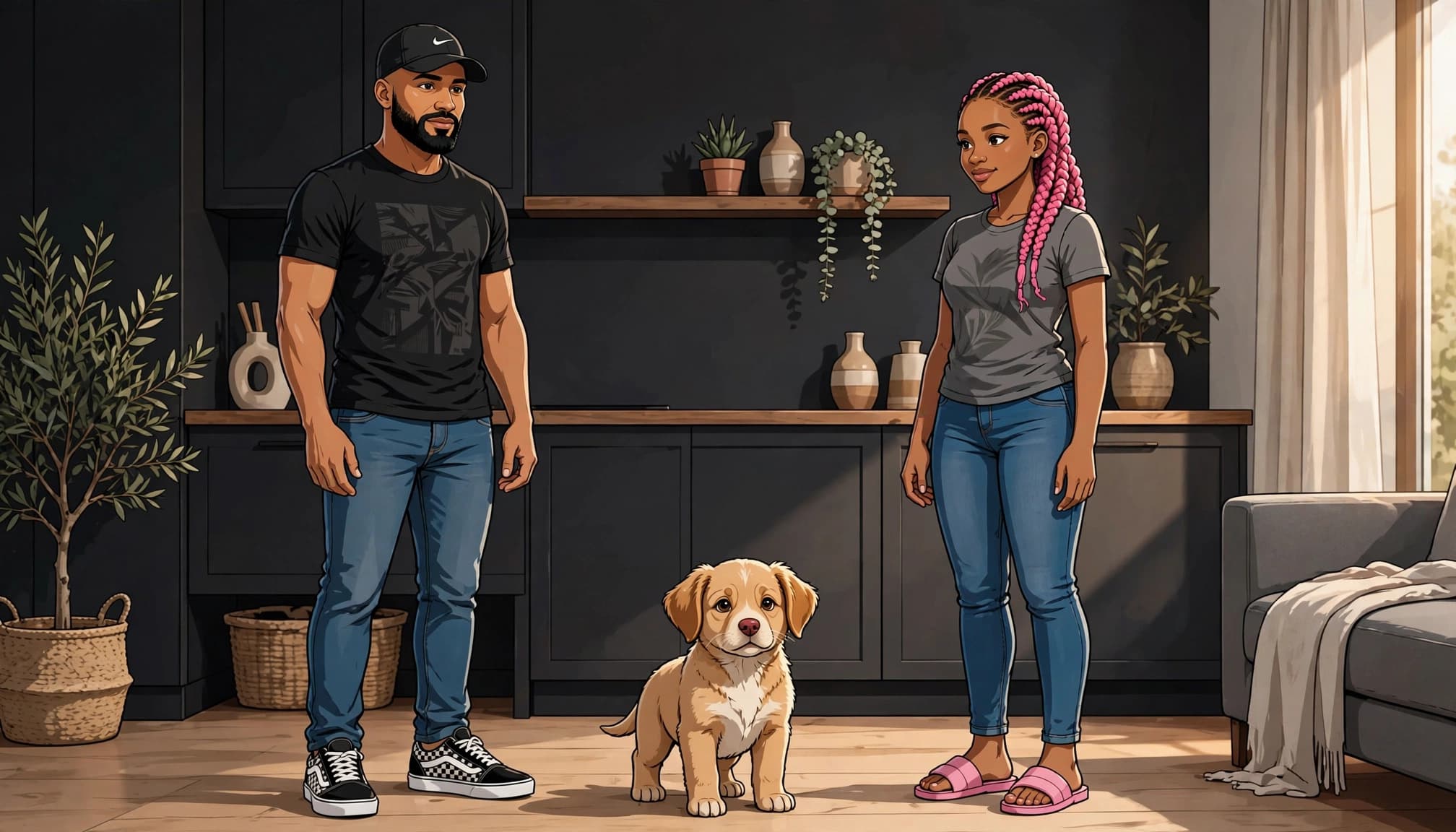
A little roundness can be normal, but context matters
A belly may look fuller after a meal. That alone doesn't tell you there's a problem, and there's no one belly size or outline that fits every healthy puppy. Pay attention to what's typical for your dog and whether the shape returns to its usual appearance over time.
If the abdomen stays enlarged, gets bigger, or looks different alongside digestive symptoms or discomfort, contact your vet. Persistent enlargement deserves attention rather than a guess based on a photo.
Look at comfort and behavior, not just shape
Appetite, energy, growth, stool, and comfort with gentle handling can help you describe what you're seeing. Avoid pressing hard on your puppy's belly to test whether it hurts. If your puppy reacts to gentle touch, seems unusually quiet, or doesn't want to move, call your veterinarian.
A round silhouette alone also isn't a body-condition score. Your veterinarian can assess your puppy's growth and body condition; changes can be harder to spot beneath a fluffy coat.
How a Puppy's Belly Changes With Age, Meals, and Body Shape
Puppies don't all have the same proportions. Age, build, and individual growth affect how their abdomen looks, so comparing your puppy with a littermate or an online photo may not tell you much.
A little fullness after eating can differ from swelling that remains or increases. There's no set time by which every puppy's belly should look less full. Instead, notice your puppy's usual pattern and whether the abdomen changes along with appetite, stool, energy, or comfort.
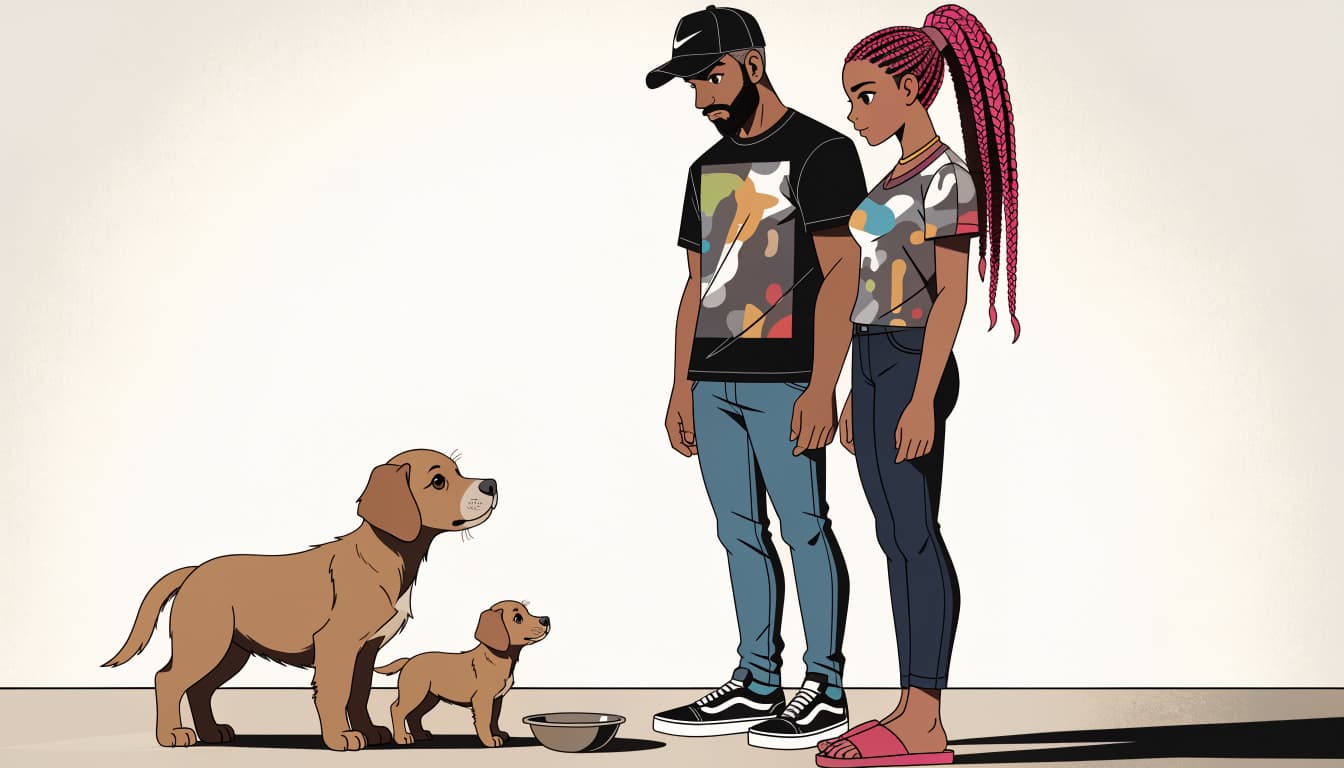
Newborns and young puppies need a closer watch
A round belly alone doesn't show whether a newborn is healthy or unwell. If the abdomen stays distended or grows suddenly, watch for other changes, including poor feeding, weak energy, vomiting, diarrhea, or poor growth.
When those signs appear with a swollen belly, contact a veterinarian. Young puppies can change quickly, and an exam is a safer way to understand the cause than relying on appearance alone.
A soft bulge at the navel may be an umbilical hernia
A small bump beneath the skin at the belly button may be an umbilical hernia. Have any new or persistent navel bulge checked by your veterinarian. The American Kennel Club's overview of hernias in dogs explains why these bumps should be assessed rather than diagnosed at home.
A lump that becomes painful or changes suddenly needs urgent attention, especially if your puppy also vomits, loses interest in food, or seems weak. Those changes can indicate a more serious problem.
When a Swollen Puppy Belly Could Signal a Problem
A belly that stays enlarged, grows, or appears suddenly swollen deserves attention. Intestinal worms can cause a pot-bellied appearance in puppies, but they aren't the only possible cause. A pot belly by itself doesn't diagnose worms. A veterinarian can assess your puppy and discuss testing or safe treatment.
VCA notes that large numbers of intestinal parasites can distend a puppy's abdomen. Read its explanation of testing for abdominal enlargement in dogs for more on possible causes. Contact your vet about ongoing enlargement, suspected parasites, or swelling alongside vomiting, diarrhea, or poor growth.
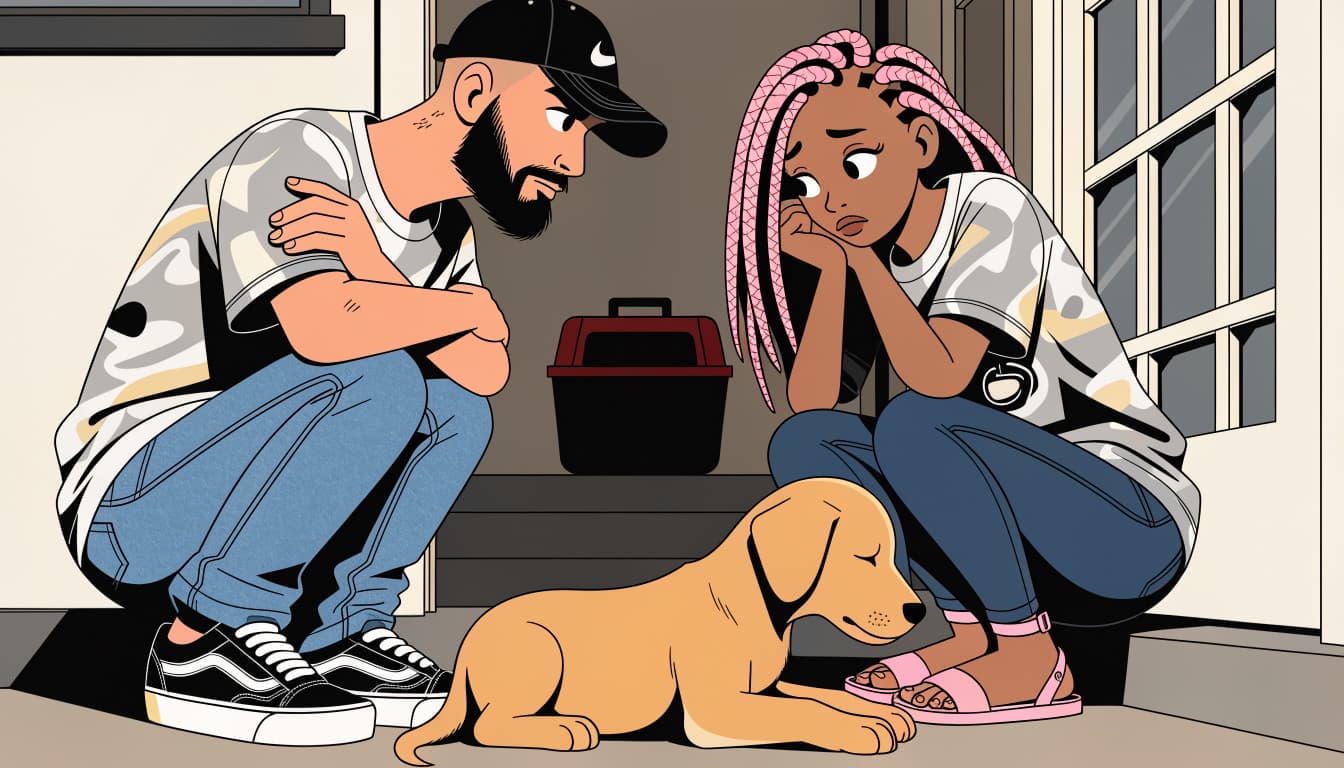
Watch for swelling that persists or keeps increasing
Note whether the belly looks bigger over time or whether the change appeared suddenly. If it persists, keeps increasing, or comes with digestive symptoms, call your veterinarian. The same goes for a puppy who seems uncomfortable or isn't growing as expected.
A vet can examine your puppy and decide whether parasite testing, treatment, or another next step makes sense. Don't start deworming medicine based only on a rounded shape.
Know the signs that need emergency care
Seek emergency veterinary care for sudden painful or tight swelling, repeated attempts to vomit without bringing anything up, collapse, marked weakness, breathing trouble, or pale, gray, or blue gums. Don't wait when these signs appear. VCA lists emergency signs in dogs, including unproductive retching with abdominal swelling.
What to Do When Your Puppy's Belly Looks Different
A few clear observations can help your vet understand what changed. Keep track of whether the swelling is sudden or ongoing, spread across the abdomen or limited to one spot, and whether it changes with eating, standing, crying, or straining.
Also note your puppy's appetite, stool, vomiting, energy, and growth. You don't need to interpret every detail or decide what the cause is. These notes can help describe the problem, but they don't replace an examination.
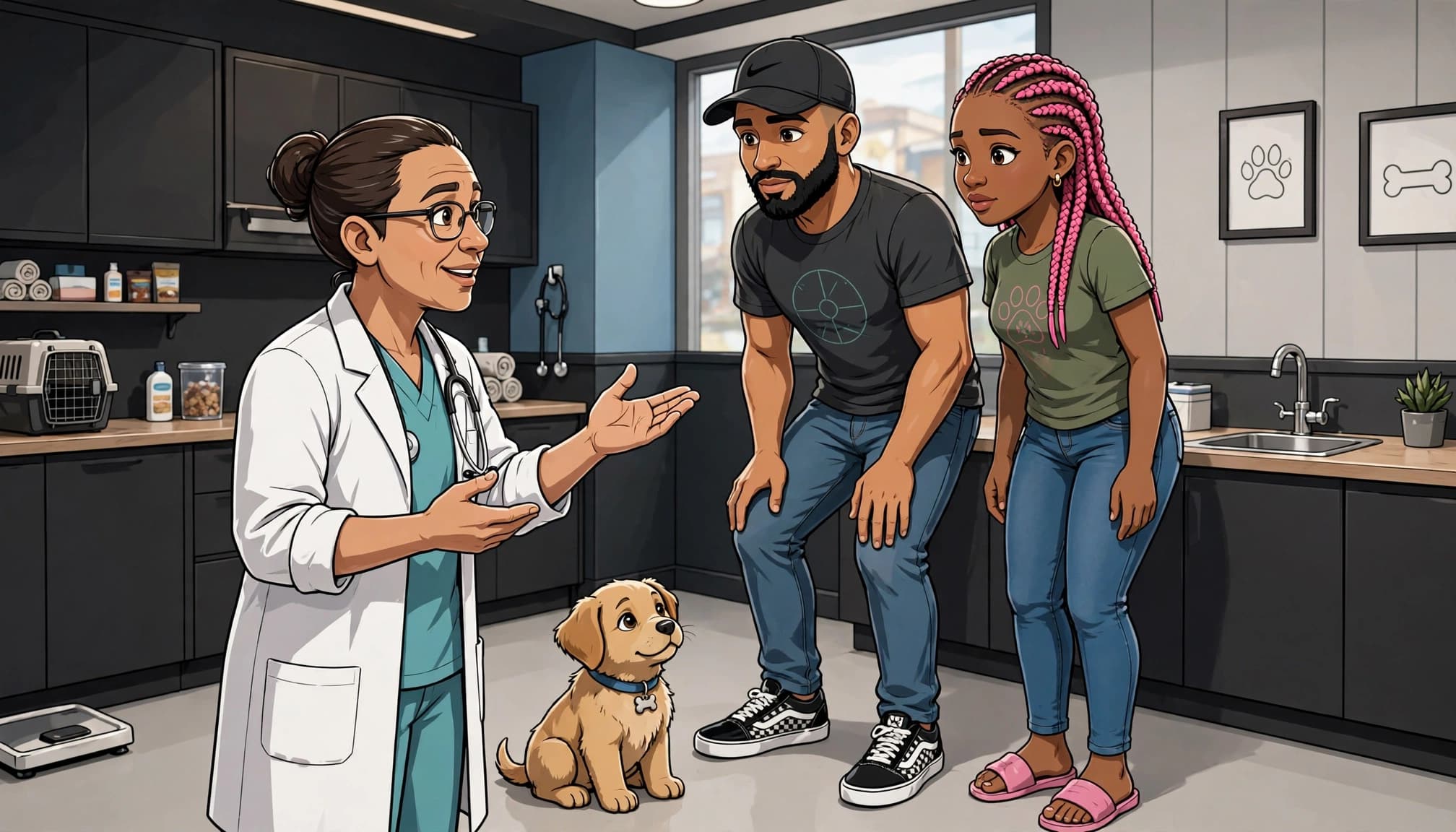
Call your vet with clear details
Call promptly about persistent enlargement, a navel bulge, belly pain, suspected worms, or swelling with digestive symptoms. Tell the clinic when the change started and what else you've noticed. If emergency signs appear, go to emergency care rather than waiting for a routine appointment.
A photo may help you show how the belly looks at a particular moment, but it can't confirm what's causing the change. Your vet's exam is what helps sort out the next step.
Avoid home treatment and human medication
Don't give your puppy human pain medicine or deworming medication unless your veterinarian directs you to. The right treatment depends on the puppy and the cause, and guessing from a checklist or an online image can delay appropriate care.
If your puppy seems suddenly unwell, call a veterinary clinic for guidance instead of trying home remedies first.
Streetwear & Casual Styling
Puppy-parent life comes with walks, errands, and a lot of fur on your clothes. A Cyber-Brutalist Anime Graphic Tee pairs easily with relaxed jeans or cargos and simple sneakers. Let the graphic carry the look; the rest can stay low-key.
For a dog-themed option, take a look at the If They Could Use Internet We'd Be In Trouble Tee. If you want a playful seasonal pick, the Puppin Irish Luck Tee brings a different kind of puppy-parent energy. Wear what fits your style, no outfit quest required.
Frequently Asked Questions
Should your puppy's belly be flat?
No. A flat belly isn't a required sign of health, and puppies vary in shape. Focus on whether your puppy seems comfortable and whether the belly is changing or paired with other symptoms.
Can worms make a puppy look pot-bellied?
Yes, intestinal worms can contribute to a rounded belly, but appearance alone can't confirm parasites. Ask your veterinarian to assess your puppy and recommend safe testing or deworming if needed.
Is a belly button bump normal in a puppy?
A bump at the navel may be an umbilical hernia, so have it checked by a veterinarian. Seek urgent care if it becomes painful or changes suddenly, especially alongside vomiting, appetite loss, or weakness.
When should you take a puppy with a swollen belly to the vet?
Arrange a prompt appointment for ongoing swelling or digestive changes. Sudden painful swelling, unproductive retching, collapse, breathing trouble, or pale, gray, or blue gums needs emergency care.
Conclusion
Puppy bellies come in different shapes, and a little roundness alone doesn't tell you much. A persistent change, discomfort, or other symptoms deserve attention.
Trust what you observe, call your veterinarian when you're concerned, and seek emergency care for urgent warning signs. A familiar belly shape is useful context, but your puppy's comfort and overall behavior matter more.