

What Is an F1B Labradoodle? Coat, Size, and Care
TrendReactTees.STORE TeamAn F1B Labradoodle is usually an F1 Labradoodle crossed with a Poodle. That cross gives an expected pedigree average of 75% Poodle and 25% Labrador Retriever. The label describes ancestry, though, not a guaranteed coat, size, shedding level, or personality.
If a Labradoodle is about to become your emotional support sidekick, you might enjoy our My Therapist Is A Dog Tee or If They Could Use the Internet We'd Be in Trouble Tee. Just remember, a funny shirt can't tell you how much grooming your future dog needs.
This post may contain affiliate links. If you make a purchase through these links, I may earn a small commission at no extra cost to you.
Key Takeaways
- An F1B is usually an F1 Labradoodle crossed back to a Poodle.
- The 75% Poodle and 25% Labrador figures describe expected pedigree ancestry, not a guaranteed appearance.
- Coat, shedding, size, and temperament vary between individual dogs.
- Grooming, exercise, training, and routine health care are part of the commitment.
- Ask for parent health records and meet the dog when possible.
What Is an F1B Labradoodle, and How Is It Bred?
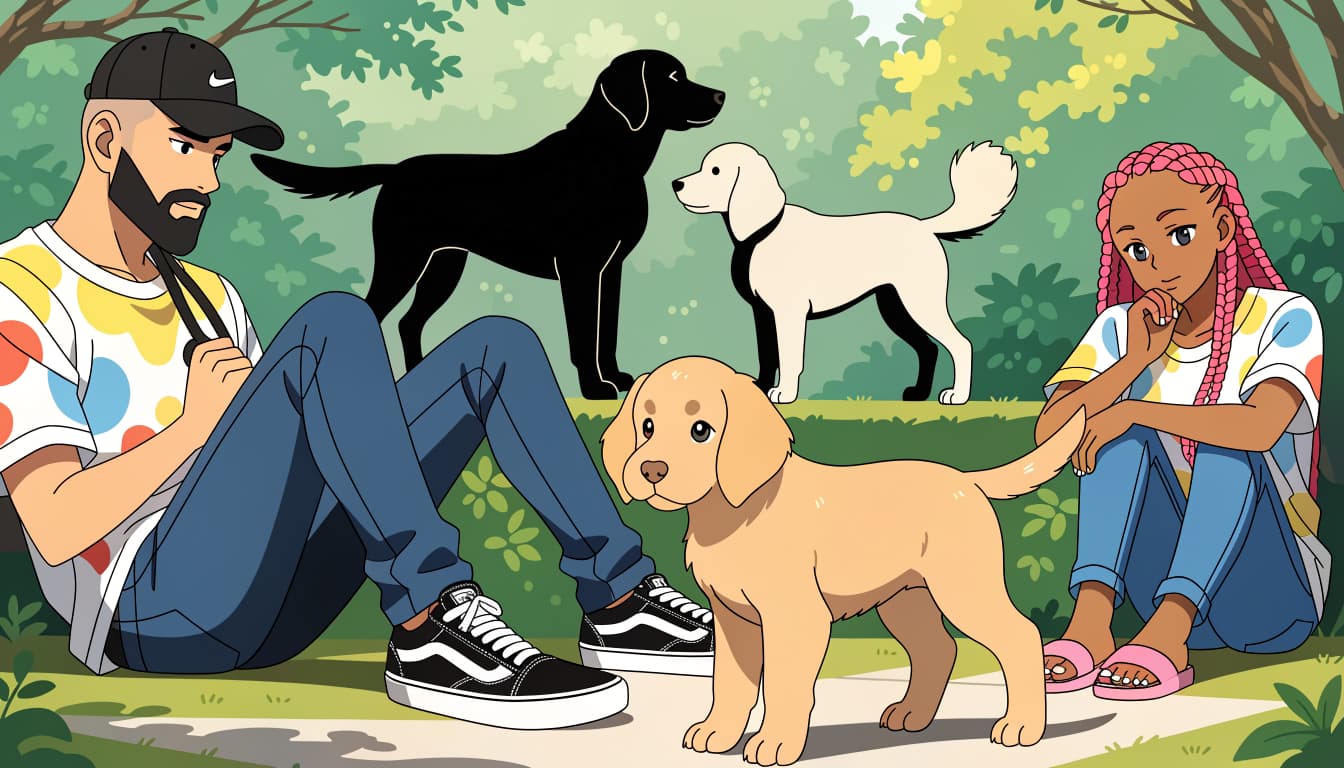
The "F" in F1 means first generation. An F1 Labradoodle is generally the offspring of a Labrador Retriever and a Poodle. For an F1B, a breeder usually crosses that F1 dog back to a Poodle. The "B" refers to a backcross to one of the original parent breeds.
On paper, that pairing gives an average of 75% Poodle ancestry and 25% Labrador ancestry. It's a pedigree calculation, not a recipe for a particular curl pattern or personality. Individual puppies inherit different combinations of their parents' traits.
Breeders don't always use generation labels the same way, so ask which dogs were actually crossed. An F1B usually means F1 Labradoodle × Poodle. It does not mean two F1 Labradoodles were bred together. For a concise explanation of the common cross, see F1 and F1B Labradoodle genetics.
How an F1B Labradoodle Differs From F1 and Multigenerational Dogs
Generation labels are useful shorthand, but they're not an appearance warranty. Here's what the common terms usually mean:
| Label | Usual parent cross | What the label tells you |
|---|---|---|
| F1 | Labrador Retriever × Poodle | First-generation cross, often described as about 50% of each breed |
| F1B | F1 Labradoodle × Poodle | Backcross, with an expected average of 75% Poodle ancestry |
| Multigenerational | Later Labradoodle crosses | Exact ancestry depends on the dogs in the pedigree |
More Poodle ancestry can make some Poodle-like traits more likely. It doesn't guarantee a certain coat, shedding level, or temperament. Ask for the parentage and pedigree rather than treating the label like a character-select screen with fixed stats.
An Australian Labradoodle is not simply another name for every F1B. Australian Labradoodles are developed multigenerational lines with specific pedigree and organization practices. If a breeder uses that name or mentions a registry, ask which line and records they mean.
What Coat, Shedding, and Allergy Traits Can You Expect?
F1B Labradoodles may have curly, wavy, or fleece-like coats. A higher expected share of Poodle ancestry can make certain Poodle-like coat traits more likely, but puppies in the same litter can still look different. An F1B can shed, too. The generation label doesn't issue a "no loose hair" patch for your sofa.
A puppy's coat can change as it grows, so an adorable curl pattern at eight weeks doesn't settle the adult-coat question. Look at both parents' coats and ask about any available coat or genetic test results. Those details can help you form an expectation, but they can't promise exactly what your dog's adult coat will look like. Labradoodle coat and shedding guidance offers more detail on the variation.
No dog should be treated as guaranteed hypoallergenic. Dog allergens affect people differently, and coat type alone can't tell you how you'll react. If allergies are a concern, spend time around the specific dog before committing. A quick visit isn't a medical guarantee, but it's more useful than buying into a promise attached to a breed-generation label.
What Size, Personality, and Care Needs Might Your Dog Have?
An F1B label doesn't tell you whether your dog will be compact or large, low-key or ready to sprint around the yard. The Poodle parent's size and both parents' inherited traits matter more than the generation tag.
Size and temperament
Poodles come in different sizes, and the size of the Poodle parent helps shape the puppy's likely adult build. Ask about both parents' measurements and adult weight instead of relying on puppy paws as a crystal ball.
Labradoodles are often described as affectionate, intelligent, playful, and trainable. Those are possibilities, not a temperament warranty. Your dog's genetics, early socialization, training, health, and environment all affect behavior. Plan for daily exercise, reward-based training, and mental enrichment. A bored, clever dog can invent side quests you didn't assign.
Grooming and daily care
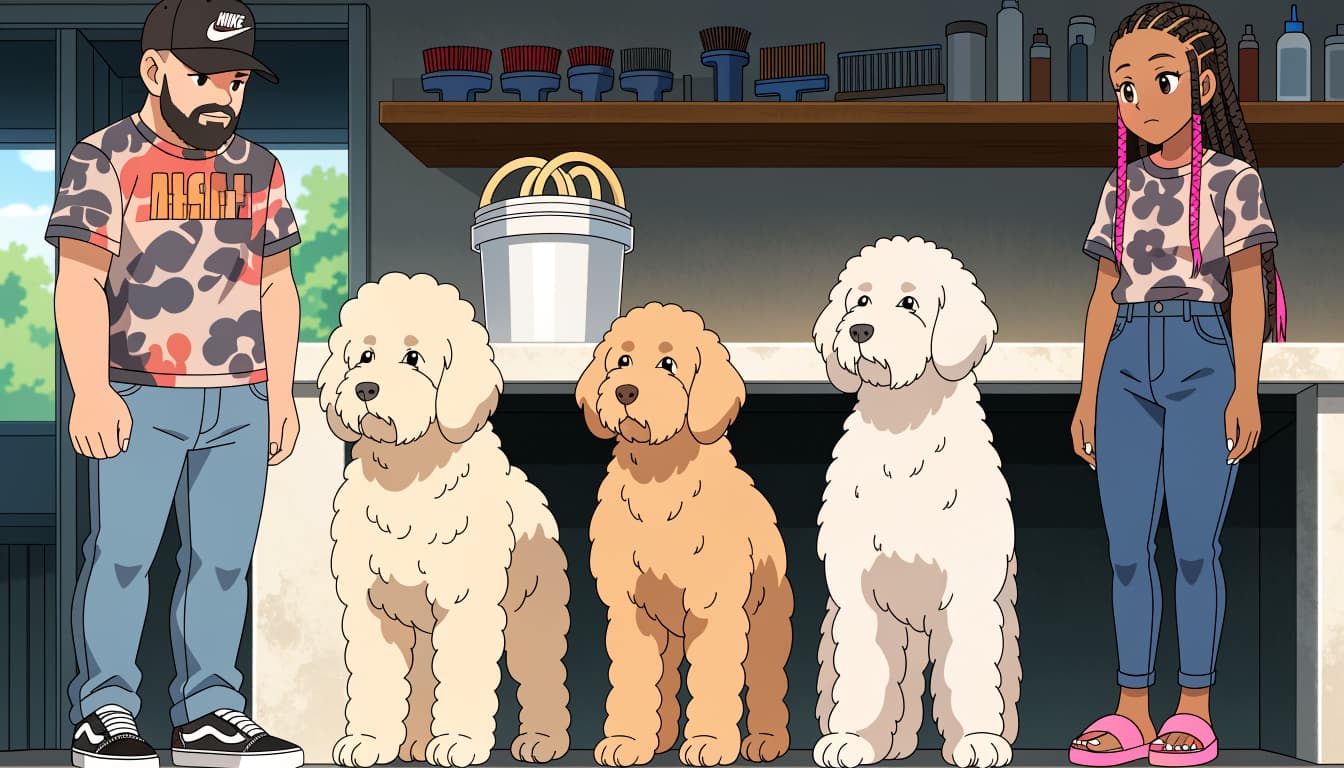
Brush and comb your dog's coat down to the skin so you catch tangles and mats before they tighten. A coat can look tidy on top while hiding a knot underneath. Grooming needs vary with coat texture, length, and matting, so professional appointments may be needed every few weeks or less often depending on your dog's needs.
Get puppies used to brushing, bathing, drying, and grooming visits gradually. Add routine nail trims, ear checks, and dental care to the schedule. Long coat, long to-do list. Those are the actual stats.
Health
Hybrid ancestry doesn't erase health risks. Ask about health testing for both parents and request veterinary records for the puppy. Ask what the results cover and how they fit the parents' breeds. Records give you useful information, but no test can promise a zero-risk dog.
How Can You Choose an F1B Labradoodle Responsibly?
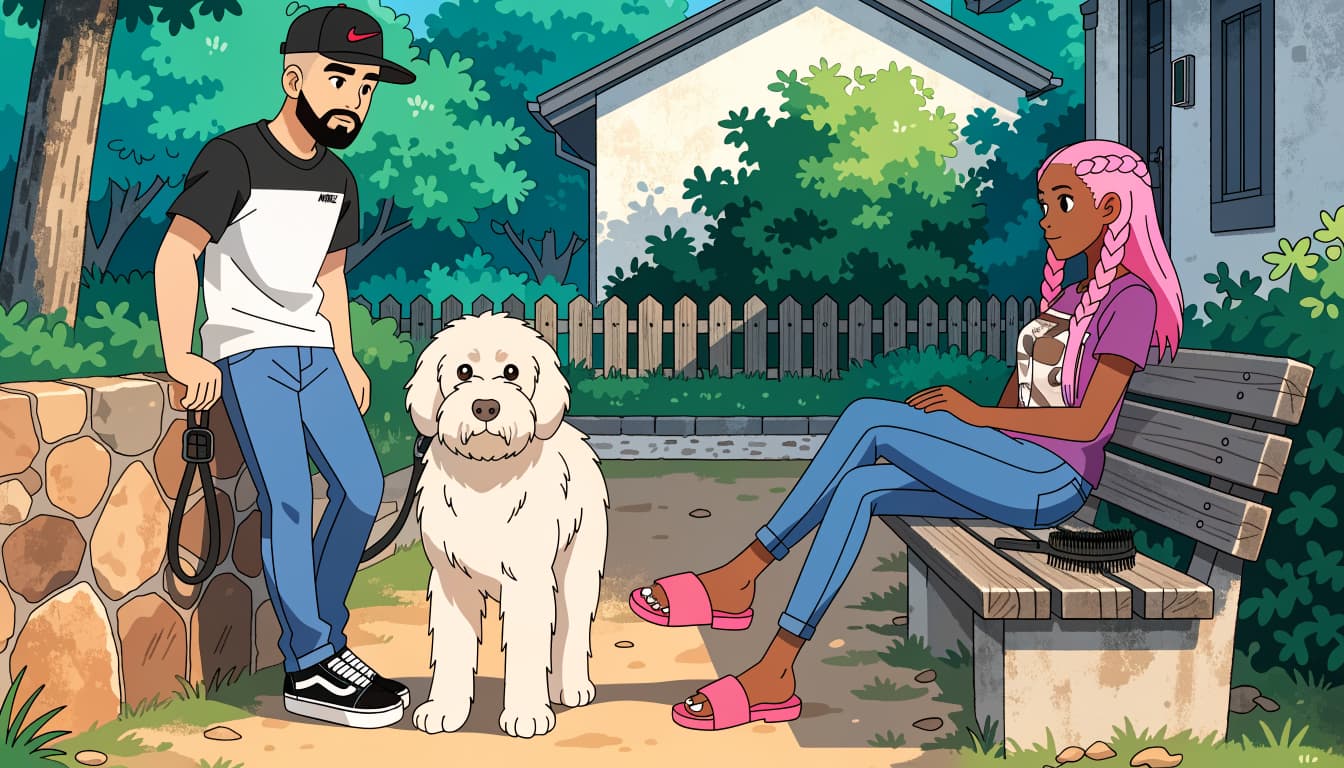
A careful breeder should be able to explain the puppy's parentage and early care without turning every answer into a sales pitch. Ask for the parents' names and health-testing records, the puppy's veterinary history, and details about how the litter has been socialized. Get the written contract and return policy before you commit.
Meet the mother and see where the dogs are raised when possible. If you're considering a dog from a distance, ask for a live video conversation and records you can review. A folder of adorable puppy photos is nice. It isn't a substitute for clear answers.
If a breeder describes the litter as Australian Labradoodles or cites a registry, ask what organization and pedigree records support that claim. Those terms refer to a specific developed line, not every F1B Labradoodle. Adoption is another route; check the individual dog's behavior, health history, size, and grooming needs rather than assuming them from the label. Adopt a Pet's Labradoodle profile can help you explore the breed and adoption option.
PetMD reports a broad U.S. puppy price estimate of about $1,000 to $4,000, varying by breeder, generation, and age. That's a general range, not an F1B-specific quote or a badge of responsible breeding. Prioritize the dog's records and care over the number on the listing.
Streetwear & Casual Styling
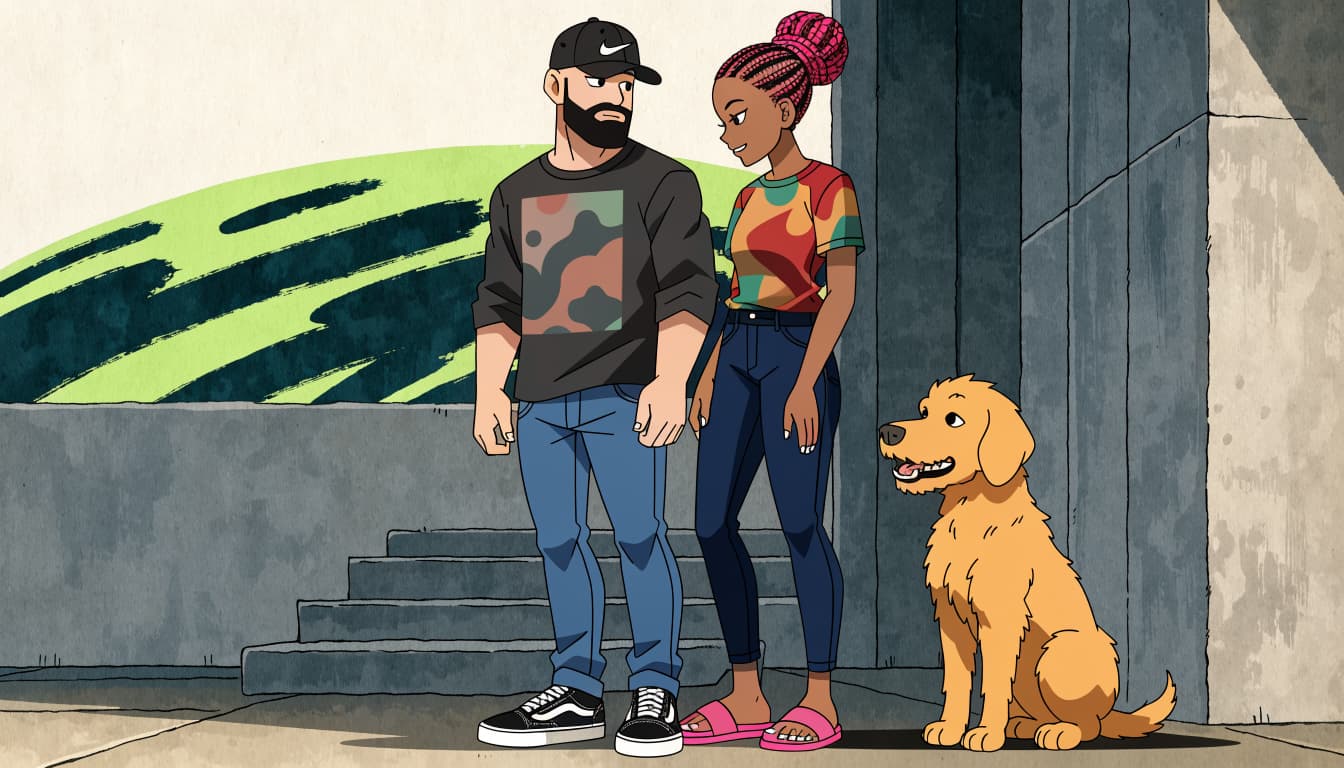
Once the serious dog questions are handled, your outfit can be the easy part. Build around a Cyber-Brutalist Anime Graphic Tee with relaxed jeans or cargos and comfortable shoes. Keep the rest simple so the graphic gets the spotlight. A Dog Eats Custom Kibble Tee brings the pet-parent joke; the Best Dog Mom Tee keeps the look direct. Clothes are for self-expression, not dog-care equipment.
Frequently Asked Questions
Is an F1B Labradoodle always 75% Poodle?
The 75% Poodle and 25% Labrador figures describe the expected pedigree average when an F1 Labradoodle is crossed with a Poodle. Breeders may use generation labels differently, so the actual parent dogs and pedigree matter. Ask for those details instead of relying on "F1B" alone.
Can an F1B Labradoodle live in an apartment?
Possibly, if the individual dog's activity needs fit your routine and you can provide regular walks, training, and enrichment. Size is only one factor. Consider the dog's behavior, energy, and comfort with your home environment.
How often will your F1B Labradoodle need professional grooming?
There's no single schedule for every F1B. Coat type, length, tangles, and your home grooming routine all affect how often your dog needs a professional trim. Ask a groomer to assess the individual coat and set a schedule.
Does an F1B Labradoodle make a good first dog?
The label alone can't answer that. Think about the specific dog's activity, grooming, training, and health needs, then compare them with the time and experience you can offer. A good match depends on the dog and your household, not just the generation.
Choose the Dog, Not Just the Label
An F1B Labradoodle usually means an F1 Labradoodle crossed with a Poodle, with an expected average of 75% Poodle and 25% Labrador ancestry. That label can't guarantee coat, shedding, size, or temperament. Your best clues are the individual dog, its parents' records, and the care it needs.
Pick a dog whose grooming and activity needs fit your actual routine. The right match is the one you can care for well, curls, shedding, and all.