

What Size Generator Do You Need to Run a Freezer?
Your freezer's compressor needs extra power when it starts, so running watts alone won't settle your generator shopping list. Pick by that number alone, and your backup plan could trip the overload protection before the ice cream gets its rescue arc.
To figure out what size generator to run a freezer, check both running and starting demand, then account for everything else sharing the generator.
You don't need a universal wattage chart or electrical guesswork disguised as confidence. Start with your freezer's actual specifications, compare the right generator ratings, and build a connection plan that keeps exhaust outside.
Key Takeaways
- Check your freezer's label and manual for electrical requirements, including its compressor-starting demand.
- Match the generator's continuous output to simultaneous running loads and its starting capacity to the expected startup demand.
- Include other appliances, especially motors that could start while your freezer is running.
- Operate portable generators outdoors, at least 20 feet from your home, with exhaust directed away from openings.
- Use properly rated cords or approved transfer equipment, and shut down and cool the generator before refueling.
What Size Generator to Run a Freezer: Start With the Label
Your answer depends on your freezer's documented electrical needs. There's no dependable wattage that covers every model.
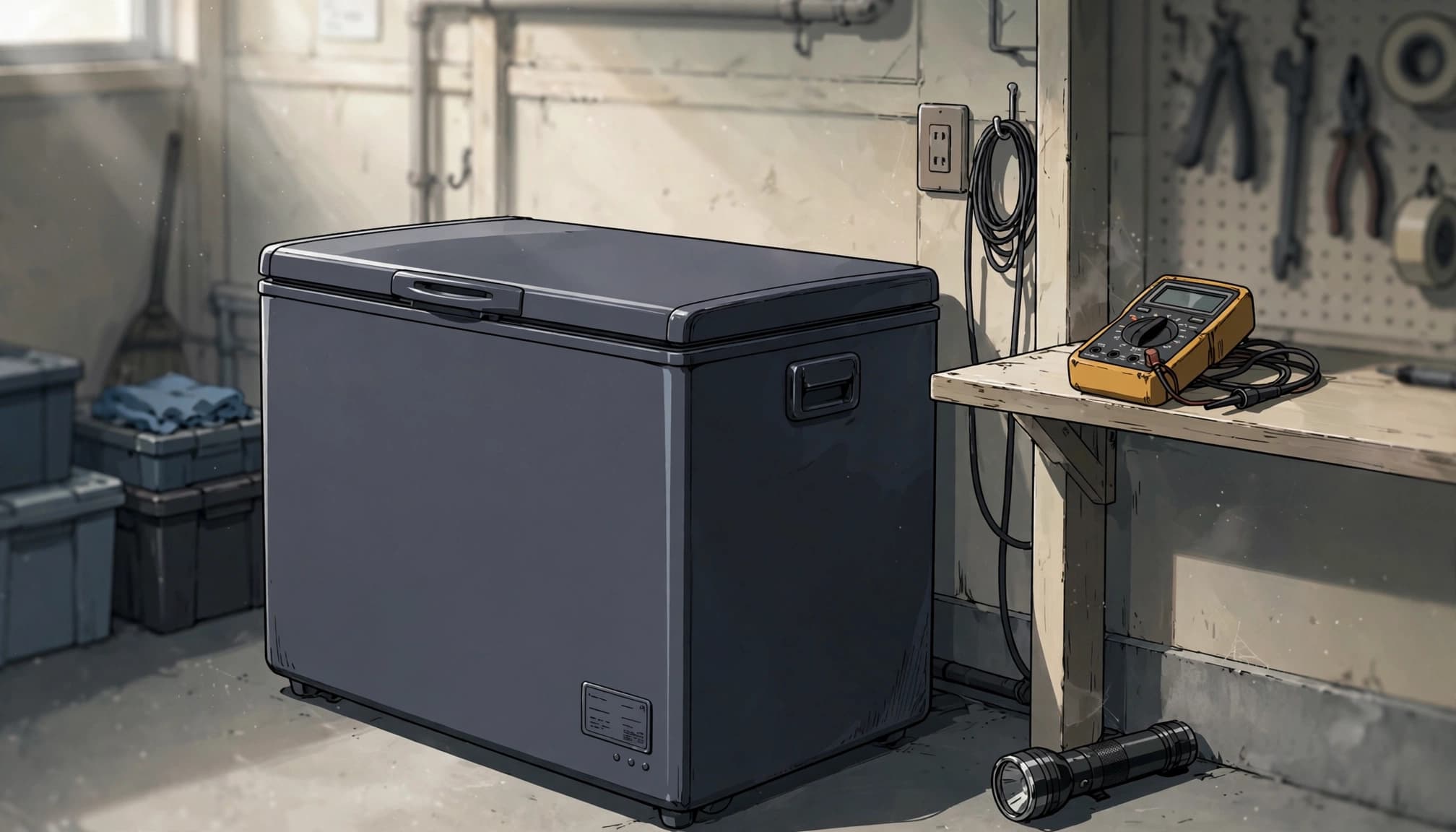
Find the rating plate, often inside the cabinet or on the back, and check the manual. Record the model number, voltage, rated amps, and watts if listed.
Champion Power Equipment gives the basic calculation: volts multiplied by amps estimates running watts. For a motor load, that isn't a precise measured-watt reading, and it doesn't reveal startup demand.
How Compressor Startup Changes the Generator Size You Need
Your compressor can briefly draw more power while starting than while running. That short burst matters, even when your freezer's normal consumption looks modest.
A generator's continuous rating describes the load it can keep supplying. Its starting or maximum rating describes short-term output. Generac describes starting demand for some motor-driven equipment as lasting 2 to 3 seconds; your freezer's own requirements still control.
Compare both generator ratings with the freezer's documented needs. If startup information is missing, contact the manufacturer with your model number. Ask for the requirements for operating that freezer on a generator.
Why Freezer Type and Generic Wattage Estimates Can Mislead
Chest versus upright isn't a reliable sizing shortcut. Capacity, age, model, and compressor design all affect electrical demand.
Even generator manufacturers' reference charts differ. Champion and Generac publish different estimates for refrigerator/freezer loads, and those estimates aren't specifications for your appliance.
Your freezer doesn't care which chart won the search results. Use its documentation.
Also, don't confuse annual energy consumption with instantaneous power. A kilowatt-hour figure on an energy label measures energy over time. It doesn't tell you how much generator capacity the compressor needs when it starts.
Calculate Generator Capacity for Your Freezer and Other Loads
Once you have the freezer's requirements, build a load calculation around what you'll power simultaneously. Your generator has one output budget.
Use a Load List to Include Everything Running at Once
Check each appliance's label and manual, then record running and starting requirements separately. Include lights, a refrigerator, a sump pump, and anything else you intend to connect.
Use this sequence:
- Add the running watts of equipment that will operate together.
- For each startup, combine that appliance's documented total starting demand with the running demand of other connected equipment.
- Account for overlapping startup if multiple motors could start together.
Check whether a specification means total starting watts or additional surge watts. Don't add an appliance's running watts twice when its starting figure already includes them.
Check Both Generator Ratings Before You Buy
The generator's continuous rating must accommodate your simultaneous running load. Its short-term starting capacity must accommodate the demand during startup, within the manufacturer's stated limits.
That giant peak-watt number on the packaging isn't continuous capacity. Read the specification sheet before your shopping cart develops main-character confidence.
An inverter generator still needs sufficient running output and startup capacity. The inverter label alone doesn't guarantee a match.
Parallel operation is an option only when the specific models support it and their manuals approve the equipment and setup. Don't assume two generators can be connected.
Staggering the initial connections doesn't prevent two thermostat-controlled compressors from restarting together later.
If possible startup combinations remain unclear, ask the generator manufacturer to confirm suitability using your documented appliance loads. Don't substitute an arbitrary percentage for missing specifications.
Check Your Backup Setup Before the Outage
Your total wattage calculation is only part of the setup. Confirm that the generator provides the voltage and frequency your freezer requires.
Check the individual receptacle's rating, too. A generator's total output doesn't mean every outlet can deliver that entire amount. Your plug, cord, receptacle, and connected load must be compatible.
For a dual-fuel generator, use the output rating for the fuel you plan to burn. Don't assume the advertised maximum applies to every fuel option. Follow the manual's guidance for any temperature or altitude-related output limits.
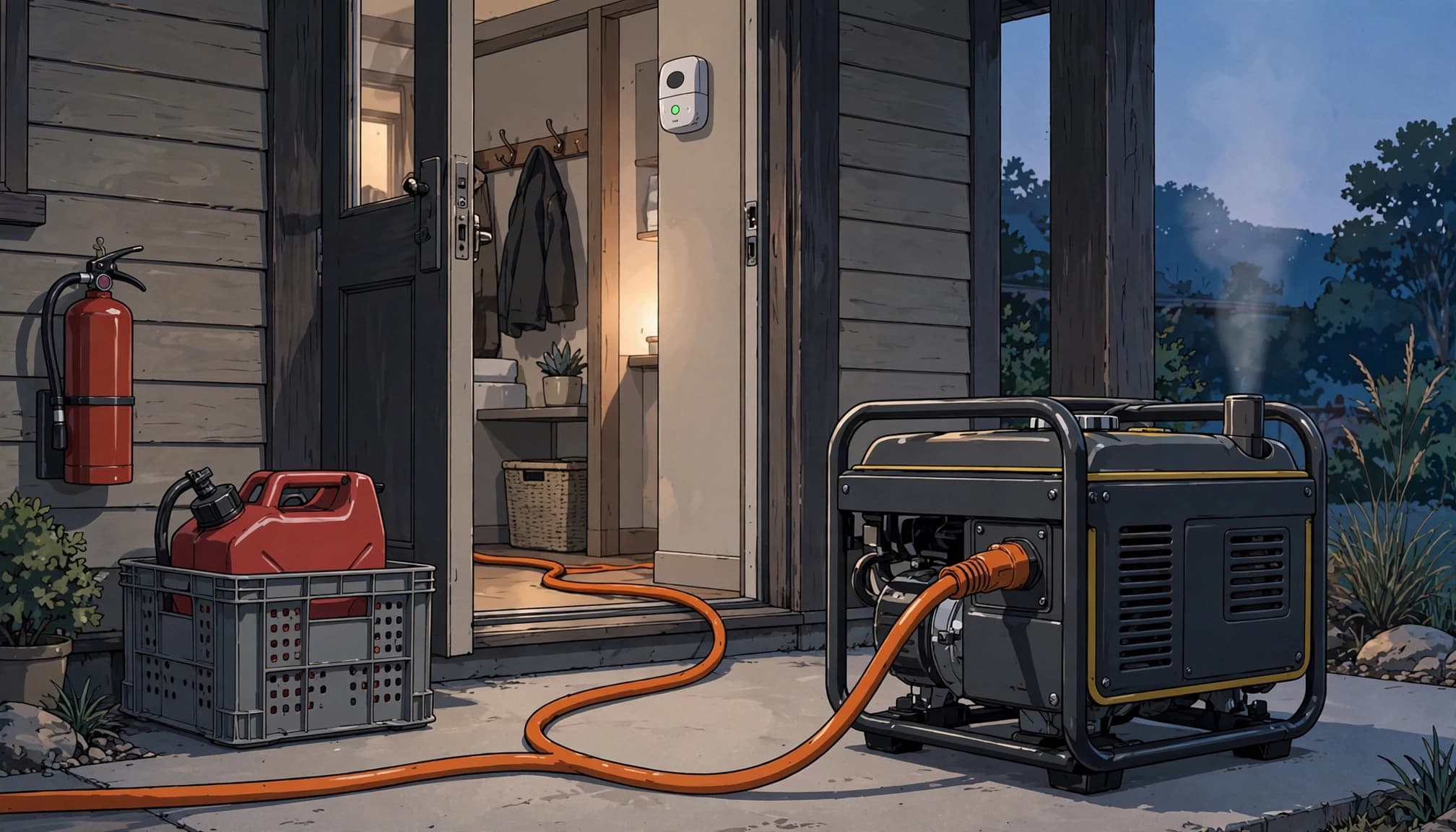
Before you need backup power, inspect your cords, check the generator's oil and maintenance requirements, and keep its manual accessible. Follow its starting and load-connection sequence rather than improvising during a blackout.
If the generator overloads or the compressor struggles to start, disconnect the load and investigate. Repeated retries aren't a repair strategy. Follow the freezer's instructions for any required delay before restarting.
Keep a freezer thermometer inside and minimize door openings during interruptions. Your temperature reading tells you more about the food's condition than the fact that the generator is making noise.
Run a Freezer From a Generator Without Risking Your Home
Sizing mistakes can interrupt your backup power. Connection and exhaust mistakes can injure or kill people. Keep this part boring, deliberate, and completely free of DIY shortcuts.
Choose a Safe Cord or Approved Household Connection
For direct appliance connection, use a grounded, outdoor-use extension cord rated for the connected load. Its wattage capacity should exceed the total connected load. Follow both the freezer and generator manuals.
Cord length affects the required wire size. Don't choose a cord by appearance or reuse one with damaged insulation.
Never backfeed through a wall outlet. That can energize household wiring and utility lines unexpectedly.
For a panel connection, have a qualified electrician install an approved transfer switch or other code-approved isolation equipment. Household wiring needs controlled separation from utility power.
Plan for Carbon Monoxide, Fuel, and Outage Runtime
Follow the CPSC generator safety warning: operate outdoors, at least 20 feet from your home and other buildings. Direct exhaust away from doors, windows, and vents.
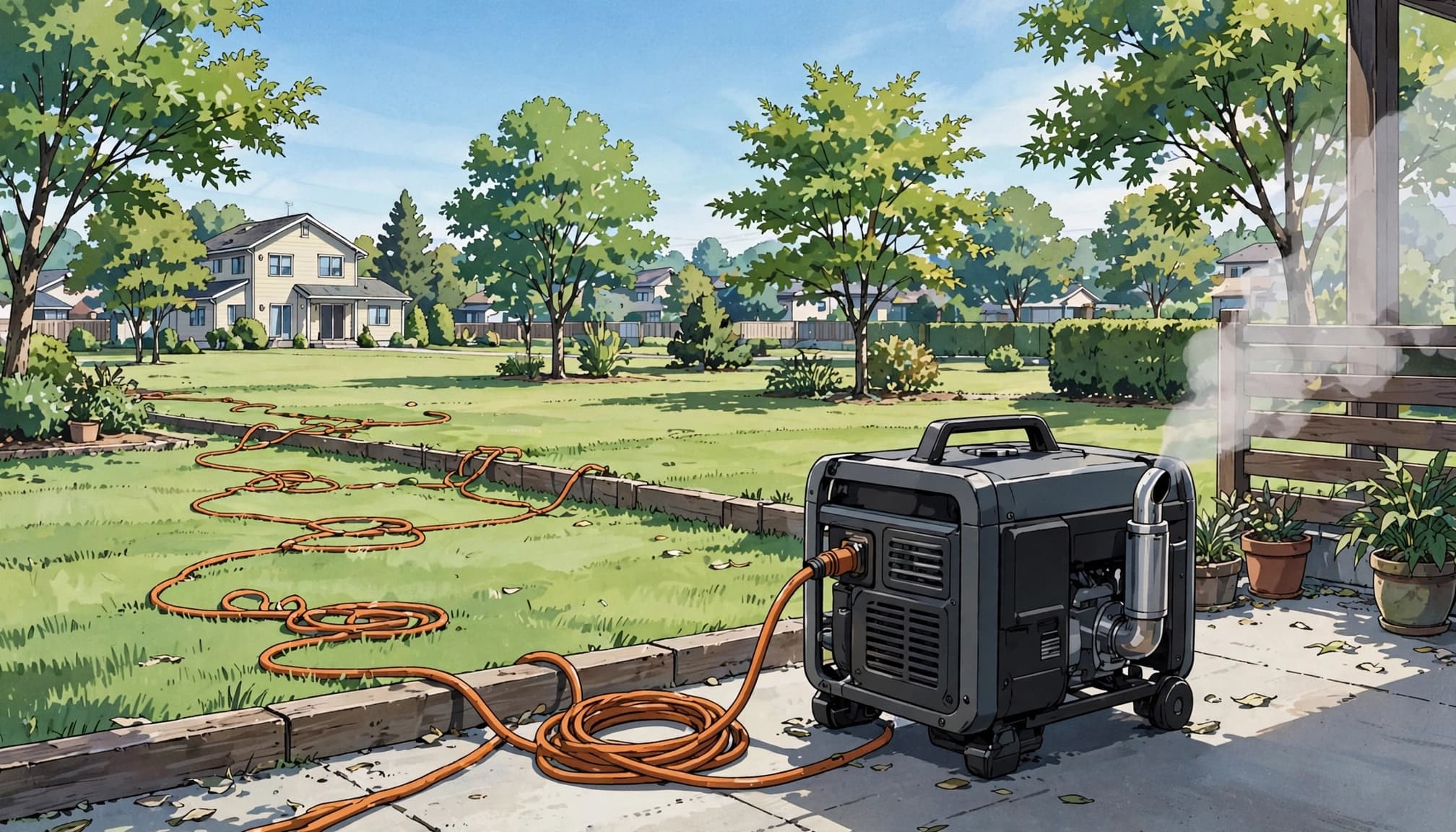
Never operate in a garage or enclosed space, even with doors open. Install working CO alarms on every level and outside sleeping areas. The CPSC carbon monoxide guidance explains why open doors don't make indoor generator use safe.
Shut off the generator and let it cool before refueling. Store fuel in approved containers, away from living areas and ignition sources. Check the model's runtime at your expected load.
This short CPSC video reinforces the exhaust hazard:
Streetwear & Casual Styling
Your casual outfit can have considerably more chaos than your electrical setup.
Build around Cyber-Brutalist Anime Graphic Tees by letting the artwork take the lead. Relaxed cargos give you a loose streetwear silhouette. Dark-wash denim keeps the look cleaner without turning the graphic into background noise.

For layers, choose an open overshirt or lightweight jacket that leaves the main artwork visible. Keep competing prints limited so your outfit doesn't look like twelve browser tabs arguing.
Finish with simple sneakers and one accessory. You get bold anime energy without making every item audition for protagonist status.
Frequently Asked Questions
Can a Small Portable Generator Run a Freezer?
Yes, if its continuous and starting ratings meet your freezer's documented requirements and any simultaneous loads. There's no universal minimum size. Check the exact model's specifications, rather than treating "small portable" as an electrical rating. If documentation gives only running demand, you still need startup information before choosing.
Can You Run a Freezer With an Inverter Generator?
Yes, when its rated output and startup capacity match your freezer's needs. An inverter label doesn't promise enough power for every compressor. Check the generator manual for its operating instructions and load limits, including any guidance about economy mode during motor startup. Follow those instructions for your model.
Can One Generator Power a Freezer and a Refrigerator?
Yes, if you account for both running loads and possible overlapping compressor startup. Check each appliance's documentation separately before choosing capacity. Their compressors cycle automatically, so plugging them in at different times doesn't guarantee permanently staggered starts. Ask the generator manufacturer to confirm uncertain combinations.
How Long Can a Generator Keep a Freezer Running?
Runtime depends on the generator model, fuel supply, and connected load. Use the manufacturer's runtime information for your expected load, rather than a fuel-tank number alone. Plan for interruptions during refueling, and keep the freezer closed during those breaks. Refuel only after shutting down and cooling the generator.
Choose by Specifications, Then Operate Safely
Your reliable sizing answer starts with the freezer's own running and compressor-starting requirements. Compare them with the generator's continuous and starting ratings, then account for other connected loads.
If a specification is missing, contact the freezer manufacturer before buying. A generic chart can't settle an unknown compressor requirement.
Keep safe outdoor operation part of the purchase decision. Enough wattage, compatible connections, and a safe exhaust location give your freezer a usable backup plan when the power disappears.