

What to Feed a Great Dane Puppy for Healthy Growth
TrendReactTees.STORE TeamFeed your Great Dane puppy a complete-and-balanced food labeled for the growth of large-size dogs. Measure each meal, aim for lean and steady growth, and ask your veterinarian to tailor portions and meal timing to your puppy. Giant breeds grow for a long time, so pushing for maximum weight gain can put unnecessary strain on developing bones and joints.
The right food matters more than a flashy bag or an oversized scoop. And if puppy-parent humor is part of your uniform, we have the Best Dog Mom Tee and My Therapist Is A Dog Tee. They're for the humans, not the feeding plan.
This post may contain affiliate links. If you make a purchase through these links, I may earn a small commission at no extra cost to you.
Key Takeaways
- Choose a complete-and-balanced food labeled for large-size growth, not an adult-maintenance diet.
- Measure meals and use the package guide as a starting point, then adjust with your veterinarian.
- Keep growth lean and steady; don't add calcium or vitamins to a complete food without veterinary direction.
- Keep treats small, and contact an emergency veterinarian if you suspect bloat.
- Ask your veterinarian to set a feeding schedule for your puppy's age and needs.
What to Feed My Great Dane Puppy for Healthy Growth
Choose a food with a complete-and-balanced statement for growth of large-size dogs. AAFCO's large-size growth criteria apply to dogs expected to weigh at least 70 pounds as adults, and Great Danes land firmly in that category. An adult-maintenance formula isn't designed for a puppy's needs. An ordinary puppy food without the large-size growth statement may not be formulated with the same mineral controls.
Dry kibble and wet food can both work if the label identifies the food as complete and balanced for large-size growth. Purina ONE Large Breed Puppy Formula is one example whose label meets the large-size growth criterion. It's an example, not the only food that can fit the job. AAFCO's label guidance explains where to find the nutritional adequacy statement and feeding directions.
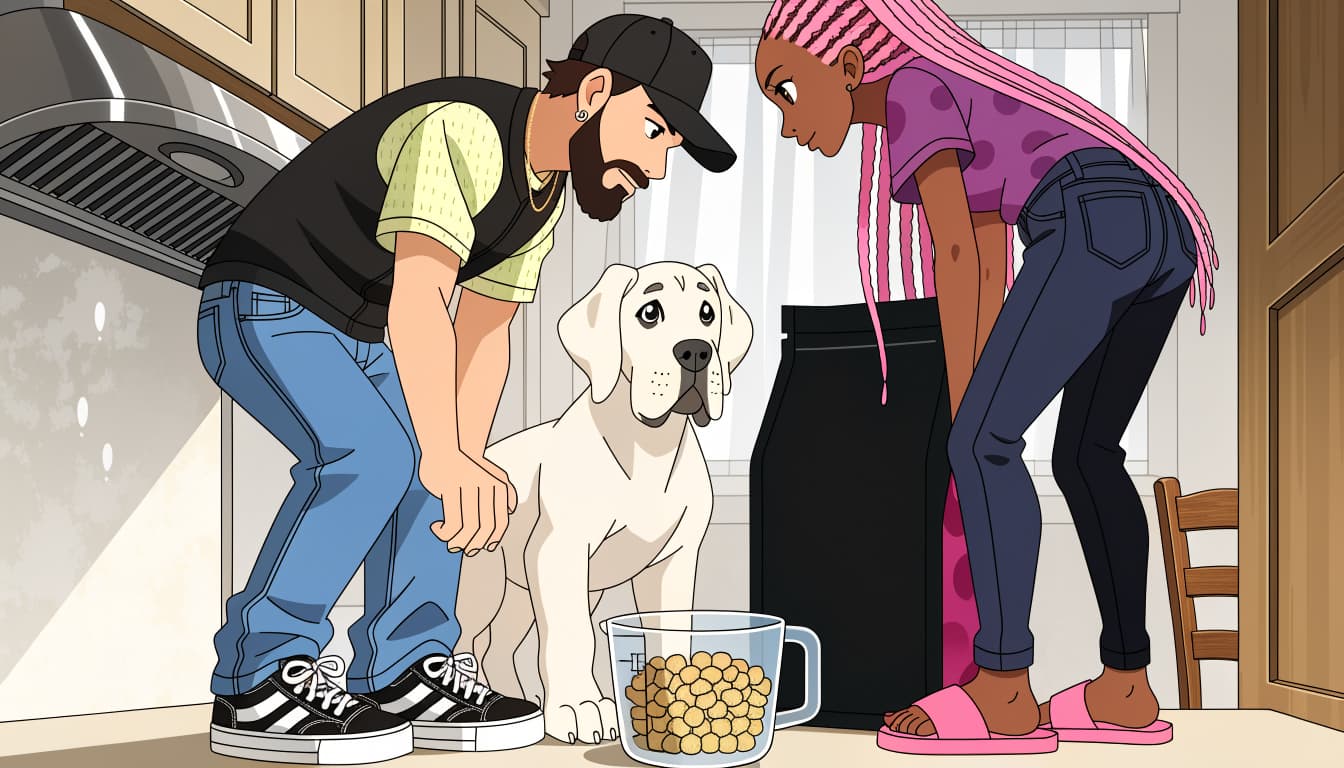
Read the growth statement, not just the front of the bag
The front may say "puppy," "large breed," or promise a whole lot of shiny-coat wizardry. Turn the bag around and find the complete-and-balanced statement. Look for wording that specifically includes growth of large-size dogs, then use the feeding guide as a starting point. The AAFCO large-size growth criteria define that category by an expected adult weight of 70 pounds or more.
Bring the label to your veterinarian if your puppy has a health concern, isn't growing as expected, or needs a diet change. A label can tell you what life stage a food is formulated for; your vet can help decide whether it suits this particular puppy.
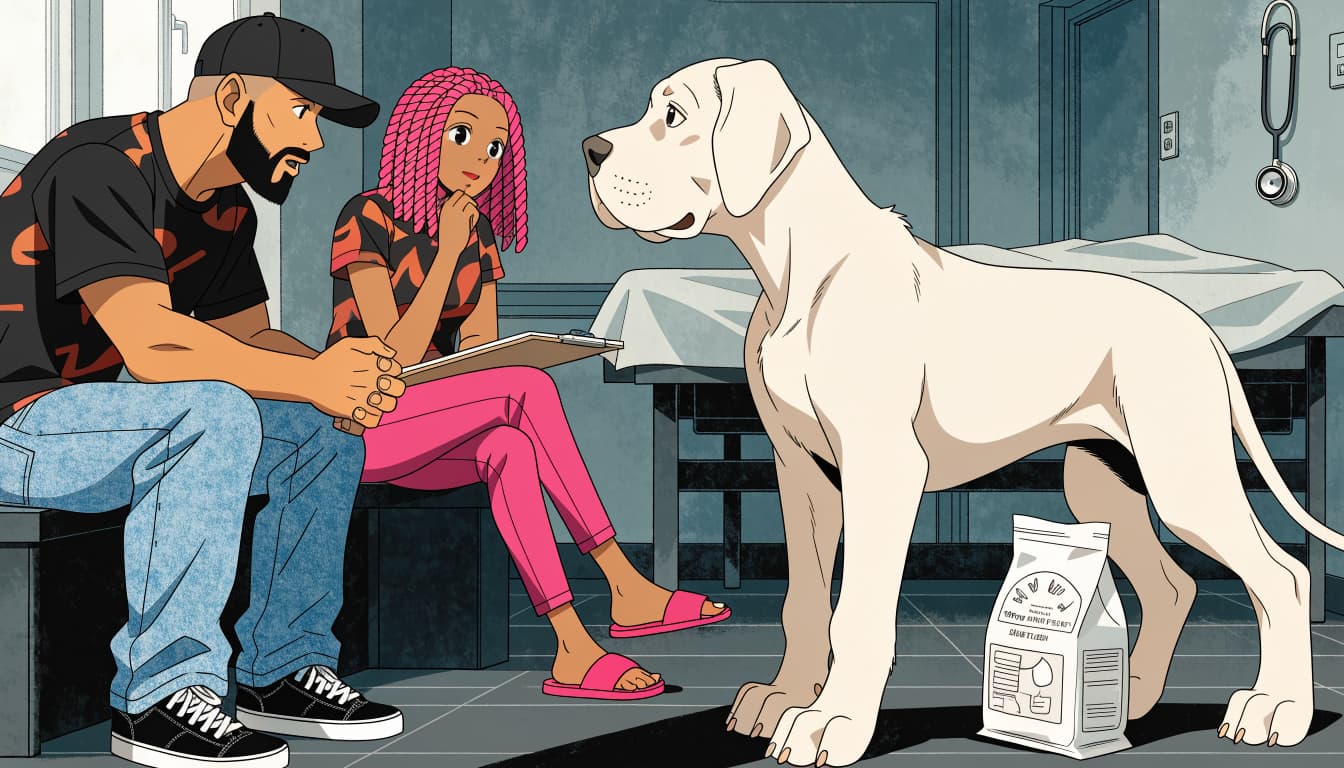
Why balanced minerals matter more than extra supplements
Calcium and phosphorus support bone development, but a growing Great Dane needs them in the right amounts. Too little calcium can interfere with bone mineralization. Too much can also harm skeletal development, especially in a large-breed puppy.
A properly formulated growth food already accounts for those needs. Don't add calcium, vitamins, or mineral powders unless your veterinarian prescribes them. Home-calculating ratios from ingredient lists is an unnecessary side quest when the practical move is choosing an appropriate complete diet. VCA's nutrition guidance for large-breed puppies covers why mineral balance deserves extra care.
How Much and How Often Should Your Great Dane Puppy Eat?
There isn't one portion size that fits every Great Dane puppy. Food calories differ, and puppies vary in age, build, activity, and growth pattern. Start with the feeding guide on the package, then work with your veterinarian to adjust the amount as your puppy grows. The goal is a lean body and steady development, not a speedrun to maximum size.
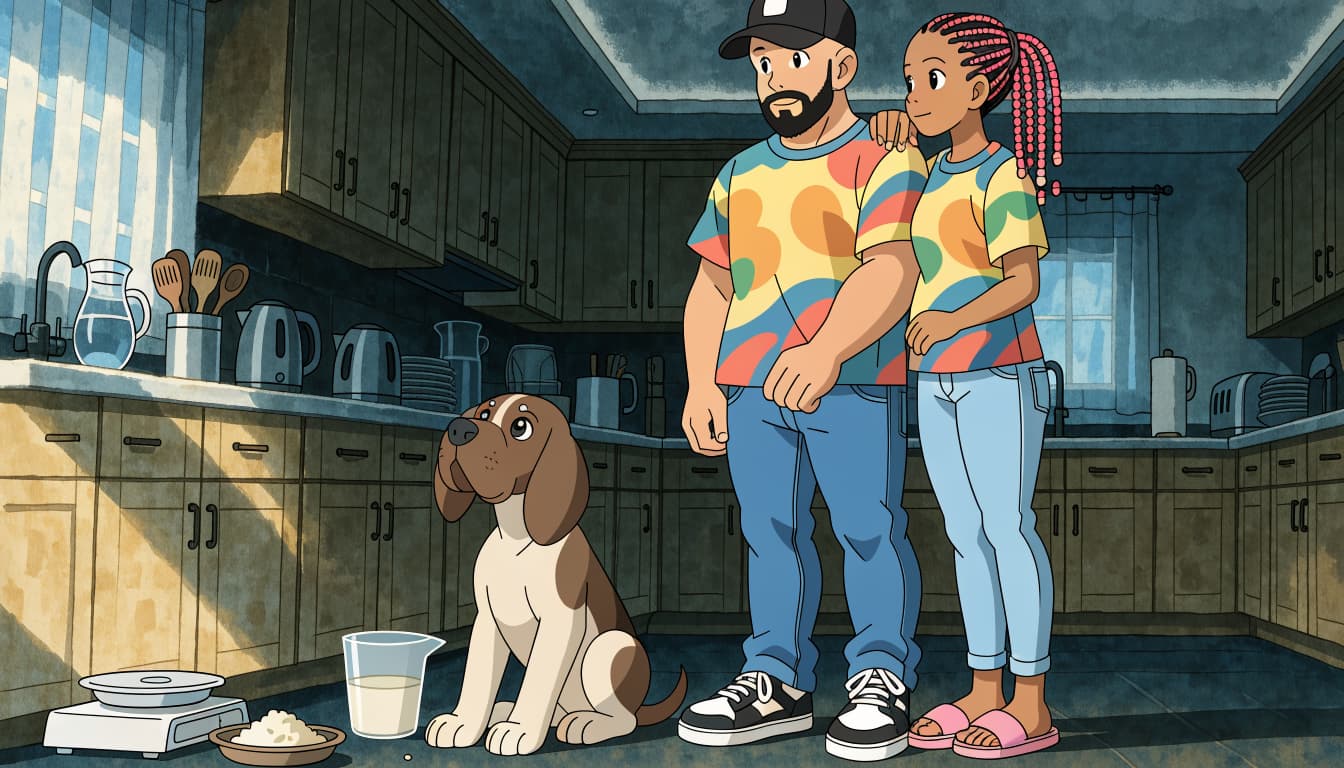
Measure portions and track your puppy's body condition
Use a standard measuring cup or, for a more precise portion, a kitchen scale. Keep meals consistent and write down how much you serve, your puppy's weight trend, and any meaningful change in appetite. That record gives your veterinarian something useful to review, rather than asking everyone to reconstruct three weeks of kibble math from memory.
Check your puppy's shape along with the scale. You should be able to feel the ribs without pressing hard, though your veterinarian can assess body condition more accurately. Thick puppy fluff can disguise weight gain, and snack negotiations are not nutritional evidence. If your puppy is getting rounder or seems too thin, ask your vet whether to adjust the daily amount.
Portion-controlled meals also make it easier to account for treats. Free-choice feeding leaves food available all day and makes it harder to track intake. VCA's guide to feeding growing puppies supports using feeding directions as a starting point and adjusting for the individual puppy.
Set a meal schedule that fits your puppy and your vet's advice
Meal-frequency advice varies. Some guidance recommends up to four meals daily through six months, then two meals. Other Great Dane guidance starts with three to four meals for younger puppies and gradually tapers to two. Giant breeds may need a schedule tailored to their age and needs, so ask your veterinarian rather than treating one timetable as puppy law.
A predictable routine helps you notice when your puppy's appetite changes. Serve measured meals at consistent times, and tell your vet if your puppy routinely leaves food, eats unusually fast, or seems hungry despite following the plan. Your veterinarian can weigh age, growth, health, and household routine when setting the schedule.
Which Treats Are Safe, and What Feeding Habits Should You Avoid?
Treats can help with training, but they shouldn't crowd out a complete growth food. Keep extras small and simple. If you're unsure whether a food or supplement fits your puppy's diet, ask your veterinarian before adding it.
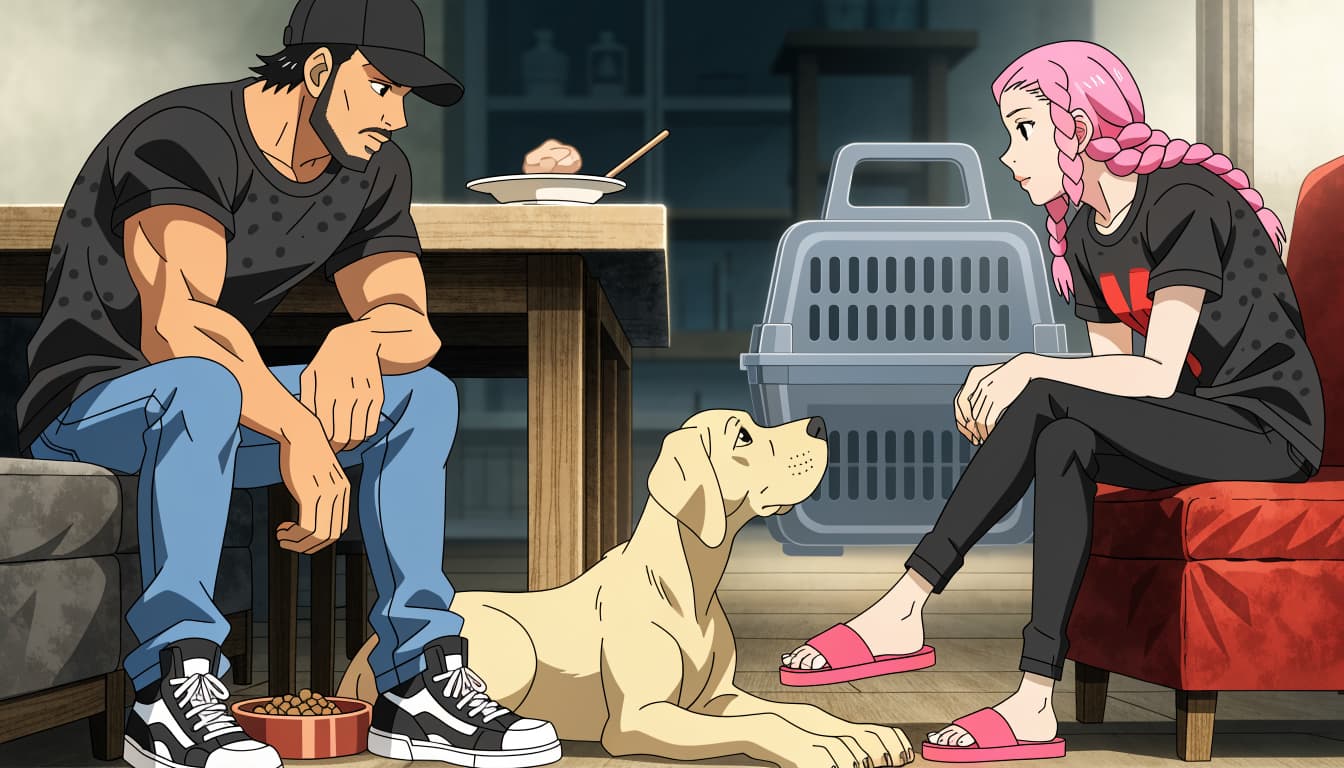
Keep meat and treats small, simple, and occasional
Tiny portions of plain, fully cooked, boneless meat can be an occasional treat. Keep it unseasoned, and don't turn meat into the center of meals. A puppy needs a balanced diet, not a menu improvised from whatever is in the fridge. Treats should stay modest enough that your puppy still eats its regular food.
Avoid adding calcium or vitamin supplements to a complete growth diet unless your veterinarian directs you to. More nutrients don't automatically mean better growth, and extra minerals can throw off a carefully formulated diet. If you're considering a new treat or supplement because of a health concern, bring the package or ingredient list to your vet.
Know the bloat risks and when to get emergency help
Gastric dilatation-volvulus, often called GDV or bloat, is a life-threatening emergency. Great Danes are among the breeds at increased risk. Reported associations include eating rapidly, one large meal a day, elevated bowls, and restricting water around meals. These are associations, not proof that any one habit causes GDV or that changing one habit will prevent it.
Ask your veterinarian how to manage your dog's individual risk and meal routine. If you suspect bloat, contact an emergency veterinarian immediately. Don't wait to see whether your puppy seems better later; GDV needs urgent veterinary attention. VCA's large- and giant-breed nutrition guidance discusses care considerations for these dogs.
Streetwear & Casual Styling
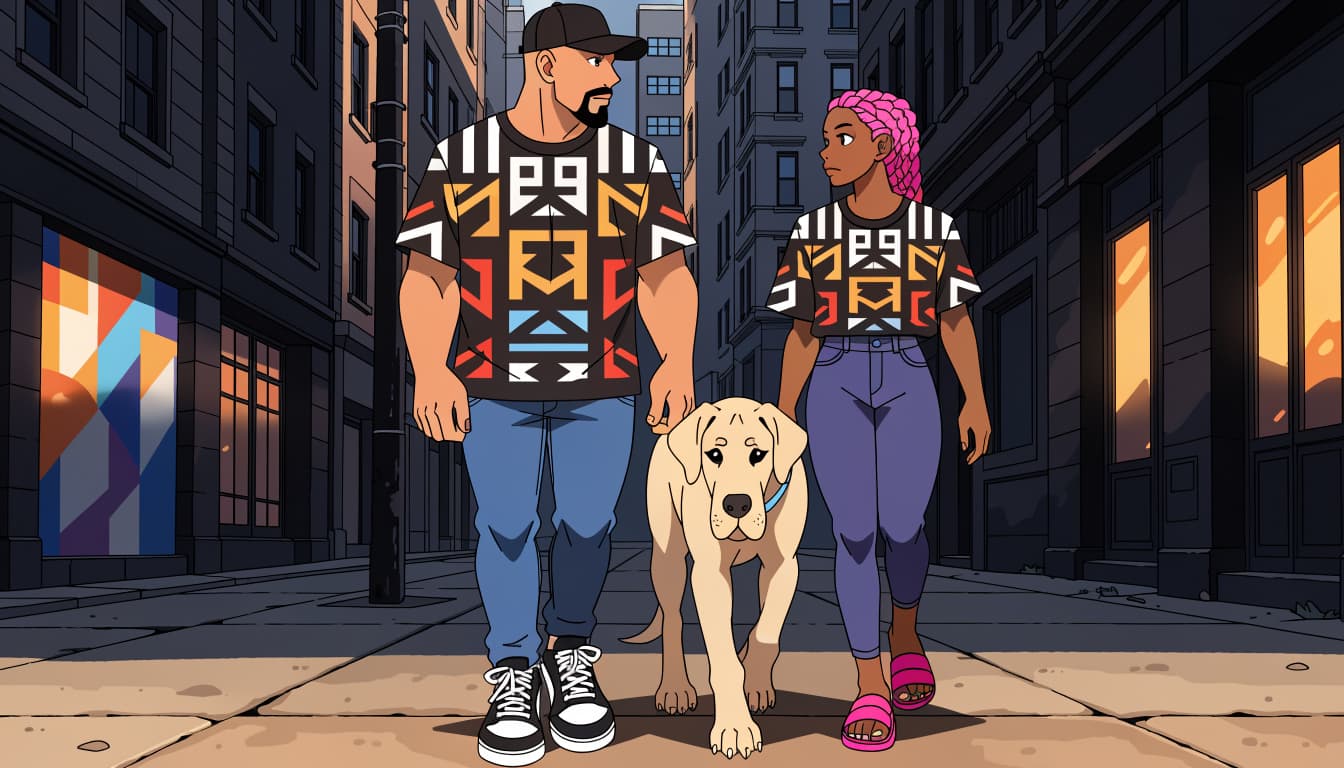
Puppy nutrition is a label-reading mission. Your outfit can be the fun side quest. Pair a dark Cyber-Brutalist Anime Graphic Tee with jeans and simple sneakers for a casual look that works for a walk, a coffee run, or a quick trip for more kibble. Our Dog Eats Custom Kibble Tee brings dog-parent humor; the If They Could Use the Internet We'd Be in Trouble Tee gives your four-legged supervisor a suitably ominous online presence. Apparel has no effect on your puppy's health or feeding plan. It does let your outfit join the bit.
Frequently Asked Questions
Can you mix two puppy food brands?
You can combine foods if both are complete and balanced for large-breed growth, but the mix changes the calories and nutrients in each serving. Abrupt changes can upset digestion, so ask your veterinarian about a planned switch and how to make it gradually.
What should you do if your puppy skips a meal?
One missed meal can have several causes, but repeated refusal deserves attention. Call your veterinarian promptly if your puppy also has vomiting, diarrhea, weakness, or another concerning sign, especially while young.
Does your Great Dane puppy need grain-free food?
Grain-free food isn't automatically better for a Great Dane puppy. Choose a complete large-breed growth diet with veterinary input, especially if you're considering a change because you suspect an allergy or other health issue.
How can you change your puppy's food without upsetting its stomach?
Ask your veterinarian for a gradual transition plan and watch your puppy's appetite and stool as the food changes. The right pace can depend on your puppy and the reason for switching.
Keep the Feeding Plan Simple and Consistent
For steady growth, choose a complete food labeled for large-size growth, measure meals, and adjust portions with your veterinarian as your puppy develops. Keep treats modest and leave supplements and major diet changes to veterinary guidance. The goal is a healthy, lean Great Dane, not a puppy racing toward the next size milestone.
Bring the food label and your feeding record to your puppy's next veterinary visit. That gives you a practical starting point for tailoring the plan to the dog in front of you.