

What to Wear ATVing: Gear Before Graphics
TrendReactTees.STORE TeamWear a certified motorcycle helmet, eye protection, gloves, long sleeves, long pants, and sturdy over-the-ankle boots when ATVing. That protective baseline can help reduce injury risk, but it can't prevent every injury.
Your personality gets its moment after you park: our Free Love Cyberpunk Tee and Pizza Is My Only Reality Tee are casual post-ride outfit inspiration, not riding-protection gear. Save the graphic flex for the food stop, where your biggest outfit problem is keeping pizza sauce off the artwork.
When you're deciding what to wear ATVing, start with coverage and secure fit, then adjust your outer layers for the weather. Your trail outfit needs to handle movement and conditions before it earns a place in your camera roll.
Key Takeaways
- Wear a certified motorcycle helmet, goggles or a face shield, gloves, long sleeves, long pants, and ankle-covering boots.
- Keep your complete protective setup on while adjusting outer layers for heat, cold, wind, or rain.
- Choose clothing that allows movement without loose fabric interfering with controls, equipment, or your feet.
- Give passengers the same protective baseline, and use only an ATV designed for the number of riders.
- Save graphic tees and casual sneakers for after the ride.
What to Wear ATVing: Your Essential Gear Checklist
The ATV Safety Institute's riding-gear guidance applies to both operators and passengers. The Consumer Product Safety Commission (CPSC) recommends the same head-to-toe protective baseline.
Lay everything out before dressing. A missing glove is easier to solve at home than beside an unloaded ATV.
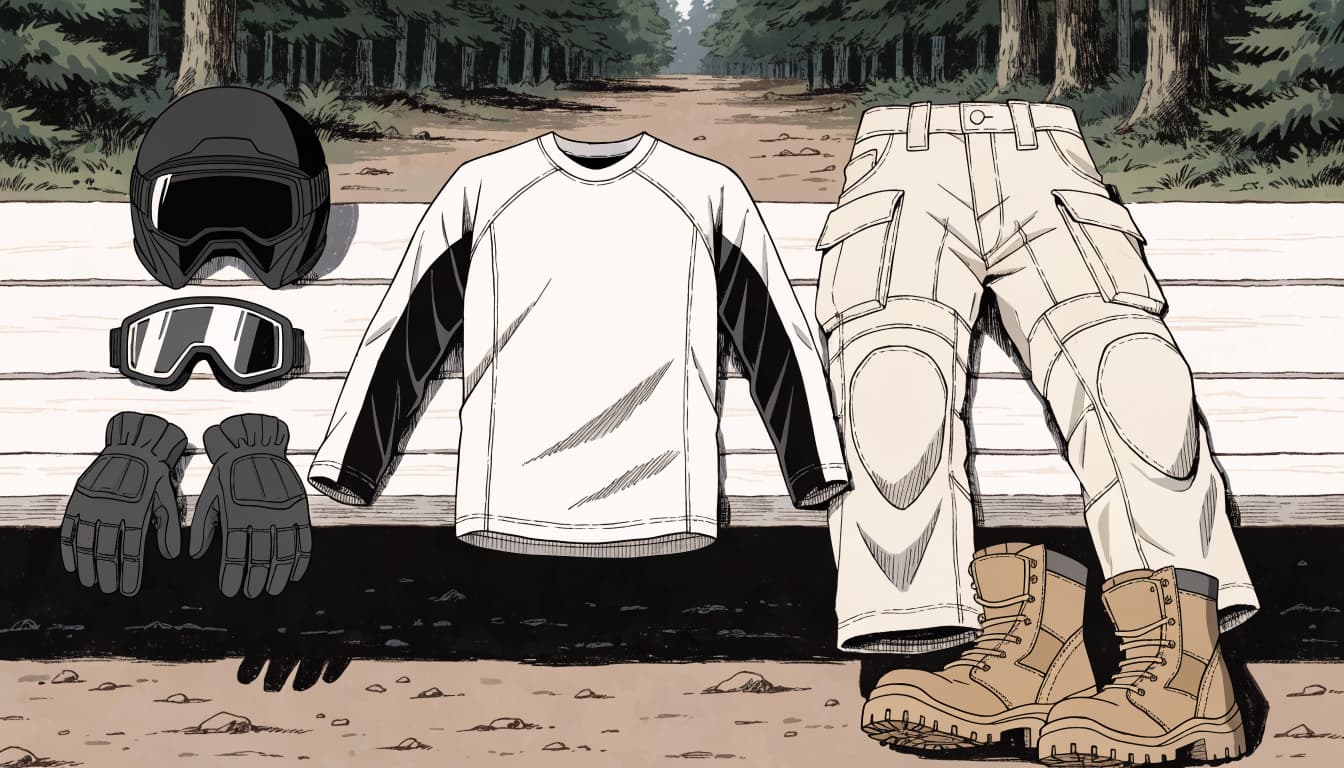
Choose a Certified Helmet and Proper Eye Protection
Choose a snug motorcycle helmet meeting applicable DOT standards or carrying Snell certification, while following state requirements. The CPSC recommends DOT and/or Snell-certified helmets. A bicycle helmet doesn't meet that motorcycle-helmet recommendation.
Full-face designs cover your face and head. Open-face designs leave more of your face exposed. With either design, you still need proper eye protection.
Use goggles or a face shield rather than ordinary sunglasses. Your eye protection should stay securely positioned with your helmet, including when you turn your head. Fasten the helmet before starting.
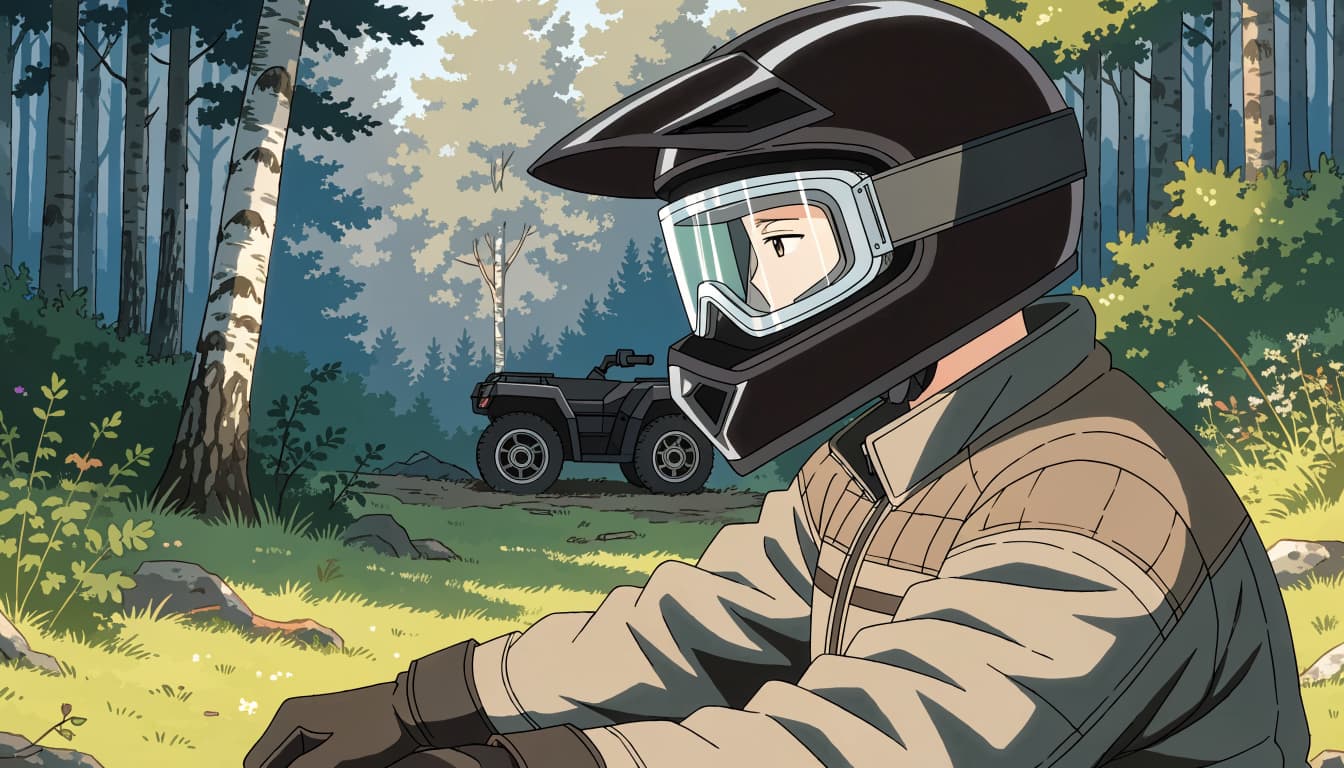
For family rides, this video focuses on children's protective gear.
Cover Your Hands, Arms, Legs, and Ankles
Wear gloves, a long-sleeved shirt or jacket, long pants, and sturdy boots that cover your ankles. The sleeves and pant legs should keep covering your skin when you're seated.
Choose gloves that let you operate the controls comfortably. Boots should stay securely on your feet, with soles in good condition. Purpose-built off-highway footwear can provide added coverage around your feet and lower legs.
Treat everyday clothing coverage as a starting point, not proof of tested impact protection. A long sleeve covers your arm; its presence alone doesn't establish a protective rating.
Your gear also needs to work together. Put on the complete combination before deciding whether anything feels restrictive. Clothing can reduce exposure to scrapes and some impacts, but it doesn't erase riding risk.
Choose ATV Riding Clothes for the Weather and Terrain
Weather changes how your outfit feels and how quickly you tire. Adapt the layers around your protective baseline instead of removing essential coverage because the forecast becomes inconvenient.
Stay Comfortable in Heat, Cold, Wind, and Rain
Look at the forecast before leaving, and plan for changing conditions. A sunny start doesn't guarantee a dry afternoon.
In heat, choose breathable clothing and take breaks. Keep water accessible, and use shade when you're stopped. Long sleeves and pants stay part of the setup; overheating deserves a pause, not an improvised shorts-based safety policy.
Cold and wind call for suitable additional layers. Keep your hands warm without adding so much bulk that operating the controls becomes awkward.
For rain, choose an outer layer that fits over your riding clothes without flapping or restricting movement. Stop somewhere safe before changing layers. Comfort supports attention, but even an expensive jacket can't replace your helmet, eye protection, gloves, pants, or boots.
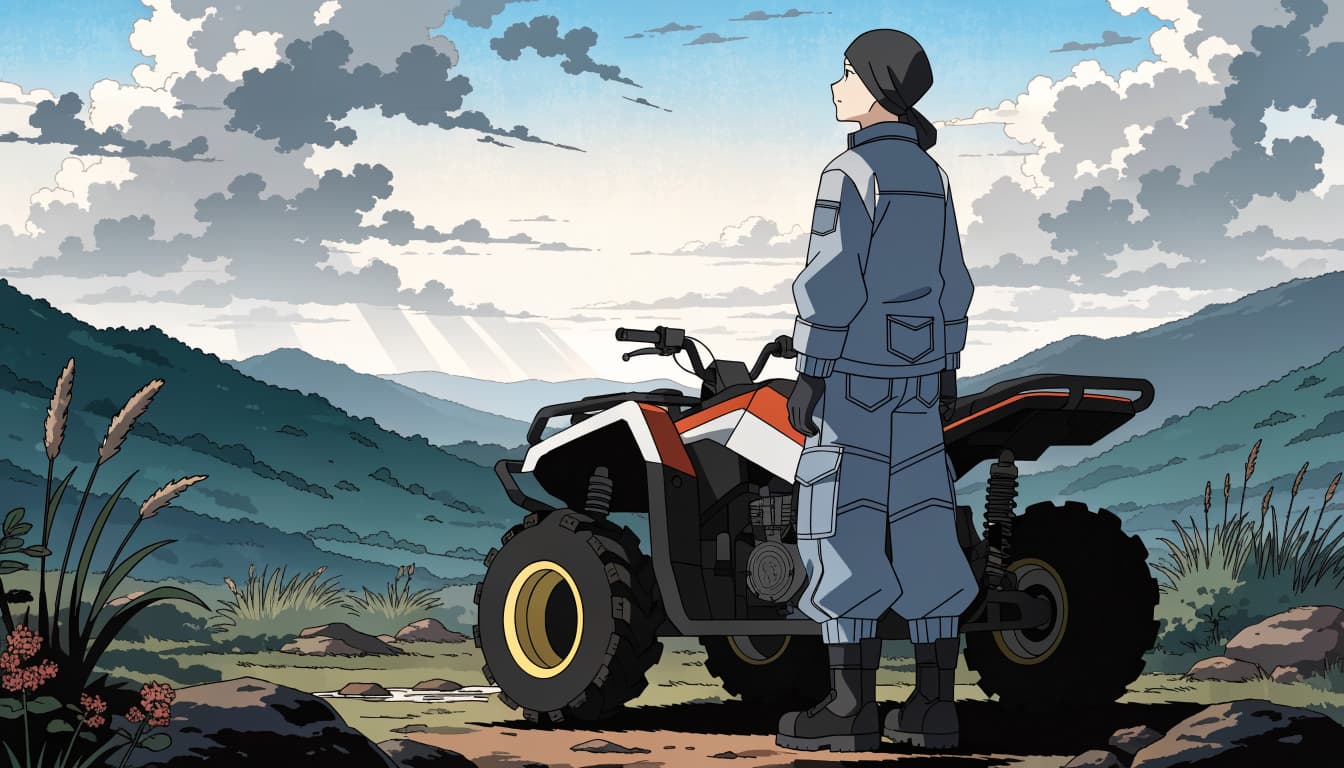
Fit Your Clothes for Movement, Not Just Appearance
Try on the complete outfit, including any planned underlayers. Sit, bend your knees, turn your torso, and raise your arms before riding.
Watch for sleeves pulling tight, waistbands digging in, or pants restricting your knees. Your jacket needs enough room over the layers beneath it. Buying everything in your usual size doesn't guarantee the combination works.
Keep loose hems, dangling drawstrings, and accessories away from controls and equipment. Secure your footwear so your feet remain properly positioned on the footrests.
Follow the ATV maker's operating guidance alongside these clothing checks. Terrain also affects how you ride: rocks, mud, and reduced visibility call for appropriate judgment and speed. Your outfit needs to support movement without becoming another distraction demanding your attention.
Avoid Common ATV Outfit Mistakes
A familiar outfit can feel reassuring without providing the recommended coverage. Give your trail clothes a practical inspection before familiarity starts making decisions for you.
Skip Sneakers, Shorts, and Sunglasses
Shorts leave your legs exposed. Short sleeves leave your arms exposed. Ordinary sunglasses don't replace riding goggles or a face shield.
Low-cut sneakers also leave your ankles uncovered. Choose sturdy over-the-ankle boots instead, even when your sneakers match the ATV suspiciously well.
The Specialty Vehicle Institute of America's protective-gear guidance includes helmet, eye protection, gloves, covered arms and legs, and over-the-ankle boots. Everyday fashion pieces don't become riding equipment because they're dark, rugged-looking, or labeled "utility."
Look at what each item covers and how securely it fits. An expensive streetwear outfit can still leave obvious gaps. Price isn't a protective specification, and cargo pockets don't confer armor stats.
Check the Whole Setup Before You Start
Fasten your helmet, secure your goggles or face shield, and move through a seated-position fit check while stationary. Make sure gloves, sleeves, pants, and boots stay in place.
If something slips, bunches, or interferes with movement, address it before riding. A quick adjustment at the staging area beats trying to manage loose clothing while operating the ATV.
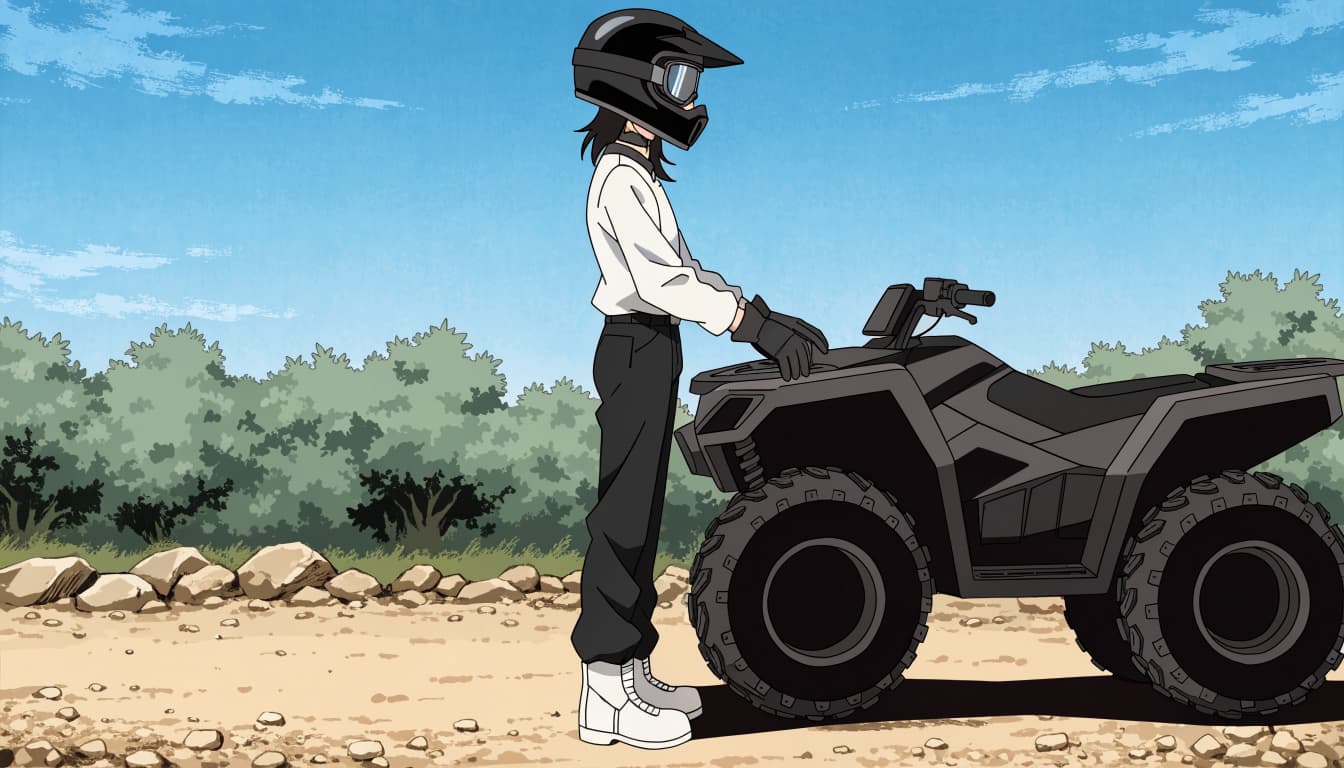
Clothing belongs alongside training and careful operation. Take hands-on instruction, use age-appropriate ATVs, respect passenger limits, and avoid alcohol before and during riding.
The Minnesota DNR's ATV safety guidance reinforces protective clothing, goggles, and DOT-compliant helmets. Keep those basics connected to your riding decisions. A complete outfit doesn't make an unsuitable machine, an extra passenger, or impaired operation safe. Protective gear has limits, even when you've bought every piece.
Streetwear & Casual Styling
Once the ride is finished and the ATV is parked, your outfit can switch priorities. Our Cyber-Brutalist Anime Graphic Tees belong in that relaxed post-ride rotation, not in your protective-gear checklist.
Build around our Actively Trying Not to Lose My Mind Tee with relaxed jeans and simple sneakers. Keep the surrounding pieces plain so the graphic gets attention without negotiating with three competing prints.
Prefer a more creature-coded mood? Pair our Emotional Support Gremlin Tee with cargos and an open overshirt after you've changed out of riding gear.
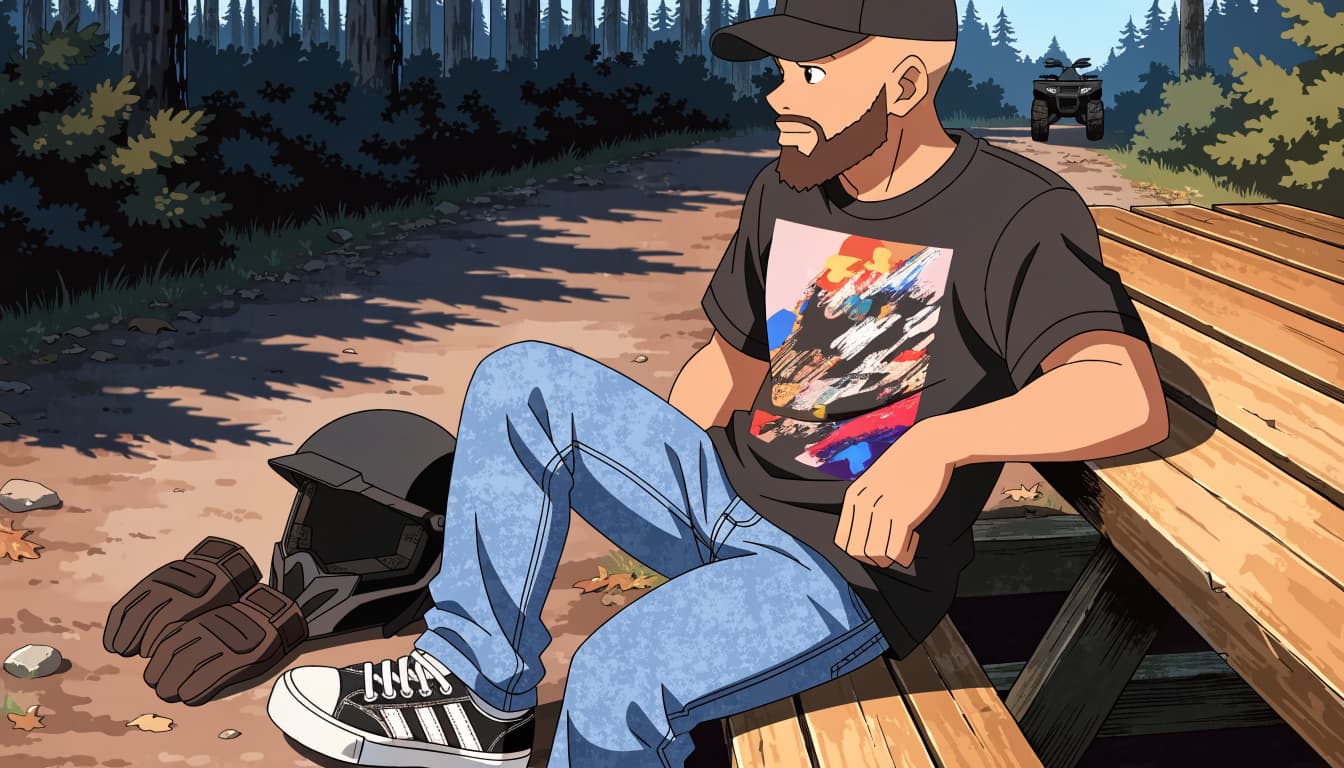
Pack your casual outfit separately so it's ready for the meal afterward. Choose relaxed proportions, then repeat one small color from the artwork if you want coordination. Your pants don't need their own lore.
Our cyber-brutalist tee styling guide offers more combinations for everyday wear.
Keep the boundary clear: casual tees and sneakers suit the post-ride hangout. If you're getting back on the ATV, return to the complete protective setup.
Frequently Asked Questions
Does a passenger need the same protective gear as the driver?
Yes. You need the recommended helmet, eye protection, gloves, long sleeves, pants, and boots as a passenger, too. Only ride on an ATV designed for the number of people aboard; a single-rider ATV doesn't become a two-person model because there's room to squeeze.
How can you tell if an ATV helmet fits correctly?
Your helmet should feel snug and remain securely fastened without shifting loosely on your head. Use the helmet maker's fitting instructions to assess the fit. The appropriate size and shape matter alongside certification and applicable local requirements.
Are regular work boots enough for ATV riding?
Your boots need to be sturdy and cover your ankles. "Work boot" is a broad label, so focus on coverage, secure fit, and the condition of the soles. Specialized off-highway boots can provide added coverage, but no boot makes riding risk-free.
Can you wear a graphic tee while riding an ATV?
A graphic tee alone doesn't meet the recommended long-sleeved clothing baseline. Adding artwork doesn't change a garment's protective properties. Keep casual graphic apparel for before or after your ride, and choose riding clothing around coverage, fit, and the complete gear setup.
Start With Protection, Then Adjust Your Layers
Start every ride with your complete protective setup: certified helmet, proper eye protection, gloves, long sleeves, long pants, and sturdy ankle-covering boots. Adjust outer layers for the weather without abandoning that baseline.
Make sure the whole outfit lets you move and operate the ATV comfortably. Keep your graphic tee ready for afterward.
The right clothing supports a safer, more comfortable ride. It can't replace training, careful operation, or sound judgment, and it can't prevent every injury.