

When Do Blue Heeler Puppies Get Their Color?
TrendReactTees.STORE TeamBlue Heeler puppies are usually born mostly white, and their blue or red speckling starts to show during the first few weeks. You may notice color appearing around 2 to 3 weeks, with the coat continuing to develop as your puppy grows.
This post may contain affiliate links. If you make a purchase through these links, I may earn a small commission at no extra cost to you.
If your camera roll already belongs to a tiny dog, our Dog Eats Custom Kibble Tee and My Therapist Is A Dog Tee understand the assignment. Your puppy's final pattern won't arrive on a fixed schedule, though, so here's what you can expect as those speckles appear.
Key Takeaways
- Blue Heeler puppies are typically born mostly white, sometimes with black or red patches.
- Speckling often starts to appear around 2 to 3 weeks, and the coat continues developing through the following weeks.
- Blue coats get their appearance from black and white hairs, while red-speckled coats mix red and white hairs.
- Early patches offer clues, but they can't reveal the exact adult pattern or predict personality.
- Coat color alone doesn't tell you whether a puppy can hear; veterinary hearing screening can help.
When do Blue Heeler puppies get their color?
You may start seeing blue or red speckling when a Blue Heeler puppy is around 2 to 3 weeks old. Breed guidance describes the color continuing to develop through roughly 6 to 8 weeks, with further changes possible as the dog matures.
That range gives you a useful starting point, not a deadline for a fully finished coat. Your puppy didn't get the memo about matching every other puppy's timeline.
For a look at Blue Heeler puppies around three weeks old:
What you may see at birth
A newborn Australian Cattle Dog, the breed often called a Blue Heeler, can look almost entirely white. Some puppies also have obvious patches on the head or elsewhere. Those patches may be black in puppies that later develop blue coats or red in puppies that later develop red speckling.

If your puppy looks like a little white cloud with a dark ear, that's a normal starting appearance. You can't use the pale coat alone to map every future spot.
How speckles and mottling appear over time
As the coat develops, colored hairs become visible among the white hairs. Tiny speckles may emerge gradually, and the overall shade can look clearer over the next several weeks.
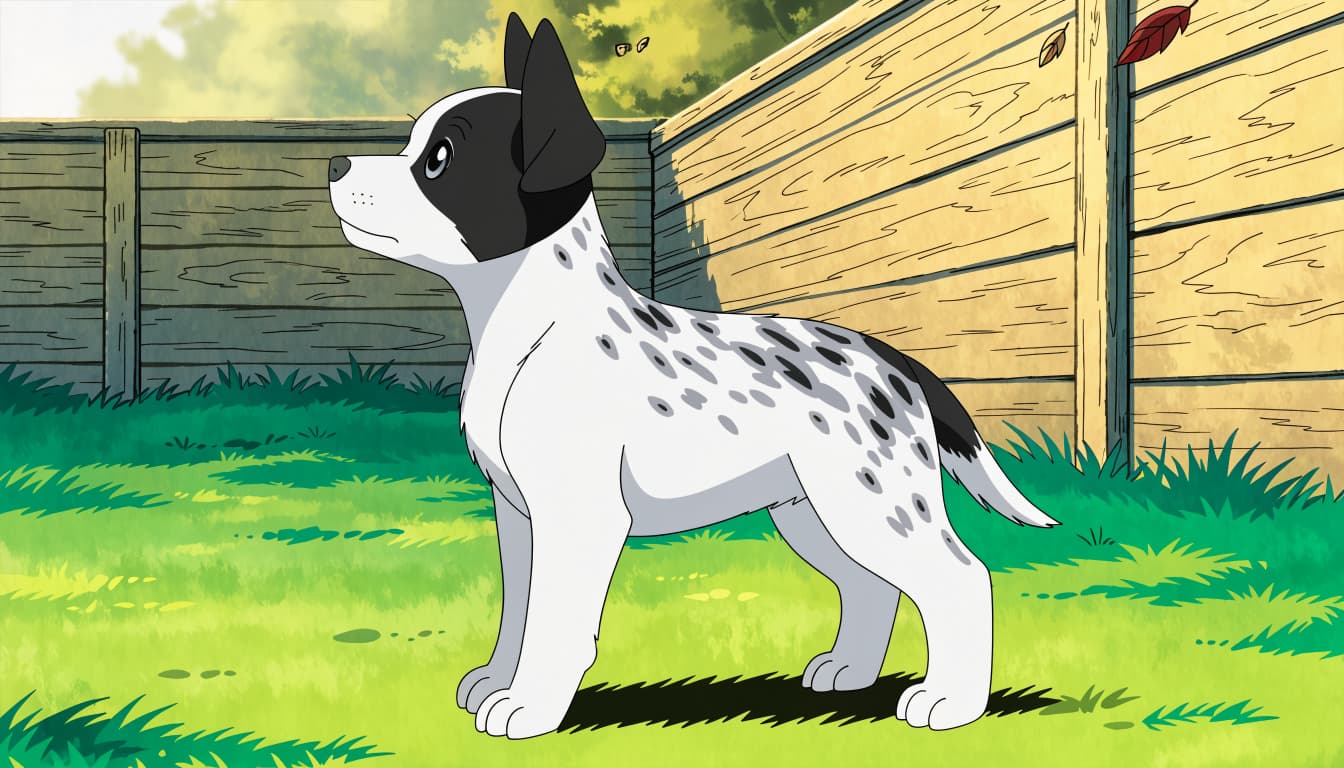
The amount and placement of color vary. One puppy may look darker across the body while another keeps a lighter appearance. Even littermates can give you different coat reveals, so comparing them won't give you an exact finish date.
Why are Blue Heeler puppies born mostly white?
A Blue Heeler's familiar pattern develops in areas that look white at birth. The breed's appearance is associated with ticking or roaning, terms used for colored hairs appearing among white hairs.
Think of the puppy's base color and the speckled effect as related but separate parts of the look. The base color supplies the black or red; the mixture with white creates the pattern you see.
How blue and red coats get their speckled look
A blue coat gets its overall color from black and white hairs mixed together. A red-speckled coat combines red and white hairs. Small areas of contrasting hair create a speckled appearance, while mottling describes larger, irregular white areas in the coat.
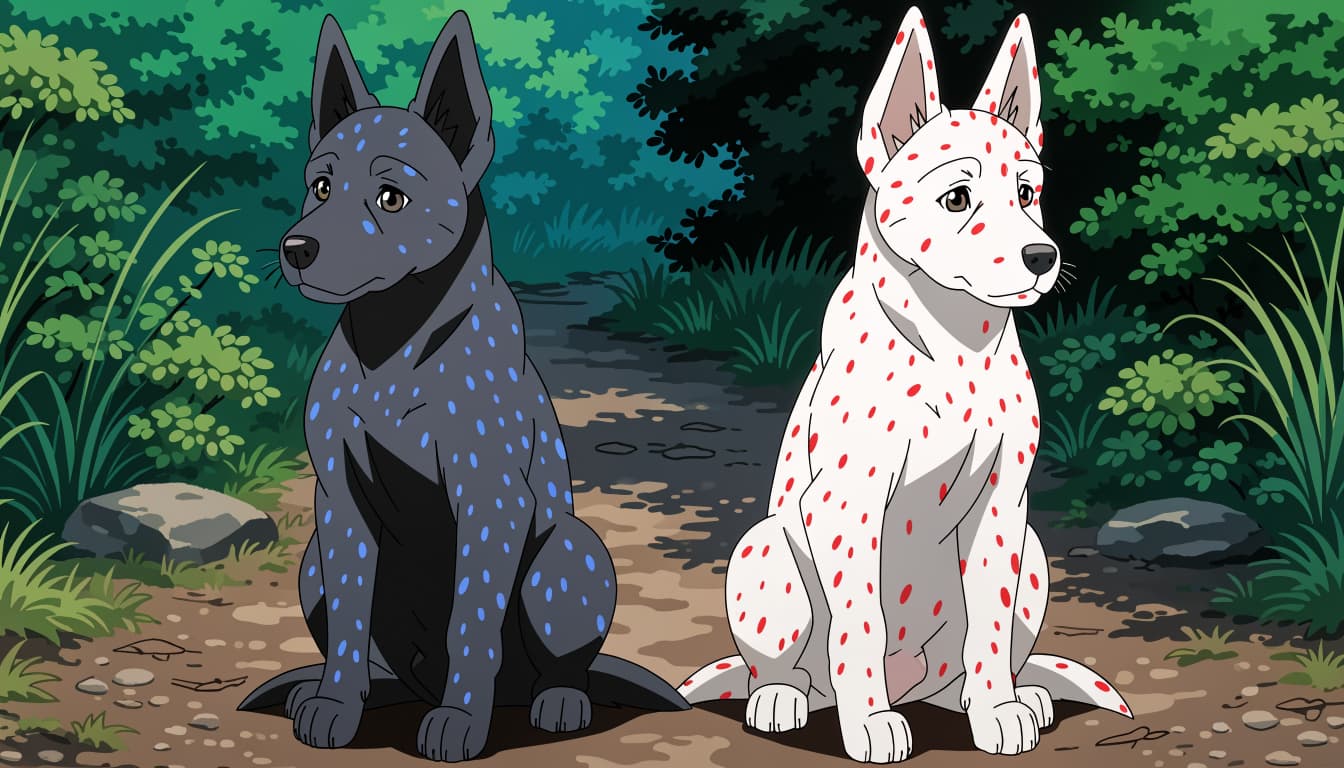
You don't need to measure each spot like you're grading a pixel-art project. The terms help describe the overall pattern, and individual dogs can have different amounts of visible white and colored hair.
Why "blue" does not mean a solid blue coat
The word "blue" describes the visual impression of those mixed black and white hairs. Your dog's coat isn't covered in a uniform blue pigment, even if it looks blue-gray when you view it from a distance.
Breed standards use terms such as blue, blue-mottled, blue-speckled, and red speckle. Their wording can vary between registries, so a color description in one standard isn't necessarily phrased exactly like another.
What can a newborn puppy's markings tell you about its adult coat?
Early markings can give you a hint about the color developing underneath that mostly white puppy look. They won't give you a high-definition preview of the finished coat.
The Australian Cattle Dog Club of America describes black patches on puppies developing blue coats and red patches on puppies developing red-speckled coats. Some newborns, however, have little or no obvious patch color to inspect.
Use early patches as clues, not a guarantee
If you see a black patch on a newborn, it may point toward a blue coat. A red patch may suggest a red-speckled coat. You still won't know precisely how dense the speckling will be or where every lighter and darker area will appear.
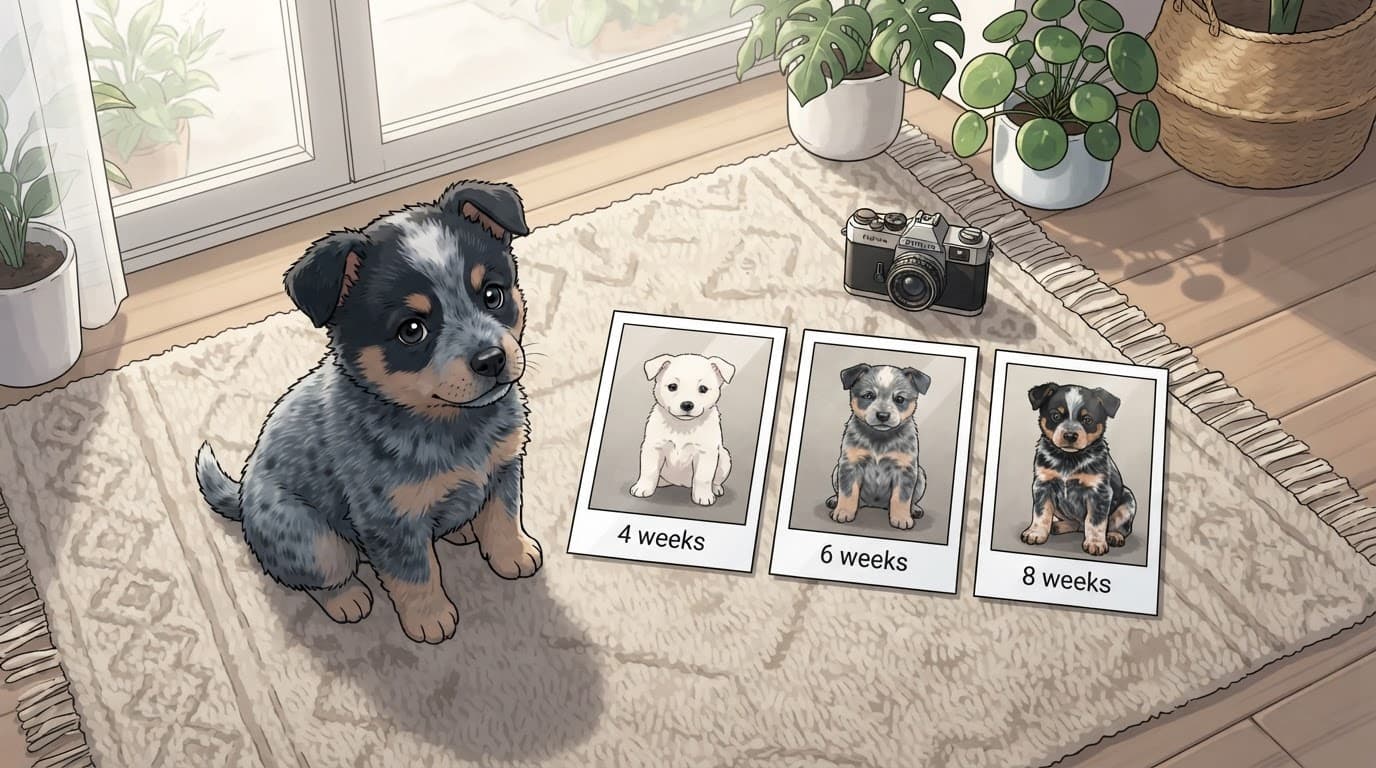
A mostly white first-day photo gives you even less to work with. Keep the photo anyway. Once the ticking becomes visible, you may be surprised by how different your puppy looks in a few weeks.
Know the difference between coat color and markings
The broader blue or red-speckled pattern covers much of the coat. Head markings are separate features, such as a darker patch around an ear or eye.
The US breed standard recognizes blue, blue-mottled, and blue-speckled coats, as well as red-speckled coats, with certain markings. Those descriptions are about appearance. A patch over one eye doesn't come with bonus obedience points, a size prediction, or a personality profile.
When you're considering a puppy for your home, pay attention to the individual dog's needs and behavior as it grows. The coat can be your favorite cosmetic feature without becoming the whole character sheet.
How to follow coat changes and protect your puppy's health
Watching a puppy's color develop is fun. Your camera roll can handle the documentation, while a veterinarian handles health questions.
Take a weekly photo
Photograph your puppy about once a week in similar lighting. A picture from the side and another from above can make changes in the body coat easier to compare. Keep the session brief and work around the puppy's rest and care needs.
Ask the breeder or current caregiver about the puppy's history, including any available health screening. If you're caring for a newborn, follow veterinary guidance for handling rather than interrupting feeding or rest for a photo shoot.
As your dog grows and starts exploring outdoors, you can make coat checks part of your routine. Look for caught debris and changes in the skin beneath the hair, especially after muddy walks or time in vegetation.
When a coat change deserves a vet's attention
Gradual speckling is part of normal coat development. Sudden hair loss, irritated skin, sores, or other signs of illness are different concerns and deserve veterinary advice. Color change alone can't tell you what's causing a skin problem.
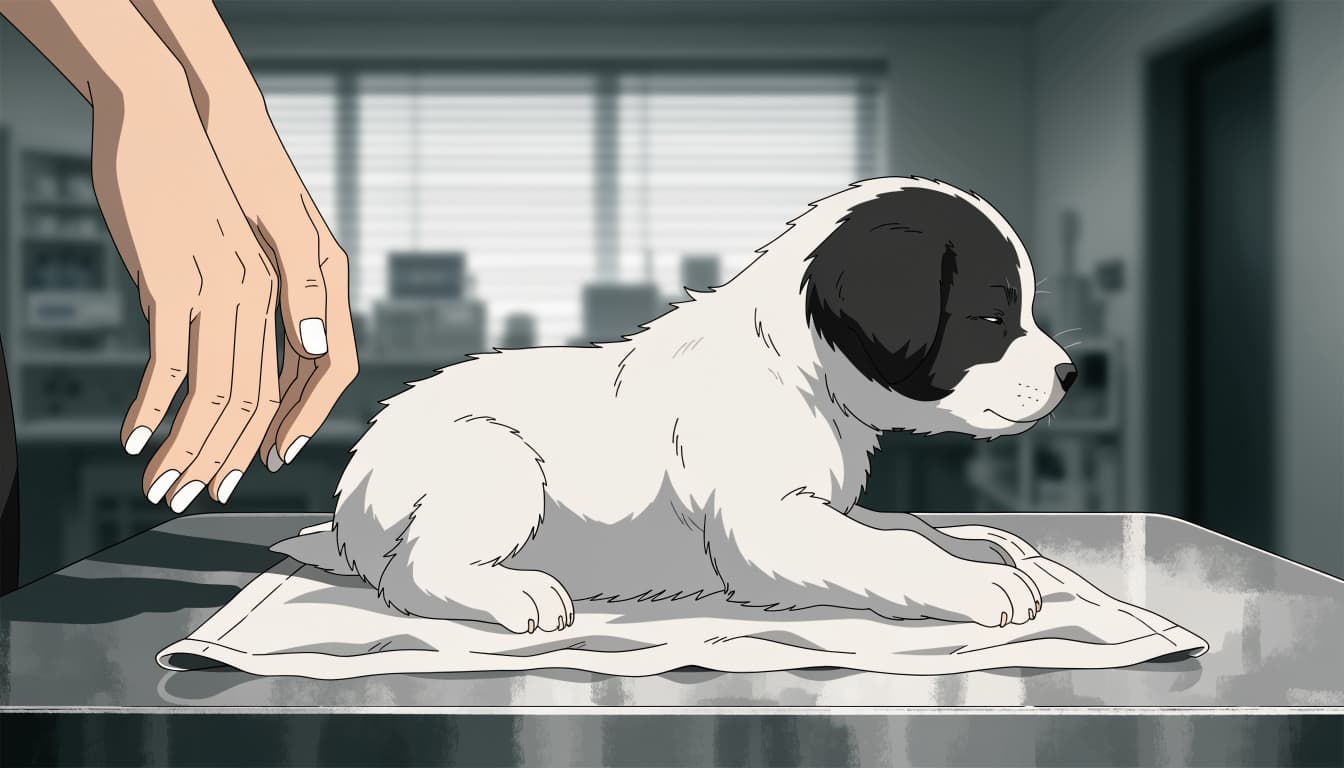
Australian Cattle Dogs can also experience congenital deafness. In a study of hearing in 899 Australian Cattle Dogs, researchers used BAER testing and found that coat color and pattern weren't reliable ways to determine an individual dog's hearing.
Ask your veterinarian or breeder about a BAER hearing test. It assesses hearing in each ear, which matters because a puppy may hear in one ear and still respond to sounds around you.
Streetwear & Casual Styling
Once puppy photos become your main form of entertainment, your outfit can acknowledge the new management. A graphic tee, comfortable jeans, and sneakers make an easy look for a casual day with your dog.
Our If They Could Use the Internet Tee brings dog-owner humor into a cyber-anime aesthetic. Pair it with dark jeans and a simple jacket so the graphic gets room to speak.
For a more direct dog-parent statement, try our Best Dog Mom Tee with relaxed denim and comfortable shoes. Keep the outfit practical for your plans; your puppy's leash and suitable walking gear have their own job to do.
Frequently Asked Questions
Can a Blue Heeler puppy be born completely white?
Yes. Some Australian Cattle Dog puppies are nearly or entirely white at birth. That appearance alone doesn't mean the coat is abnormal, and it doesn't tell you exactly how the adult pattern will look.
Will my puppy's coat keep changing after eight weeks?
It can. Speckling may become more noticeable as your puppy grows, and the coat's overall appearance may continue to change. Breed guidance doesn't give one exact age when every Blue Heeler's coat is finished.
Are Blue Heeler puppies born with merle coats?
The usual Australian Cattle Dog pattern is described as ticking or roaning rather than merle. Ticking involves colored hairs appearing in white areas, while merle is a different coat-pattern term associated with a separate genetic mechanism.
Does coat color tell you whether a puppy can hear?
No. You can't determine an individual puppy's hearing from its shade or markings. Talk with your veterinarian or breeder about BAER screening, which can check each ear separately.
Can you tell whether a puppy will be blue or red from its first-day coat?
Black or red patches may give you a clue, but many puppies are mostly white at birth. You'll get a clearer view as colored hairs appear, though the exact adult pattern can continue changing.
Give Your Puppy's Coat Time
Blue Heeler puppies usually start life mostly white, with blue or red speckling appearing during the first few weeks. Your puppy's pattern can keep developing as it grows, so enjoy the reveal without expecting a fixed finish date.
A great coat is a visual detail, not a health or personality test. Take the photos, notice any skin concerns, and ask your veterinarian when something worries you.