

When Do German Shepherd Puppies Stop Biting?
TrendReactTees.STORE TeamMany German Shepherd puppies become much less mouthy between 4 and 6 months, but biting usually fades gradually rather than stopping on a birthday. That's a general puppy timeline, not a German Shepherd-specific promise, and your response to nipping can help your puppy learn what to chew instead.
If your sleeves have become part of the puppy's personal toy collection, the My Therapist Is A Dog Tee and Dog Eats Custom Kibble Tee bring some dog-parent humor to the situation.
This post may contain affiliate links. If you make a purchase through these links, I may earn a small commission at no extra cost to you.
Key Takeaways
- Many puppies get less mouthy between 4 and 6 months, but each puppy's pace is different.
- Teething and playful mouthing are common, and neither alone means your puppy is aggressive.
- Pause play when teeth touch skin, then guide your puppy toward a suitable toy.
- Notice patterns such as evening bursts or nipping during play so you can prepare.
- Ask a veterinarian or qualified reward-based behavior professional for help if biting is severe or persistent.
When Do German Shepherd Puppies Stop Biting?
Many puppies become noticeably less mouthy between 4 and 6 months as they mature and finish teething. The American Kennel Club (AKC) describes that as a common improvement window, not a deadline when every puppy stops nipping. The timing guidance is general puppy advice, not a breed-specific schedule for German Shepherds.
A puppy may still mouth during play after that window. The useful goal is to teach your dog that human skin and clothing aren't chew toys, while giving them safe outlets for chewing. For a broader look at the timeline, see the AKC's puppy teething and nipping guidance.
What to expect during teething
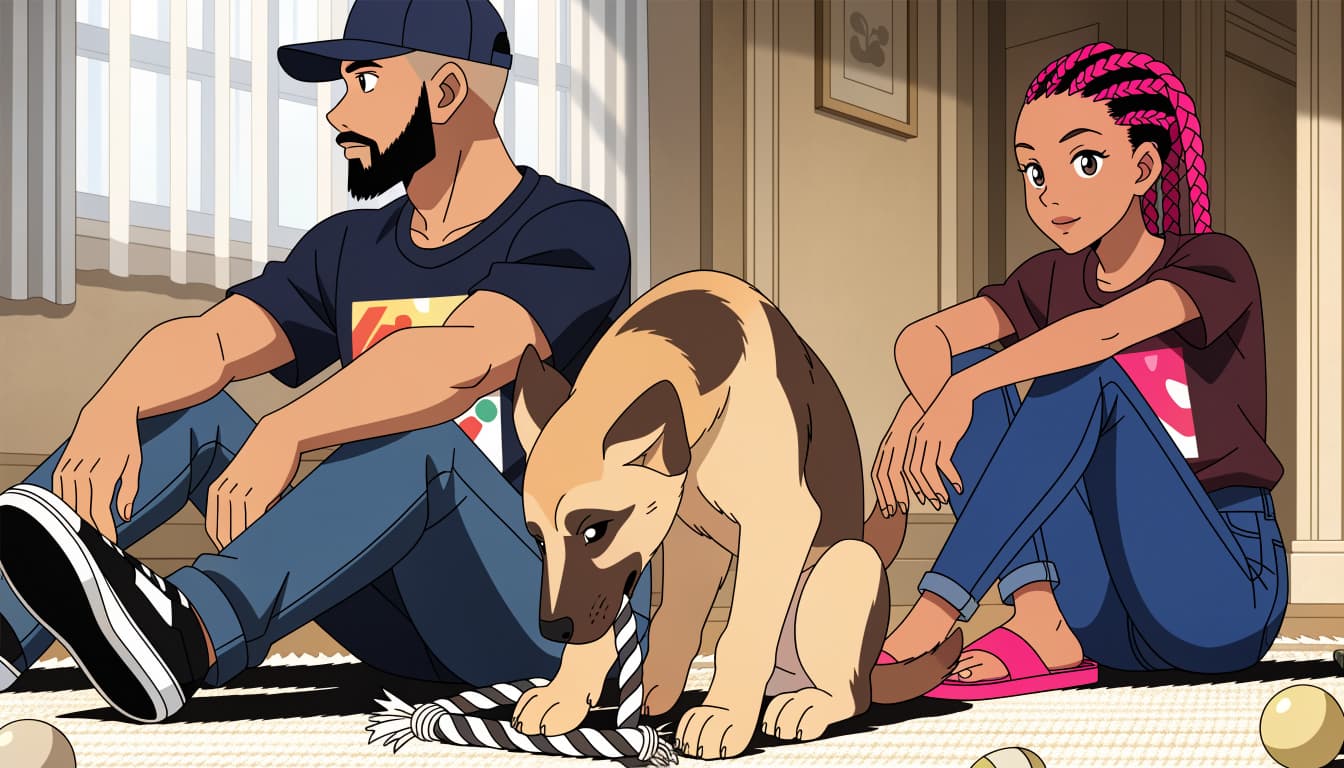
Puppy teeth begin making way for permanent teeth at around 3 to 4 months. The AKC says teething is usually complete by about 6 months, though tooth development varies between individual dogs. As baby teeth loosen and adult teeth come in, chewing may increase or change. The AKC's guide to puppy tooth development offers more detail on what happens during this stage.
Chewing to ease teething discomfort can look different from playful mouthing. Your puppy might settle with an appropriate chew, then nip at hands when play starts. Neither behavior, on its own, proves aggression. Offer safe chew choices and watch for patterns rather than trying to read a diagnosis into every bite.
Why your puppy may still nip after six months
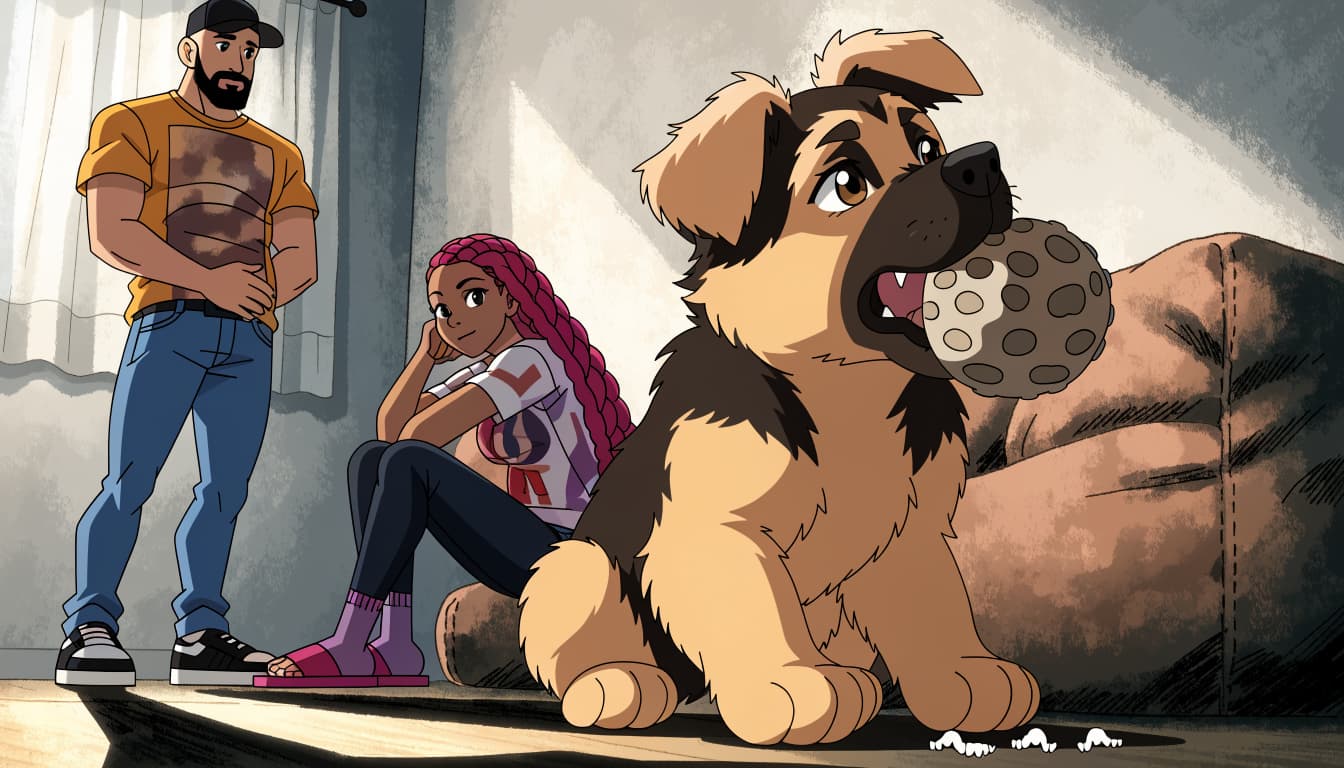
Teething ending doesn't automatically erase habits your puppy learned during play. If nipping has often started a game, earned attention, or continued without a clear pause, your puppy may keep trying it. That doesn't mean you've missed your chance to teach a different response.
Expect progress to come in steps. Your puppy might choose a toy more often one week, then get mouthy when excited the next. Keep your response consistent and notice whether the overall pattern is improving.
Why German Shepherd Puppy Biting Can Feel So Intense
Puppies use their mouths to explore and play. A growing, lively puppy can make that normal behavior feel like a full-contact sport, especially when teeth catch a sleeve or a hand. That doesn't mean German Shepherd puppies are known to bite more than other breeds, or that your puppy is "bad."
Instead, look at what happens just before the nipping. Is your puppy trying to restart play, reaching for a moving hand, or getting wound up after a busy stretch? The context gives you something practical to change.
Play, attention, and exploring with the mouth
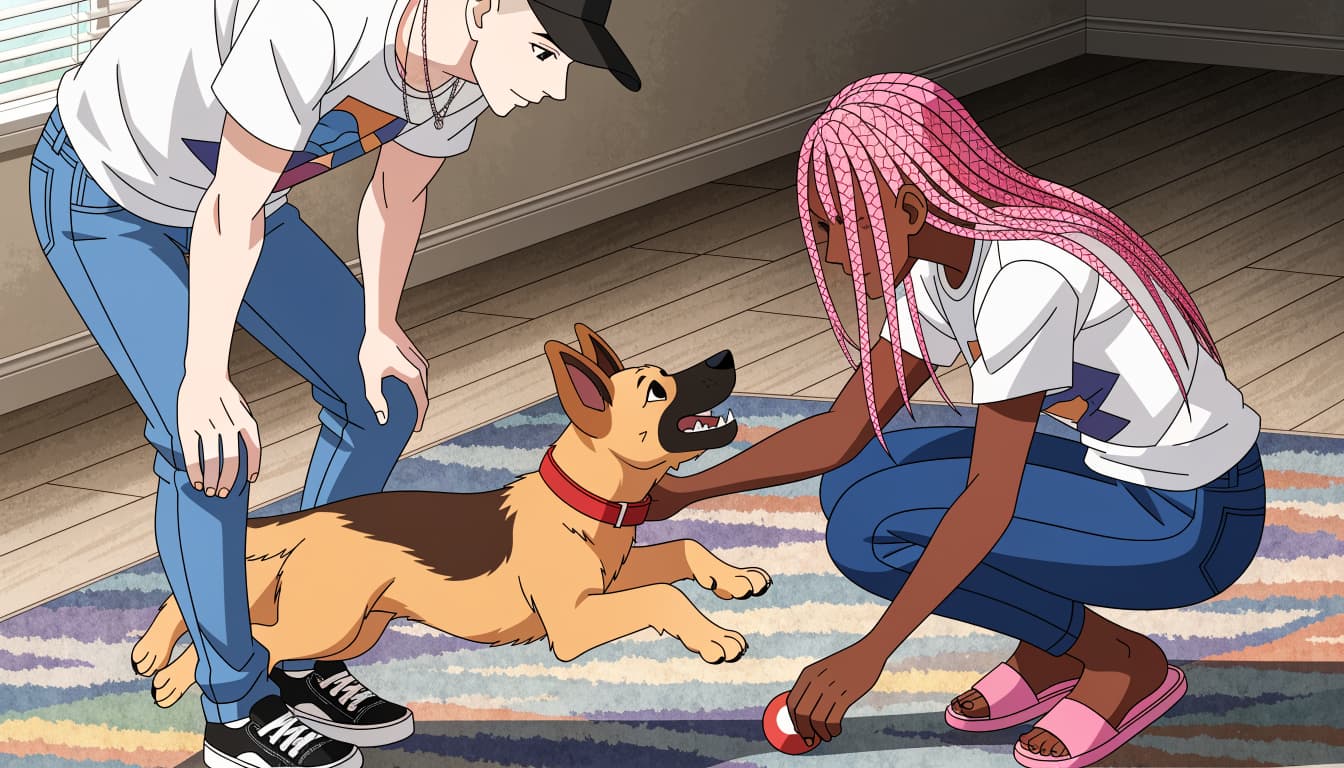
Hands, sleeves, and feet move in ways that can invite a puppy to chase and grab. Pulling your hand away quickly may make it even more interesting. When teeth reach skin, calmly stop the interaction and offer a toy instead.
Pay attention to the moment before a bite. If nipping usually begins during rough play, lower the intensity and keep a toy close. If it happens when your puppy wants attention, reward calm approaches and pause when teeth make contact. You're teaching a clear pattern: gentle behavior keeps the fun going, while biting people ends the interaction.
Overtired or overstimulated puppies may nip more
Some puppies get mouthier after excitement builds or when they need rest. Track the time, activity, and setting around the usual nipping bursts. If the same pattern appears after a long play session or a busy evening, plan a calmer break before your puppy gets wound up.
A quiet pause, a suitable chew, and a chance to settle may help your puppy reset. You don't need to wait until the next sleeve ambush to try a change. Prepare the toy and calmer space in advance.
How to Teach Your Puppy to Use a Toy Instead
A repeatable response beats raising your voice and hoping your puppy understands the new house rules by telepathy. The AKC's puppy mouthing training tips also focus on teaching better habits through consistent responses. Pick a simple routine and use it each time teeth touch skin.
Pause play when teeth touch skin
When your puppy bites or mouths you, stop moving and calmly pause the interaction. Keep your voice and body language low-key. Once your puppy settles, resume play or offer a toy. A brief, consistent pause is easier for a puppy to understand than a long scolding after the moment has passed.
A short "ow" helps some puppies notice that a bite hurt. If your dog gets more excited by the sound, skip it and quietly disengage instead. You're not trying to frighten your puppy. You're making the result of biting predictable: play pauses.
Redirect biting to an appropriate chew toy
Keep a few suitable toys within easy reach, especially in places where you usually play. When your puppy goes for a hand or sleeve, present a toy as an alternative. Moving it along the floor can make it more interesting without turning your hands into the main attraction.
Praise your puppy when they choose the toy and keep playing with it. Put tempting clothing or household items out of reach when possible, and offer safe, approved chew options. If the puppy keeps returning to your hands, end the game for a moment rather than repeating the same redirect forever.
Build calm breaks into the daily routine
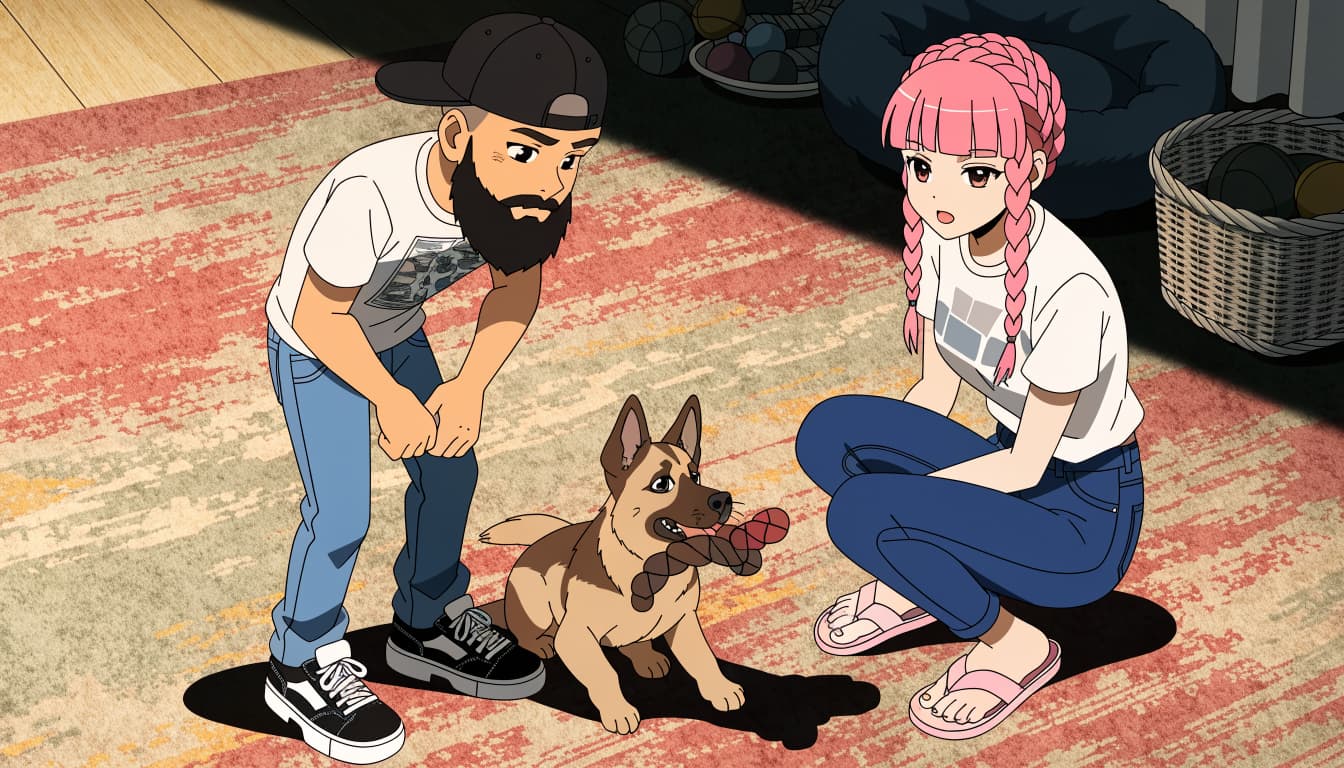
End play before your puppy reaches maximum zoom and starts treating every moving object like a final boss. Offer a chew or quiet settling time in a safe space. A planned break can be easier than trying to reset an already overexcited puppy.
Avoid chasing your puppy or turning the pause into another game. Keep the routine simple: stop play, make the room calmer, and give your dog a suitable way to settle. Repeat that sequence when you notice the familiar signs of overexcitement.

When Puppy Biting Needs More Help
Some nipping is part of puppy play, but you don't have to manage every concern on your own. Speak with your veterinarian if biting is severe, escalating, causes injury, or seems connected to pain or another health concern. A description alone can't tell you what is driving a dog's behavior, so professional assessment matters when something feels wrong.
If the biting continues despite consistent, reward-based practice, contact a qualified reward-based trainer or behavior professional. They can observe your puppy's behavior and help tailor a plan to your home. If you feel unsafe or aren't sure how to interpret what you're seeing, ask for help rather than waiting for the problem to resolve by itself.
Keep track of what you see
Make a few notes about what happened right before a bite, your puppy's body language, how often it occurs, and what response helped. Include the time of day and setting if a pattern seems to emerge. Those details can give a veterinarian or behavior professional a clearer picture than "my puppy bites a lot."
Avoid punishment and get expert guidance
Don't rely on physical punishment to teach bite control. Choose calm, reward-based responses that show your puppy what to do instead, and seek professional guidance when the behavior feels unsafe or confusing. Getting help early gives you a more useful plan than trying one escalating reaction after another.
Streetwear & Casual Styling
For a dog-parent casual look, build around a Cyber-Brutalist Anime Graphic Tee, jeans, and comfortable shoes. The If They Could Use Internet We'd Be In Trouble Tee brings the dog-parent joke; the Scream At Void My Human Understands Tee leans into chaotic pet energy. Wear whatever feels like you. A graphic tee won't train the puppy, but it can make the dog-walk uniform less generic.
Frequently Asked Questions
Is it normal for a German Shepherd puppy to bite hands?
Playful mouthing is common in puppies, including German Shepherds. Calmly stop play when teeth touch skin, then offer a toy your puppy can bite instead.
Does teething make puppy biting worse?
Chewing can help ease discomfort as puppy teeth make way for adult teeth, though each dog responds differently. Offer safe chew choices, and ask your veterinarian about pain or other concerns.
Should you let your puppy chew on your clothes?
It's easier for your puppy to learn the rule when clothing isn't offered as a toy. Calmly disengage when your dog grabs a sleeve, then redirect to an appropriate chew or toy.
What if your puppy bites more in the evening?
Tiredness or overstimulation may contribute to an evening burst of nipping. Track when it happens and try a quiet break before your puppy gets wound up.
Conclusion
Many German Shepherd puppies become less mouthy around 4 to 6 months, but the pace varies. Your steady response helps teach better habits while teething and growing take their course.
Keep a toy nearby, pause play calmly when teeth touch skin, and ask a qualified professional for help if the biting is severe or not improving.